Judge rules federal law banning noncitizen voting unconstitutional, dealing blow to Trump admin
WASHINGTON, DC: A federal judge tossed out a criminal case against a Jamaican national accused of voting illegally, saying the federal law behind the charge is unconstitutional. This decision now throws a wrench into the Trump administration’s plans to crack down on noncitizen voting.
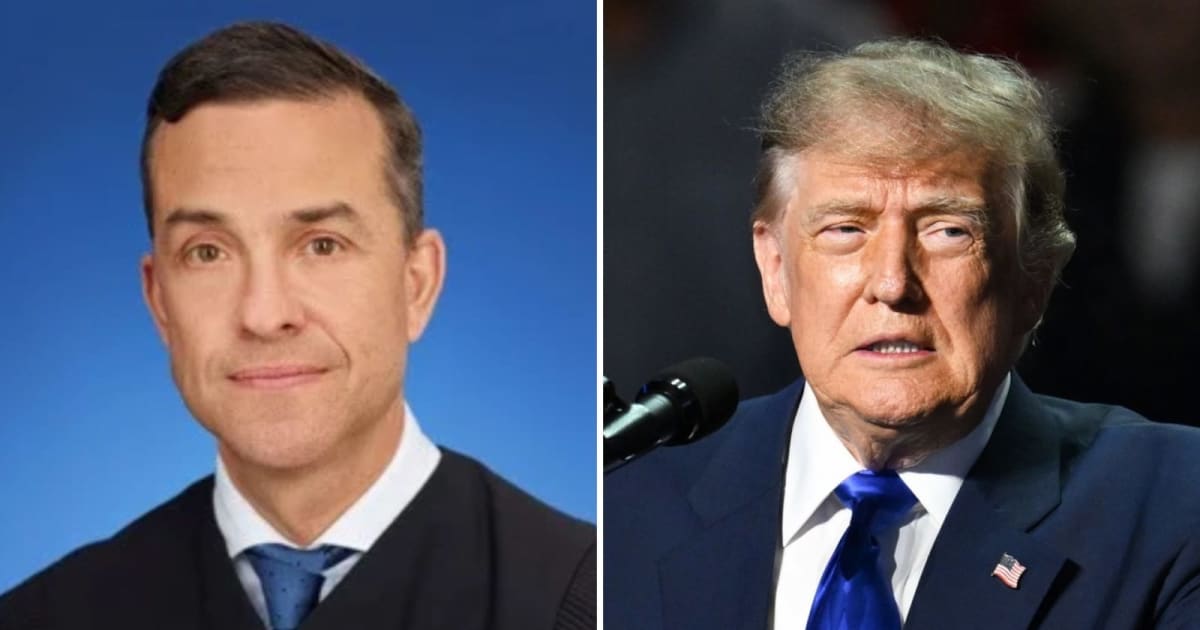
Miami-based US District Judge David S Leibowitz ruled Thursday, October 1, in a 31-page order that the criminal case against Chelsea Cox, who was charged in October 2025 with a misdemeanor for illegally voting in 2020, must be dismissed. He said a decades-old federal law that prohibits a non-US citizen from voting in a federal election, 18 U.S.C. § 611, is unconstitutional.
A novel constitutional question
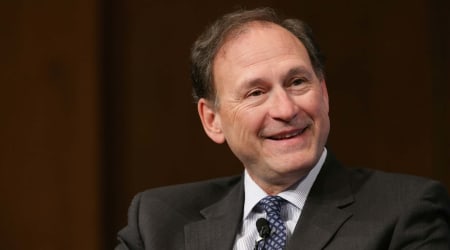
Leibowitz, who was appointed by former President Joe Biden, described the case as unusual from the outset.
OUTRAGEOUS: Biden-appointed Miami federal judge David Leibowitz just DISMISSED the case against a Jamaican illegal alien accused of illegally voting — by ruling the 1996 law that makes noncitizen voting a federal crime is UNCONSTITUTIONAL.
— RedWave Press (@RedWavePress) October 2, 2026
I’m sorry, WHAT?!?
Chelsea Cox came… pic.twitter.com/l7ke5jol4n
Under the US Constitution, Leibowitz wrote, only states can set voter qualifications, not Congress. The judge said state prosecutors in Florida could prosecute Cox under state law for unlawfully voting, not the federal government.
"This is an unusual criminal case. It rests upon a forty-year-old federal statute, 18 U.S.C. § 611, that prohibits the act of voting in a federal election by a non-U.S. citizen. Until very recently, no federal court has been presented with the following question about that statute: Did Congress have Constitutional authority to enact it? That's unusual, all by itself," Leibowitz wrote.
The ruling applies only to Cox's case and marks the first time a court has found the statute unconstitutional. The Justice Department moved to appeal shortly after the decision; a spokesperson did not immediately respond to a request for comment.
"So why does the Government lead with such a weak hand? Because it's the best hand it can play," he said. "And why is that? Because the text, structure, and original public meaning of the Constitution show that Congress does not have the constitutional power to enact this statute."
Details of the underlying case
Federal prosecutors accused Cox of overstaying her US tourist visa more than twenty years ago and getting a Florida driver’s license by using a fake US Virgin Islands birth certificate.
They said she voted in several federal elections starting in 2012, and it was her 2020 ballot that triggered last year’s charges.
Cox’s attorney, Bruce Udolf, said she feels relieved by the ruling, a huge weight off her shoulders, especially since she recently had a medical procedure. Now, Udolf is talking with government officials to figure out what happens next, including whether they’ll try to deport her.
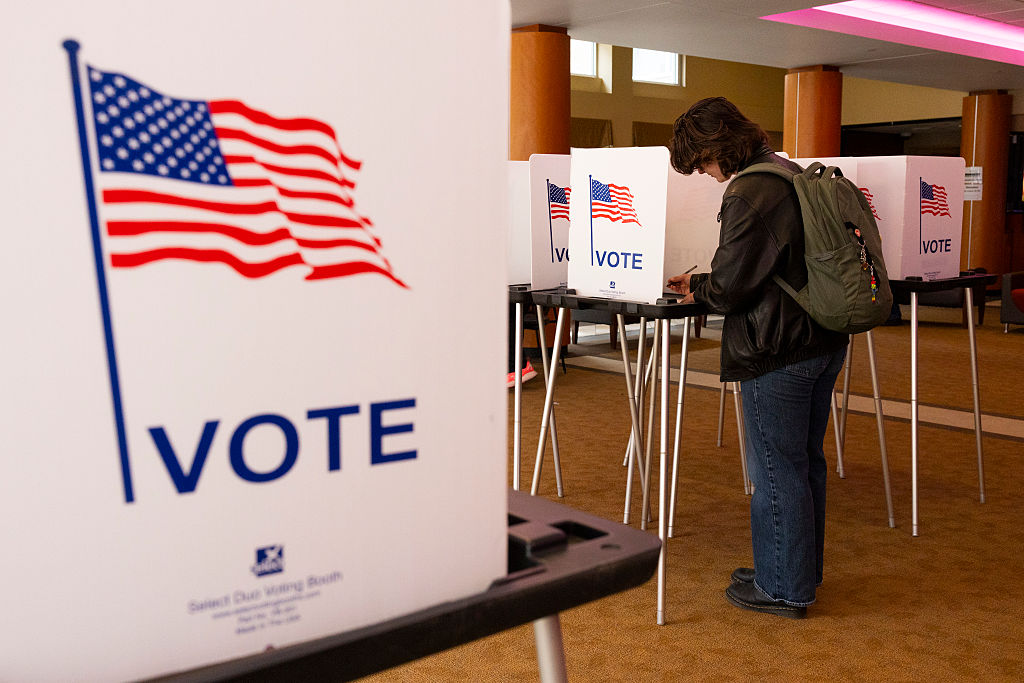
Federal prosecutors pushed back, arguing the Constitution "provides that the federal government play a significant role in overseeing such elections."
Leibowitz brought in Paul Clement, who served as solicitor general under former President George W Bush and is one of US' top Supreme Court litigators, to help tackle the constitutional issue. Clement filed a brief over the summer, arguing that Congress probably has the authority here.
In an amicus brief filed over the summer, Clement found that Congress likely "overstepped constitutional bounds in enacting §611." He noted that while no state currently allows noncitizens to vote in federal elections, there is some history of states allowing the practice.
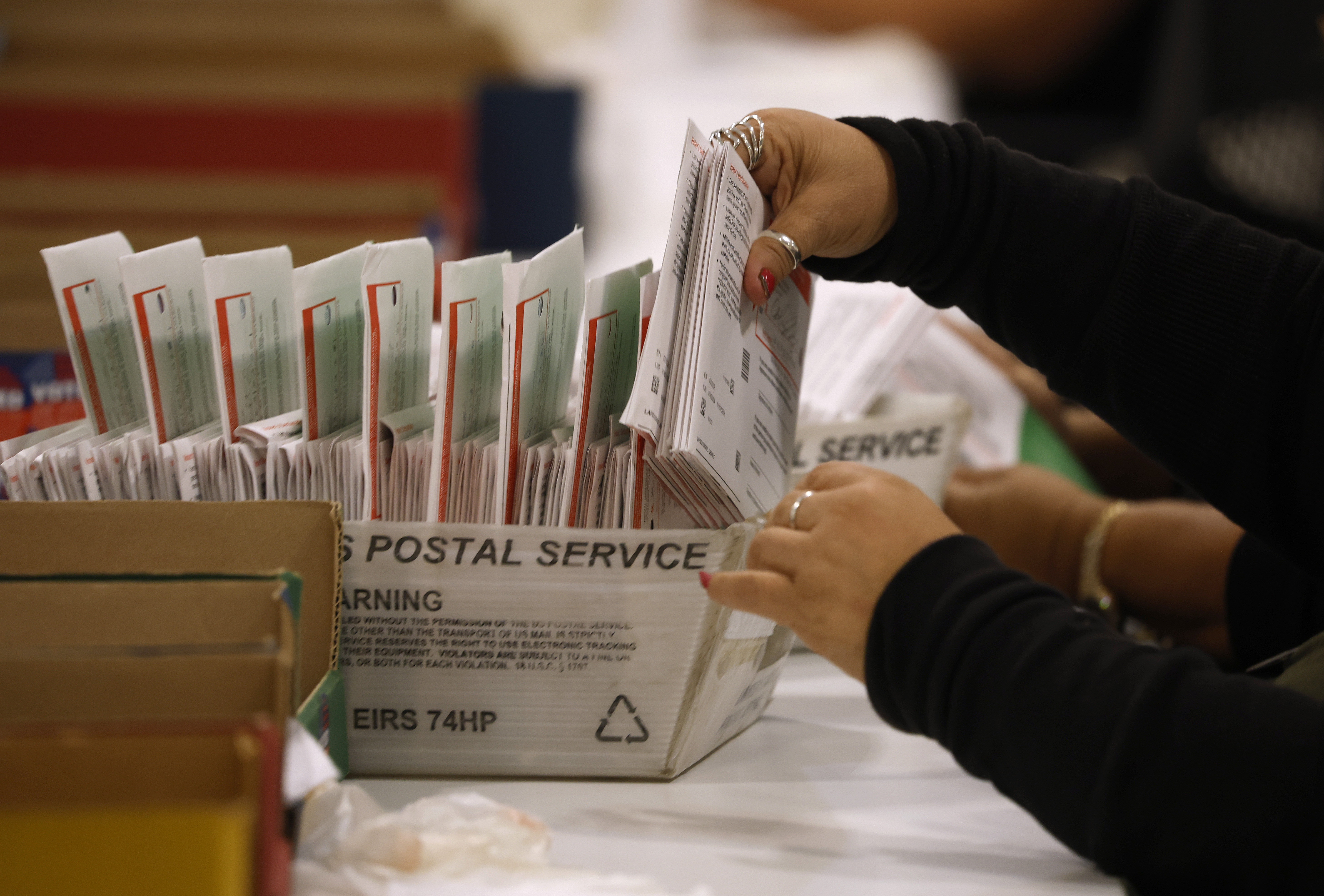
Justice Department officials have started going after more cases of noncitizens voting, even though most election experts say these instances are rare. Still, Trump keeps insisting, without any proof, that it’s a common problem.