Julianne Moore praises Meryl Streep as Hollywood’s ‘gold standard’ for women
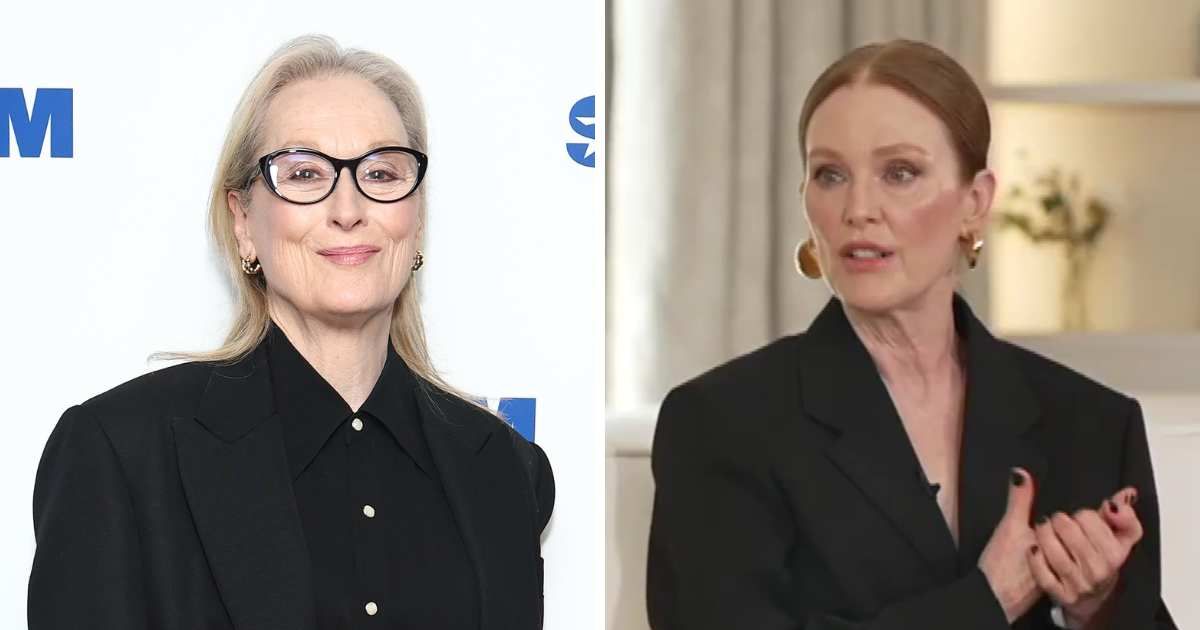
Julianne Moore says Meryl Streep is the "golden standard" for women in Hollywood.
— Variety (@Variety) May 16, 2026
"She was the first woman I saw who appeared to be.. touchable and untouchable at the same time. There's something human and modern about her."@KeringGroup #WomenInMotion pic.twitter.com/QS0wZBlidT
CANNES, FRANCE: Oscar-winning actress Julianne Moore described actress Meryl Streep as the “gold standard” for women in Hollywood while speaking at the ‘Women In Motion’ talk on Saturday, May 16, during the Cannes Film Festival.
During the conversation, she reflected on Streep’s influence on generations of actresses, discussed her growing disinterest in films centered on violence and spectacle, and addressed the ongoing lack of female representation within the film industry and beyond.
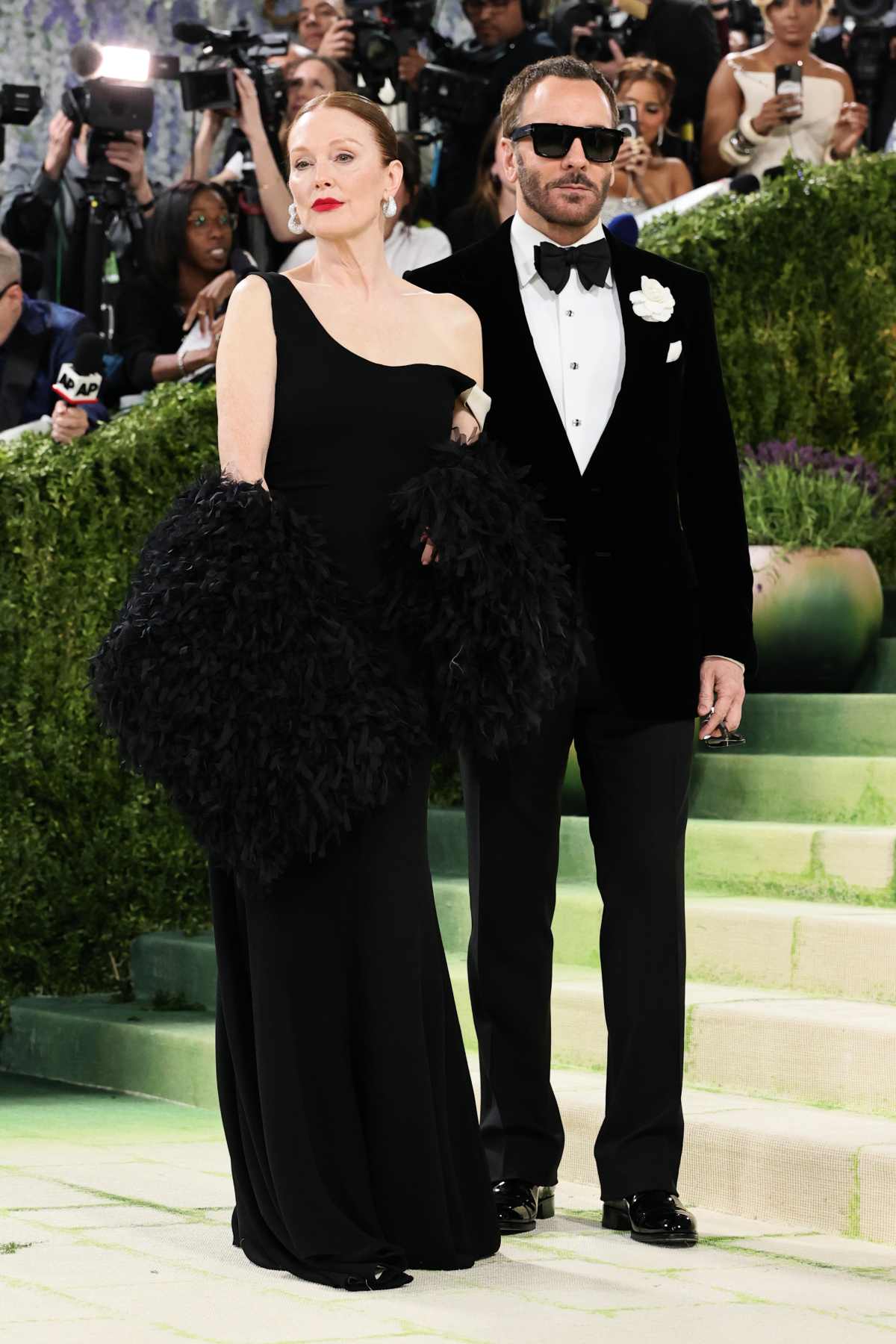
Julianne Moore says Meryl Streep became a benchmark for women in Hollywood
Speaking about Streep’s impact on cinema and modern audiences, Moore described the veteran actress as someone who changed how women in Hollywood were perceived. “I mean I think she's the gold standard,” she said.
She further emphasized, “When I think about Meryl and I think about kind of what she brought to modern audiences or certainly to my generation and to many generations after me too, is that she was the first woman that I saw who appeared to be, I don't know, she was like touchable and untouchable at the same time.”
Moore recalled growing up watching television and movies before seeing Streep emerge as a major cultural figure. She said there was “something very human about her and something very modern,” while also remembering seeing the actress featured on the cover of Time magazine when she was around 15 or 16 years old.
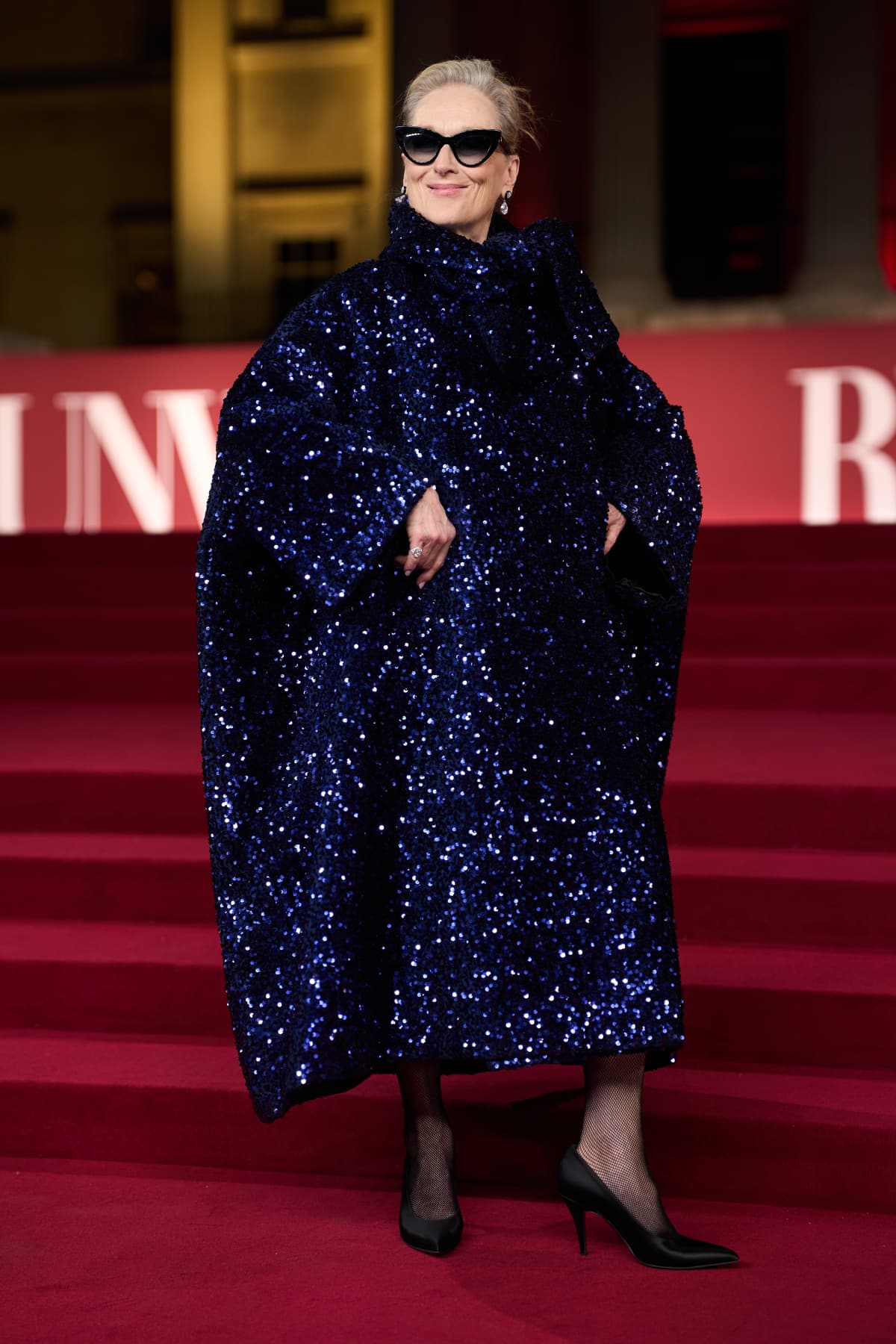
According to Moore, Streep combined accessibility, glamour, precision, and bravery in a way that inspired countless performers. “She was so precise in what she did, so modern and so accessible and yet glamorous and wonderful and brave all at the same time,” Moore said.
She added that her success encouraged other actresses to rethink what could be achieved through their work. “I feel like she kind of lit a fire under everybody in terms of how we wanted to be and in terms of what we thought we could achieve in our work.”
Julianne Moore says violence-driven films now feel like ‘noise’
During the discussion, Moore also explained why she has become less interested in films focused on violence, destruction, and exaggerated drama, particularly amid ongoing global conflicts. “I’m less and less interested in tragedy,” she said.
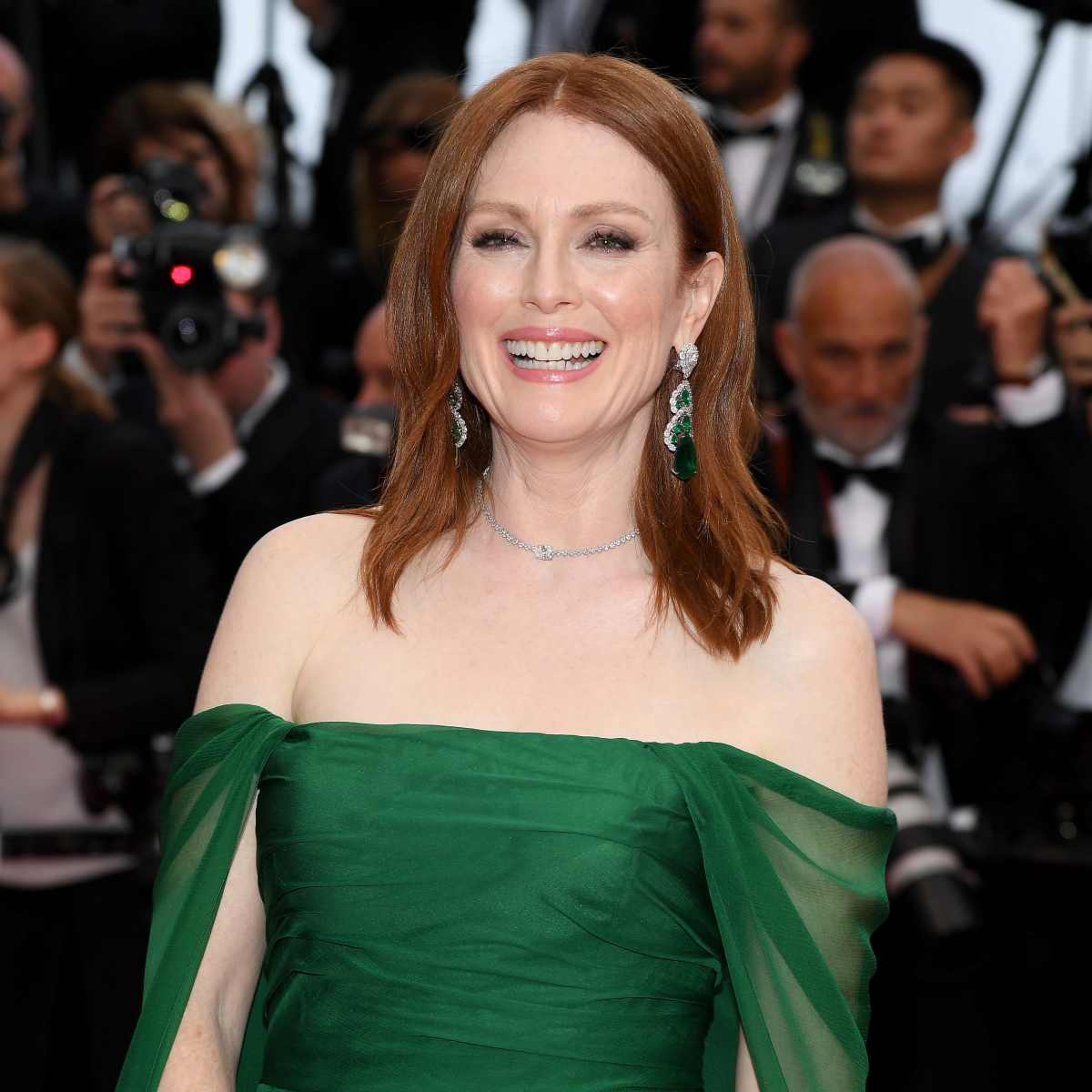
She further added, “Particularly now at a time when things are really rough globally it’s very difficult for me to invest in a story that I think is pretend; where I feel like the depth of the emotion, the measure of it, doesn’t measure up to what’s happening in the world.”
Moore continued, “I don’t feel like I want to engage in it.” The actress also said she dislikes “easy stakes” in storytelling and criticized films that rely on violence without emotional depth.
“I don't like explosions and guns, I don't like histrionics, I don't like things that raise the stakes without real feeling underneath,” she said, describing such elements as “just noise.”
Julianne Moore addresses lack of women’s representation at Cannes
Moore also shared details about her upcoming projects, including a musical comedy directed by Jesse Eisenberg about a shy woman who becomes involved in community theater.
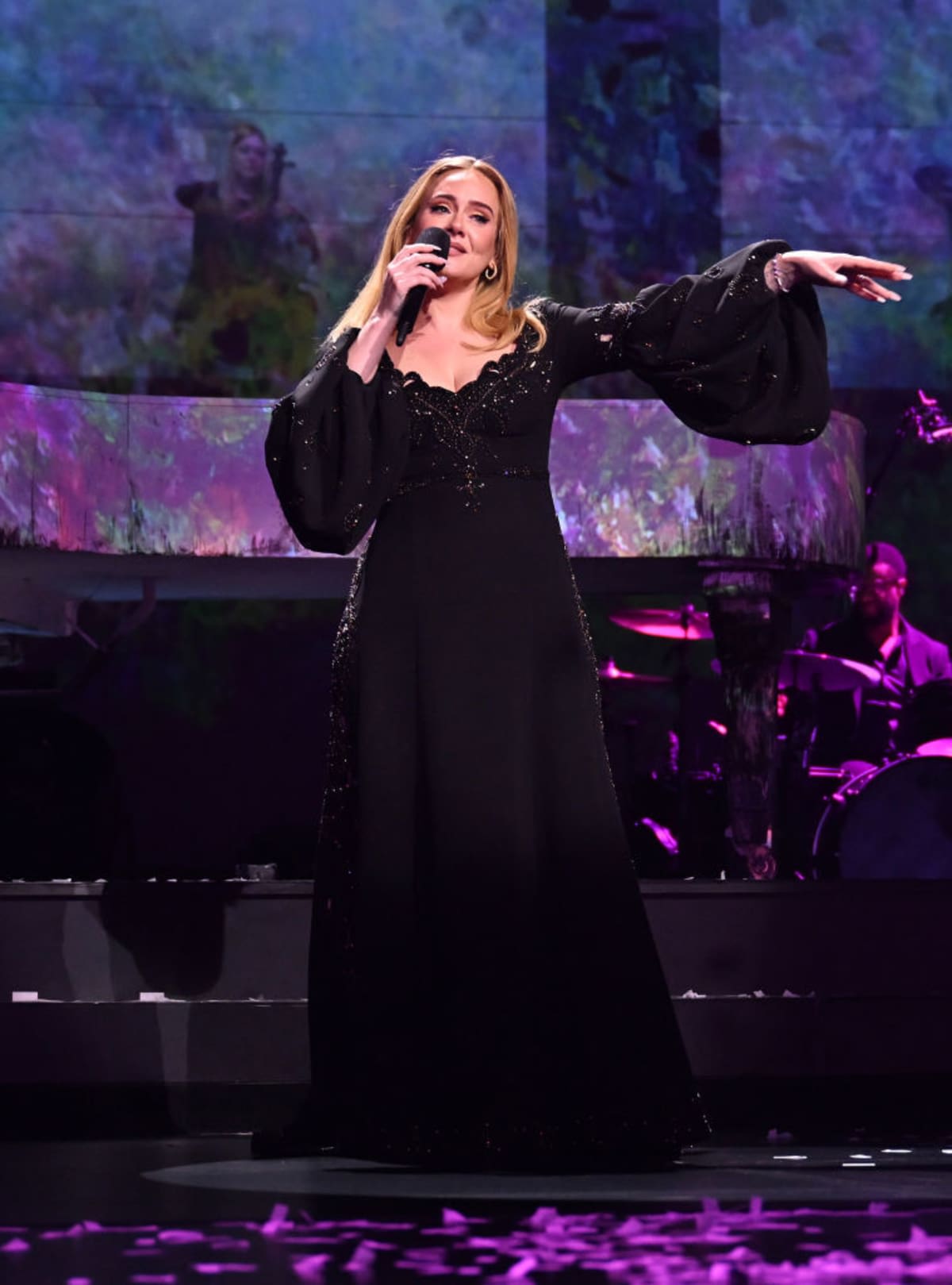
She additionally revealed she has a “small part” in former fashion designer Tom Ford’s forthcoming film, ‘Cry to Heaven,’ which also features singer Adele.
Addressing gender representation at Cannes, Moore noted that only five female directors are participating in the festival this year, two fewer than in 2025. She also pointed to statistics showing that the number of women in lead roles in the highest-grossing films of 2025 fell to 37% from 47% in 2024.
“It’s not endemic just to the film industry, it’s global,” Moore said, adding that women remain underrepresented in corporate leadership, media, and higher education.