Kennedy cites trade secrets, declines to release drug deals at heated Senate hearing
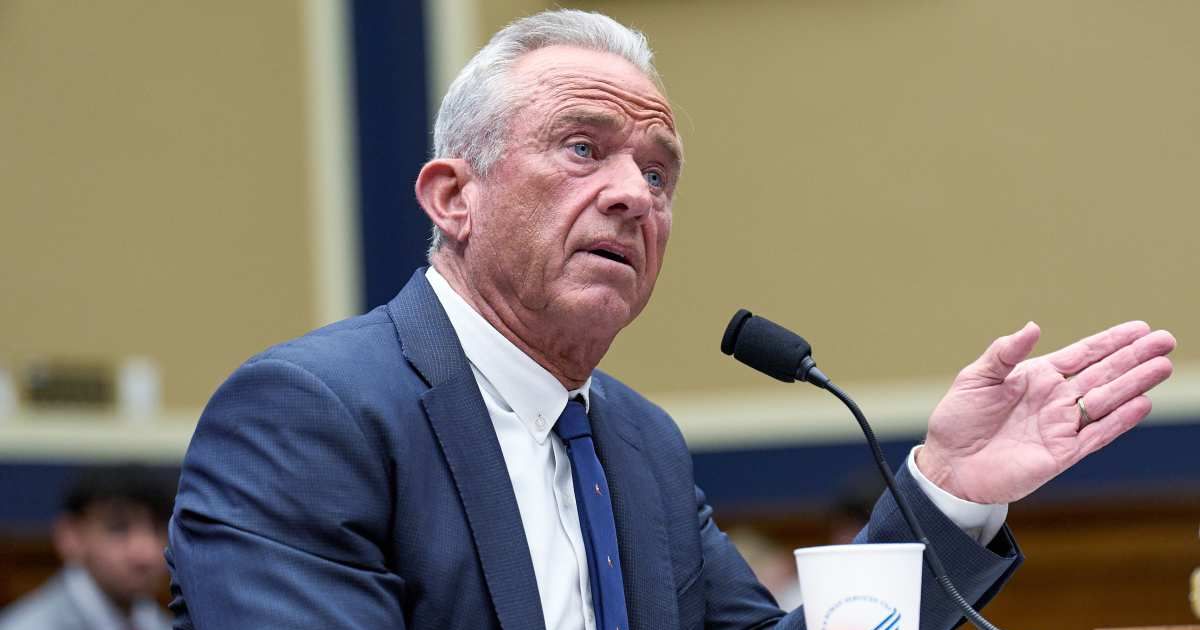
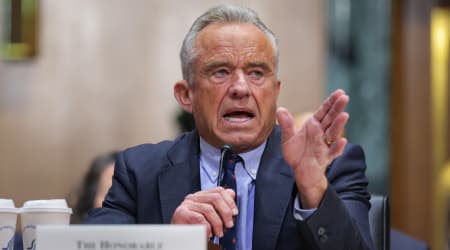
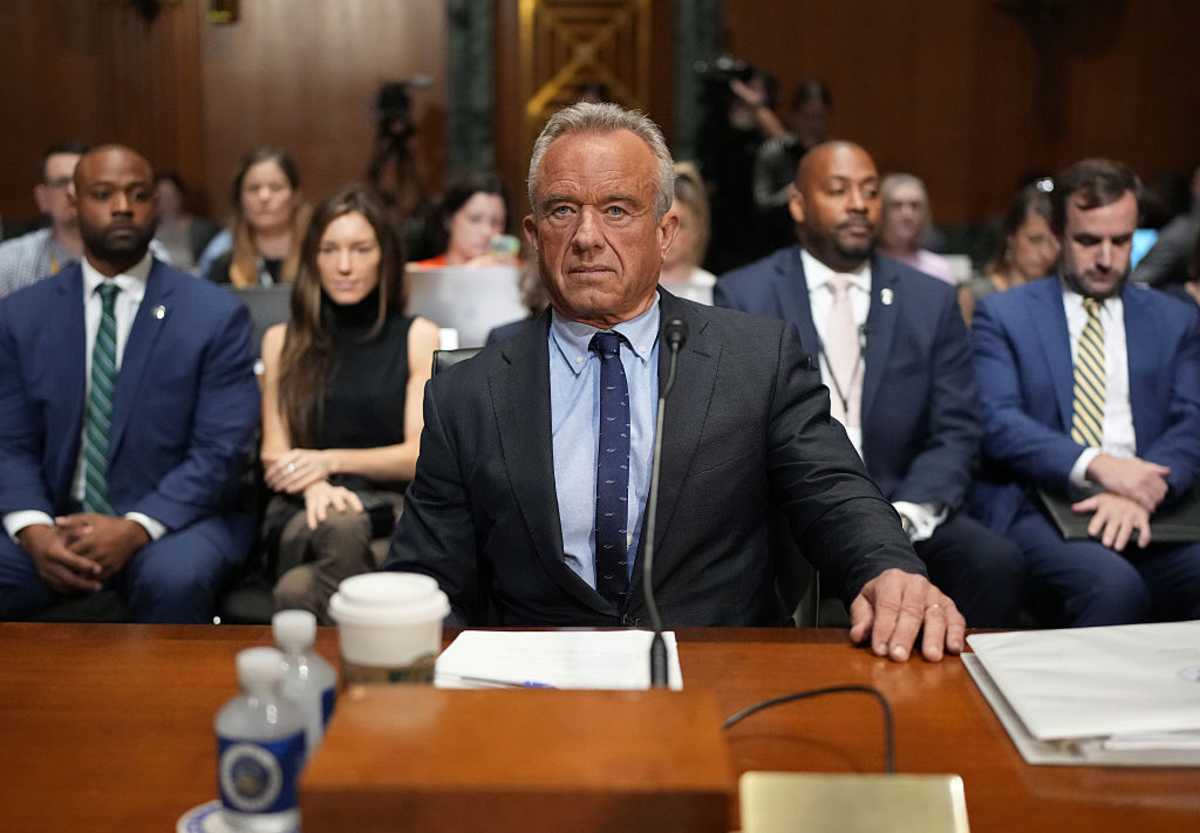
WASHINGTON, DC: Health Secretary Robert F Kennedy Jr told lawmakers he would not disclose agreements made with pharmaceutical companies, citing confidentiality concerns during a tense Senate hearing.
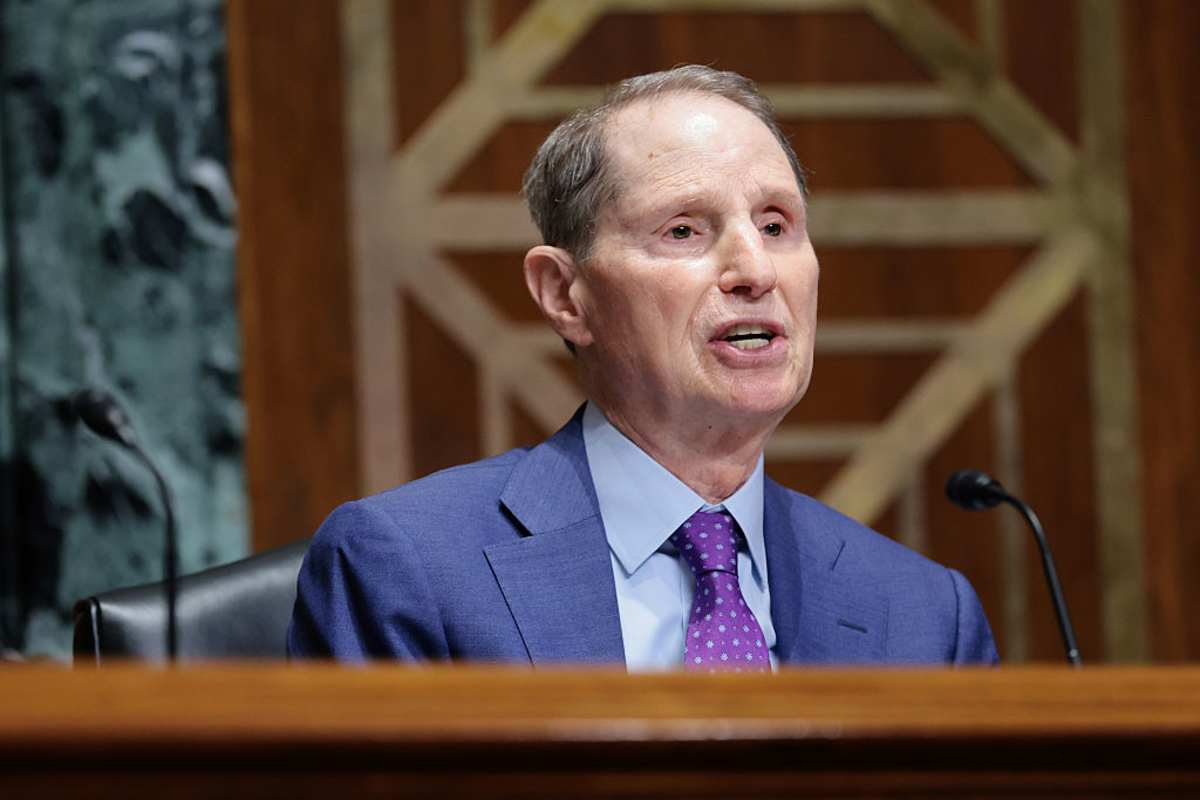
Pressed by Sen Ron Wyden on whether he would release the documents in the interest of transparency, Kennedy gave a firm refusal.
“No, I will not,” he said, arguing that the agreements contain proprietary information and trade secrets that cannot be made public.

RFK Jr cites NDA requirement
Kennedy defended his position by pointing to provisions in the Inflation Reduction Act, which authorize the federal government to negotiate drug prices.
He said the law requires non-disclosure agreements (NDAs), emphasizing that pharmaceutical companies would be unwilling to negotiate if sensitive commercial data were exposed.
According to the US Department of Health and Human Services, the legislation allows the government to directly negotiate prices for high-cost drugs lacking generic or biosimilar competition.
Democrats accuse Kennedy of secrecy
Wyden sharply criticized Kennedy’s stance, accusing him of attempting to conceal key information on critical healthcare decisions.
In his opening remarks, Wyden also accused the administration of undermining the healthcare system, warning that misleading claims could distract from real policy impacts.
He further alleged that Kennedy has promoted anti-vaccine positions, saying such views could harm public health.
Republican support for HHS leadership
Republicans on the panel struck a more supportive tone. Senate Finance Committee Chair Mike Crapo praised Kennedy’s leadership, crediting him with taking meaningful steps to address systemic issues in healthcare.
Crapo said the department is working to empower patients and improve outcomes, expressing confidence in Kennedy’s approach.
Kennedy condoles Mark Warner's daughter's death
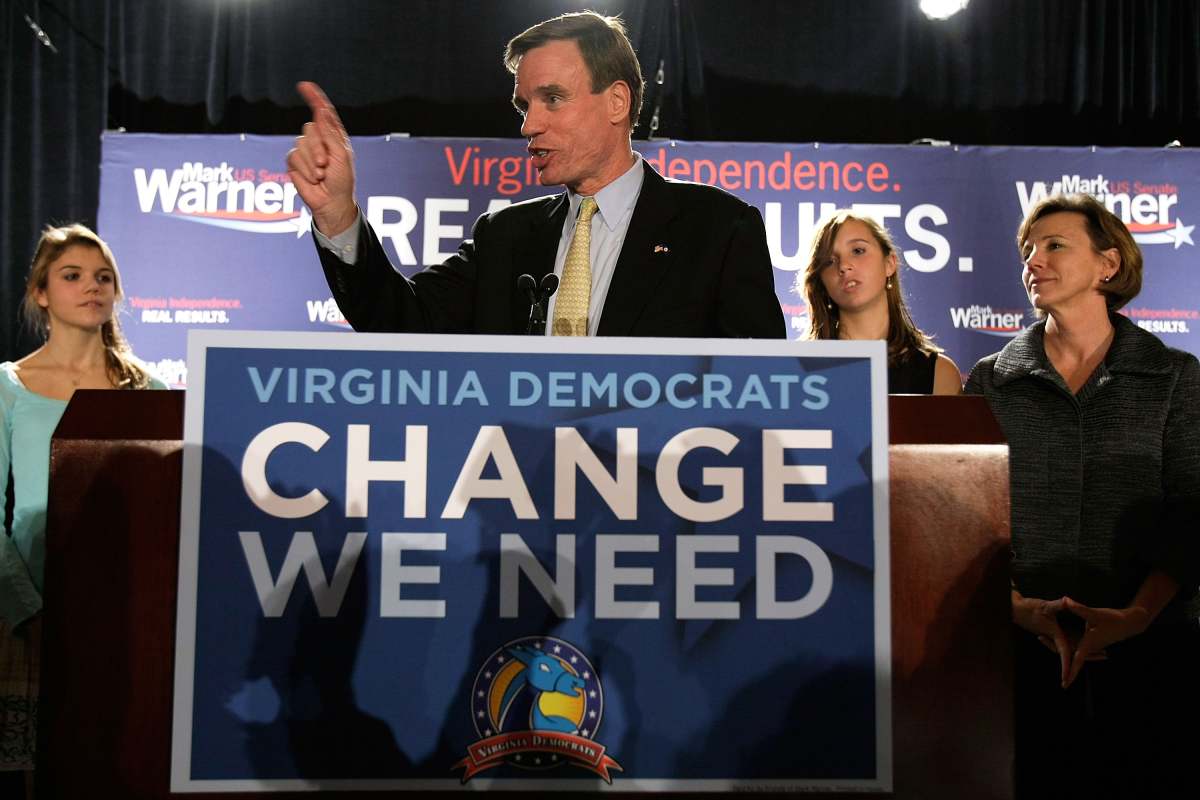
Robert F Kennedy Jr opened his remarks by offering condolences to Mark Warner following the recent death of his daughter, before quickly shifting focus to concerns about child health in the United States.
“I want to begin by expressing my deepest sympathies to Sen. Warner on the loss of his daughter, Madison,” Kennedy said, adding that his thoughts and prayers were with the family.
He then pivoted to a broader message, warning that the country is at a “generational turning point,” and arguing that American children are facing unprecedented health challenges due to years of policy failures and profit-driven systems.
Warner’s office said his daughter, Madison, died at 36 after a long struggle with juvenile diabetes and other chronic health conditions.