LaGuardia crash video shows Air Canada jet slam into fire truck after frantic ATC warning
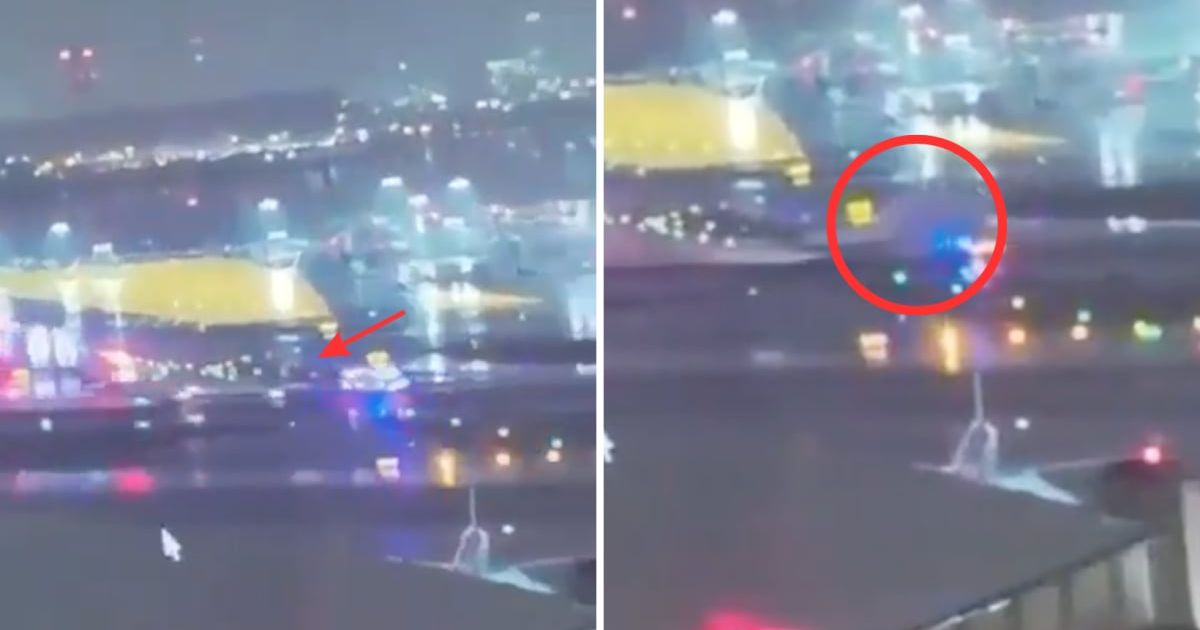
QUEENS, NEW YORK: A newly released video has captured the chilling moment an Air Canada jet collided with a fire truck on a runway at LaGuardia Airport, killing both pilots and leaving injuring dozens.
The crash occured late on March 22, when the aircraft, carrying 72 passengers and four crew members, slammed into a Port Authority emergency vehicle responding to a separate incident.
Authorities have launched multiple investigations as questions grow over air traffic control decisions and staffing levels. The airport resumed operations by the afternoon of March 23, though officials warned of continued delays and cancellations as recovery efforts and investigations continue.
NEW: New video footage captures the moment an Air Canada jet and a fire truck collided at New York’s LaGuardia Airport.
— Collin Rugg (@CollinRugg) March 23, 2026
Here is what we know:
- The plane’s two pilots sadly died.
- 41 passengers and crew members were taken to the hospital.
- Audio from the air traffic tower… pic.twitter.com/KKw4xdmQXv
Crash details emerge
The collision occurred around 11:45 p.m. on March 22 as the Air Canada Express CRJ-900 was landing on Runway 4. Video footage shared by FDNY Response Videos shows the aircraft speeding down a rain-soaked runway before striking a fire truck crossing its path with emergency lights activated.
BREAKING: New video shows the plane which collided with a fire truck at LaGuardia Airport in New York, reports of multiple victims. pic.twitter.com/mUiBEuFCsQ
— AZ Intel (@AZ_Intel_) March 23, 2026
Air traffic control audio recorded moments before the crash captured escalating urgency. “Stop, truck one. Stop,” a controller said. “Frontier 4195, stop there please. Stop, stop, stop, stop.”
Seconds later, the aircraft struck the vehicle, tearing off the nose of the plane and flipping the fire truck multiple times.
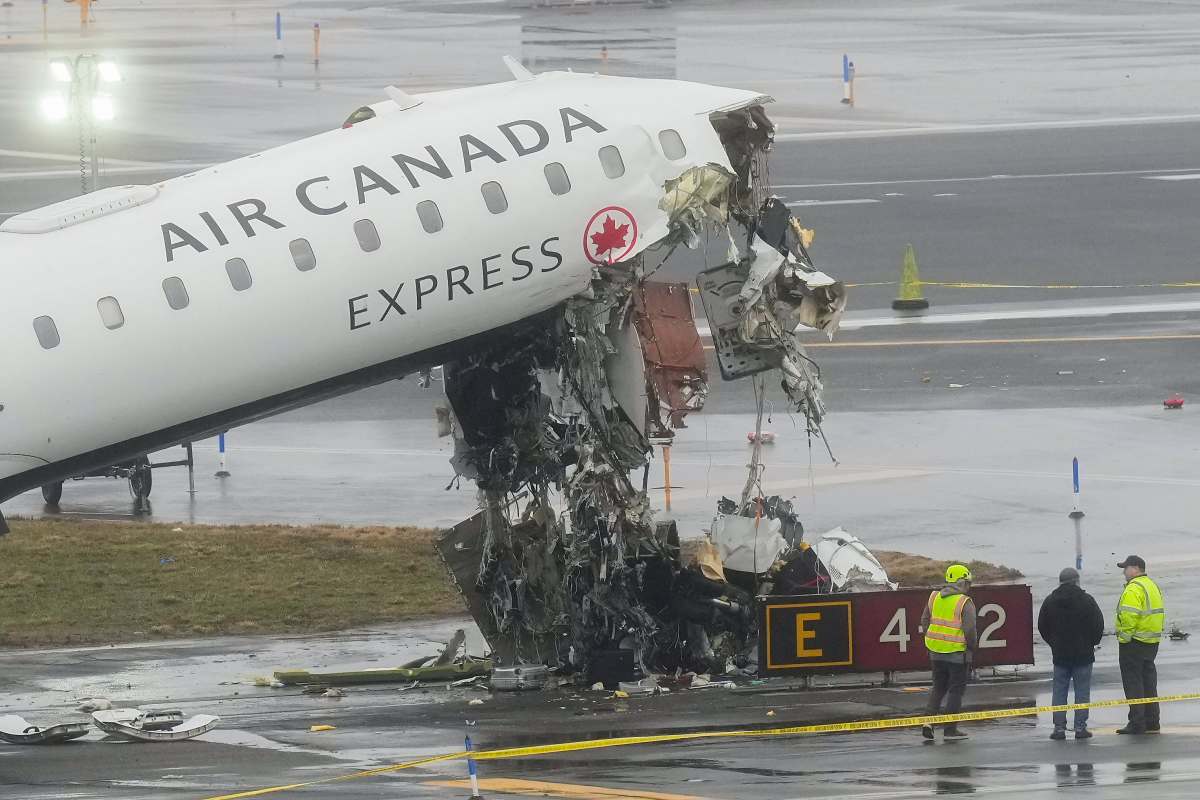
Both pilots aboard the aircraft died in the crash, while dozens of passengers were injured. At least two firefighters inside the truck sustained serious injuries, according to officials.
Passenger Jack Cabot described the aftermath, saying many onboard were bleeding. “I remember looking behind me after we got off and there was some guy with just blood coming off his face,” he said. “A lot of people got pretty hurt.”
ATC audio reveals confusion
Audio recordings released after the incident suggest confusion inside the control tower in the moments surrounding the crash. In one exchange, a controller acknowledged the situation, saying, “It wasn’t good to watch,” while another responded, “Yeah, I know I was here. I tried to reach out … we were dealing with an emergency earlier. I messed up.”
A colleague replied, “Nah, man, you did the best you could.”
Air traffic control audio from LaGuardia Airport is raising questions about controller workload and staffing after a deadly runway collision that killed two pilots on Sunday, @krisvancleave reports. In the recording, a single controller appears to be managing multiple… pic.twitter.com/sJwlvEp7i7
— CBS News (@CBSNews) March 23, 2026
Earlier transmissions indicate the fire truck had been cleared to move while responding to another emergency involving a United Airlines flight. Crew members on that flight had reported an “odor,” with flight attendants “starting to feel ill because of the odor.”
“We will need to go into any available gate at this time,” one transmission said, followed by another urgent request: “Do you have any gates for United? Because United’s declaring an emergency; they want to get out.”
Probe into staffing and procedures
Federal authorities, including the Federal Aviation Administration and the National Transportation Safety Board, have launched investigations into the crash.
Transportation Secretary Sean Duffy said officials are examining whether air traffic control staffing shortages contributed to the incident. Reports indicate the controller on duty was handling both air and ground traffic at the time, a role that involves managing aircraft, taxiways, and ground vehicles simultaneously.
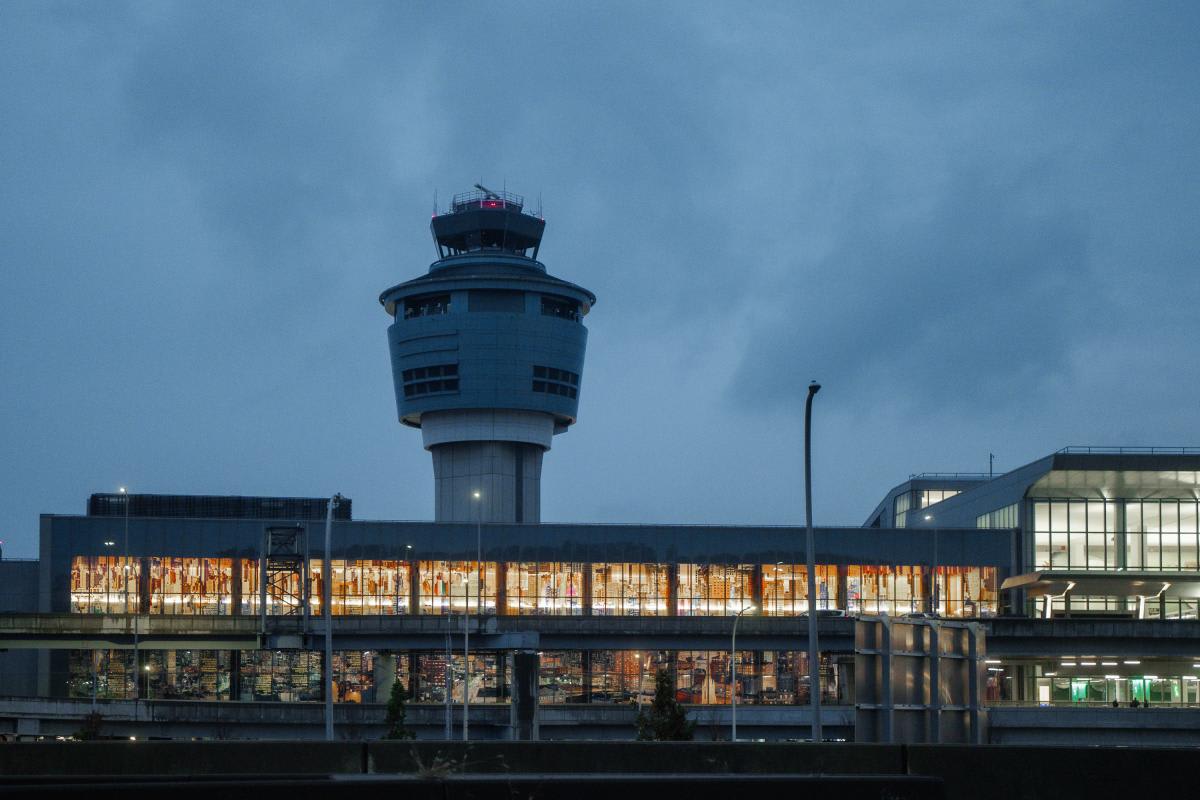
Port Authority Executive Director Kathryn Garcia emphasized that all runway movements require clearance from the control tower. “Anytime anyone is moving on any of our runways or taxiways, they have to get clearance from the tower to move,” she said.
While Garcia did not assign blame, she noted that operational control ultimately rests with air traffic management.
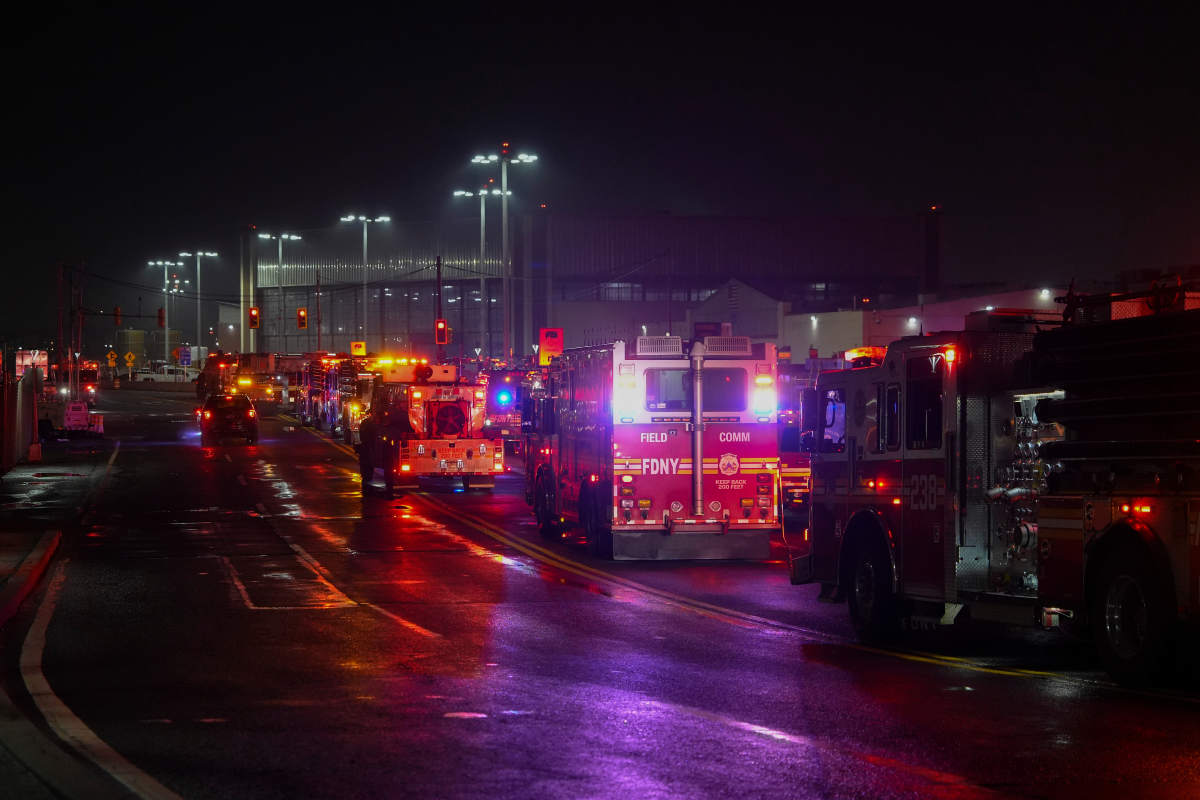
The crash has renewed scrutiny of ongoing staffing challenges at US airports, with investigators expected to focus on communication breakdowns and procedural lapses leading to the deadly collision.