'I messed up': LaGuardia controller caught on audio as deadly plane-truck crash kills 2
Warning: Graphic content, readers’ discretion advised
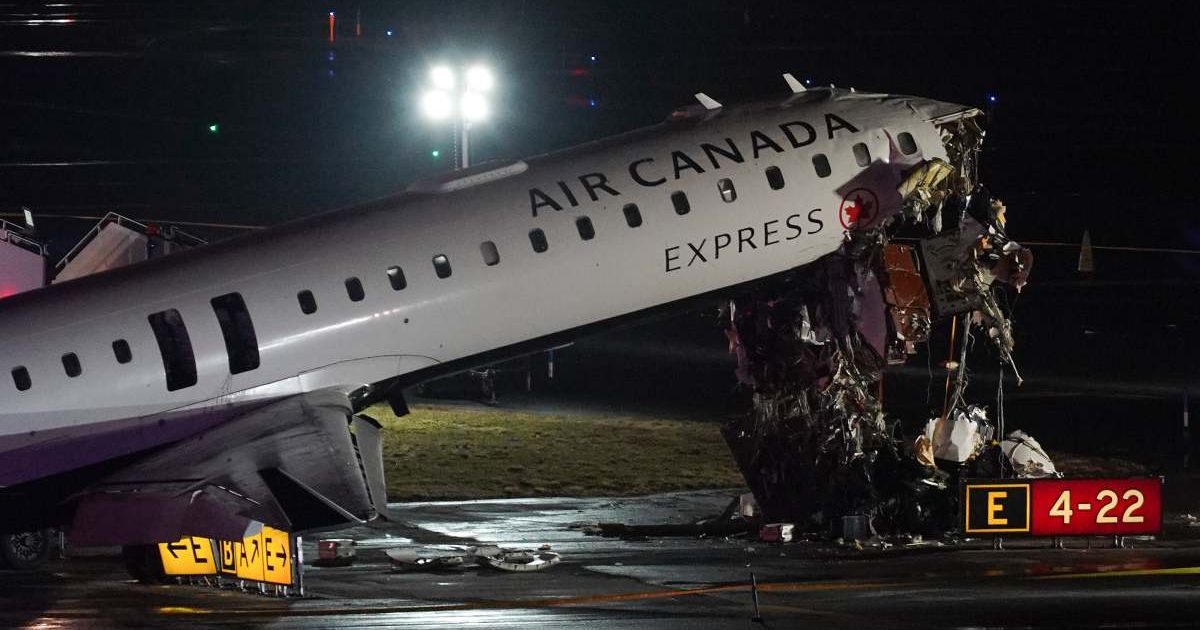
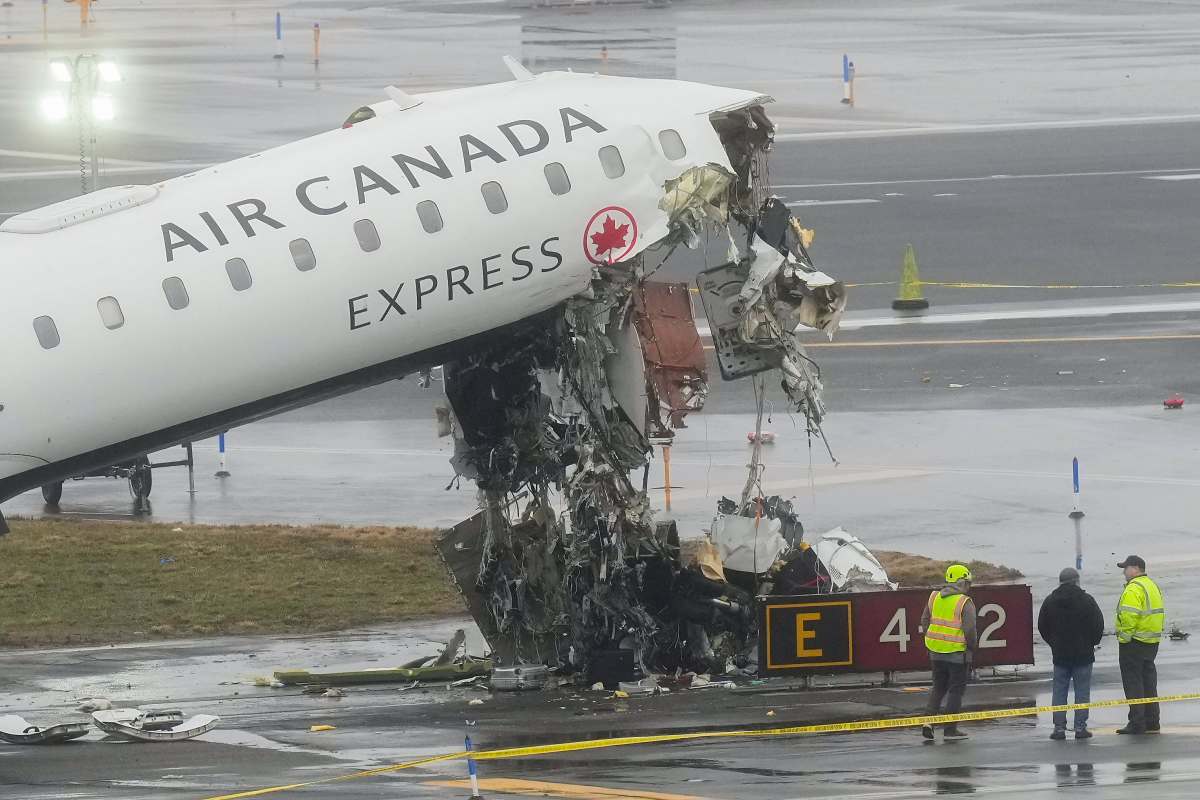
NEWARK, NEW JERSEY: Audio recordings revealed the immediate aftermath of a collision between an Air Canada aircraft and a Port Authority vehicle at LaGuardia Airport on Monday, March 23.
The exchange between air traffic controllers included one acknowledging, “I messed up,” following the incident.
The crash occurred as emergency crews were responding to a separate situation involving another flight.
NEW: "I messed up," a LaGuardia controller seems to say in LiveATC audio about 18 minutes after the Air Canada crash. A pilot replies: "nah man, you did the best you could." pic.twitter.com/A2584exy6Y
— Pete Muntean (@petemuntean) March 23, 2026
Authorities have since launched investigations into the circumstances, including staffing levels and operational procedures at the airport.
ATC audio captures confusion and admission after the collision
Recordings released by LiveATC detailed the moments surrounding the collision, offering insight into the conditions leading up to and immediately after the crash.
In the audio, one controller can be heard reacting to the incident, saying, “It wasn’t good to watch,” to which another responded, “Yeah, I know I was here. I tried to reach out … we were dealing with an emergency earlier. I messed up.”
A colleague was then heard replying, “Nah, man, you did the best you could.”
Earlier transmissions indicated that the controller had issued instructions to a vehicle involved in the incident.
“Truck One, stop,” the controller said, as a fire truck moved on the tarmac. The vehicle was responding to a separate emergency involving a United Airlines flight that had reported an onboard issue.
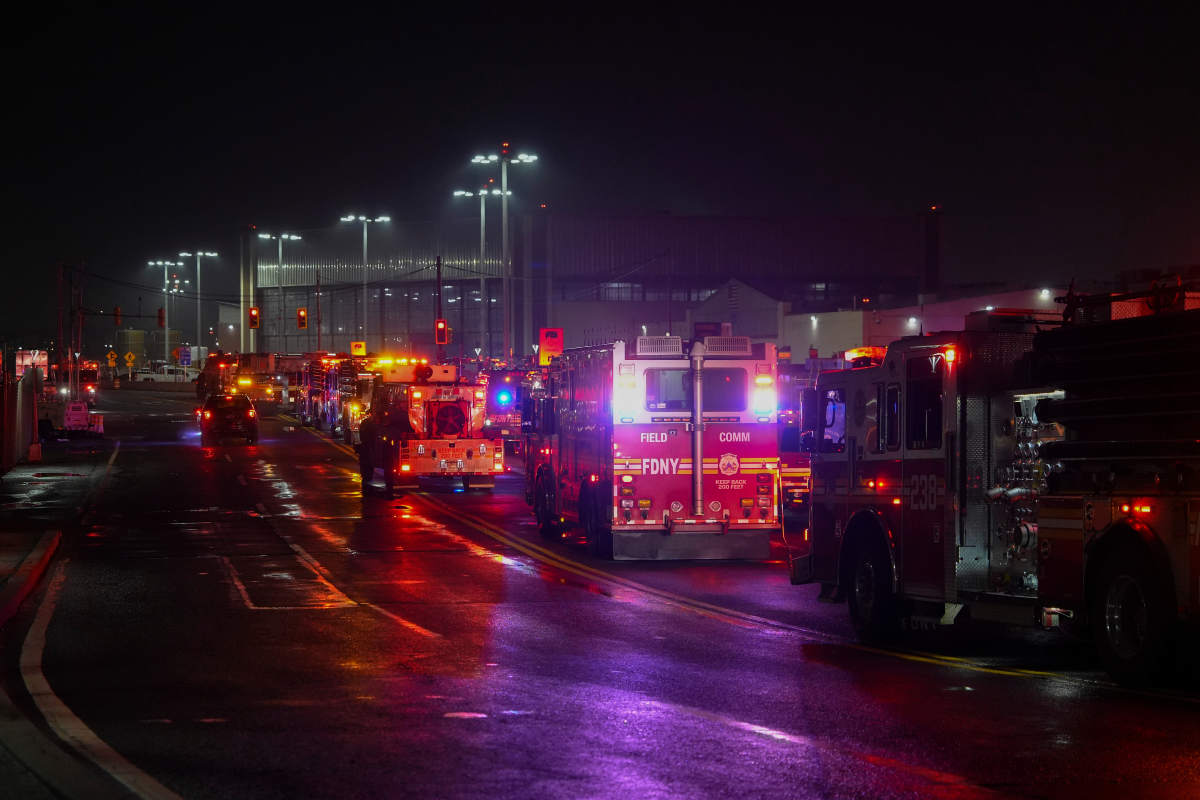
According to the audio transcript, concerns had been raised about an “odor” on the aircraft, with a crew member stating that flight attendants at the rear were “starting to feel ill because of the odor.”
Another voice was heard requesting immediate assistance: “We will need to go into any available gate at this time.”
CHILLING: Surveillance footage captures the Air Canada CRJ-900 PLOWING into a Port Authority fire truck as they were crossing Runway 4 last night at LaGuardia Airport (LGA) in Queens, New York.
— RedWave Press (@RedWavePress) March 23, 2026
The crash killed both pilots and injured 41 others.
Credit: @airmainengineer pic.twitter.com/AI5WI3FPlk
A separate transmission added urgency: “Do you have any gates for United? Because United’s declaring an emergency, they want to get out.”
Staffing and procedures under review after the incident
In the aftermath, federal officials confirmed that the incident was under investigation. Transportation Secretary Sean Duffy said his office was examining whether staffing levels in air traffic control played a role.
He noted that he was traveling to the airport following what he described as a “horrific crash,” adding that the Federal Aviation Administration and the National Transportation Safety Board were “working closely on this.”
Duffy added, “Please keep the victims, families and response teams in your prayers,” and that updates would be shared as more information becomes available.
I am on my way to LaGuardia Airport now in response to last night’s horrific crash involving Air Canada Express 8646 and a fire truck that killed two pilots.@FAANews and @NTSB are working closely on this, and we will share updates as soon as possible.
— Secretary Sean Duffy (@SecDuffy) March 23, 2026
Please keep the victims,… pic.twitter.com/YWTjDn6cde
The incident has renewed attention on staffing challenges across US air traffic control towers, which have faced shortages in recent months.
Reports indicated that the controller on duty at the time was responsible for both air and ground traffic, a role that, while not unusual during certain hours, involves managing aircraft in flight, planes on taxiways, and ground vehicles simultaneously.
The executive director of the Port Authority, Kathryn Garcia emphasized that all ground movements at the airport required clearance from the control tower.
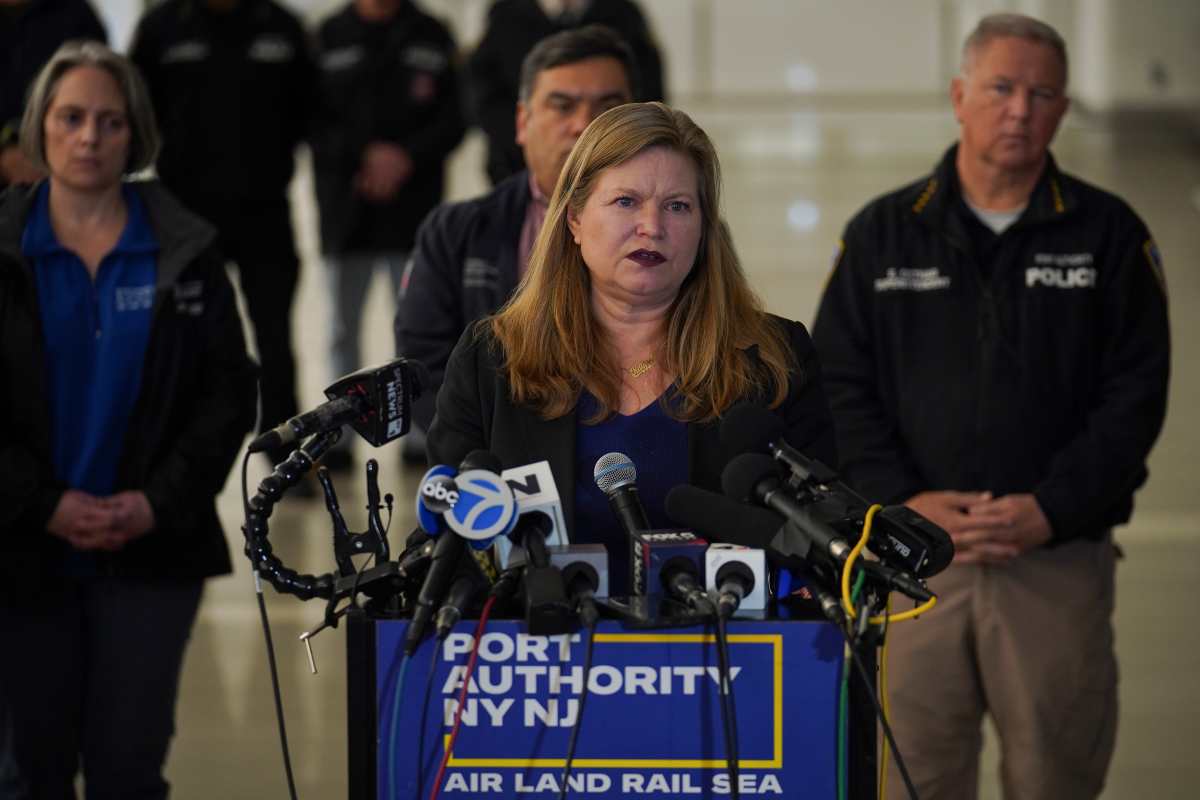
“Anytime anyone is moving on any of our runways or taxiways, they have to get clearance from the tower to move,” she said.
While Garcia did not directly attribute blame, she reiterated that operational decisions regarding aircraft and vehicle movement rested with air traffic control.