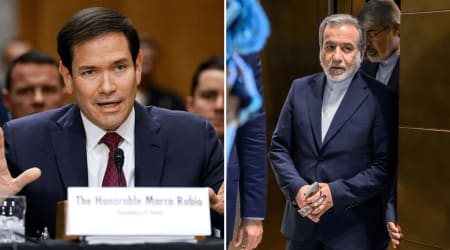
Left out of the room Netanyahu presses Trump team on what Iran is being offered
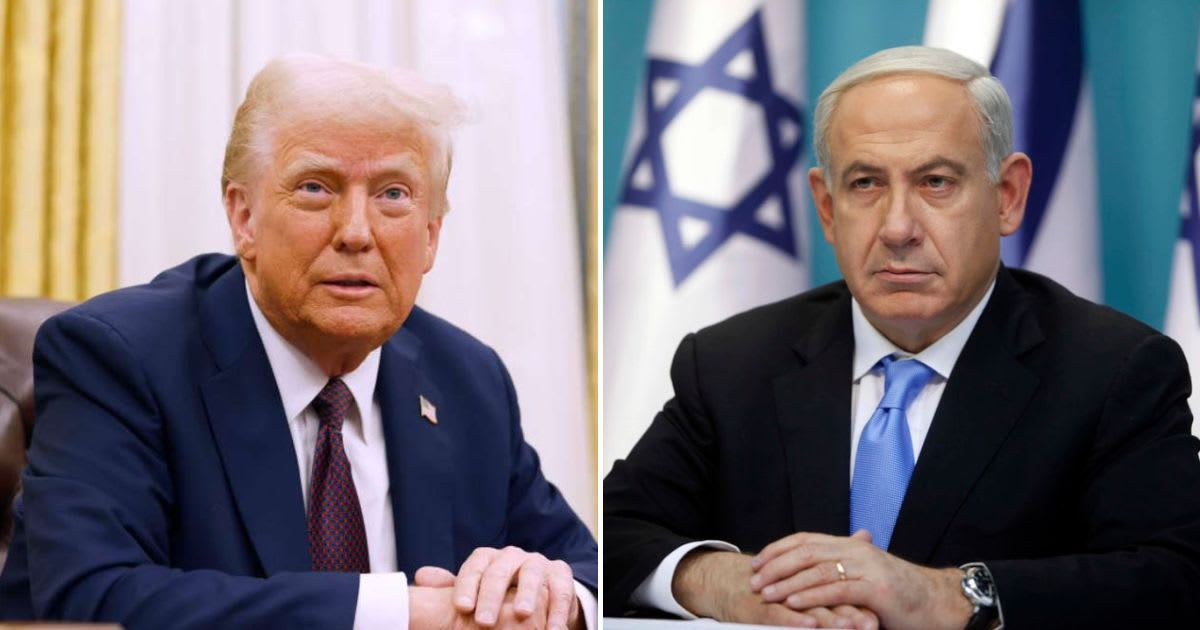
Benjamin Netanyahu held regular talks with senior Washington officials to track negotiations, though specific US contacts remained undisclosed
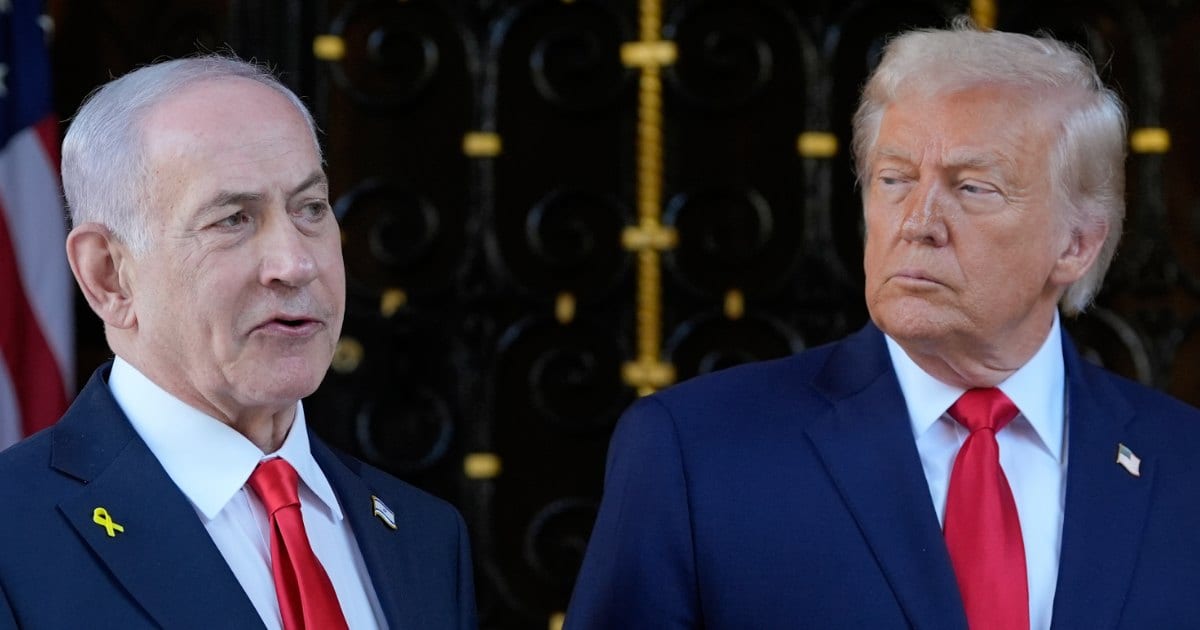
Israeli Prime Minister Benjamin Netanyahu and President Donald Trump confer to clarify the status and terms of ongoing negotiations (Getty Images)

JERUSALEM, ISRAEL: Benjamin Netanyahu is holding discussions with officials from the administration of Donald Trump to better understand the latest developments in ongoing negotiations between the United States and Iran, according to a source familiar with the matter.

The talks on Wednesday, May 6, are aimed at gaining clarity on the current state of the negotiations and the specific terms under consideration, particularly as diplomatic efforts intensify.

JERUSALEM, ISRAEL - MAY 23:  (ISRAEL OUT) In this handout photo provided by the Israel Government Pr
In this handout photo provided by the Israel Government Press Office (GPO), Israeli Prime Minister Benjamin Netanyahu speaks with President Donald Trump prior to the president's departure from Ben Gurion International Airport in Tel Aviv on May 23, 2017, in Jerusalem, Israel (Kobi Gideon/GPO via Getty Images)

Israel wary of last-minute US concessions to Tehran

Israeli officials are increasingly concerned that Washington could make last-minute concessions to Tehran in an effort to secure a broader agreement.

Such potential compromises, the source indicated, could have significant implications for Israel’s security posture and its long-term strategic calculations in the region.

At the heart of Israel’s concerns is the possibility of the United States easing economic sanctions on Iran as part of a negotiated settlement.

Israeli officials are also pushing for any agreement to include strict limitations on Iran’s regional proxy network as well as its ballistic missile program, both seen by Israel as direct and evolving threats.
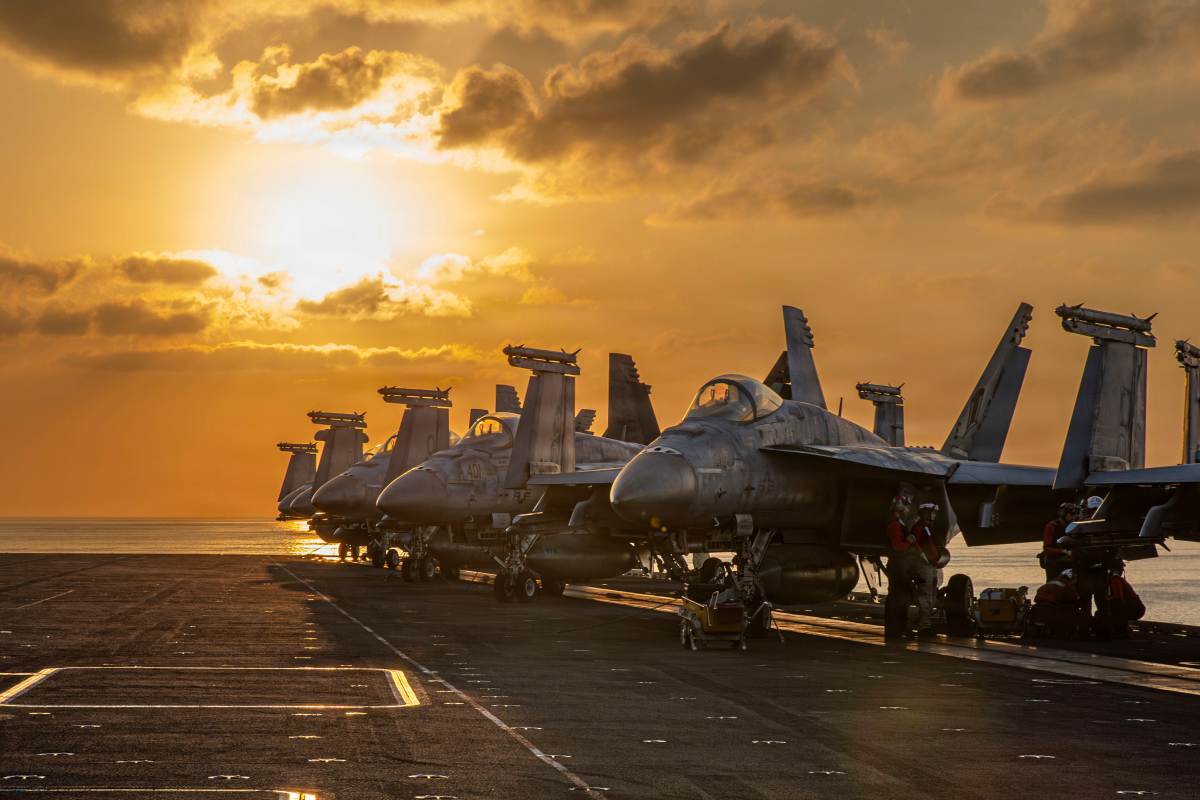
This image provided by U.S. Central Command shows aircraft on the flight deck of the USS Abraham Lincoln (CVN 72) that are operating in support of the war in Iran, on Tuesday, March 3, 2026. (U.S. Navy via AP)
This image provided by US Central Command shows aircraft on the flight deck of the USS Abraham Lincoln (CVN 72) that are operating in support of the war in Iran, on Tuesday, March 3, 2026 (US Navy via AP)

Ongoing consultations underline strategic coordination

While it remains unclear which specific US officials Netanyahu has engaged with, a US official confirmed that the Israeli prime minister has been in regular contact with senior figures in Washington to stay updated on the progress of the talks. The White House has not publicly commented on the latest round of discussions.

Israel is also seeking assurances that any diplomatic deal will preserve its military freedom of action, allowing it to respond independently to threats across the region, highlighting the close yet cautious coordination between the two allies as negotiations continue.
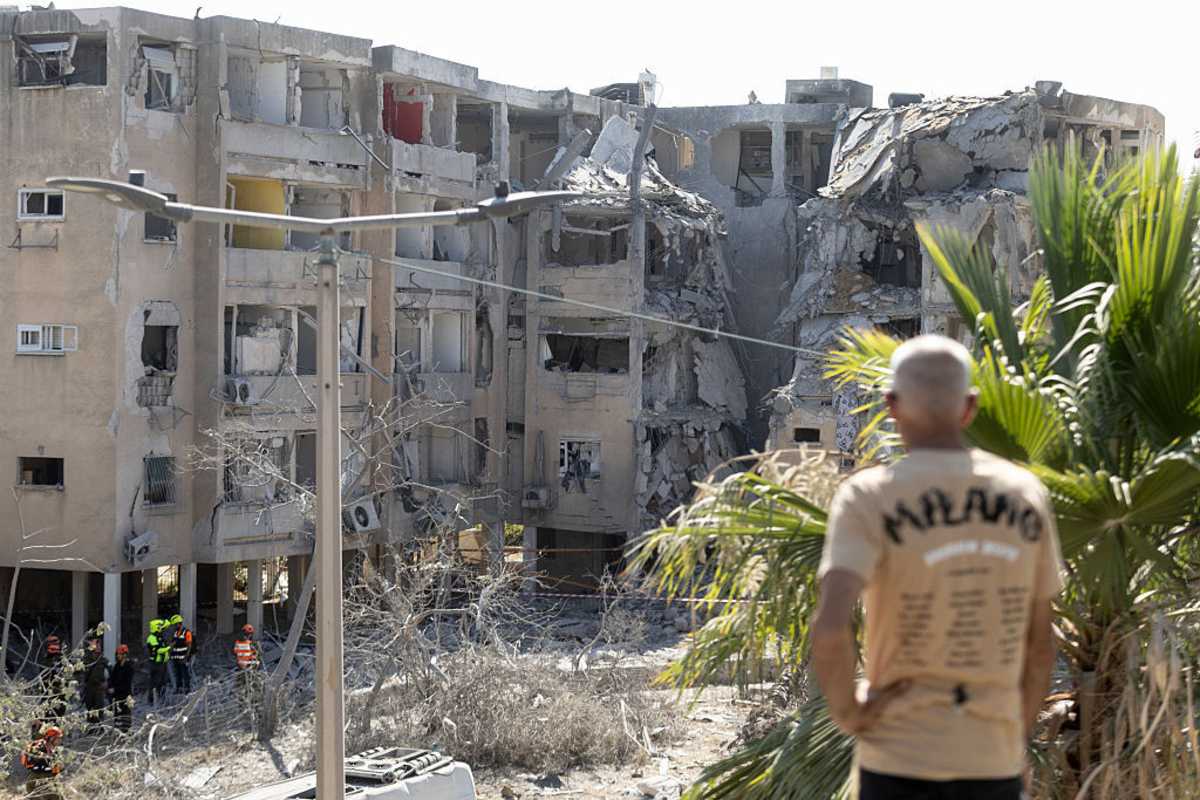
A man looks at the ruins of a building after an Iranian missile strike on June 19, 2025 in Holon, Israel. Iran launched a retaliatory missile strike on Israel starting late on June 13, after a series of Israeli airstrikes earlier in the day targeted Iranian military and nuclear sites, as well as top military officials. (Photo by Amir Levy/Getty Images)
A man looks at the ruins of a building after an Iranian missile strike on June 19, 2025, in Holon, Israel (Amir Levy/Getty Images)

Officials familiar with the discussions said Israel’s outreach reflects heightened concern over the direction of US diplomacy with Iran. As negotiations appear to be entering a crucial phase, Israeli leadership is keen to avoid strategic surprises that could alter the regional balance.

Analysts note that previous agreements have triggered similar anxieties in Israel, particularly over enforcement mechanisms and verification.

JERUSALEM, ISRAEL - NOVEMBER 21: (ISRAEL OUT) Prime Minister Benjamin Netanyahu looks on during a jo
Prime Minister Benjamin Netanyahu looks on during a joint press conference with Foreign Minister Avigdor Liberman and Defence Minister Ehud Barak on November 21, 2012, in Jerusalem, Israel (Lior Mizrahi/Getty Images)

The current engagement points to a broader effort by Israel to remain closely aligned with Washington while also safeguarding its independent security priorities. The outcome of these talks could significantly shape the next phase of regional geopolitics and military posturing.
RELATED TOPICS US STRIKES IRAN

GET BREAKING U.S. NEWS & POLITICAL UPDATES
STRAIGHT TO YOUR INBOX.

MORE STORIES

Tehran said Washington's demands were excessive, while the White House reviewed a proposed agreement that could have extended a fragile ceasefire
8 hours ago
'The era of the United States subsidizing the defense of wealthy nations is over. We need partners, not protectorates', Pete Hegseth said
9 hours ago
Defense chief says Iran talks favor US, warns forces remain strike-ready
9 hours ago
By choosing a stage in Asia to pressure European allies, Hegseth appeared to send a broader message about US strategic priorities
16 hours ago
Ebrahim Rezaei said cargo lines were coordinating with IRGC coastal monitors to secure safe passage through the Persian Gulf
1 day ago
Iran's speaker challenges US leverage before the projected two-month armistice deal
1 day ago
Kuwait intercepted an Iranian missile aimed at a US air base after American strikes near Hormuz, heightening fears of escalation
2 days ago
Bandar Abbas’ location near the Strait of Hormuz makes the US-Iran confrontation critical for global oil markets and regional security
2 days ago
Tehran releases a provocative 14-point draft treaty demanding massive financial assets
3 days ago
Tehran signaled a major escalation by executing an alleged operative called Gholamreza Khani Shakarab and threatening full retaliation for US actions
4 days ago