Official says Secret Service ‘stretched thin’ as WHCD scare renews scrutiny into staffing crisis
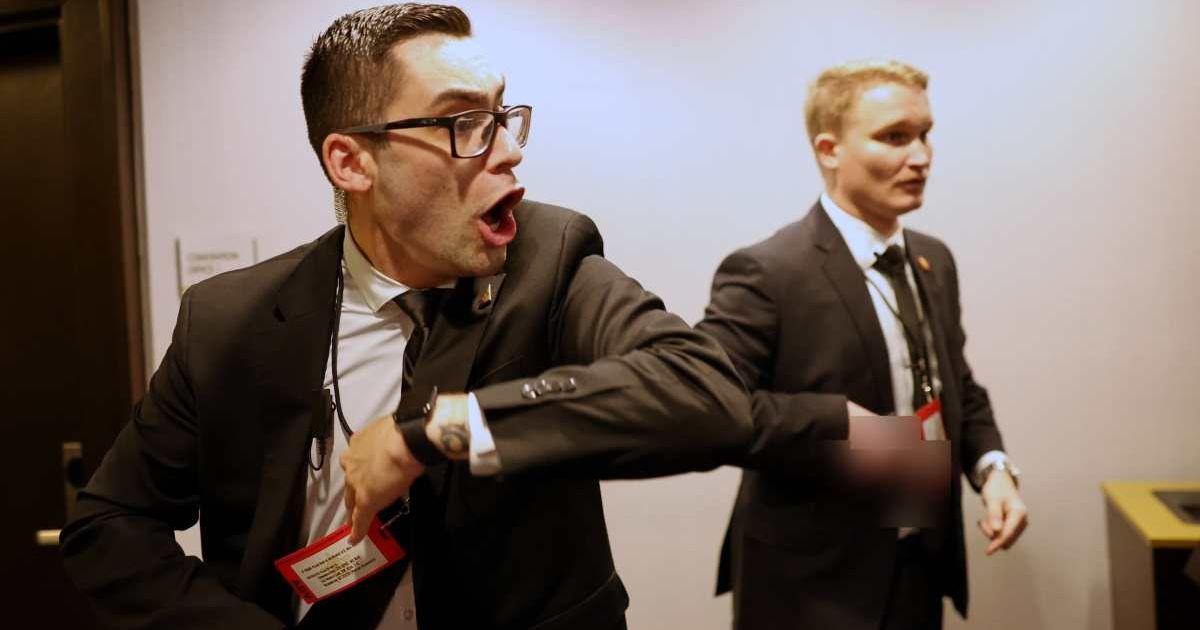
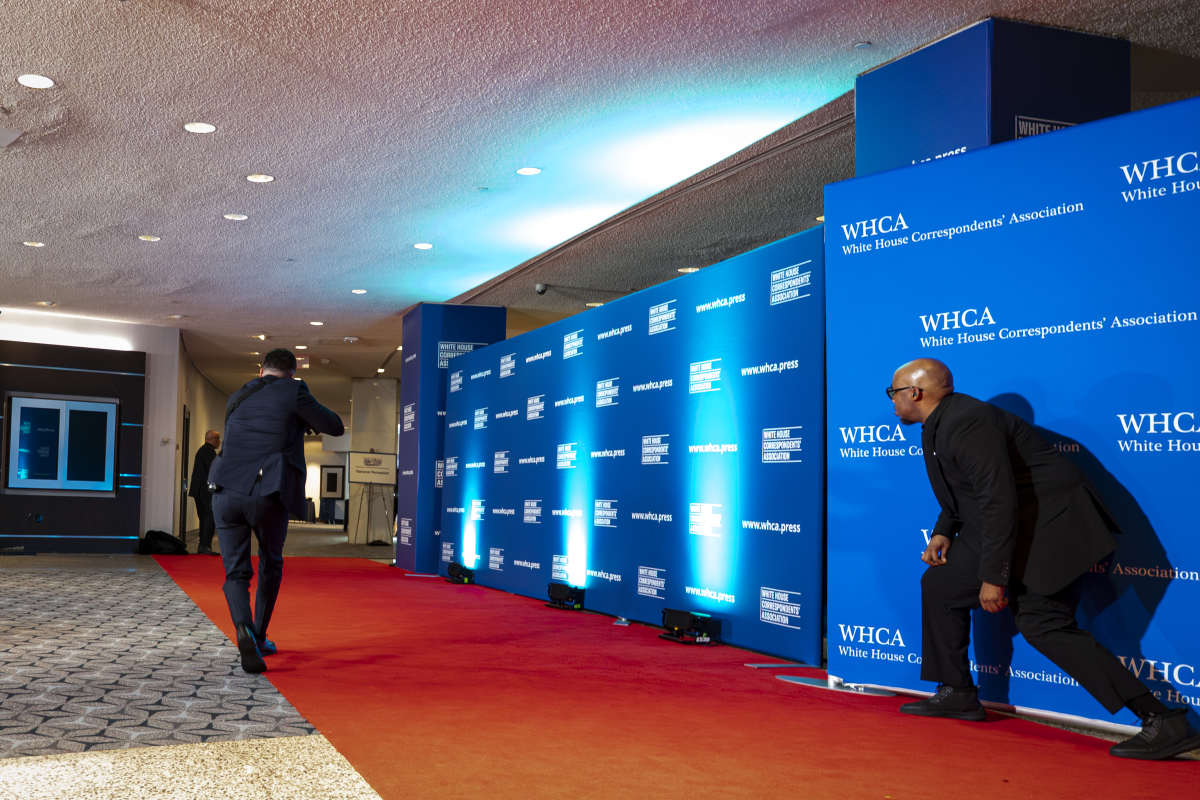
WASHINGTON, DC: The United States Secret Service is facing intense scrutiny following a security breach at White House Correspondents’ Dinner, where a gunman sprinted through a checkpoint.
Despite the suspect being apprehended, the incident has raised serious concerns about staffing shortages, agent burnout, and whether the security perimeter was large enough to protect the president and his Cabinet.

Secret Service under fire after WHCD breach
Critics and law enforcement experts told CNN that the incident at the Washington Hilton revealed vulnerabilities in how the agency handles high-profile events.
Rep Mike Lawler told CNN that the security presence was "woefully insufficient" for an event where the president, vice president, and most of the Cabinet were gathered.
While Lawler acknowledged that agents did their jobs once they encountered the intruder, he argued, “It shouldn’t even have come to that. He shouldn’t have been anywhere in that vicinity to begin with.”
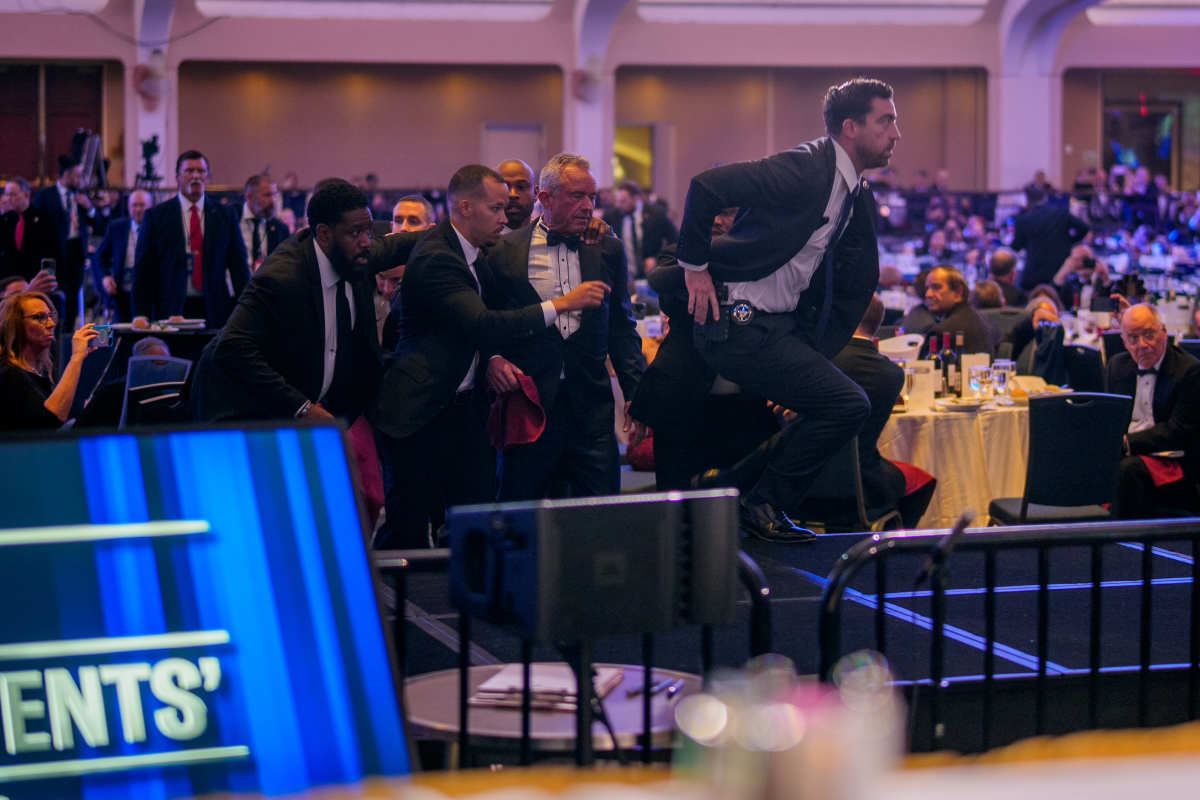
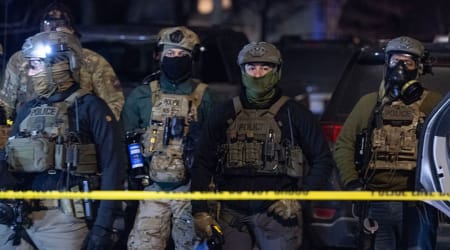
Sources familiar with the agency’s operations explained that the security perimeter wasn't pushed further out because the agency is too short-staffed to cover more ground.
This has led to internal frustration, with one source involved in protective operations telling CNN, “We were crucified after Butler, yet saw no real significant increase in personnel to help do the job.”
Officials defend Secret Service after WHCD breach
In the face of this scrutiny, top administration officials are publicly insisting that the protective system worked exactly as it should.
Acting Attorney General Todd Blanche told CNN’s Dana Bash that the response was a "massive security success story," emphasizing that the gunman was immediately subdued.
Secret Service Director Sean Curran also stood by his team during congressional briefings, telling reporters he was "very confident" in the agency.
When asked why the security boundary wasn't larger, Curran declined to give specifics, stating, “There’s a reason, but I’m not going to get into that. It’s classified.”
Secret Service strain exposes training gaps, agent burnout
The root of the problem, according to current and former officials, is an agency that has been "stretched thin" for years.
CNN analyst and former agent Jonathan Wackrow pointed out that instead of hiring more Secret Service agents after the 2024 attempt in Butler, the administration focused on training ICE agents for deportation efforts.
Furthermore, one high-ranking former official explained, “We have limited resources, and we use them as best we can. The reality is we are stretched thin, and the agency is constantly playing catch up.”
This strain is taking a personal toll on agents, who face hectic schedules and heavy overtime.
One agent admitted to CNN that the job is causing major problems at home, saying, “I love the job, but my family wants me to quit.”