Old video resurfaces of El-Sayed telling GOP rival: ‘Muslims definitely hate you’
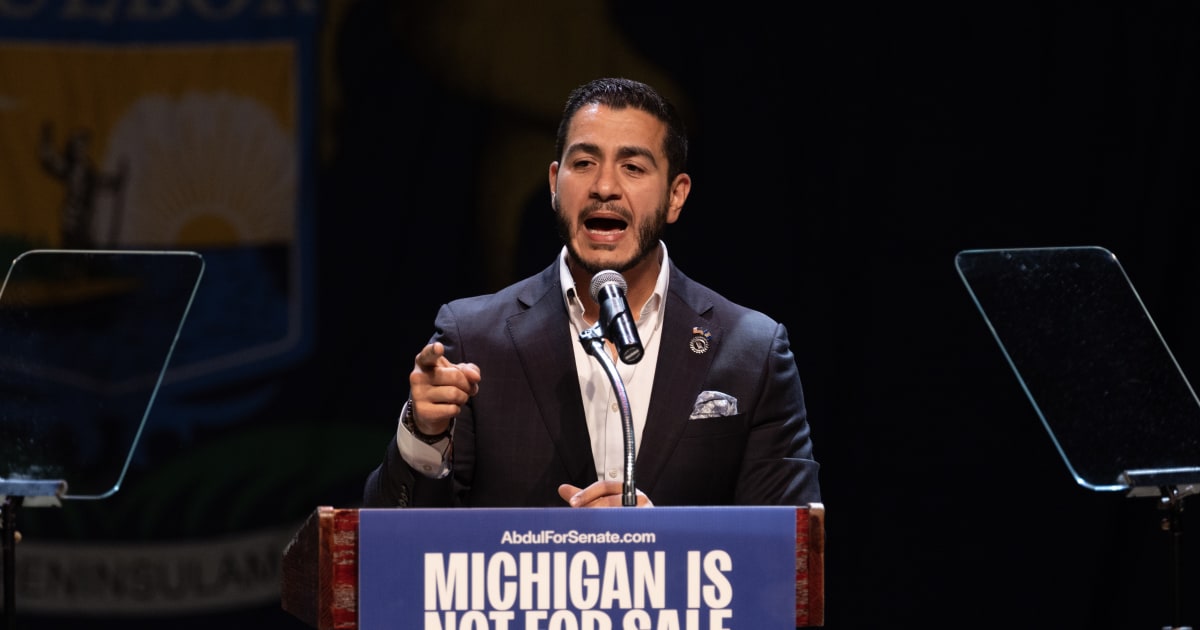
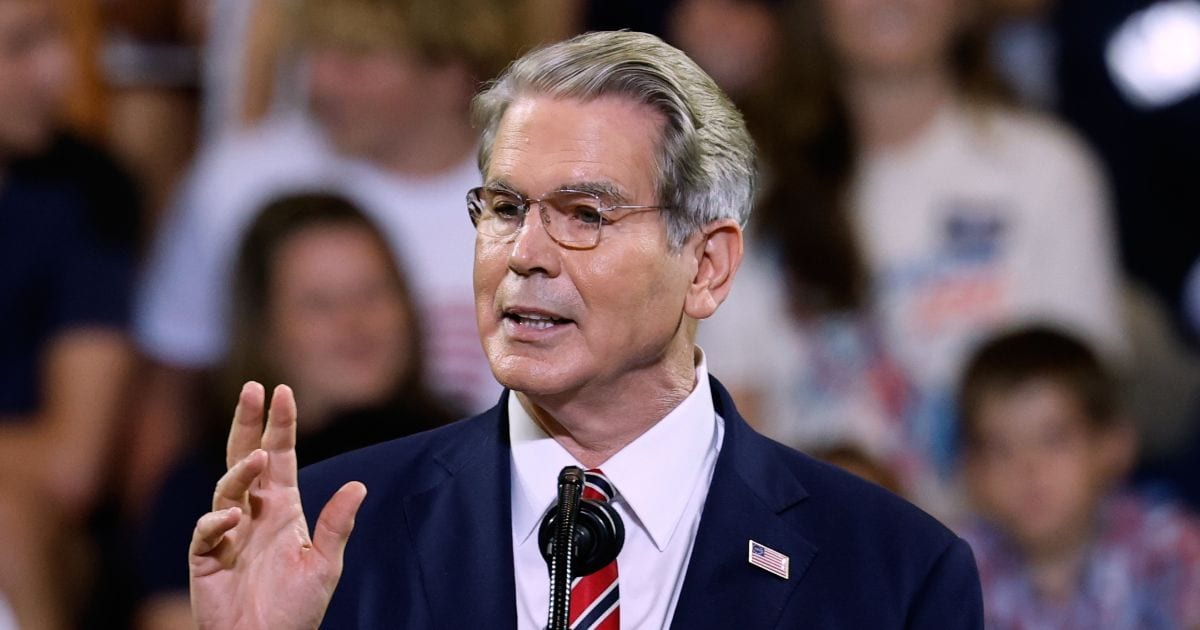
WASHINGTON, DC: A resurfaced clip from a 2018 Michigan gubernatorial forum shows Democratic Senate nominee Abdul El-Sayed firing back at then-rival Patrick Colbeck after Colbeck questioned his religious affiliations and raised concerns about possible ties to the Muslim Brotherhood.
During the panel, Colbeck alleged that El-Sayed had ties to the Muslim Students Association (MSA) and raised questions about possible Muslim Brotherhood links.
Why Patrick Colbeck questioned Abdul El-Sayed’s faith ties
El-Sayed served as the vice president of the MSA chapter at the University of Michigan during his time there as a senior in 2007, according to College Fix.
Abdul El-Sayed: "You may not hate Muslims, but Muslims definitely hate you.” pic.twitter.com/tculfUQA0A
— DSA Watch (@DSA_Watch) July 3, 2026
"This is very serious stuff, guys. This is about civilization jihad," Colbeck said.
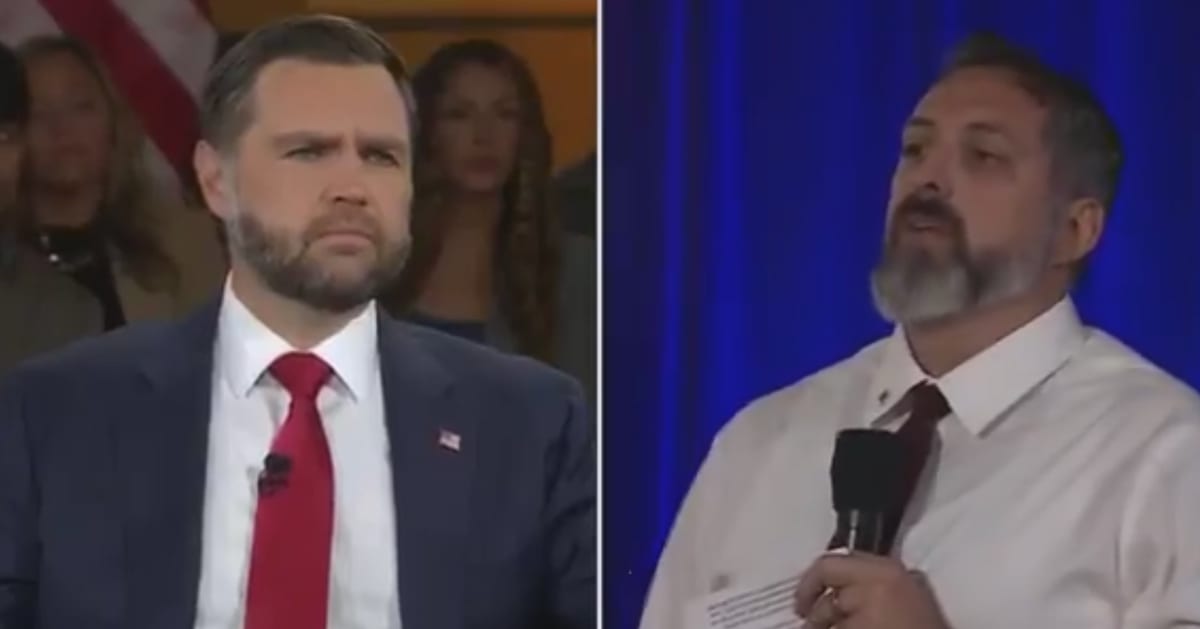
Colbeck’s comments prompted the moderator at the 2018 panel to direct a question to El-Sayed directly.
"Is Sharia Law instituted here in the state of Michigan a real concern?" the moderator asked.
El-Sayed took the moment to rebuff Colbeck, stating that he would, if elected, swear an oath to uphold the law of the land and not look to subvert it.
"I solemnly swear to uphold the Constitution of the United States and the Constitution of this state, that’s the oath that if any one of us is elected, we will swear. I take that oath particularly seriously because it guarantees me the right to pray as I choose to pray," El-Sayed said at the time.
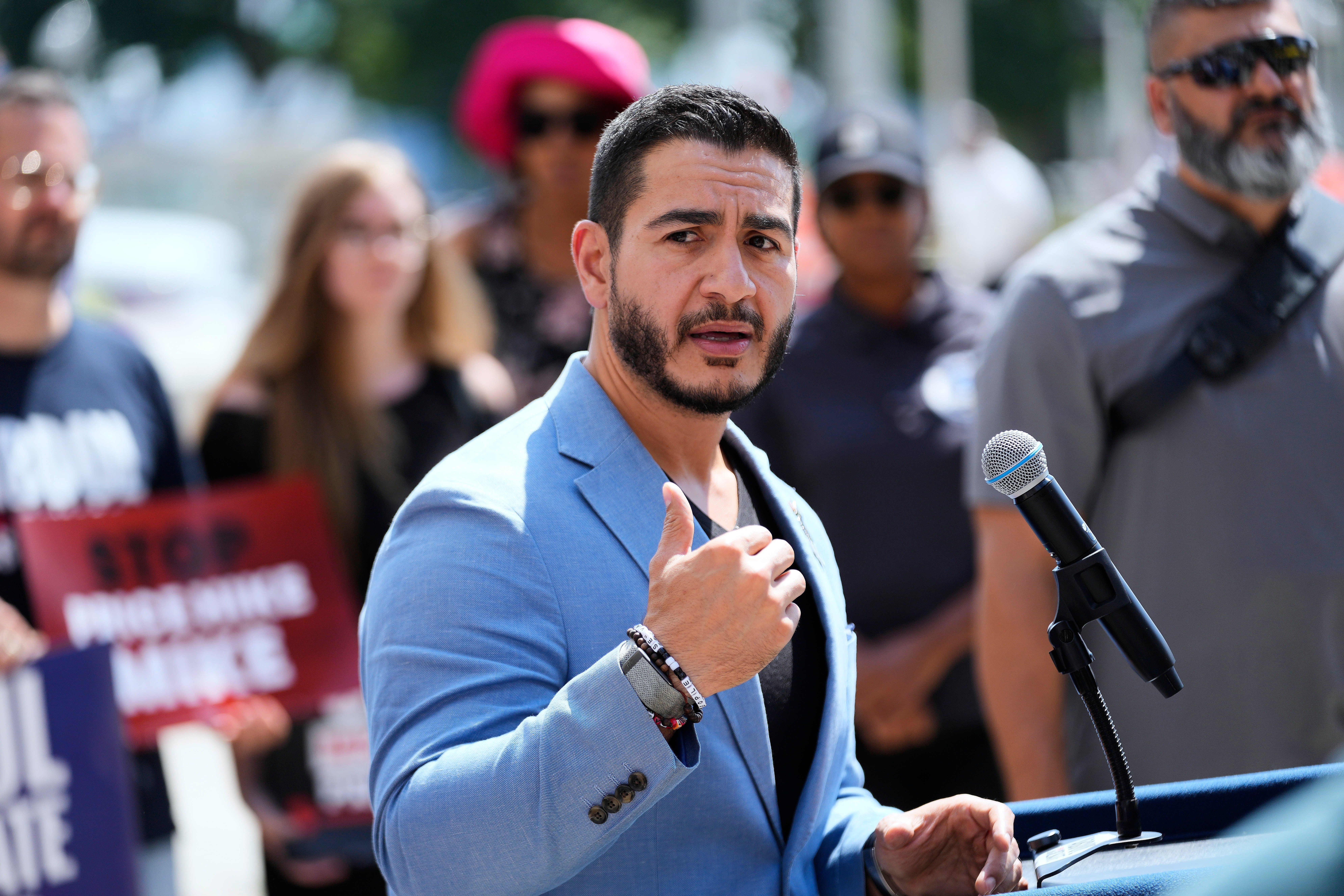
Abdul El-Sayed’s response on Sharia law
"Sharia law is not in question in this state."
"Now, you may not hate Muslims. But I’ll tell you, Muslims definitely hate you," El-Sayed said at a 2018 Michigan gubernatorial forum.
"Abdul believes in the separation of church and state. While he personally lives by the rules of his faith, as many Americans of various faiths do, Abdul opposes any effort by any religious community to write their faith laws into the laws of our country," the El-Sayed campaign told the Washington Free Beacon earlier this year.
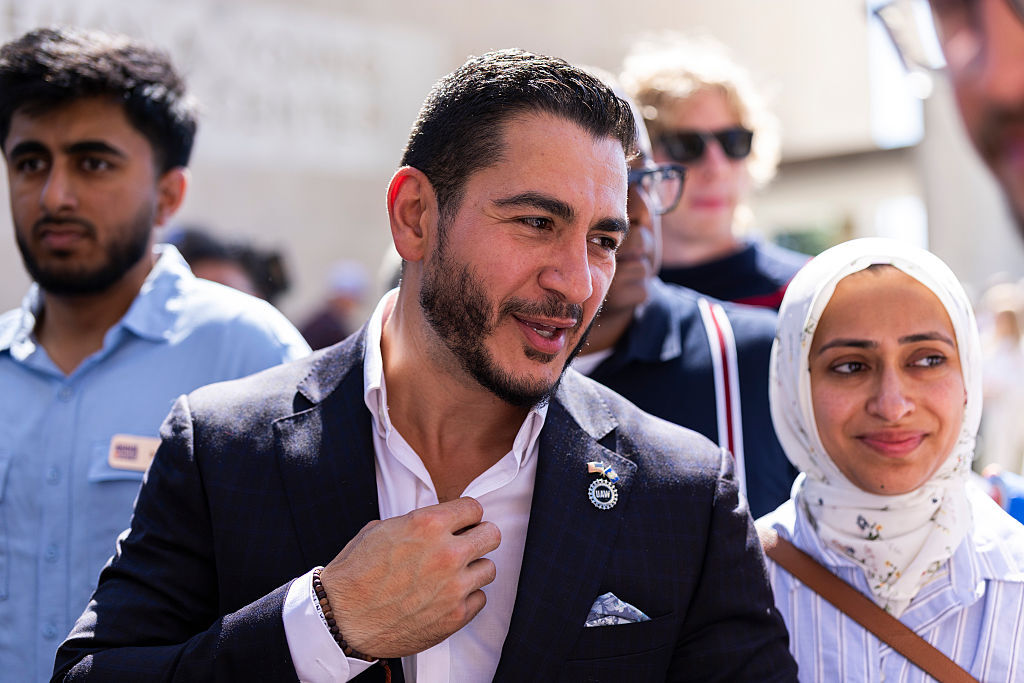
This conversation ties into a bigger debate happening nationally; lawmakers like Rep. Chip Roy of Texas have argued that the spread of Sharia law poses a threat to US constitutional principles.
"America is facing a threat that directly attacks our Constitution and our Western values: the spread of Sharia law," Roy said in a 2025 press release.
In October 2025, Roy introduced the Preserving a Sharia-Free America Act, which would deny visas, entry and other immigration benefits to foreign nationals who adhere to Sharia law. Roy had described the spread of Sharia law as an “existential threat” and argued that it was incompatible with the US Constitution.
Roy later led a House Judiciary subcommittee hearing in February 2026 examining what Republicans on the panel described as conflicts between political Islam, Sharia law and the US Constitution.