US proposed Ukraine join NATO in exchange for surrendering Donbas territory to Russia: Zelensky
WASHINGTON, DC: Washington has put forward an unprecedented proposal in its latest push to broker a ceasefire between Ukraine and Russia.
Ukrainian President Volodymyr Zelensky has revealed that US negotiators have floated the idea of his country surrendering its remaining territory in the war-ravaged Donbas region to Russia in exchange for Nato membership.
80% of Donetsk and nearly all of Luhansk, the two mineral-rich eastern Ukrainian provinces that make up the Donbas is currently under Russia’s control, according to Nov. 11 estimates by the US-based Institute for the Study of War.
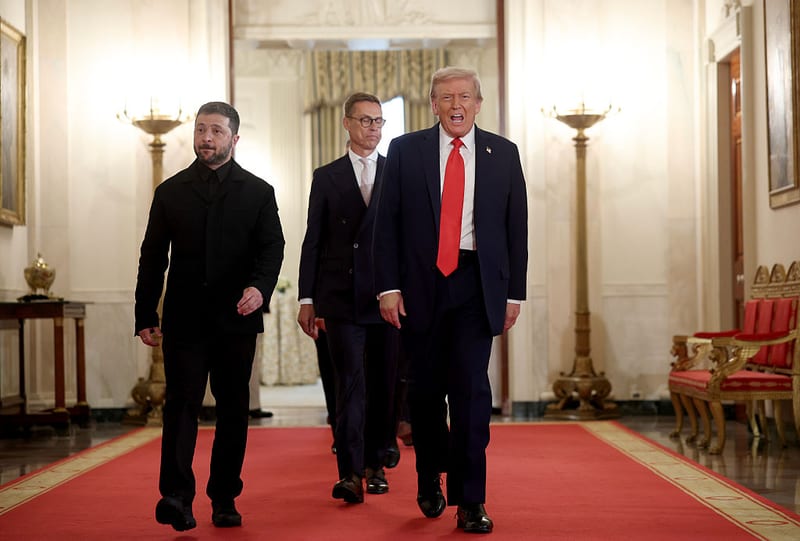
The Trump administration has long included Ukraine's withdrawal from Donbas in its proposed terms for ending the war, including the 28-point peace plan put forward by the White House in November 2025.
Russian President Vladimir Putin, meanwhile, has repeatedly demanded that Kyiv abandon its NATO ambitions and agree to strict limits on the size of its military.
Zelenskyy said he was discussing a “comprehensive security package”
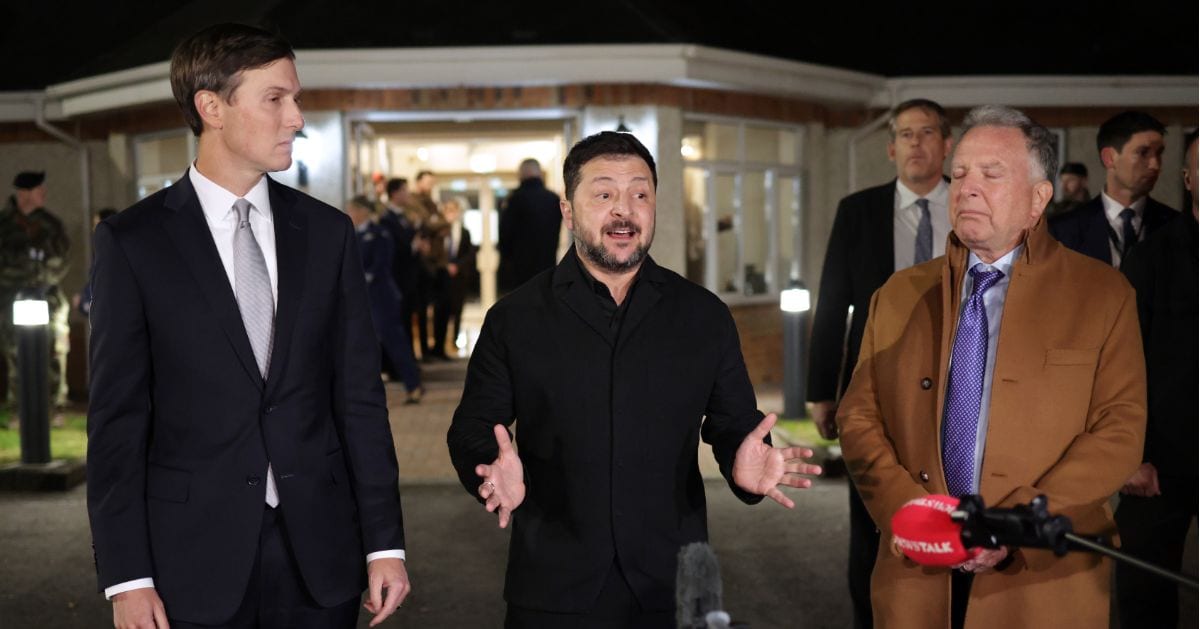
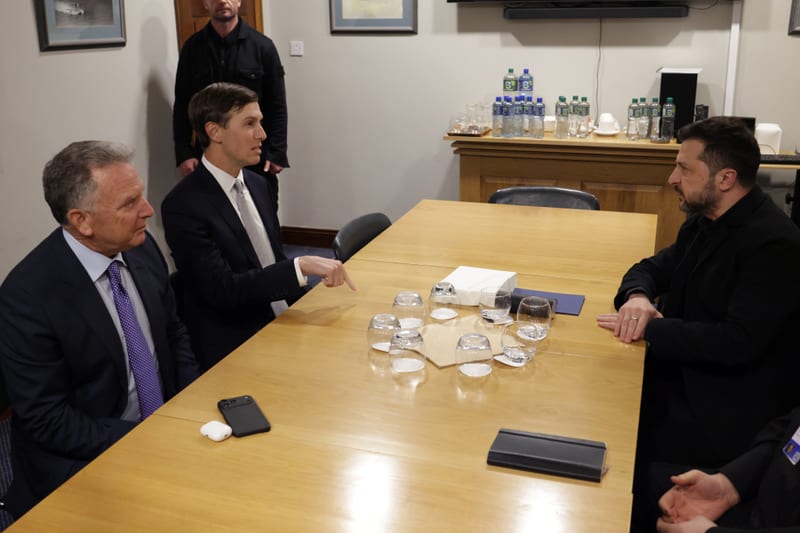
Speaking with reporters on Friday, November 14, a day after he met with US envoys Steve Witkoff and Jared Kushner in Dublin, Zelensky noted that US negotiators had put the question and that it was the “first time” such a proposal had been raised.
“The Americans raised a question: ‘What if Ukraine joins NATO? Would Ukraine withdraw from Donbas?’ This was the first time this had been raised,” said Zelensky.
“I have said repeatedly: Ukraine is not retreating and is not giving up its land to te**orists,” he added.
Zelenskyy said he was discussing a “comprehensive security package” with partners, which would include specific security guarantees from NATO and the EU, a well-equipped Ukrainian army with sufficient troops, weapons and financial support for a defined period, as well as a recovery plan backed by clear funding commitments.
“If the American side confirms precisely this to us, together with other NATO partners, then I will ask our Ukrainian society what it thinks: do we accept it or not? I have no right to make that decision on my own,” Zelenskyy said. "Of course, this would be without any recognition of the occupied territories as Russian," he added.
“But we need specifics, and we don't have them yet. All of this is still under discussion.”
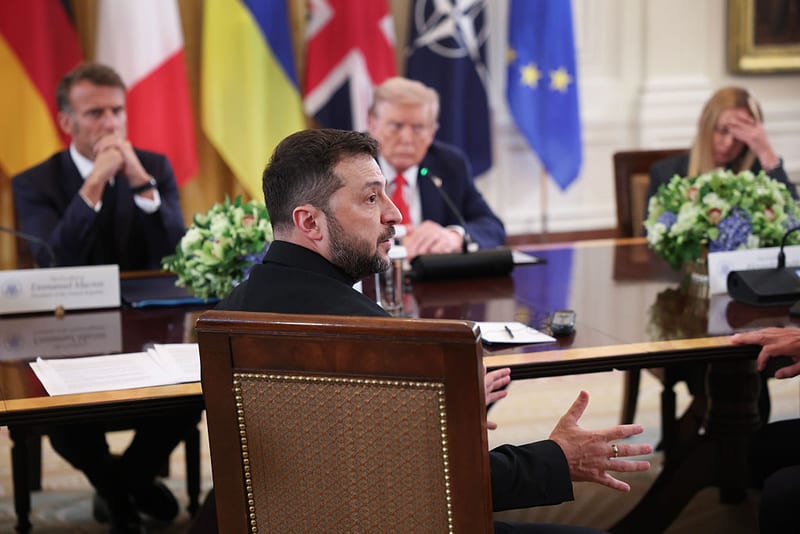
US tries to broker ceasefire between Ukraine and Russia
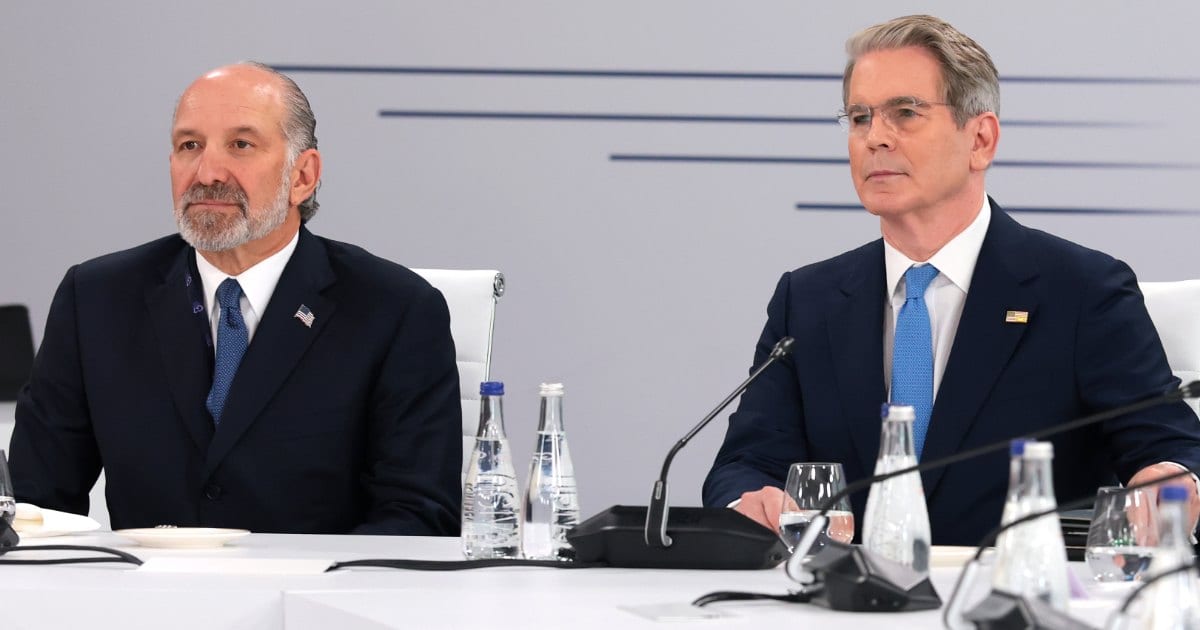
Zelensky’s comments came a day after Trump administration envoys US President Donald Trump’s son-in-law Jared Kushner and Middle East envoy Steve Witkoff travelled to the Irish capital, Dublin, on Thursday to meet Zelensky, after a round of talks with Putin in Moscow.
Comments from Putin and other Kremlin officials indicate that Russia has not changed its position on the war. Moscow has previously demanded restrictions on the size of Ukraine's military, territorial concessions and a commitment from Kyiv to remain neutral as conditions for a peace agreement.
Ukraine has rejected these demands, arguing that such restrictions would undermine its ability to defend itself against any future invasion.
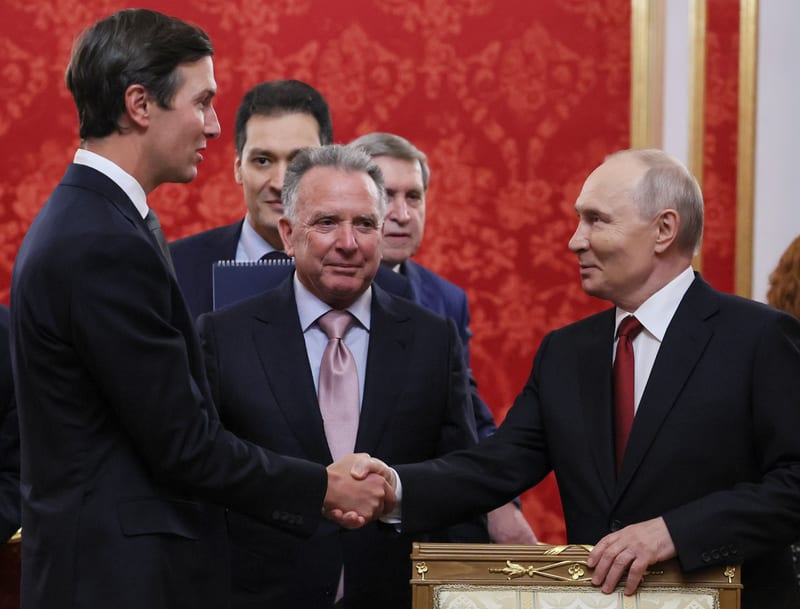
Several NATO members, apart from the US, remain hesitant about admitting Ukraine into the alliance. Kyiv, too, is understood to consider membership an unrealistic prospect under the current circumstances.
The Kremlin has also consistently opposed Ukraine joining NATO, with the issue being one of the reasons Russia cited for launching its invasion.
Hours after Zelenskyy's remarks, Jared Kushner appeared to play down the possibility of a US offer of NATO membership for Ukraine, calling for "confidentiality" during what he described as a sensitive negotiating process.
He said reports had highlighted "maximalist" proposals emerging from the talks, alongside "strong political rhetoric".
In remarks that appeared to be directed at Kyiv, Kushner referred to "private discussions" focused on exploring new ideas to end what he called a "horrible war".
He added that the hope was for these discussions to produce fresh proposals or pave the way for potential breakthroughs.