Pentagon cuts recognized military faiths from 200+ to 31 under Hegseth policy
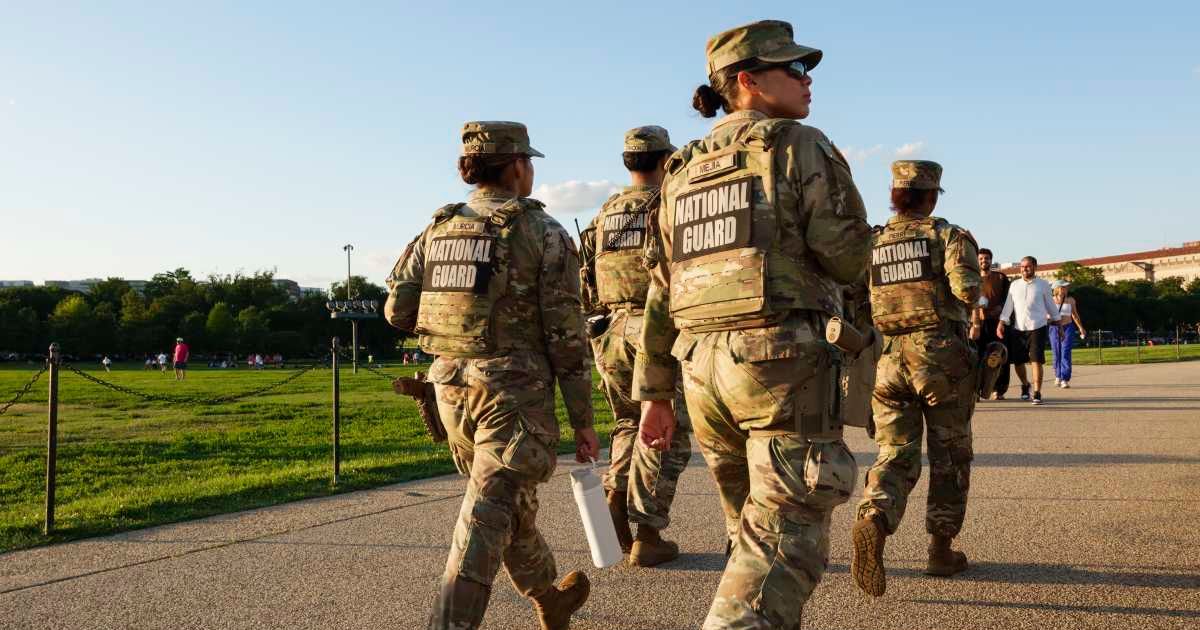
NEW YORK CITY, NEW YORK: The Pentagon has reduced the number of faiths recognized in its military religious classification system from more than 200 to 31, implementing a policy change previously announced by War Secretary Pete Hegseth.
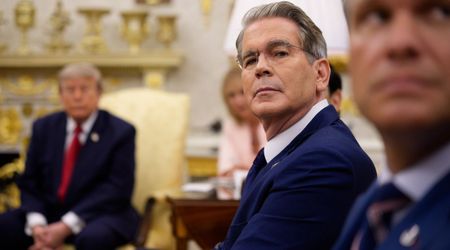
The move, formalized through a June 4 memo from Undersecretary of Defense Anthony Tata, is aimed at simplifying how the military records service members' religious preferences and improving the delivery of chaplain support, according to Military.com.
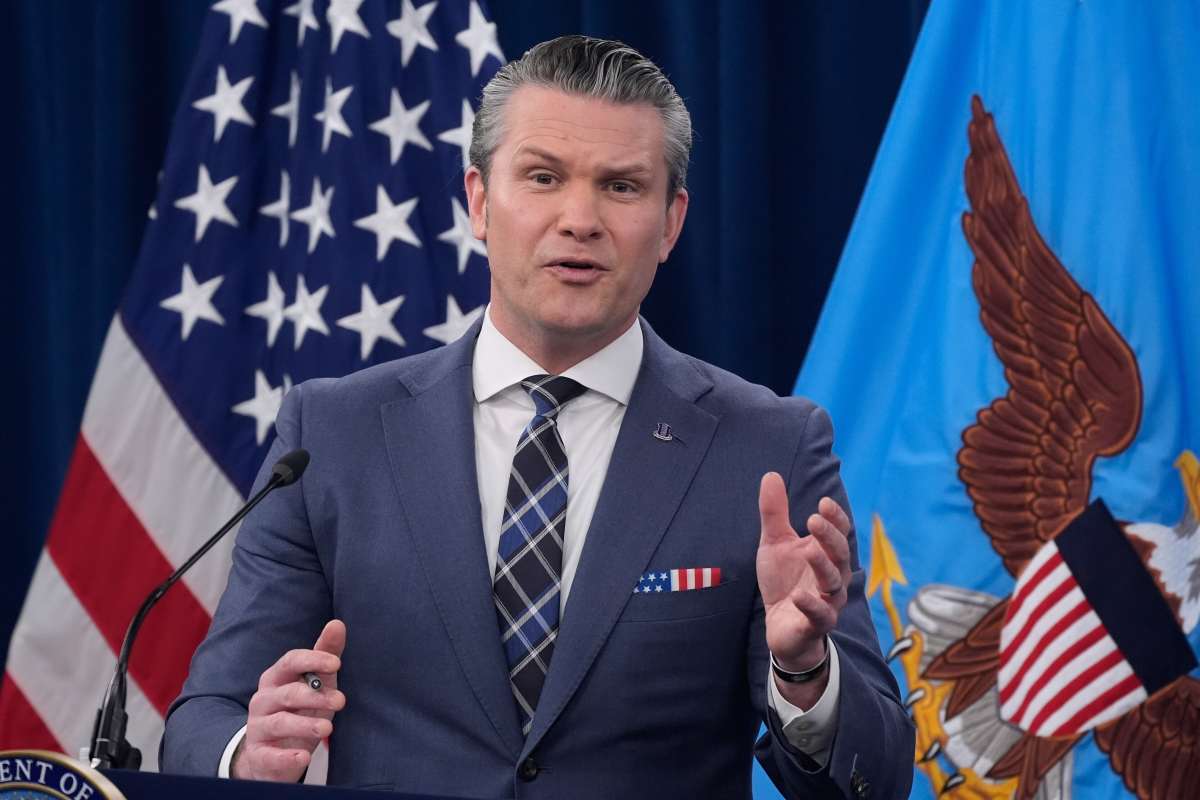
Faith list reduced
The Department of War's previous system allowed service members to identify with more than 200 faith codes through the US Military Chaplain Corps. Under the new policy, only 31 faith categories will remain on the official list.
According to Tata's memo, the change will "streamline the DoW collection of religious preferences for service members to enhance the delivery of targeted religious support from the Chaplaincy."
"The new list will provide chaplains with clear, readily available information that will better enable them to anticipate the religious support needs of service members and to provide religious support activities that align with service members’ personal faith and practices," he added.
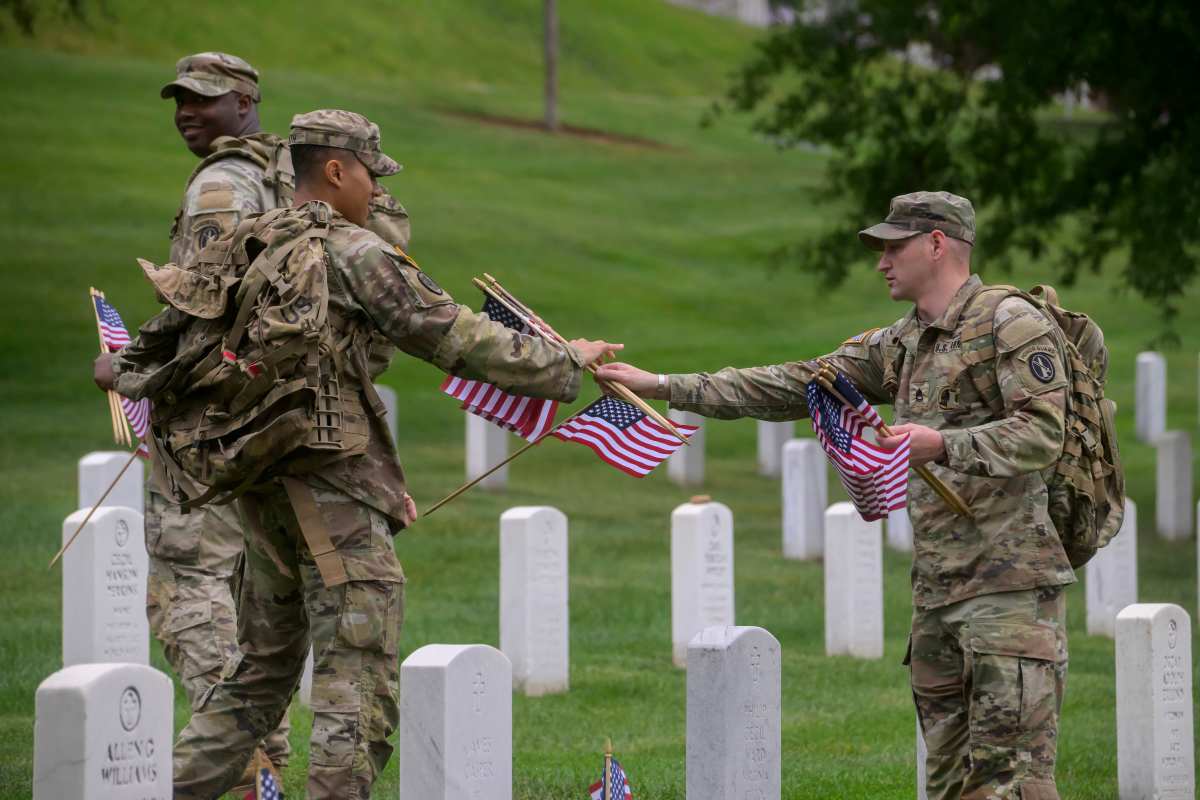
The revised list includes Agnostics, Buddhists, Hindus, Muslims, Jews, Sikhs, and several major Christian denominations, such as Baptists, Catholics, Lutherans, and Methodists, according to Military.com.
The Pentagon has not indicated that service members belonging to faiths removed from the list will lose the ability to practice their religion. The change applies to administrative classification codes used by the military.
Pete Hegseth defends move
Pete Hegseth first announced plans to reduce the number of faith codes in March, arguing that the previous system had become difficult to manage.
"The previous system had ballooned to well over 200 faith codes.… It was impractical and unusable, and many codes were never used at all," Hegseth said.
He also noted that the majority of military personnel identified with only a few faith categories.
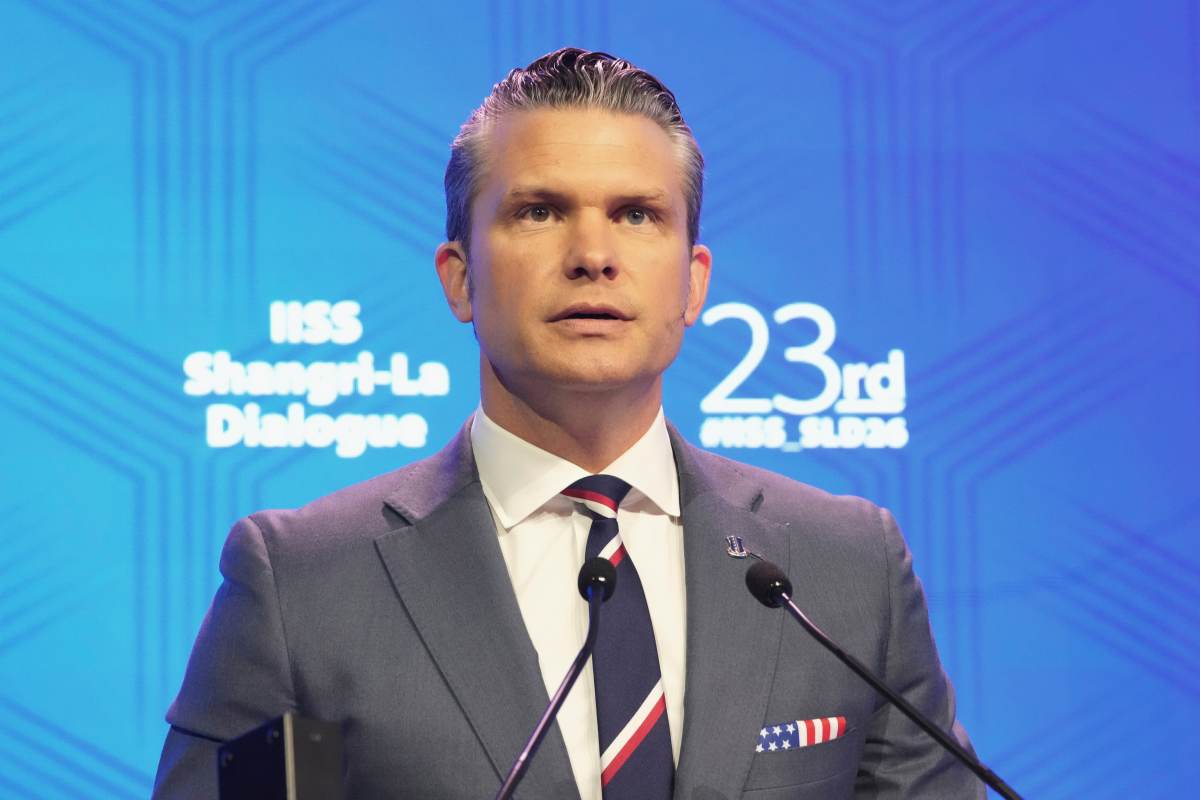
Alongside the revised faith code system, the Pentagon has directed military chaplains to display religious insignia instead of rank insignia on their uniforms.
"A chaplain is first and foremost a chaplain, and an officer second. This change is a visual representation of that fact," Hegseth said in a March statement.
"Specifically unique to the role of a chaplain, they are first and foremost called and ordained by God. And, while they will retain rank as an officer to those they serve, their rank will not be visible," he added.
The policy changes are part of a broader effort by Pentagon leadership to reshape the role and administration of military chaplaincy services across the armed forces.