Pete Hegseth warns Chuck Schumer, Mark Warner against delaying FISA Section 702 extension

WASHINGTON, DC: Defense Secretary Pete Hegseth on Sunday, June 7, called on Senate Democratic leaders Chuck Schumer and Mark Warner to support the reauthorization of Section 702 of the Foreign Intelligence Surveillance Act (FISA), arguing that allowing the authority to expire would weaken US national security.
His comments came as lawmakers remain deadlocked over extending the surveillance program ahead of its June 12 expiration date. The dispute follows the Senate’s failure to advance legislation that would renew the authority. Republican leaders have warned that a lapse could disrupt intelligence-gathering operations targeting foreign threats.
Pete Hegseth defends Section 702, calls for bipartisan action
In a statement posted on X, Hegseth described Section 702 as a critical tool used to identify and disrupt threats from foreign governments, extremist groups, cyber actors, and hostile intelligence services.
“America faces real threats from foreign adversaries, cyber actors, and hostile intelligence services. Section 702 remains one of our nation’s most effective tools for identifying and disrupting those threats before they reach our shores,” Hegseth wrote.
America faces real threats from foreign adversaries, terrorists, cyber actors, and hostile intelligence services. Section 702 remains one of our nation’s most effective tools for identifying and disrupting those threats before they reach our shores.
— Secretary of War Pete Hegseth (@SecWar) June 7, 2026
The bipartisan Senate… https://t.co/mdwuopfafF
He argued that the Senate’s bipartisan reauthorization proposal includes additional protections for civil liberties, including increased transparency, expanded congressional oversight, criminal penalties for misuse, and safeguards for Americans’ constitutional rights.
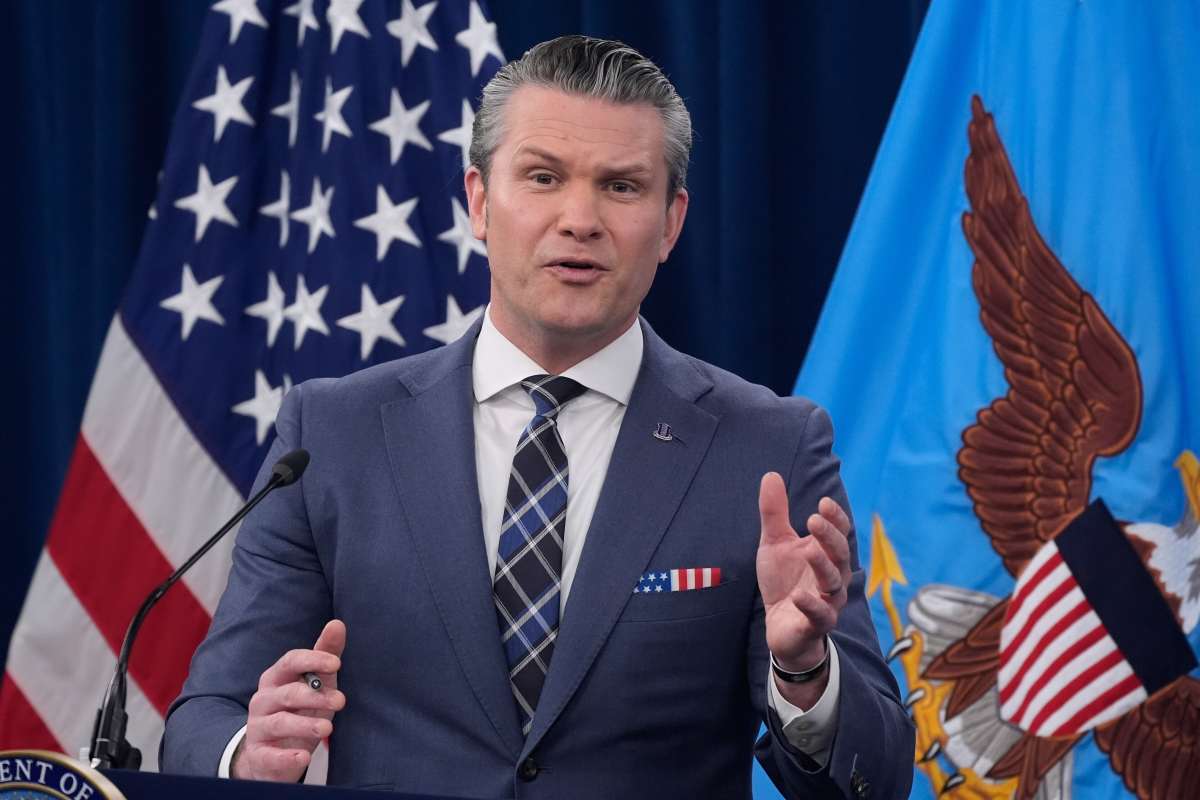
Hegseth also criticized Senate Democrats for blocking progress on the measure. “Democrats are choosing to halt action on reauthorization, undermining national security and putting politics ahead of the safety of the American people,” he wrote.
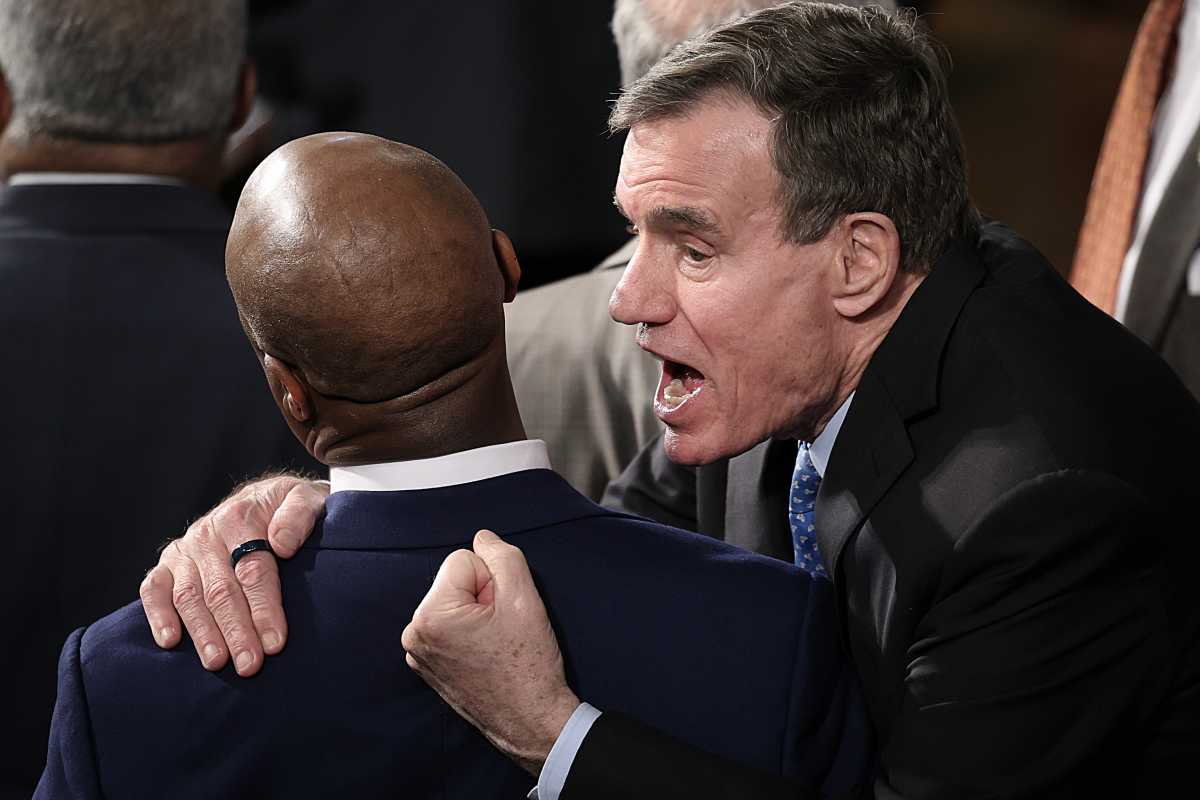
The defense secretary specifically called on Senate Minority Leader Chuck Schumer (D-NY) and Senate Intelligence Committee Vice Chairman Mark Warner (D-Va.) to work with Republicans to advance the legislation.

“We call on Senator Schumer and Senator Warner to bring Senate Democrats back to the table with Senate Republicans and pass this critical piece of legislation.”
Republican lawmakers warn of intelligence collection gap
Hegseth’s appeal follows a warning from Senate Intelligence Committee Chairman Tom Cotton (R-Ark) and Senate Judiciary Committee Chairman Chuck Grassley (R-Iowa), who wrote to Secretary of State Marco Rubio expressing concern about the consequences of a potential lapse.
The lawmakers urged the administration to identify intelligence priorities that could be affected and explore alternative “lawful and constitutional” methods of gathering information if Section 702 expires.
SCOOP — Sens. Cotton & Grassley ask Rubio to “plan for a potential significant gap in foreign intelligence collection” as Senate Dems block FISA 702 extension over Pulte appointment as acting DNI. Deadline is next Friday. pic.twitter.com/MPW42YfyGp
— Andrew Desiderio (@AndrewDesiderio) June 6, 2026
Section 702 allows intelligence agencies, including the FBI, CIA, and National Security Agency, to collect communications involving foreign targets located outside the United States without obtaining individual warrants. Supporters argue it is an essential national security tool, while critics have raised concerns about the incidental collection of communications involving Americans.
The Senate blocked a procedural vote on the reauthorization measure Friday by a 47-52 margin, preventing the legislation from advancing. The opposition included Democrats and several Republicans who objected to the surveillance authority on civil liberties grounds.
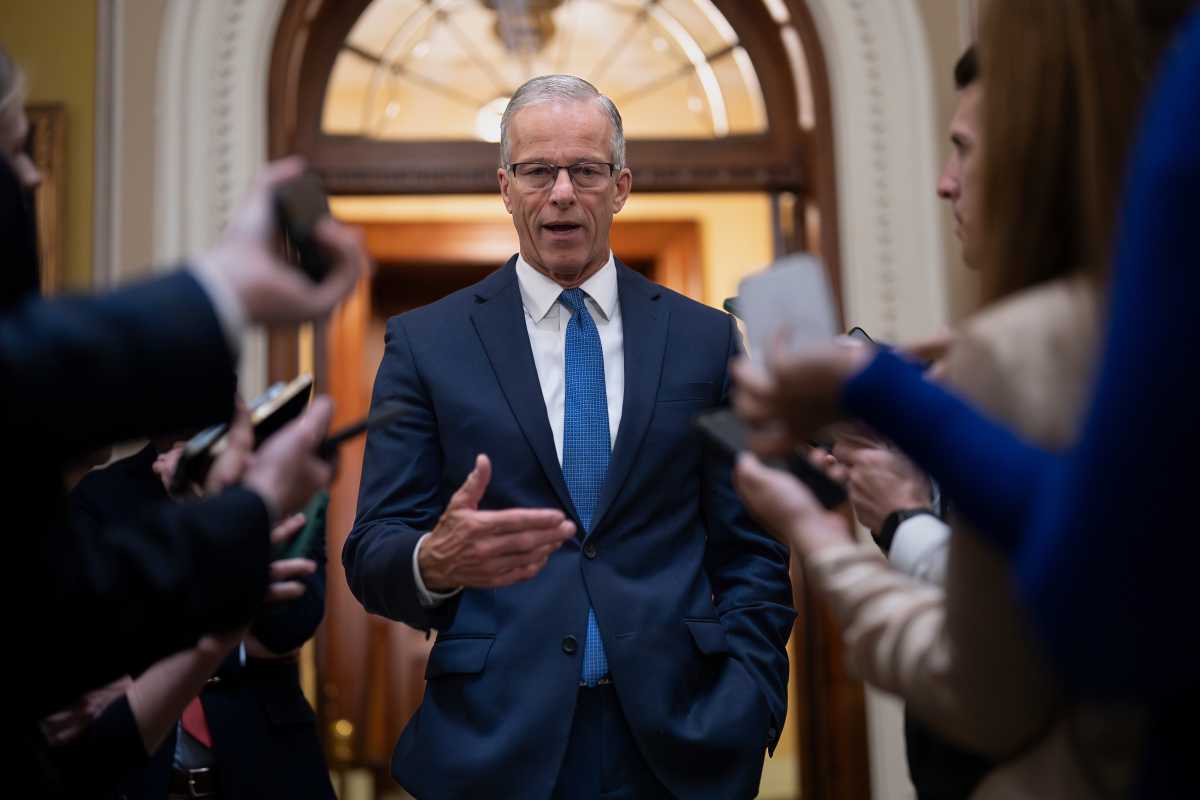
Meanwhile, Warner said concerns surrounding the appointment of Bill Pulte had contributed to Democratic opposition. Senate Majority Leader John Thune (R-SD) criticized the vote and indicated lawmakers would revisit the issue next week.