GOP senators urge Rubio to plan for ‘significant’ intelligence collection gap as FISA deadline nears

WASHINGTON, DC: Senate Intelligence Committee Chairman Tom Cotton (R-Arkansas) and Senate Judiciary Committee Chairman Chuck Grassley (R-Iowa) have warned Secretary of State Marco Rubio that the United States could face a significant disruption in foreign intelligence collection if Congress fails to extend a key surveillance authority before its June 12 expiration date.
The warning comes after the Senate blocked a procedural vote that would have advanced legislation to renew Section 702 of the Foreign Intelligence Surveillance Act (FISA). The surveillance provision is widely used by US intelligence agencies to monitor foreign targets without individual warrants.
Tom Cotton and Chuck Grassley warn about potential risks to intelligence operations
In a letter to Rubio, Cotton and Grassley urged the administration to prepare contingency plans in the event the authority lapses. “We write with regret to ask that you plan for a potential significant gap in foreign intelligence collection,” they wrote.
The senators argued that failure to extend Section 702 could hinder intelligence gathering on foreign targets and called on the State Department to identify intelligence priorities that may be affected.
SCOOP — Sens. Cotton & Grassley ask Rubio to “plan for a potential significant gap in foreign intelligence collection” as Senate Dems block FISA 702 extension over Pulte appointment as acting DNI. Deadline is next Friday. pic.twitter.com/MPW42YfyGp
— Andrew Desiderio (@AndrewDesiderio) June 6, 2026
According to the letter, Rubio should “identify all intelligence targets on which the United States may lose valuable intelligence information” and determine alternative “lawful and constitutional” methods to continue gathering intelligence if the authority expires.
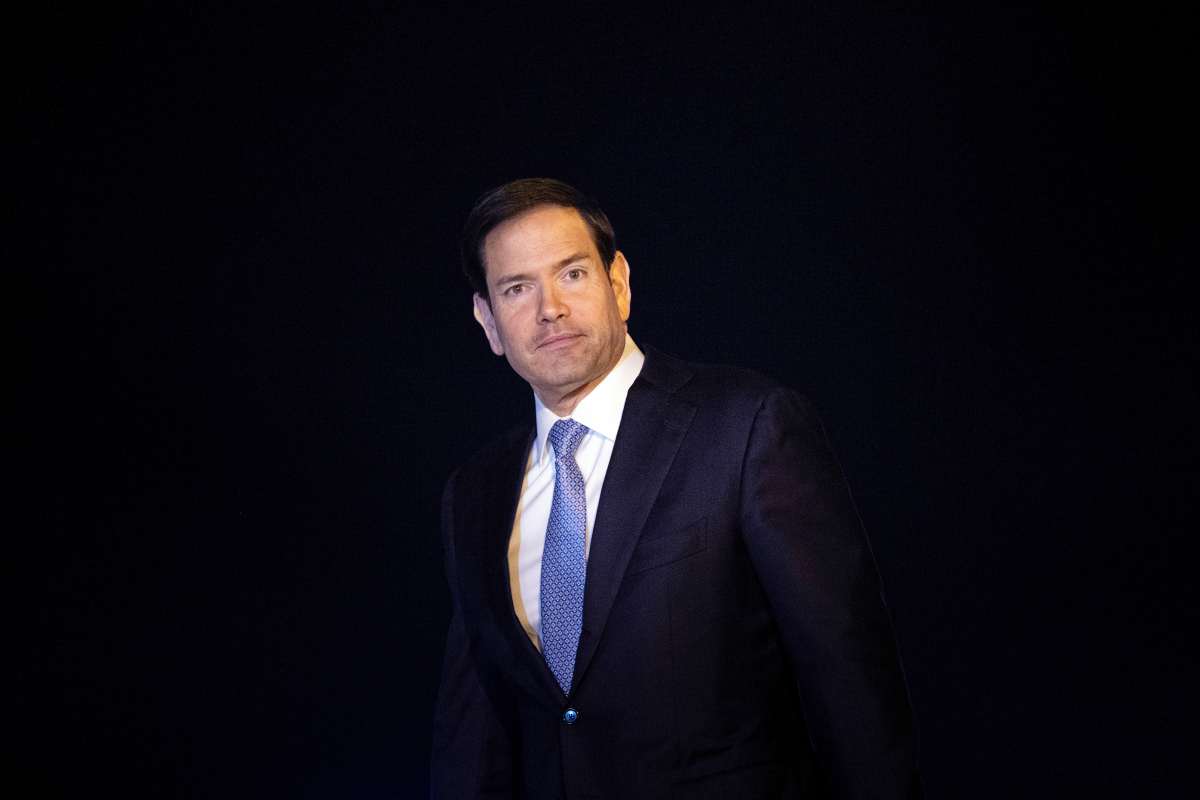
The lawmakers also indicated that the White House may need to consider executive action if Congress does not act before the deadline. “Given the gravity of the situation, our two committees remain ready to assist,” Cotton and Grassley added.
Section 702 of FISA allows intelligence agencies, including the CIA, FBI, and National Security Agency, to collect communications involving foreign targets located outside the US without obtaining individual warrants. Supporters describe it as a critical national security tool, while critics have raised concerns about the incidental collection of Americans’ communications and broader civil liberties implications.
Senate deadlock tied to Bill Pulte's appointment and surveillance concerns
The warning follows a Senate vote on Friday, June 5, in which lawmakers blocked a procedural motion to advance a FISA extension. The measure failed by a 47-52 vote, with seven Republicans joining Democrats in opposition.
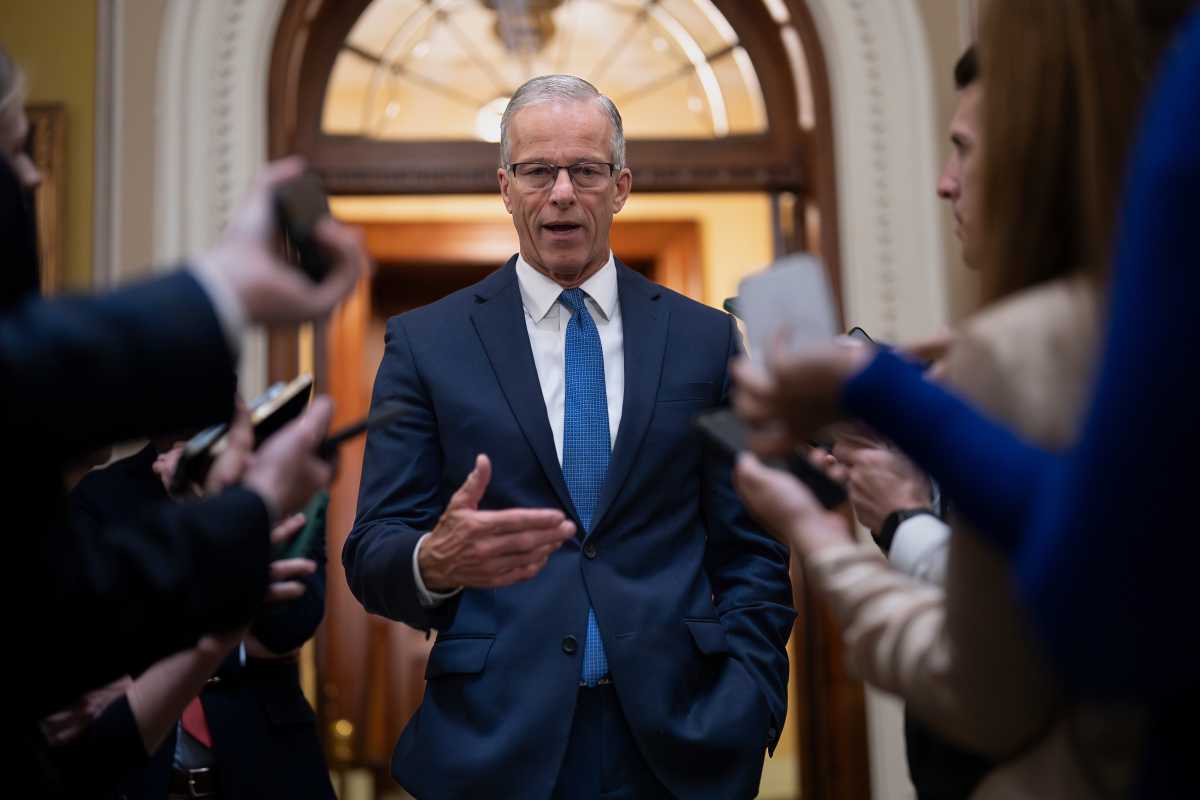
Senator Mark Warner (D-Va), the top Democrat on the Senate Intelligence Committee, said concerns about Bill Pulte’s appointment altered the political landscape surrounding the legislation. Senate Majority Leader John Thune (R-SD) criticized the opposition, calling it a “terribly irresponsible position” and indicating that lawmakers would revisit the issue next week.
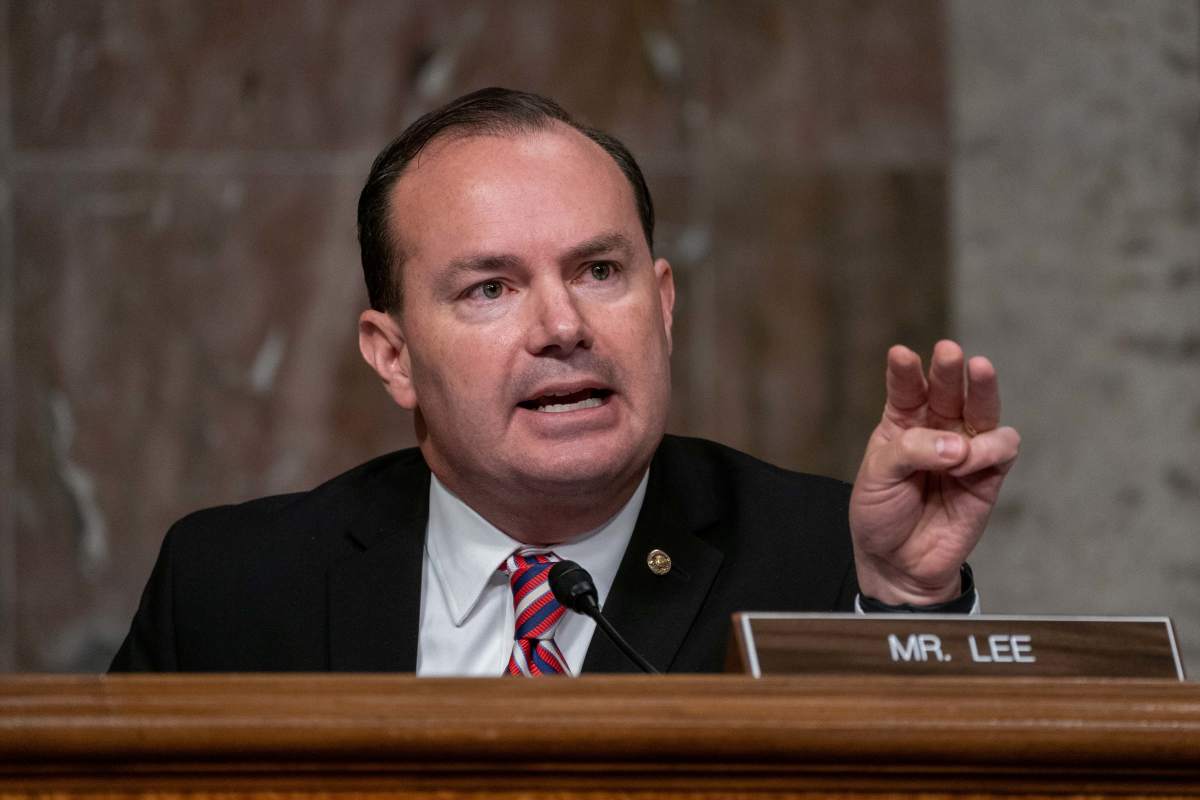
At the same time, some Republicans opposed the extension for separate reasons, arguing that Section 702 can be used to access Americans’ communications without a warrant. Senator Mike Lee (R-Utah) summarized that position on social media, writing, “No warrant to protect Americans? No FISA.”
The Senate is expected to revisit the legislation when lawmakers return next week, though any compromise would still need to secure 60 votes before advancing further.