Rescued Air Force officer recounts 50-hour fight to survive after F-15E jet shot down over Iran
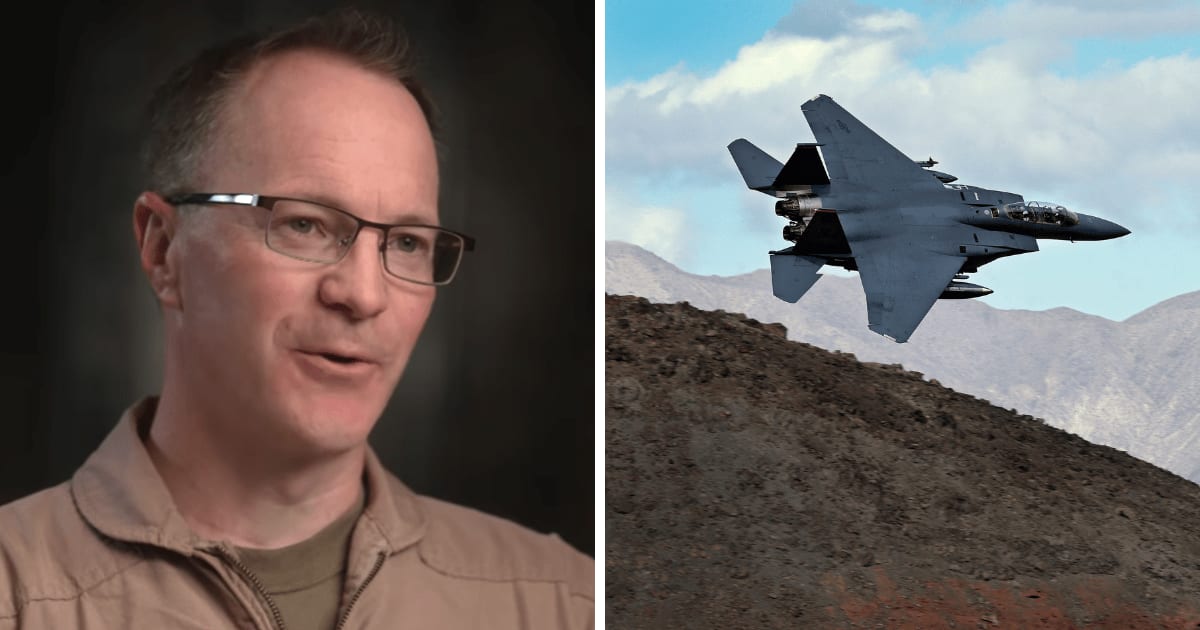
WASHINGTON, DC: With a broken back, arm, and shoulder, a US Air Force colonel managed to evade capture, relying solely on his training and instincts after being thrust into a 50-hour fight for survival when his F-15E was shot down over Iran.
The colonel, referred to only as “Bravo” for security purposes, told 60 Minutes on Sunday that his survival following the 50-hour ordeal was a “modern-day miracle.”
Bravo, the U.S. Air Force weapon systems officer who was stranded behind enemy lines in Iran for two days, tells 60 Minutes about the first message he was able to send to the U.S.: “God is good.” https://t.co/xqTEaggw2A pic.twitter.com/z7cBfqCksI
— 60 Minutes (@60Minutes) September 14, 2026
US Air Force colonel survives Iran jet crash and freefall
The colonel was serving as the weapons systems officer seated behind the pilot of an F-15E Strike Eagle operating under the call sign Dude 44 when he felt he had been “hit by a freight train” as a shoulder-fired missile rammed into his F-15E two-seat fighter jet on April 2.
US Central Command commander Adm. Brad Cooper told O’Donnell that the crew had been deployed to strike Iranian industrial sites connected to the country’s drone and missile programs.
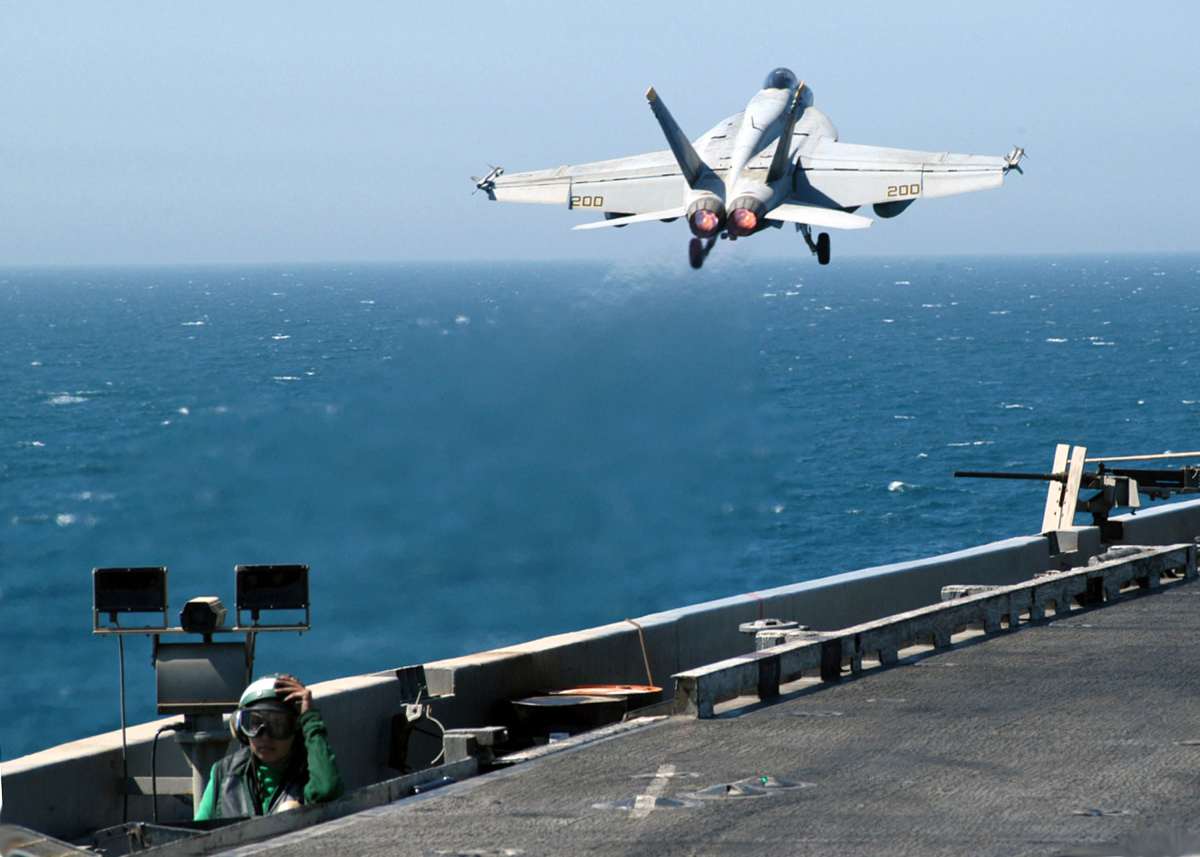
Bravo and his partner, with the mission call sign Alpha, ejected when they could not save the jet. Alpha was ejected safely, but Bravo had a near-death experience.
“At one point when I looked up and saw no parachute, that was the most terrifying thing I’ve ever seen,” Bravo said, with his parachute damaged by an Iranian shoulder-fired missile. “So I paused, right then, and I prayed, ‘Lord, your will be done. But if I’m getting through this, I need help.'”
Bravo recalled plummeting in a “free-fall” toward the rugged mountains below, only to look up and realize his parachute had been damaged in the missile strike.
He described the sight as “the most terrifying thing I’ve ever seen.” Military experts later estimated that he hit the Iranian desert at somewhere between 70 and 100 mph.
Against those odds, Bravo said his survival felt like a “modern-day miracle.”
Newly declassified footage shows the events leading up to the rescue of Bravo, the U.S. Air Force officer who was shot down and survived behind enemy lines in Iran for two days. https://t.co/YUIzeTBpKt pic.twitter.com/0x2zDndgmC
— 60 Minutes (@60Minutes) September 14, 2026
'60 Minutes' reported that the fall broke Bravo’s back, arm, and shoulder, yet he managed to hike and climb a 7,000-foot ridgeline to evade capture.
He was stranded behind enemy lines for two days without food or water before two elite Air Force pararescue operators got him out of harm’s way.
Pete Hegseth recalls learning of Iran fighter jet crash
Defense Secretary Pete Hegseth, in the same segment, recounted waking up in the middle of the night with the news of a fighter jet’s crash.
He said he immediately jumped to the next steps: asking if the crew was OK and whether Iran knew what had happened. "Whether they're alive or not, we're going to go get them," he said.
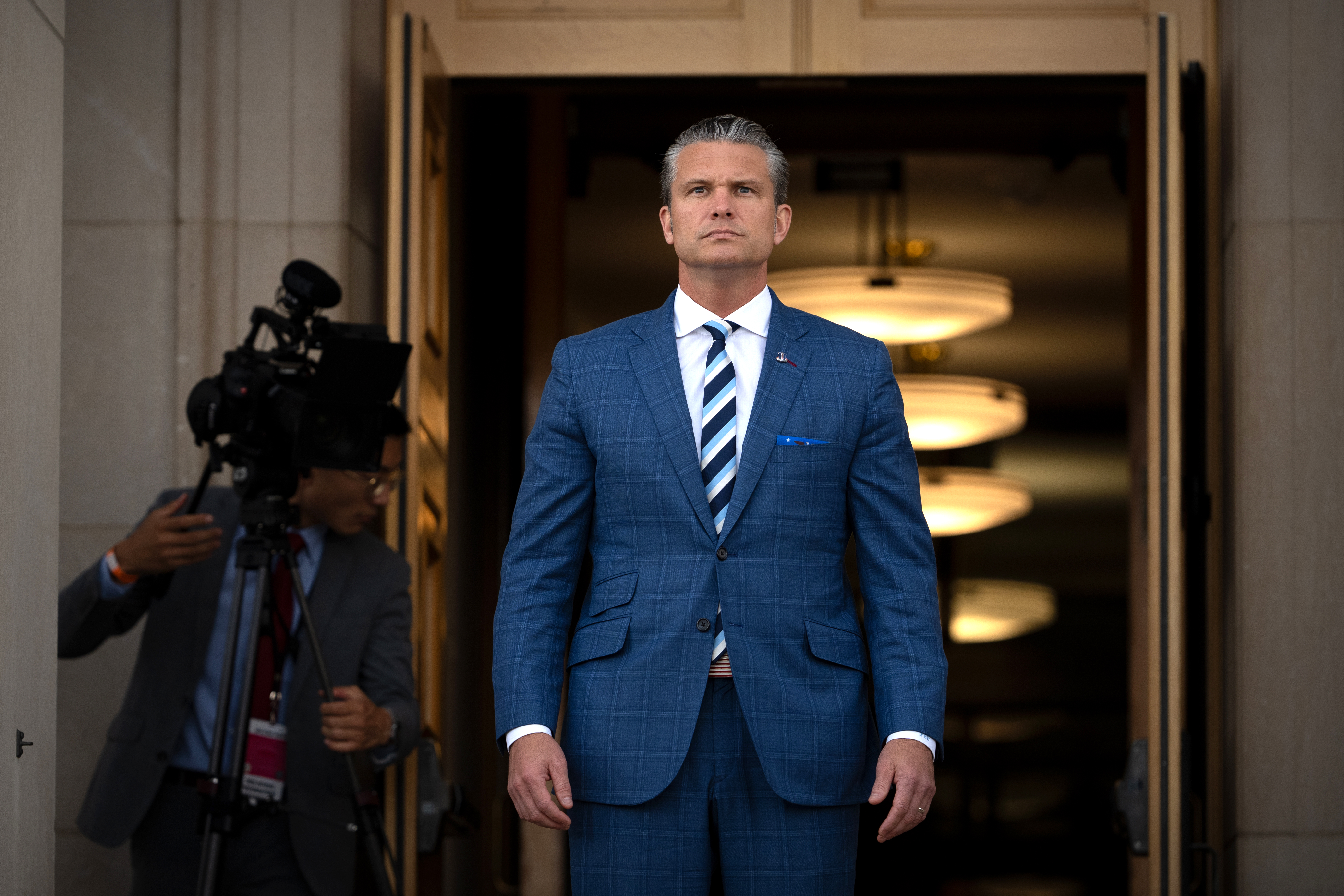
This came after it was revealed that Hegseth reportedly pushed Bravo and his fellow airman to participate in the show.
Citing sources, CNN reported that the airmen initially expressed reservations about interviewing, while military officials also had apprehensions about revealing classified details of the rescue effort.
But political appointees in Hegseth’s office were adamant that both crew members sit for interviews.
Hegseth reportedly met the two officers ‘privately’ and asked them if they wanted to participate rather than forcing their cooperation. Following the meeting, one of the two officers agreed to the interview, while the other turned it down.