Ro Khanna calls for select committee as UN experts cite 'crimes against humanity' in Epstein files
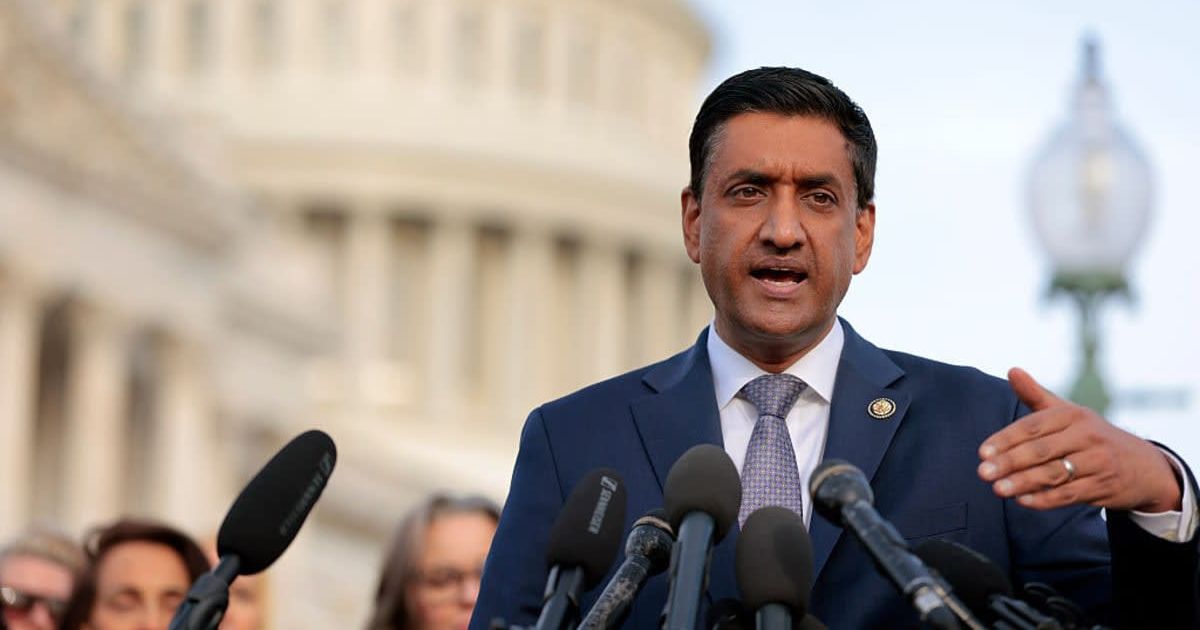
WASHINGTON, DC: Ro Khanna (D-Calif.) called for an expanded federal action on Wednesday, February 18, after a panel of independent United Nations human rights experts stated that material contained in the Jeffrey Epstein files may meet the legal threshold for “crimes against humanity.”
In a video posted to X, Khanna described the findings - referencing allegations of systematic sexual slavery, torture, and enforced disappearances - as “genuinely revolting.”
Khanna, who co-authored the Epstein Files Transparency Act with Representative Thomas Massie (R-Ky.), accused the Department of Justice of failing to fully comply with the law.
He alleged that “excessive redactions” continue to shield powerful individuals and called for the creation of both a special prosecution committee within the DOJ and a House select committee empowered to compel testimony from individuals connected to Epstein’s operations.
Global experts warn of systematic atrocities
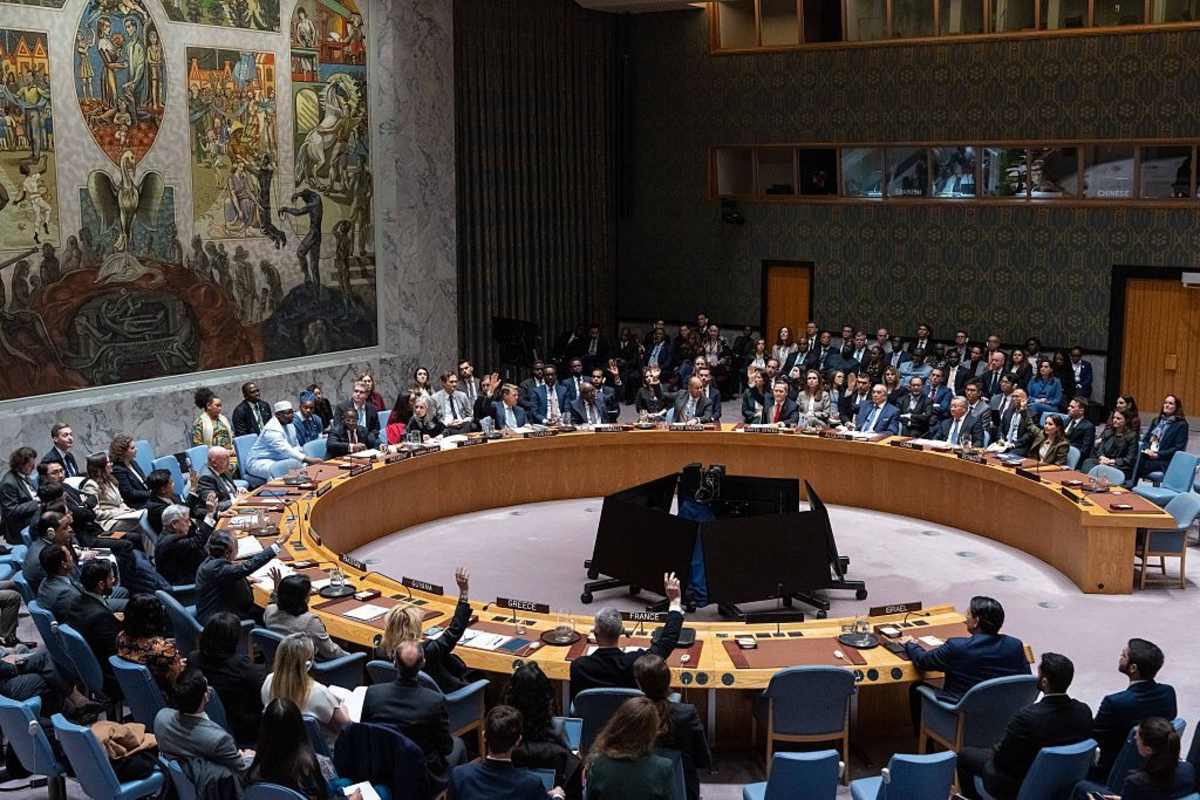
The UN experts issued their statement on Monday after reviewing publicly released materials, including approximately 3.5 million pages of documents. They concluded that the scale and pattern of the alleged abuses point to what they described as a potential “global criminal enterprise.”
The panel cited allegations involving sexual exploitation, trafficking, and other forms of abuse, arguing that if proven as part of a widespread or systematic attack against civilians, such acts could meet the definition of crimes against humanity under international law.
The experts emphasized that crimes of this magnitude must be prosecuted in national or international courts, adding that no individual should be shielded from accountability because of wealth or status.
Khanna calls for special prosecution committee
UN human rights experts just concluded the Epstein files may have "crimes against humanity."
— Rep. Ro Khanna (@RepRoKhanna) February 18, 2026
The DOJ continues a cover-up. Here's what needs to happen now: pic.twitter.com/fANfVWyaw6
Responding to the UN’s conclusions, Khanna proposed a three-part response. First, he urged the DOJ to establish a dedicated special prosecution committee focused solely on pursuing cases tied to Epstein’s network. He claimed that despite statutory transparency requirements, a substantial portion of relevant files remains redacted from public view.
Second, Khanna called on House leadership to create a select committee with subpoena power to conduct formal hearings. Such a body, he said, would compel testimony from individuals who visited Epstein’s private island or were otherwise connected to his operations.
“No one is too wealthy or too powerful to be above the law,” the UN experts stated in their report, a message Khanna amplified as he pressed for the release of remaining materials.
Redaction failures undermine victim safety
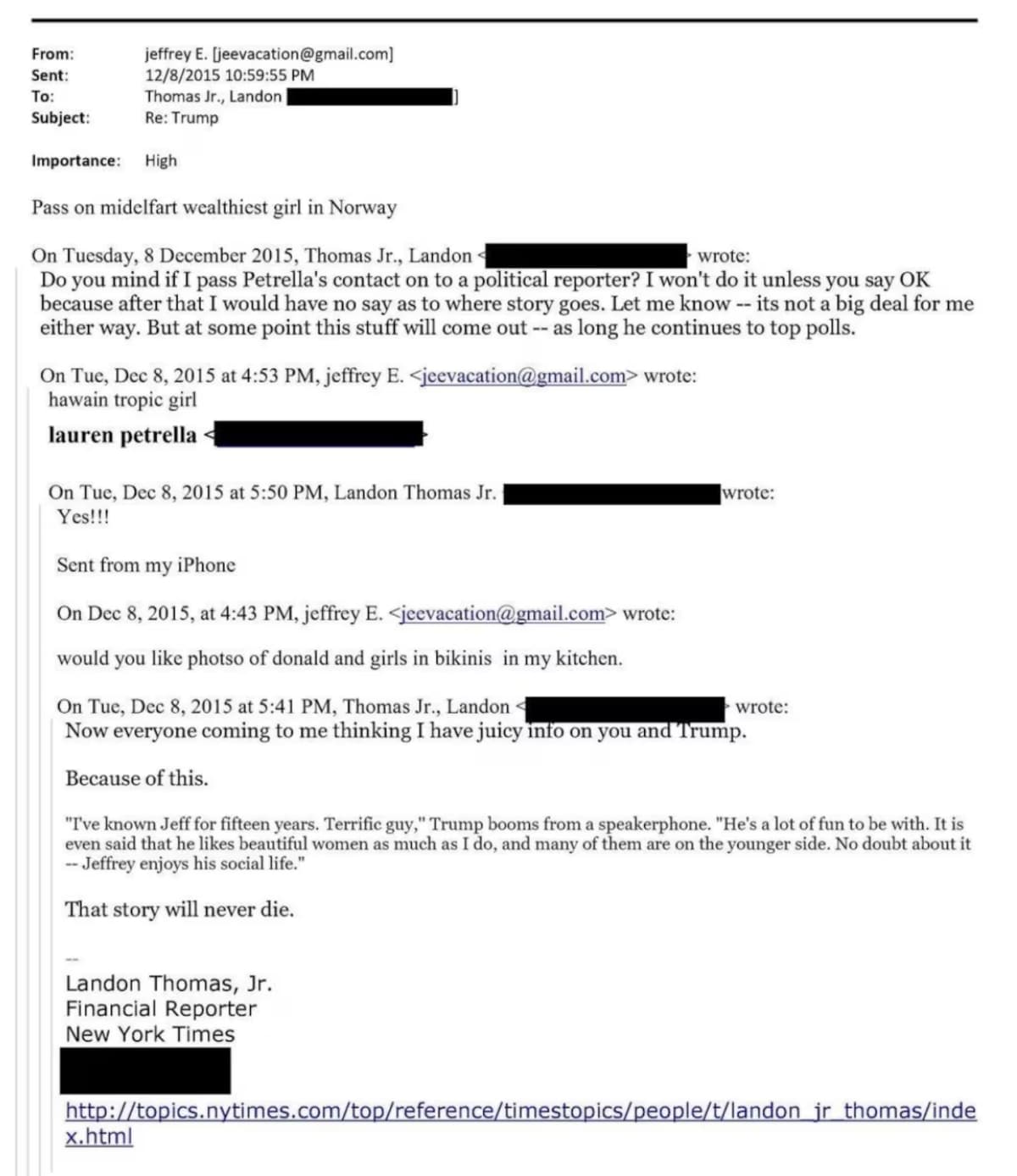
The UN panel also criticized the Department of Justice’s (DOJ) document release process, highlighting what it described as failures in compliance with redaction standards. The experts noted that certain documents were inadequately redacted, which exposed sensitive information about victims.
They urged US authorities to address these issues promptly to ensure that survivors are protected from retaliation or public identification.
Khanna reported that during a review of unredacted materials at the DOJ, he and Rep Massie identified six individuals whose names had been omitted from public releases. After raising concerns about this, those names were subsequently disclosed. Khanna questioned whether there are additional identities still concealed within unreleased or heavily redacted files.
Impunity for criminal enterprise must end
UN experts emphasized that resignations or damage to reputations do not replace the need for criminal prosecution when there is sufficient evidence to support charges. They urged governments to review statutes of limitations that may hinder the prosecution of serious offenses and to ensure that legal frameworks are in place for accountability.
Khanna supported this viewpoint, asserting that full transparency is crucial for restoring public trust and protecting victims of trafficking and exploitation. As the debate over the scope of Department of Justice disclosures intensifies, Khanna maintained that Congress and federal prosecutors must utilize every available legal option.
He stated that until all relevant evidence is made public and thoroughly examined, questions surrounding the Epstein network will continue to arise.