Scott Jennings is not buying Marjorie Taylor Greene's 'Christ-like' pivot after Charlie Kirk's death
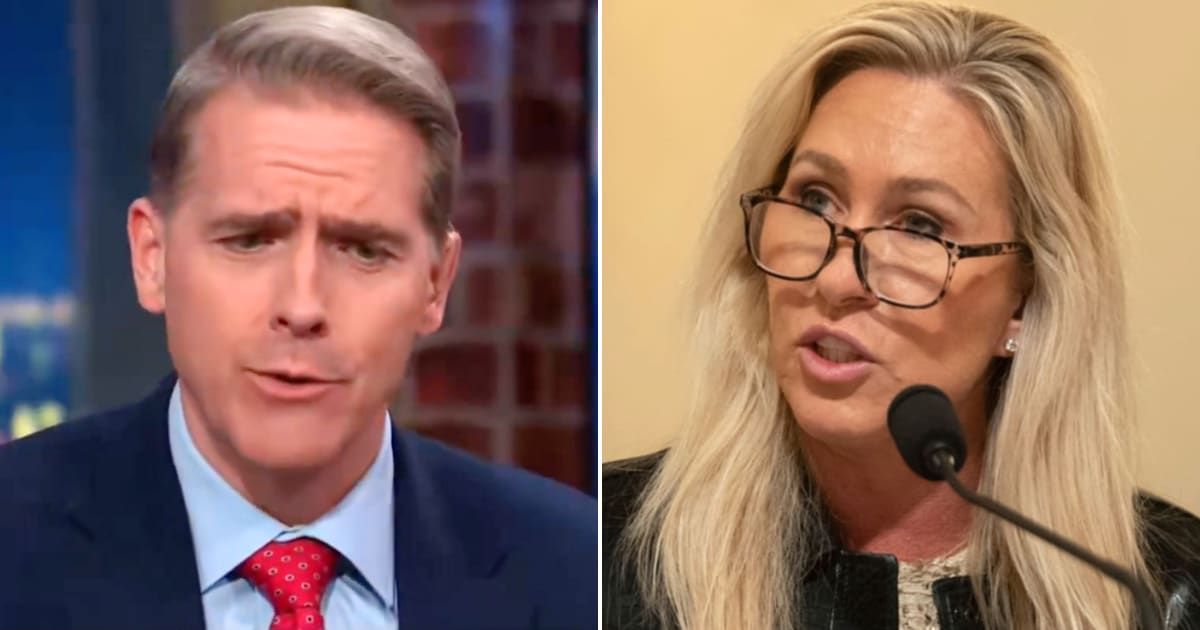
WASHINGTON, DC: Conservative pundit Scott Jennings has cast doubt on Rep Marjorie Taylor Greene's sudden shift toward a more "Christ-like" demeanor following the death of Turning Point USA founder Charlie Kirk.
In a recent CNN appearance, Jennings linked Greene's public break with President Donald Trump to political disappointments in her home state of Georgia, rather than a genuine spiritual awakening.
Scott Jennings on. Marjorie Taylor Greene realizing she was “part of this toxic culture” after Charlie Kirk was ass*ssinated: “I don't denigrate or oppose anybody saying they'd like to be more like Christ. I think that's a good sentiment. I don't quite understand how, you know,… pic.twitter.com/PMXHXGQkIi
— RedWave Press (@RedWave_Press) December 30, 2025
Charlie Kirk's tragic killing and Marjorie Taylor Greene's response
Charlie Kirk, a prominent conservative activist and close ally of Donald Trump, was tragically killed in September this year. There was widespread mourning among conservatives following his death, which remains under investigation.

After Charlie's widow, Erika Kirk, publicly forgave her husband’s alleged shooter, Tyler Robinson, 22, Trump took to the stage and noted that the late conservative activist ”did not hate his opponents” and “wanted the best for them." He added, “That’s where I disagreed with Charlie. I hate my opponent, and I don’t want the best for them.”
TRUMP: "He didn't hate his opponents. He wanted the best for them - that's where I disagreed with Charlie. I HATE my opponent and I DON'T want the best for them."💀😂 pic.twitter.com/9X7N1aLWR8
— Daily Wire (@realDailyWire) September 21, 2025
In the aftermath, Greene appeared to distance herself from Trump and the more aggressive elements of the Republican Party. "That was the absolute worst statement. After Charlie died, I realized that I'm part of this toxic culture. I really started looking at my faith. I wanted to be more like Christ," she told The New York Times.
This was a notable departure for Greene, who had long been one of Trump's most vocal defenders in Congress. Her comments came shortly after she announced her decision not to seek reelection, effectively leaving Congress at the end of her term.
Scott Jennings' skeptical take
CNN anchor Abby Phillip pressed Scott Jennings on whether he believed Marjorie Taylor Greene's transformation was authentic. Jennings acknowledged the trauma of Kirk's death but questioned how it directly led to Greene's fallout with Trump.
"Look, what happened to Charlie Kirk was traumatic to a lot of people, and it is the type of thing that can provoke you to look at yourself and your life, and she's saying that's what happened to her," he said.
"I don't denigrate or oppose anybody saying they'd like to be more like Christ and think it was a good sentiment but I don't quite understand how President Trump's close friend was assassinated and somehow that caused her to decide she needed to come out against Charlie Kirk's friend, Donald Trump. I don't exactly know how to square that circle," Jennings added.
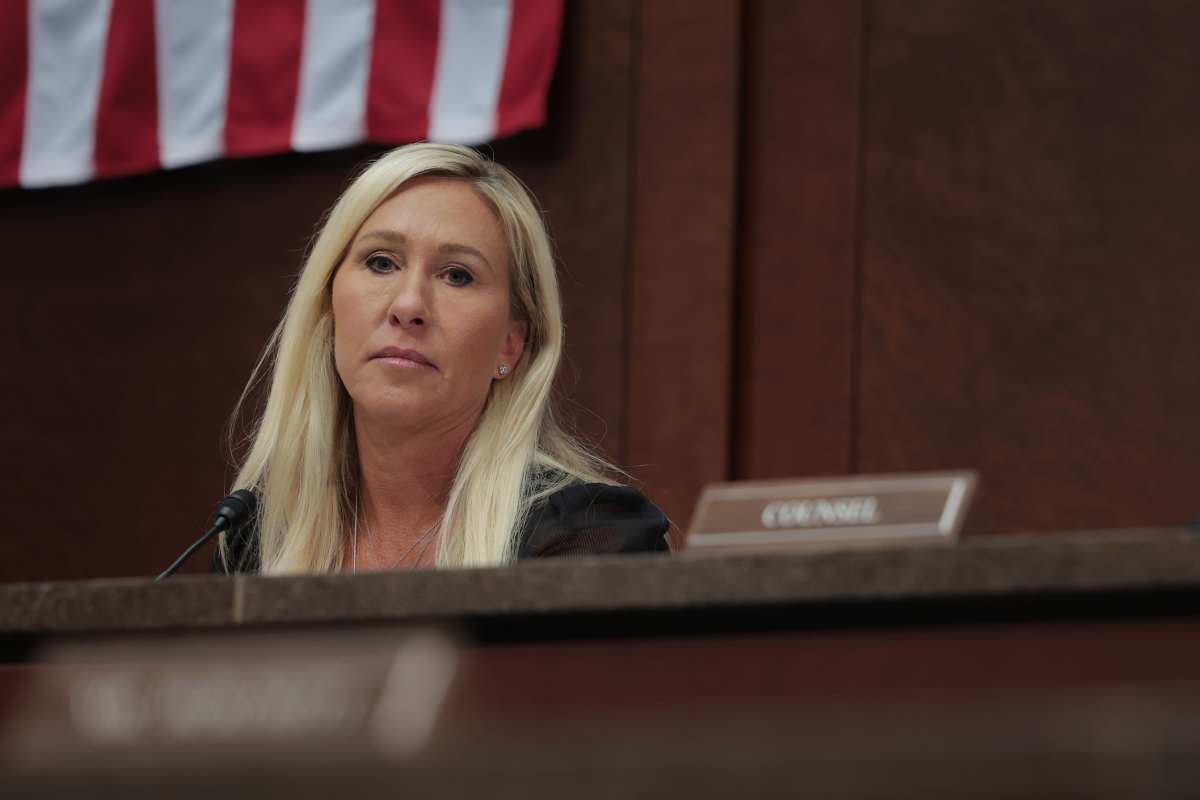
He continued, "Look, if she wants to be more like Christ, I applaud that. I think we should all aspire to that. I do think some of this is wrapped up in politics."
"It has been well reported and well known that she wanted to run for statewide office in Georgia. The president did not lend support for that. His team sent her a poll showing that she was going to get beaten pretty badly in a statewide race. And ever since that moment, she turned against him on a number of issues, some domestic, some foreign policy. And Trump finally had enough of it," Jennings remarked.

The conservative commentator concluded by noting that if Greene truly aimed to change Washington's culture, quitting Congress might not be the most effective approach. "She may cut ties as she left Congress didn't have quit by way of is really want go Donald Trumper change culture Washington or whatever should hold under receipt done from inside institution," he argued.