Senate advances resolution to freeze lawmaker pay during government shutdowns after delays
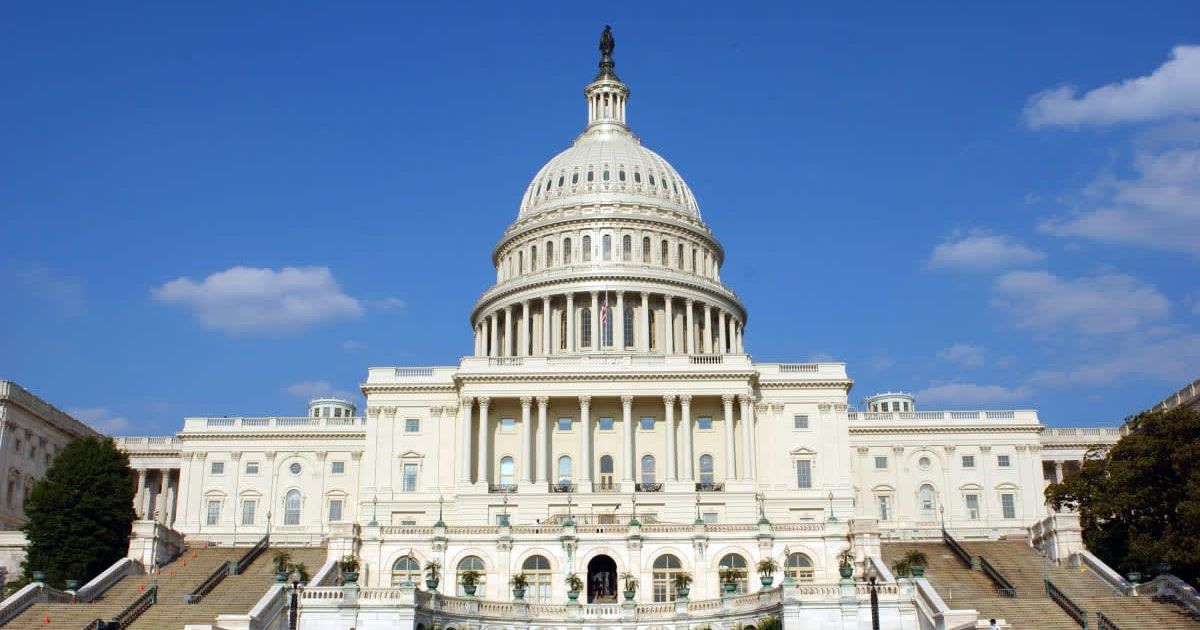
WASHINGTON, DC: In a striking departure from standard partisan gridlock, the United States Senate voted unanimously on Wednesday, May 13, to advance a historic resolution that would effectively suspend their own paychecks during any future government shutdown.
The 99-0 vote signals a major shift in how the upper chamber addresses fiscal impasses, moving to ensure that lawmakers share the financial burden often placed on federal employees when the government's doors close.
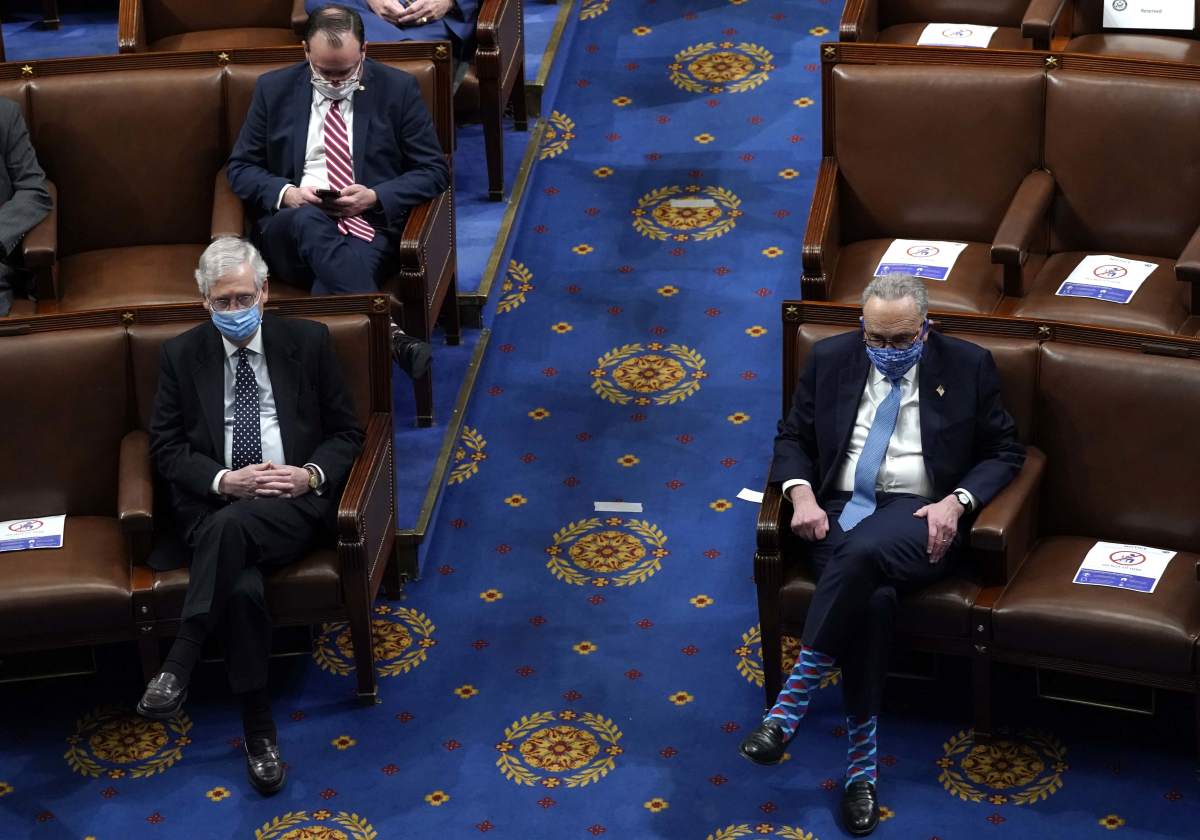
The measure, which is now on a clear path to approval in the coming days, is uniquely structured as an internal chamber resolution.
This means that unlike traditional legislation, it applies strictly to the Senate and does not require the approval of the House of Representatives or the signature of the President to take effect.
Senator Pete Ricketts, a Republican from Nebraska, was the only member of the chamber to miss the momentous vote.
Bipartisan consensus overcomes previous procedural hurdles
The path to this unanimous tally was not without friction. Today’s success follows a notable delay in late March when Senator Brian Schatz, a Democrat from Hawaii, blocked a previous attempt by Senator John Kennedy, a Republican from Louisiana, to pass the measure via unanimous consent.
At the time, Schatz provided no public explanation for his objection, leaving the fate of the proposal in limbo for several weeks.
To overcome this hurdle, the resolution was forced through a formal voting process subject to a 60-vote threshold.
Despite previous concerns that the measure might stall under procedural rules, every present senator from both sides of the aisle chose to support the advancement of the pay-freeze mandate.
This rare display of total consensus highlights a growing sensitivity among lawmakers to the optics of receiving a salary while federal agencies and vital services are shuttered due to budget disputes.
Mandatory withholding ensures retroactive compensation only
The specific language of the legislation provides a clear framework for how the pay suspension will function.
According to the text, during any period in which a government shutdown is in effect, the Secretary of the Senate is directed to "disburse and hold any payments otherwise required to be made with respect to such period for the compensation of each Senator."
This mechanism ensures that the money is legally withheld for the duration of the funding gap.
It is important to note that the measure does not result in a permanent forfeiture of salary.
Under the current terms, senators would be retroactively paid the full amount of their compensation once a shutdown has concluded and the government is reopened.
By creating a temporary financial penalty, proponents argue the Senate is creating a new incentive for its members to reach budgetary agreements and avoid the "mess" of a shutdown altogether.