Seneca Nation leader calls Trump's Lake America renaming ‘unpresidential,’ demands reversal
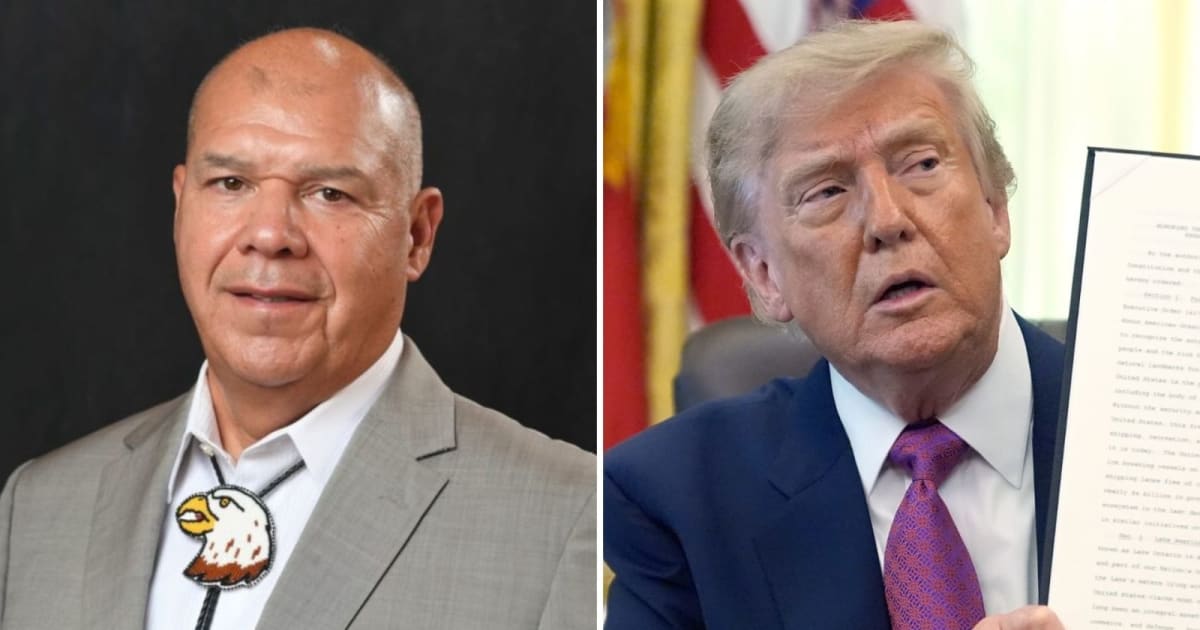
WASHINGTON, DC: Just a day after President Trump signed an executive order to rename Lake Ontario as "Lake America," a move tangled up in a growing trade dispute with Canada, Seneca Nation of Indians President J. Conrad Seneca spoke out, urging Trump to backtrack. Seneca did not mince words.
In the nation's newsletter, he called the order "unpresidential" and made it clear: Trump cannot lay claim to the Seneca people's culture, and political stunts like this will not erase it.
Seneca Nation leader calls Trump's Lake America order unpresidential
Calling Trump's order "unpresidential," President J. Conrad Seneca on Friday wrote, "The President cannot assert ownership over our culture or erase it through irresponsible political action. His order should be rescinded, and the name Lake Ontario should be left as it is, reflective of the Seneca people, other Haudenosaunee nations and all Indigenous people surrounding the lake."
Seneca explained that the lake derived its name from Indigenous roots.
"In our traditional Seneca language, its name is sga:nyodai:yoh, meaning ‘beautiful lake,’" he wrote in a message shared in the nation's newsletter.
"Long before the United States existed, and before settlers brought the English language to our lands, our Seneca and Haudenosaunee ancestors traveled Lake Ontario and surrounding waterways for many reasons, including diplomacy among our nations. Now, we are seeing the exact opposite of diplomacy."
He explained that long before the United States came into being, Seneca and Haudenosaunee ancestors moved across this lake and these waterways for generations. They shaped alliances, settled disputes, and handled diplomacy face to face.
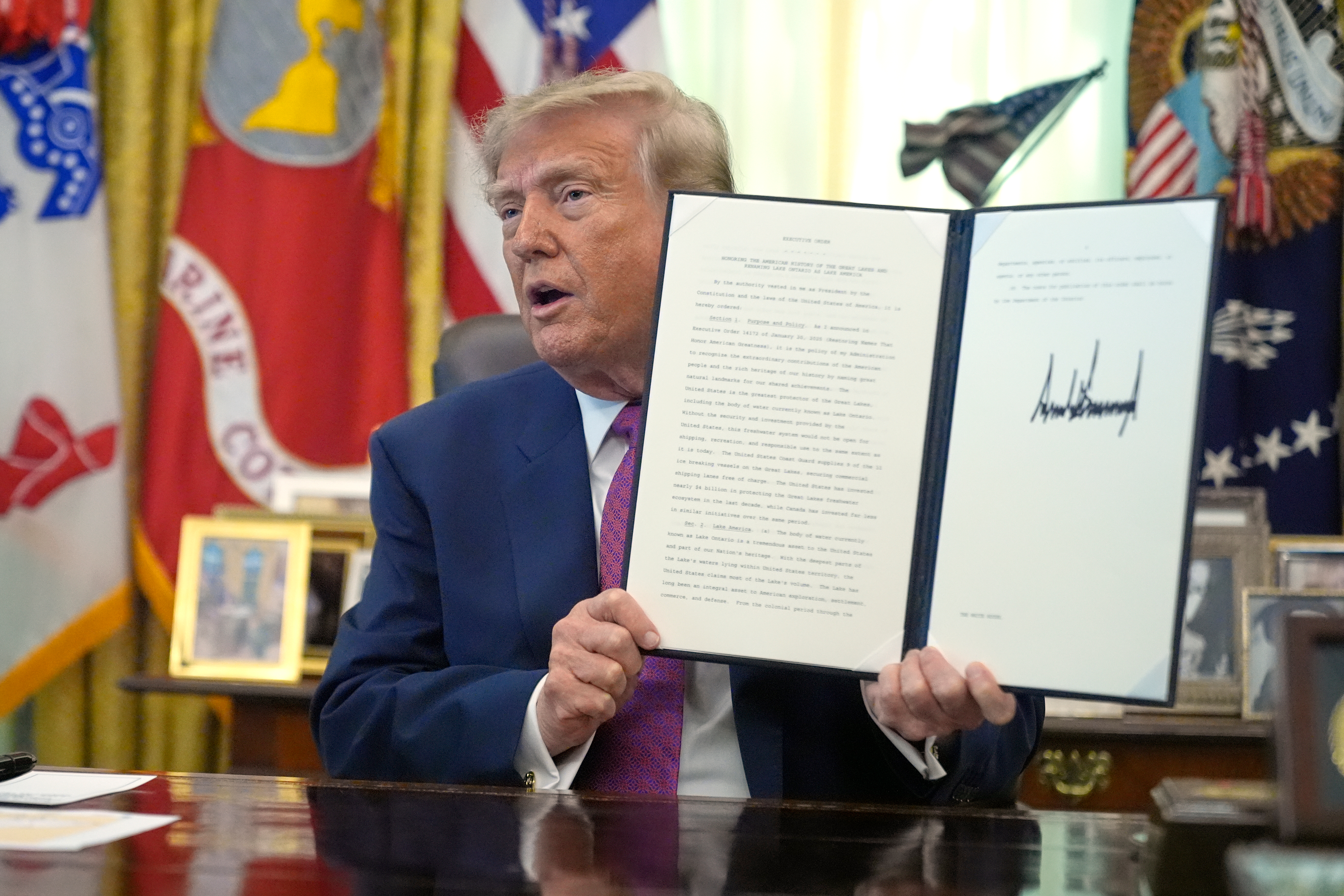
In his view, what Trump did completely goes against that tradition. He also made it clear: for the Seneca Nation, Lake America is not some political bargaining chip.
It is home. Indigenous people have lived there for thousands of years.
"The action that President Trump is taking is starkly un-presidential and demeaning to his office and his standing as the leader of the free world," Seneca argued. "His blatant disrespect toward the Seneca people, other Haudenosaunee nations, and all Indigenous people is unacceptable."
Seneca cites 1794 Canandaigua Treaty in pushback
Seneca referenced the 1794 Canandaigua Treaty that President George Washington signed with the Seneca and other nations, a treaty promising peace, friendship, and the right for Indigenous people to freely use their lands.
🚨 THE TREATY & INDIGENOUS SOVEREIGNTY BACKLASH: SENECA NATION DEMANDS RESCISSION OF TRUMP'S 'LAKE AMERICA' ORDER, CITING 1794 TREATY VIOLATION! 🚨
— Boardroom Patriot (@nwmsound) August 29, 2026
A major legal and cultural challenge from Indigenous leadership has erupted over the White House's geographic renaming campaign!… pic.twitter.com/9wHRlFSV1W
He argued that Trump's executive order broke that promise and saw it as just one more example of the federal government ignoring its commitments to the Seneca and other Haudenosaunee nations.
"The United States also promised our people the free use and enjoyment of our lands forever," Seneca said.
"President Trump’s aggression toward our culture with his Executive Order violates that peace, friendship and commitments of the Canandaigua treaty.”
"This is the latest in a long history of willful attempts to disregard the United States’ commitments to the Seneca and other Haudenosaunee nations," he continued.
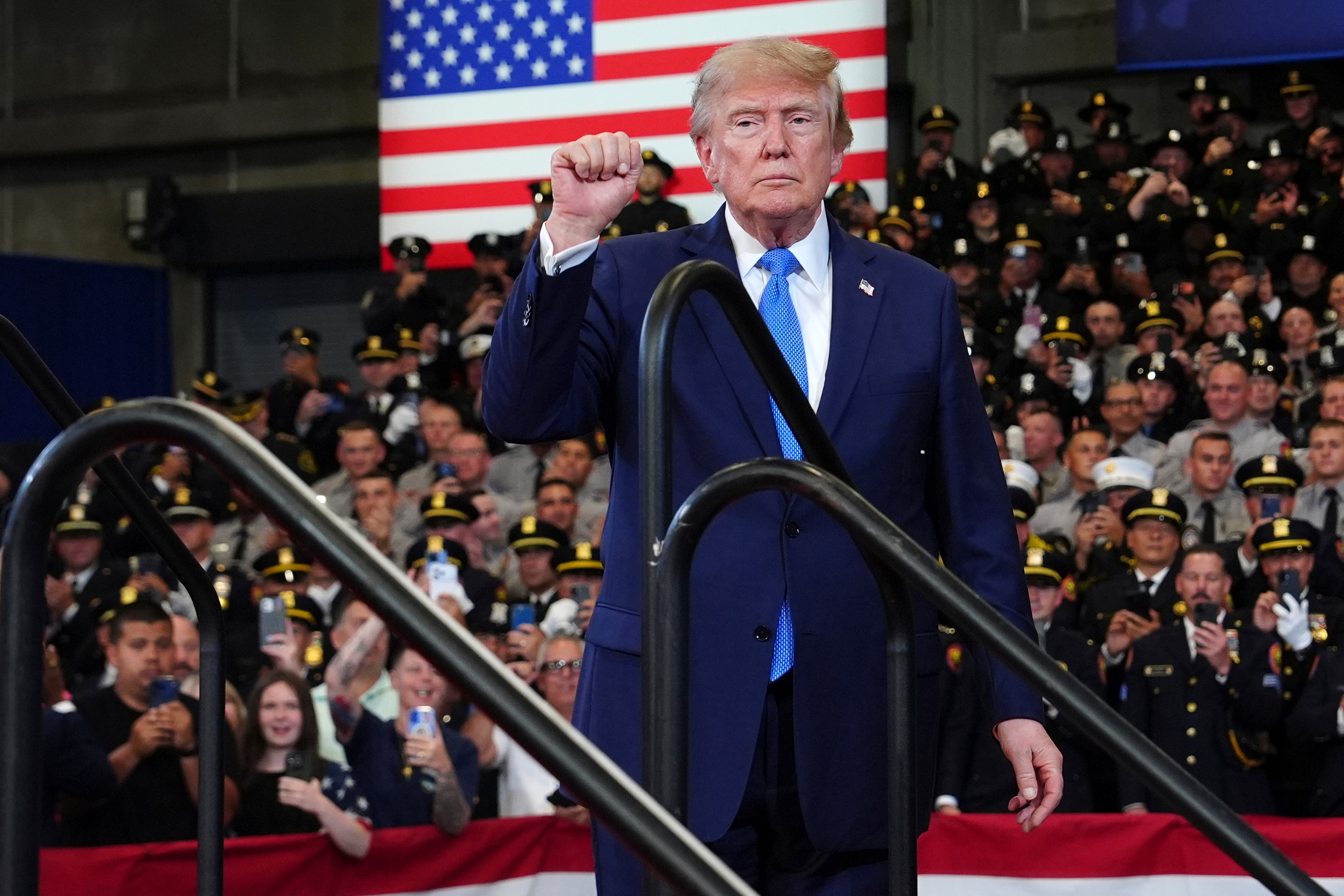
"President Trump needs to be reminded of those commitments." He added that Article 6 of the U.S. Constitution "clearly states that treaties are the ‘supreme Law of the Land,’ and need to always be honored as such."
Canadian Prime Minister Mark Carney criticized the move on social media, noting the lake's name predates both the founding of Canada and American independence.