Speaker Johnson blocks war powers resolution to sustain military momentum
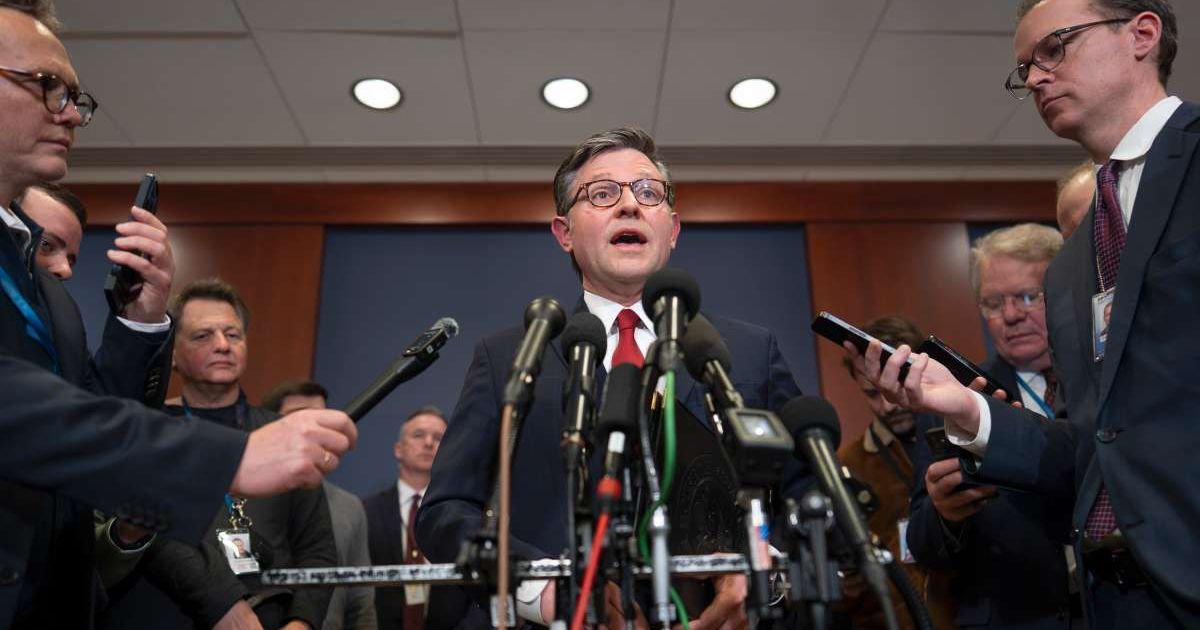
Speaker Johnson: It's Dangerous For Democrats To Keep DHS Shutdown
— Mr Producer (@RichSementa) March 6, 2026
"They voted to keep the Department of Homeland Security closed right now... This is a dangerous gambit." pic.twitter.com/Sgks0nbHgn
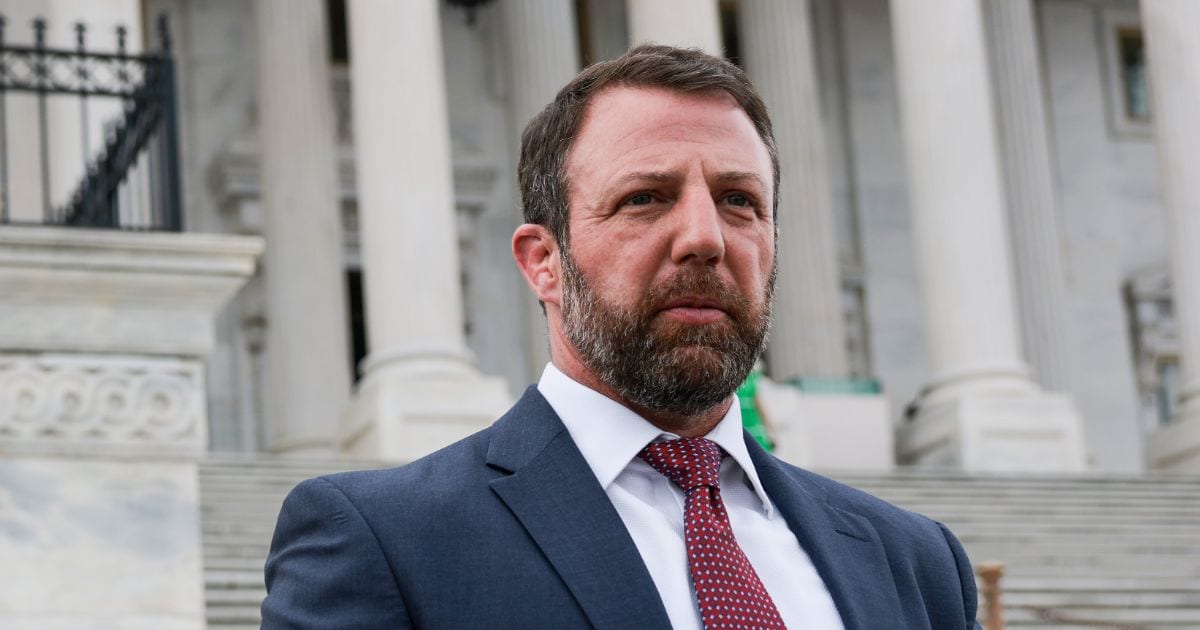
WASHINGTON, DC: Speaker Mike Johnson successfully blocked the War Powers Resolution on the House floor Friday, March 6, moving to protect the administration’s authority as major combat operations against Iran continue.
Following the failed vote, Johnson insisted that despite the sinking of the Iranian Navy and the destruction of missile industries, the United States is not legally at war.
The Speaker argued that the resolution would have been a "dangerous gambit" and a "serious misstep" by Congress.
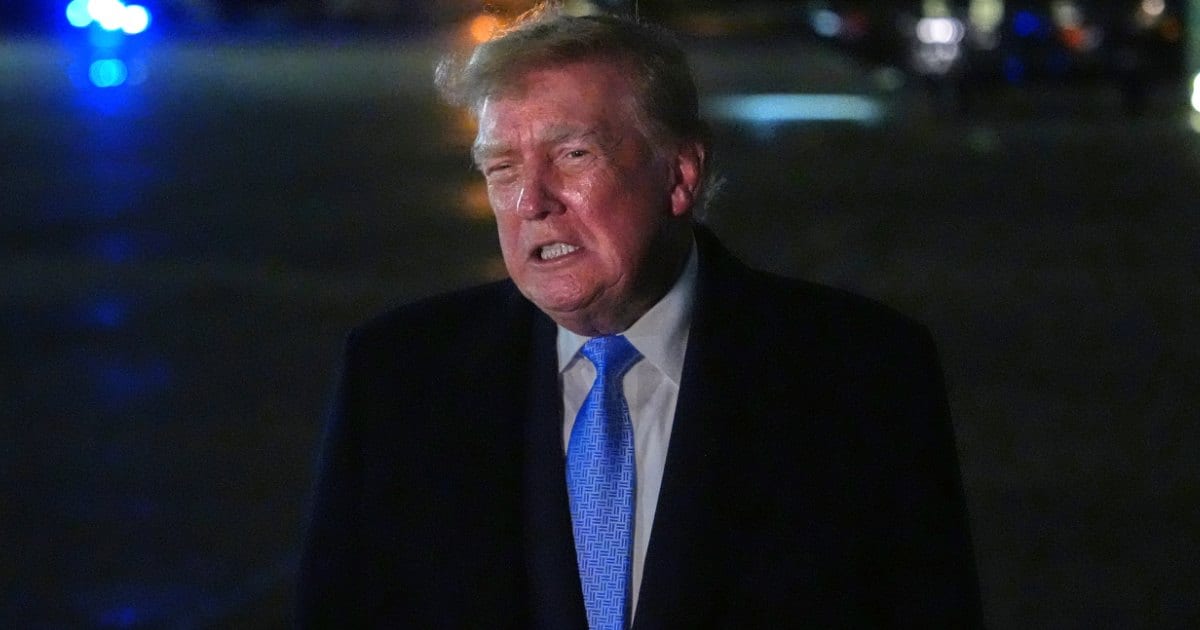
By preventing the measure, the House has ensured that President Trump retains the ability to finish what the administration describes as a limited defensive operation.
Speaker rejects formal state of war
Speaker Johnson: We are not at war, we have no intention of being at war pic.twitter.com/LAiLSnwIT3
— Headquarters (@HQNewsNow) March 6, 2026
In his remarks following the vote, Speaker Johnson stated firmly that "we are not at war" and have "no intention of being at war."
He noted that both the President and the Department of Defense have made this distinction very clear to the American people.
The Speaker’s language shifted during the address, at one point referring to the "Department of War" while maintaining that the current mission remains limited in both scope and duration.
This rhetorical tension comes as critics point to the "real men" ethos of the administration, which recently renamed the department to avoid euphemisms.
Mission objectives nearing complete and total success
Iran’s increasing aggression and rapid ballistic missile development presented a clear and imminent threat that demanded decisive action.
— Speaker Mike Johnson (@SpeakerJohnson) March 4, 2026
The President acted fully within his authority under the law, and consistent with the precedent set by presidents for the past four decades.… pic.twitter.com/dBeQB5Hyq9
Johnson touted the success of the campaign so far, asserting that the mission to dismantle Iran’s ballistic missile capability is "nearly accomplished."
He noted that the US has successfully taken down Iran’s stockpile and its ability to produce more missiles, which he described as an "imminent threat" to the United States.
The Speaker also highlighted the total neutralization of the Iranian Navy, a feat he characterized as "very successful."
He maintained that the operation must continue unimpeded to ensure these strategic gains are finalized without congressional interference.
Confronting imminent threats to regional allies
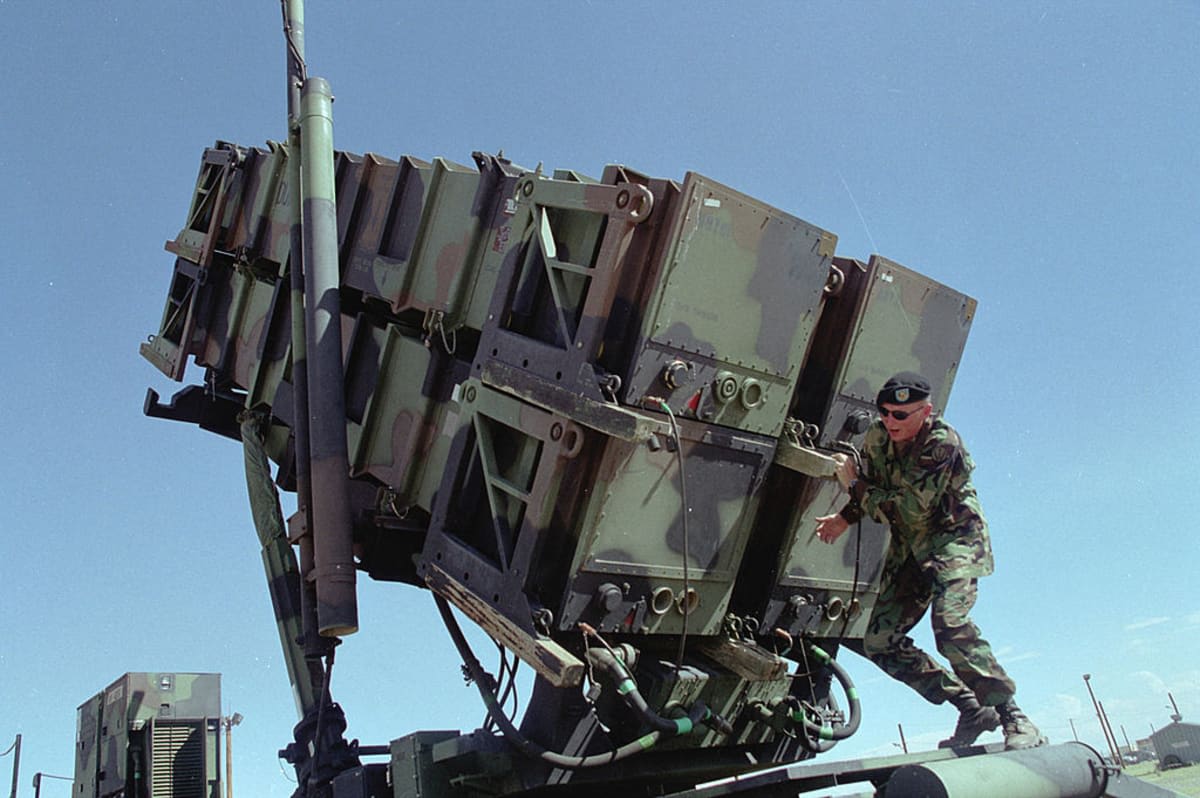
The rationale for the operation, according to Johnson, was a rapid buildup of Iranian weaponry that regional allies could no longer keep up with.
He stated that the scale and speed of Iran's missile production necessitated the "limited operation" to protect American interests and partners.
Despite reports of six Americans dead and Australian involvement in torpedo submarine strikes, Johnson insisted the operation remains "limited."
He praised the House for not "relitigating" the causes of the conflict and instead allowing the military to proceed.
Protecting the Commander-in-Chief's authority
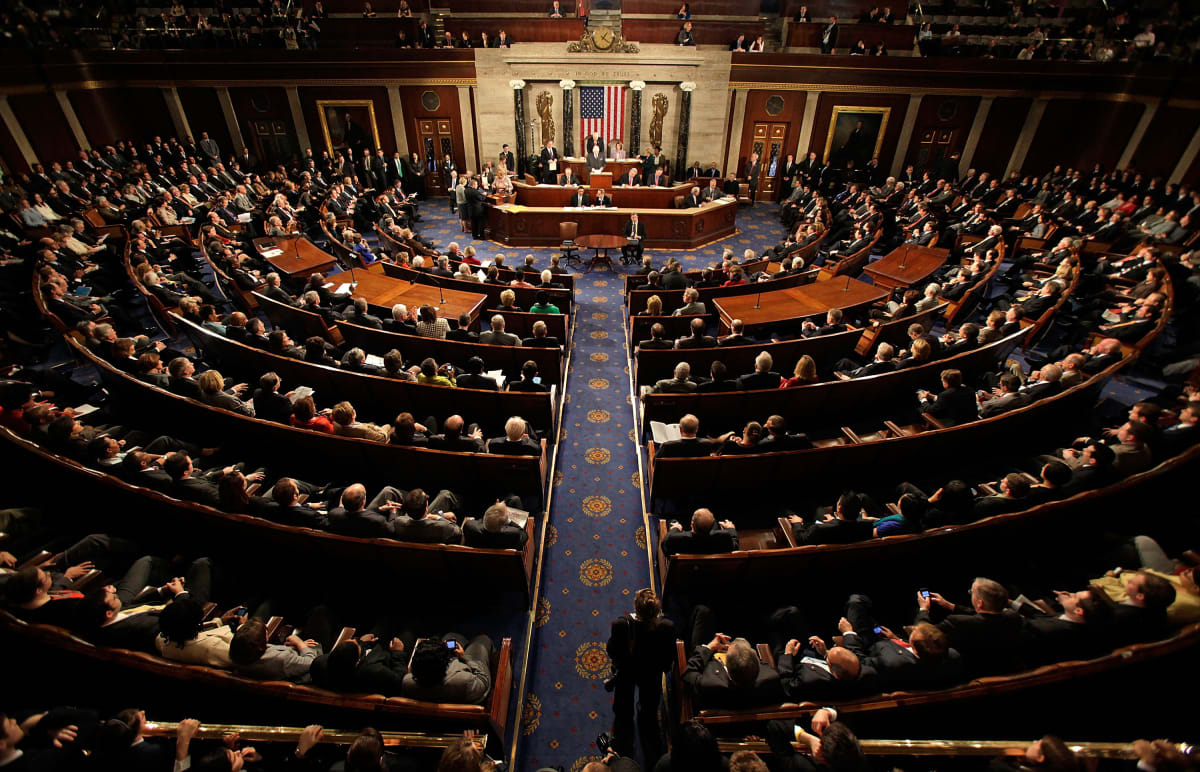
Ultimately, the Speaker framed the blocked resolution as a victory for executive power in a time of crisis.
He expressed gratitude that the measure failed, stating that taking away the Commander-in-Chief's ability to complete the mission would have been dangerous.
As Iran reportedly prepares for a potential ground invasion, saying "we are waiting for them," the US House leadership remains committed to the current path.
Johnson concluded that the current successes in the Arabian Gulf and over Iranian skies must continue until the mission is fully achieved.