Supreme Court gives Trump green light on mail-in ballot restrictions ahead of midterms
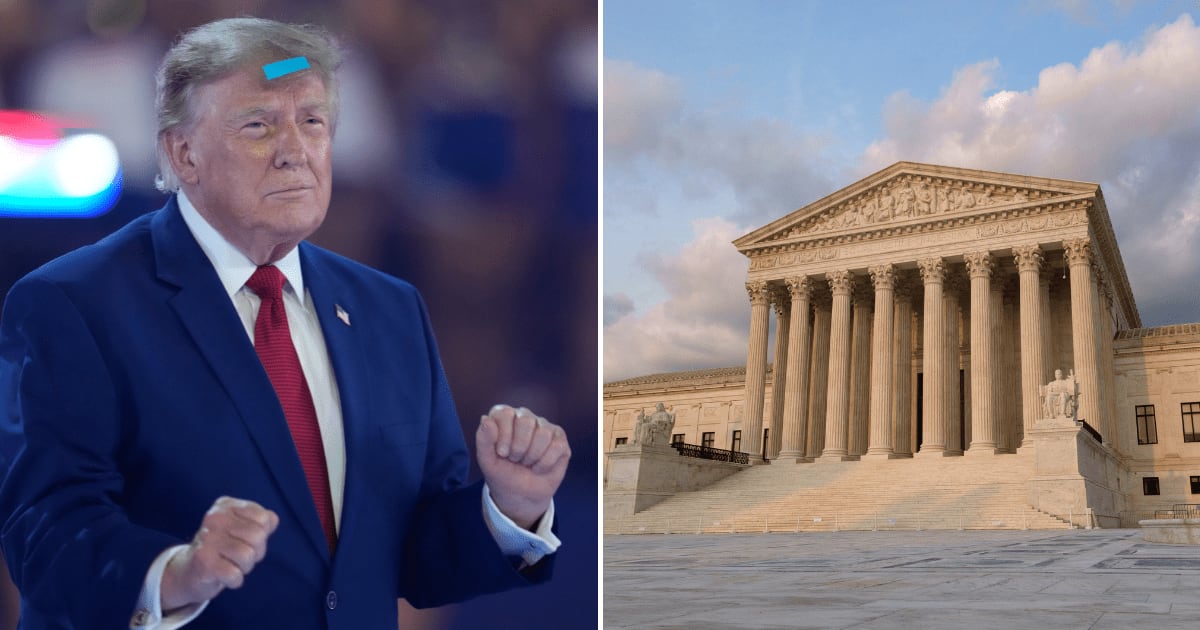
WASHINGTON, DC: Just before the midterm elections that will decide control of Congress, the Supreme Court handed Donald Trump a major win, allowing his administration to implement parts of President Trump’s "election integrity" executive order restricting mail-in voting.
In a 6-3 decision on Monday, August 24, the Supreme Court lifted an injunction that had blocked the order in 23 states after the Trump administration appealed the ruling in July.
The court agreed with Trump that parts of the order had been prematurely put on hold before the administration had finalized the rules for how they would be implemented.
Trump’s election integrity order faces legal battle
Since returning to the White House for a second term, Trump has pushed to expand federal control over parts of the election process.
In March, he signed an executive order aimed at what he described as protecting election integrity, including efforts to prevent noncitizens from voting.
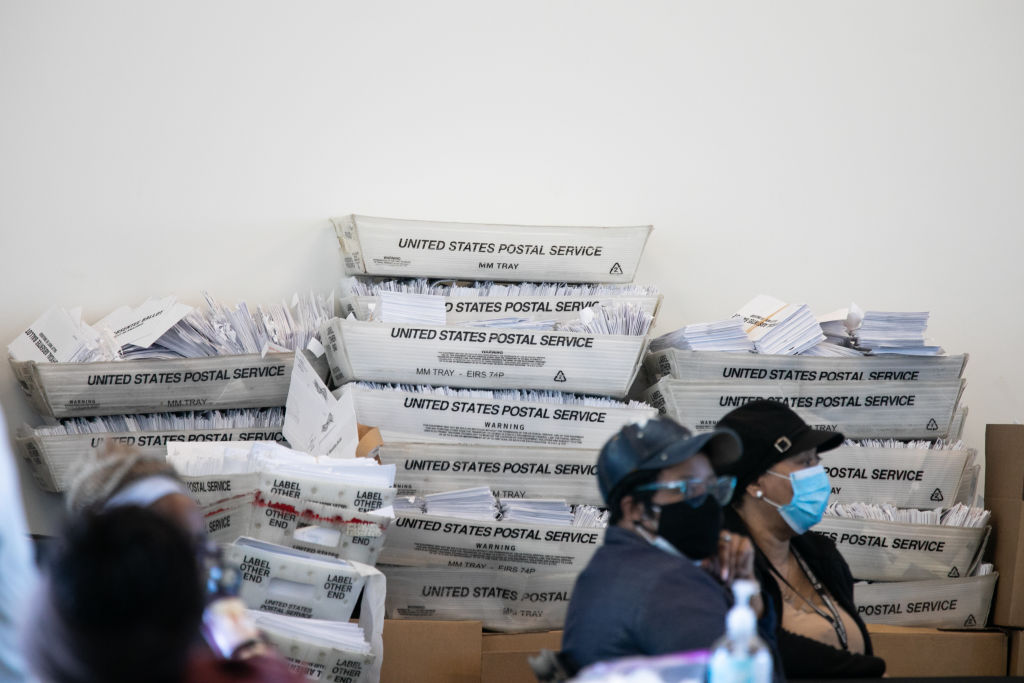
The provisions at issue in the case direct DHS to compile "state citizenship lists" using federal databases and call for the Postal Service to deliver mail ballots only to individuals who are on its own voter-eligibility lists.
The order also sets design requirements for mail-in ballot envelopes and directs the attorney general to prioritize investigations and prosecutions of state and local officials who provide ballots to noncitizens or other people ineligible to vote in federal elections.

However, days after the signing, Democratic officials from the 23 states and DC filed a lawsuit seeking to block the proposals, arguing that the president has no power to restrict voter eligibility or mail voting.
The officials also said the executive order attempts to interfere with their administration of elections in violation of the Constitution.
Overseeing the lawsuit, US District Judge Indira Talwani, an Obama nominee, sided with the 23 states and the District of Columbia and said the Trump administration cannot take any steps to implement those two provisions of the executive order.
Talwani said the executive and legislative branches lack authority over voter rolls. "It is clear that the federal agencies charged with compiling Confirmed Citizen Lists lack the ability to create complete and accurate lists of the US citizens residing in every state," Talwani said in a 37-page opinion.
"Both Congress and the president lack any role regarding voter eligibility."
Supreme Court backs Trump’s election order
The Justice Department appealed Talwani’s ruling, arguing that the states’ lawsuit was premature. However, in a 2-1 ruling late last month, the 1st US Circuit Court of Appeals blocked federal agencies from implementing Trump’s executive order while the legal battle continued.
The Trump administration then asked the Supreme Court to intervene.
Now, in Monday’s decision, the conservative majority sided with the Justice Department, agreeing that the lawsuit challenging Trump’s directive was premature and that the states did not have the required legal standing to sue at this stage.
"The Court's disposition of this application does not mean that any measure taken by the Government to implement the Order will necessarily be lawful," the Supreme Court said in an unsigned decision.
"On that score, time will tell. But the Order itself does not harm the States, so the District Court lacked jurisdiction to bar the Government from trying to implement it."
The Supreme Court’s decision clears the way for the Department of Homeland Security to advance a proposal to compile lists of residents in each state who are eligible to vote.
However, a key part of the executive order, giving the US Postal Service a new role, remains blocked nationwide under a separate lower-court ruling in a case brought by voting rights groups.
The Supreme Court’s decision also does not prevent the states from renewing their challenge once the administration begins implementation.