Supreme Court moves to erase Steve Bannon's conviction as lawyers say prosecution was 'unjust'
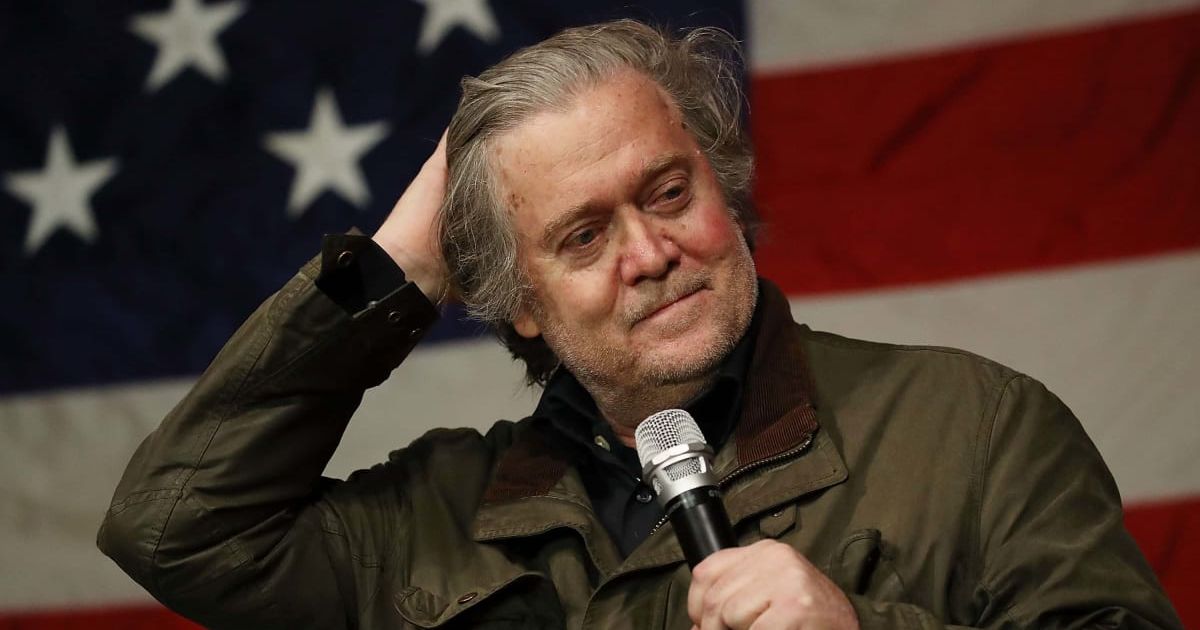
WASHINGTON, DC: The US Supreme Court on Monday, April 6, set aside a lower court ruling that upheld Steve Bannon’s conviction for contempt of Congress, opening the door for the case to be dismissed.
The decision followed a request from the Justice Department, which had said that dropping the case would be in the “interests of justice.”
Bannon, a former adviser to President Donald Trump, had already served a four-month prison sentence related to the conviction. The case now returns to a lower court for further proceedings.

Supreme Court order clears way for dismissal of conviction
In a brief order issued without noted dissents, the Supreme Court vacated a decision by a federal appeals court in Washington, DC, which had previously upheld Bannon’s conviction on two counts of contempt of Congress.
By setting aside that ruling, the court has enabled the Justice Department to proceed with efforts to dismiss the case.
The justices sent the matter back to the lower courts for additional action, effectively removing the legal standing of the prior appellate decision.
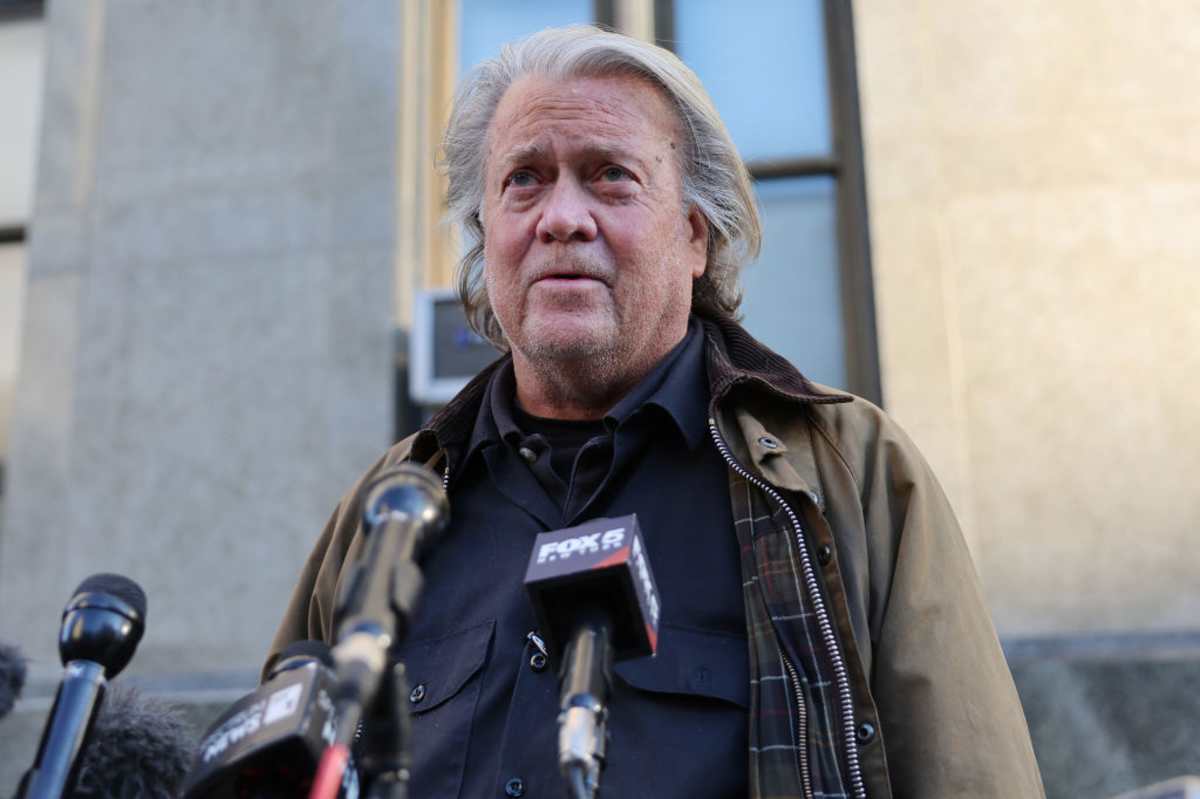
The Justice Department had already indicated its intent to seek dismissal, stating in court filings that doing so would be in the “interests of justice.”
If the case is formally dismissed, it would nullify the conviction, though largely as a symbolic outcome since Bannon has already completed his sentence.
The Supreme Court had earlier denied his request to remain free while appealing, resulting in him serving four months in prison in 2024. He was also fined $6,500.

Bannon’s legal team had argued before the high court that his prosecution was “ill-conceived” and “unjust,” maintaining that he did not act unlawfully in refusing to comply with congressional demands.
Case stems from January 6 investigation and subpoena defiance
The origins of the case date back to 2021, when the House committee investigating the January 6 attack on the US Capitol issued a subpoena seeking documents and testimony from Bannon.
Lawmakers were looking into his communications with Donald Trump regarding efforts to challenge the outcome of the 2020 presidential election.
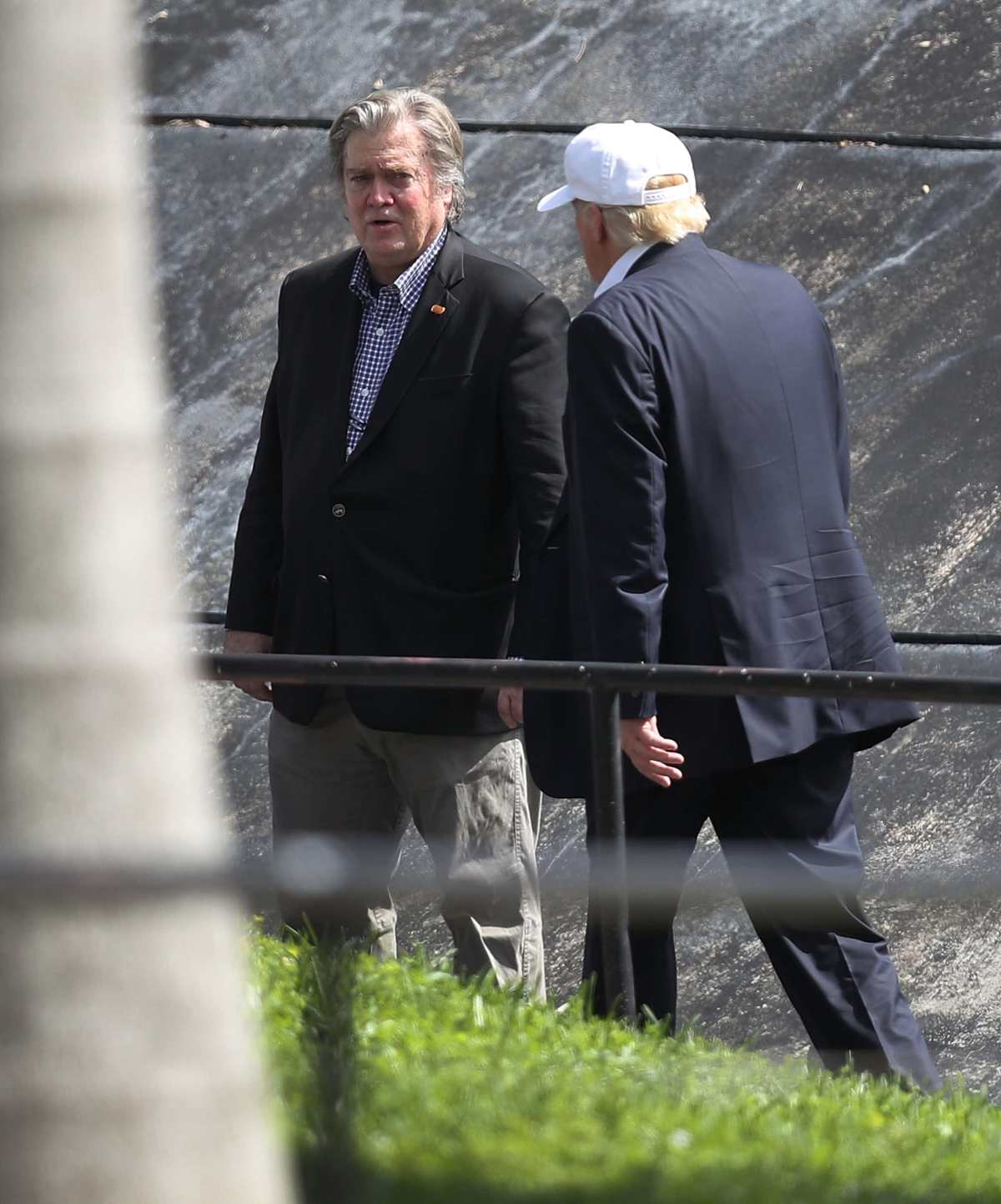
Bannon declined to comply with the subpoena, asserting that he believed executive privilege had been invoked by Trump, which he argued prevented him from providing the requested information.
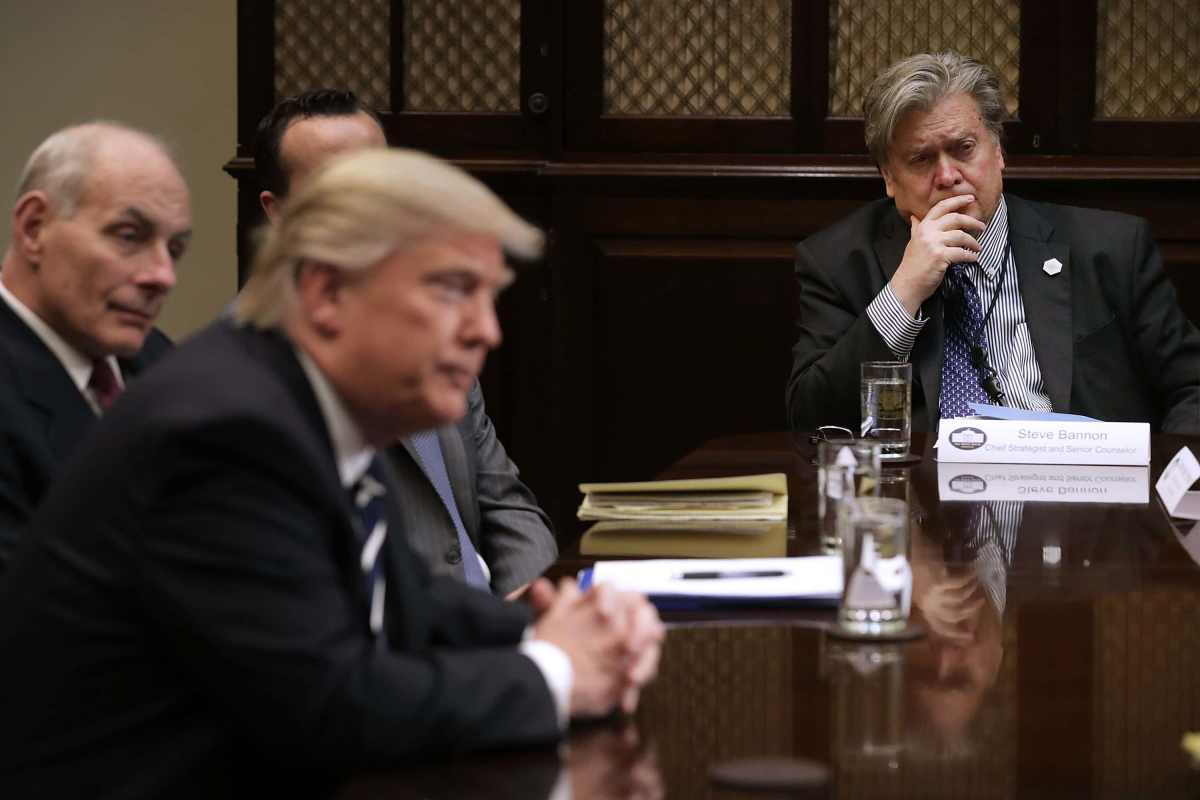
At the time, Bannon was a private citizen, having left his role as White House chief strategist in 2017.
The House of Representatives subsequently voted to hold Bannon in contempt of Congress, leading to his indictment on two criminal counts.
He pleaded not guilty, but a jury convicted him in 2022. During the trial, Bannon indicated a willingness to testify publicly and claimed that Trump had waived executive privilege, though the proceedings continued and resulted in his conviction.
His appeal was rejected in May 2024, when a three-judge panel upheld the jury’s verdict. However, following the change in administration, the Justice Department revisited the case and moved to dismiss it.