Supreme Court to decide fate of 1.3M as Noem’s ‘temporary’ status purge faces challenge
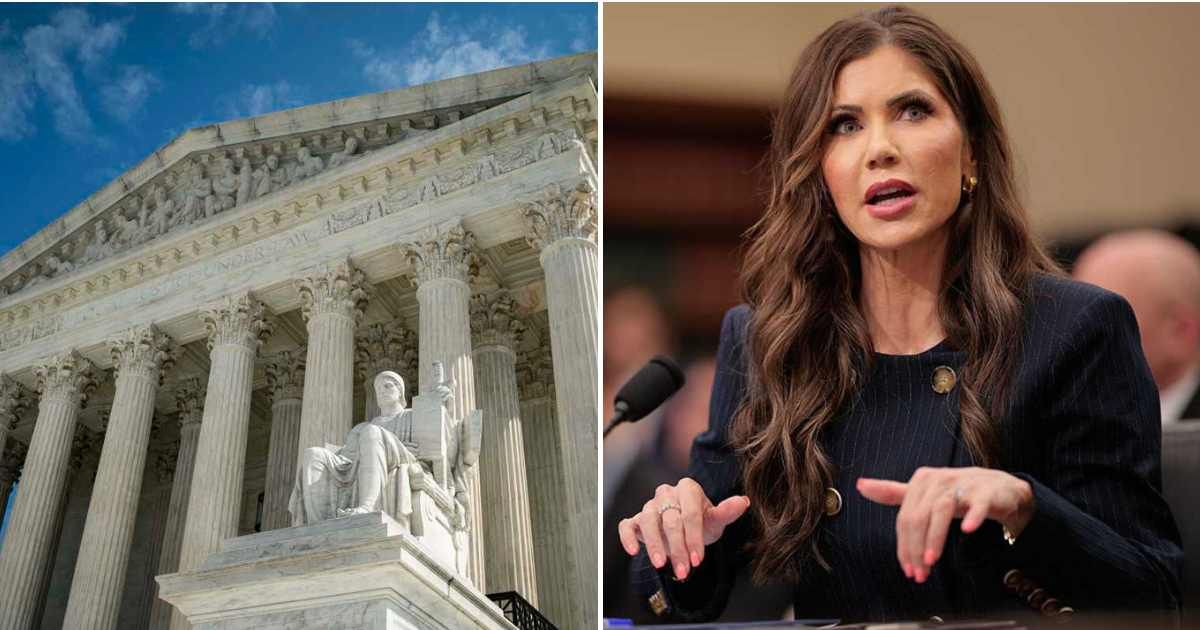
WASHINGTON, DC: The legal battle over the future of 1.3 million individuals living in the United States intensified on Wednesday, April 29, as the Supreme Court prepared to hear a landmark challenge against former Homeland Security Secretary Kristi Noem.
At the center of the dispute is Noem’s move last year to terminate Temporary Protected Status (TPS) for asylum seekers from 11 countries, a decision she framed as an effort to restore the program’s temporary intent rather than allow it to function as a long-term measure.
While federal law has traditionally limited court challenges to TPS decisions, hundreds of thousands of migrants are now relying on a procedural argument.
The Supreme Court has chosen to hear challenges involving Syria and Haiti simultaneously.
The outcome will determine whether the executive branch can end protections without conducting the periodic country-condition reviews typically associated with the statute.
Government claims immunity from judicial review
The Trump administration has maintained in court filings that Congress explicitly restricted federal courts from reviewing TPS determinations.
According to the government, courts are not permitted to examine the Secretary’s decision-making process, reasoning, or conclusions.

This position suggests that the Department of Homeland Security (DHS) can set TPS rules without judicial oversight.
Ahilan Arulanantham, representing Syrian TPS holders, stated that the stakes are significant. He argued that if the government’s position is upheld, protections could be terminated without assessing on-ground safety conditions.
This argument has become central to the migrants’ case, as they contend that some level of review is necessary to prevent arbitrary outcomes.
Internal records reveal limited country review
Court filings have pointed to internal concerns about the review process.
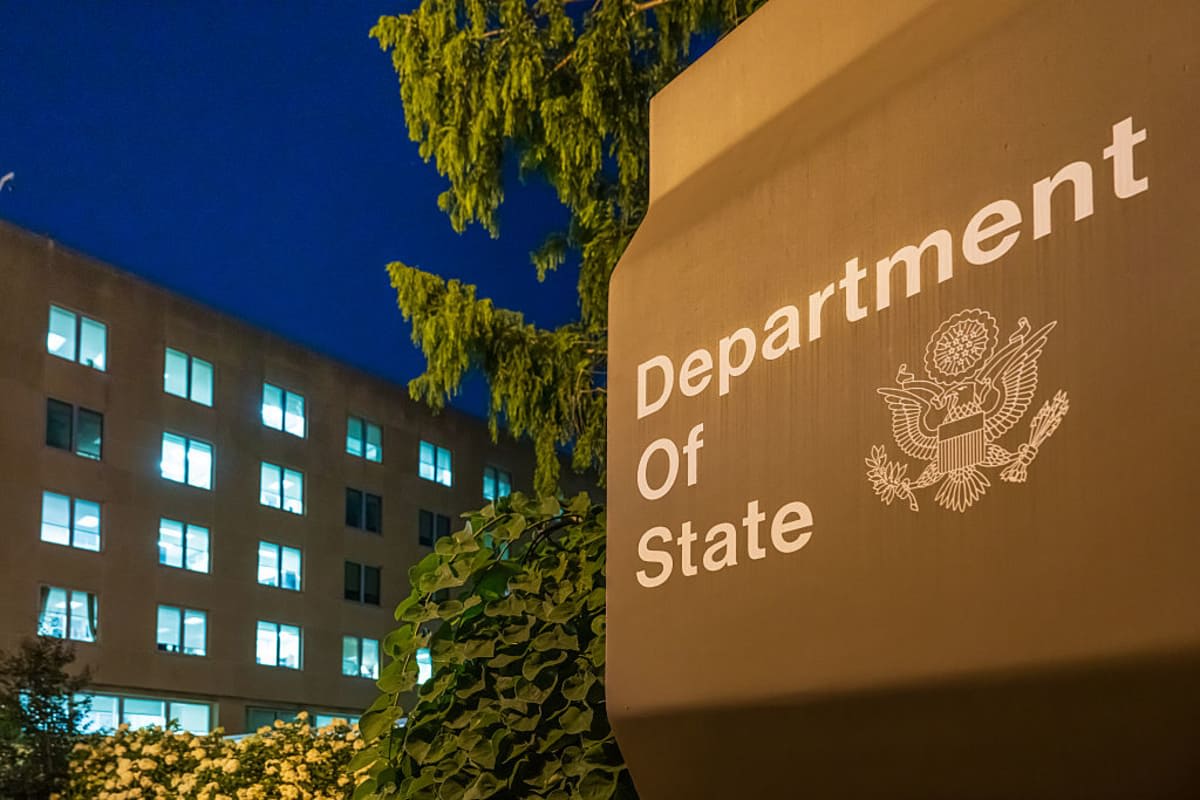
Documents indicate that State Department input to DHS, in some instances, consisted of a brief two-sentence communication that did not reference country conditions.
A former immigration official, speaking anonymously, alleged that there was pressure to classify certain countries as “safe” despite earlier assessments suggesting otherwise.
For the 1.3 million individuals under TPS, these details raise questions about how the decisions were reached.
Legal advocates argue that the terminations may not have followed the level of review typically expected, particularly given that TPS is tied to conditions such as armed conflict or natural disasters.
Haitian group alleges racially motivated bias

A key aspect of the case involves Haitian TPS holders, who have been allowed to argue that the termination of their status was influenced by racial bias.
The claim references statements from the 2024 campaign period and alleges that the decision was predetermined.
This argument has drawn attention from civil rights groups, even as a bipartisan bill to reinstate protections for Haitians remains pending in the US Senate.
While DHS has stated that the program must remain temporary, the inclusion of bias claims adds another layer of scrutiny to the court’s review.
New Secretary holds final decision power

Even if the Supreme Court finds procedural issues with the terminations for Syria and Haiti, the outcome may not be final.
Current DHS Secretary Markwayne Mullin retains the authority to revisit the decisions and could reach the same conclusions after conducting a revised review.
This means that any ruling may provide only limited relief, depending on how the administration proceeds.
With additional TPS determinations expected later in the President’s term, the case is being closely watched as a defining moment for immigration policy going forward.