Taylor Swift files trademarks to ‘seek federal protection’ for voice, image from AI misuse
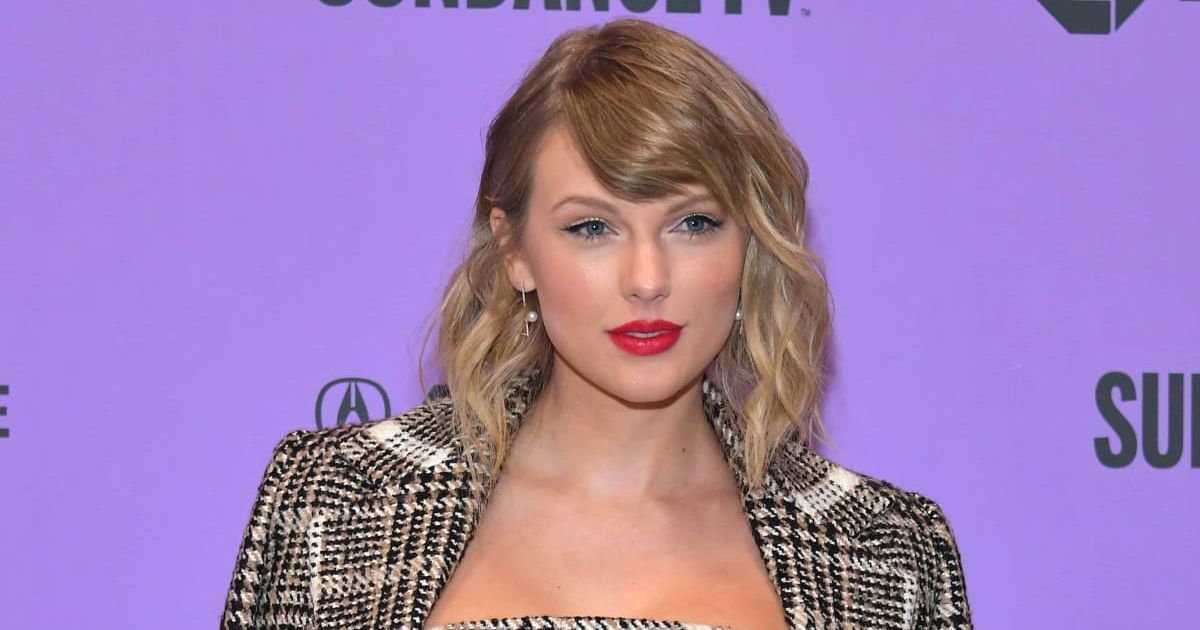
NEW YORK CITY, NEW YORK: Taylor Swift has taken a new legal step to safeguard her identity in the age of artificial intelligence, filing trademark applications on Friday, April 24, aimed at protecting both her voice and likeness.
The move comes amid rising concerns over AI-generated impersonations and deepfake content involving public figures.
Through these filings, her team seeks stronger control over how her personal identity is used in digital and commercial contexts.

Taylor Swift takes legal steps to protect identity from AI manipulation
The pop superstar's company, TAS Rights Management, submitted three trademark applications in the United States, including protections tied to her voice and image.
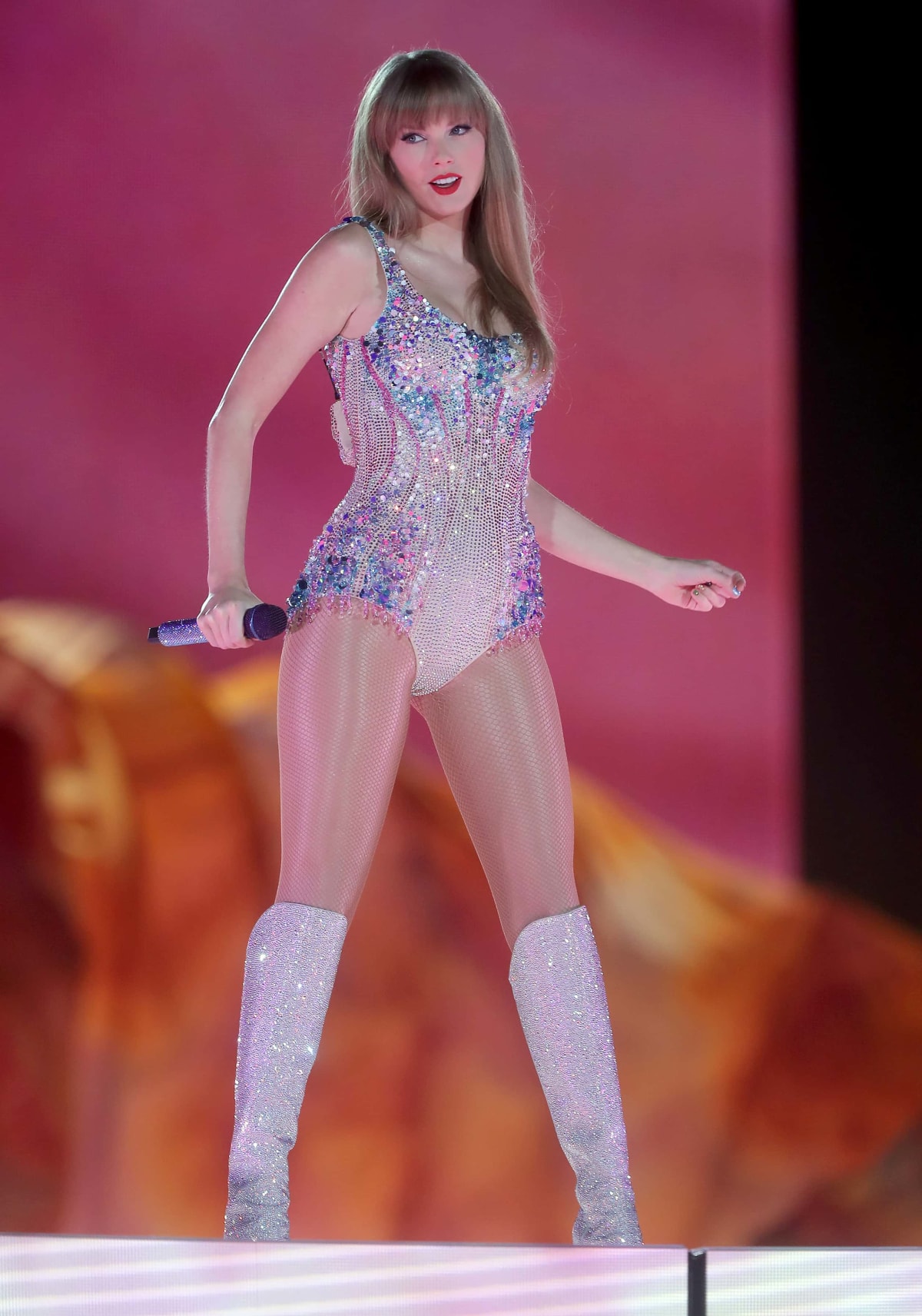
The filings include two audio clips featuring Swift introducing herself while promoting her album 'The Life of a Showgirl,' along with a specific performance image from her Eras Tour.
One filing seeks protection for the spoken phrase "Hey, it's Taylor," a move that could help Swift challenge AI-generated clips or unauthorized uses of her voice online.
"Taylor's trademark filings suggest a broader shift in how celebrities are applying trademark law to fight back against AI," intellectual property and trademark attorney Josh Gerben wrote on his blog.
He further said, "Taylor Swift isn't merely trying to trademark a catchphrase, she's seeking federal protection for the sound of her own voice saying it."
As AI-generated songs, videos, and manipulated content continue to circulate widely online, artists and actors are increasingly seeing their voices and likenesses used without consent.
Swift has already found herself at the center of this growing debate over digital identity and unauthorized AI use.
In January 2024, nonconsensual, seemingly AI-generated explicit images falsely depicting the singer-songwriter circulated online, sparking widespread outrage among fans and intensifying demands for stronger federal safeguards against AI misuse.
In response, the platform X temporarily restricted searches for her name while attempting to remove the content.
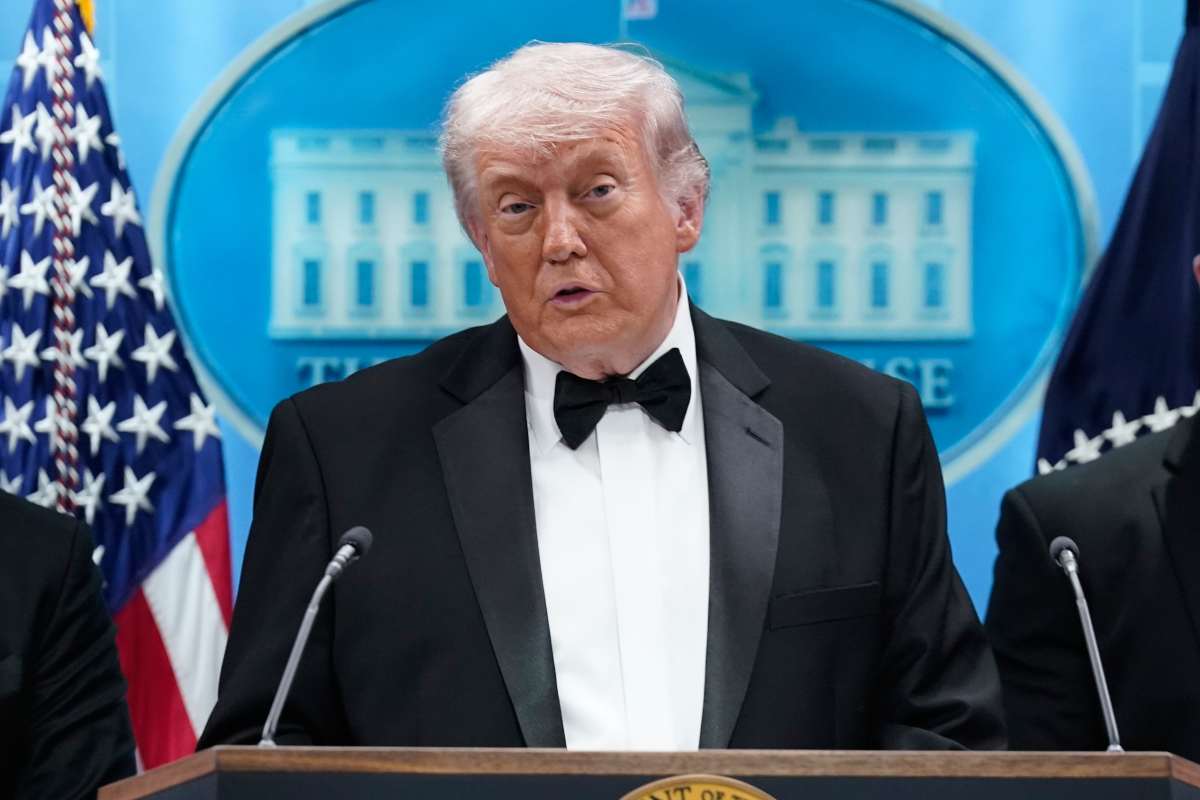
AI Regulation debate grows as Trump order challenges state laws
In August 2024, 'The Life of a Showgirl' singer was also pulled into AI-generated political content when then-presidential candidate Donald Trump shared a series of suspected AI-created images on Truth Social, implying that Swift and her fanbase supported his campaign.
The posts circulated despite her having previously expressed opposition to Trump. One image showed Swift dressed as Uncle Sam with the words, "Taylor wants you to vote for Donald Trump."
"Musicians and actors have increasingly found their voices and images used in unauthorized videos, songs, and digital content that is created by AI and circulated online," Gerben wrote.
Swift’s team also sought protection for a specific visual image of her performing onstage, holding a pink guitar while wearing a shimmering multicolored bodysuit and silver boots. The image is closely associated with her recent performances and promotional materials from her record-breaking tour.

Gerben wrote, "Now, anyone can spin up a version of an artist's voice, have it say anything, attach it to anything, and distribute it at scale, And the scary part? It doesn’t have to be an exact copy to cause damage."
The broader debate over AI regulation is also unfolding in Washington. In December, Trump signed an executive order seeking to restrict states from creating and enforcing their own AI laws, a decision that could impact protections like Tennessee’s ELVIS Act, which safeguards artists’ voices and likenesses.