‘Tell the general I’m sorry’: Trump blames Hegseth for Army chief’s firing
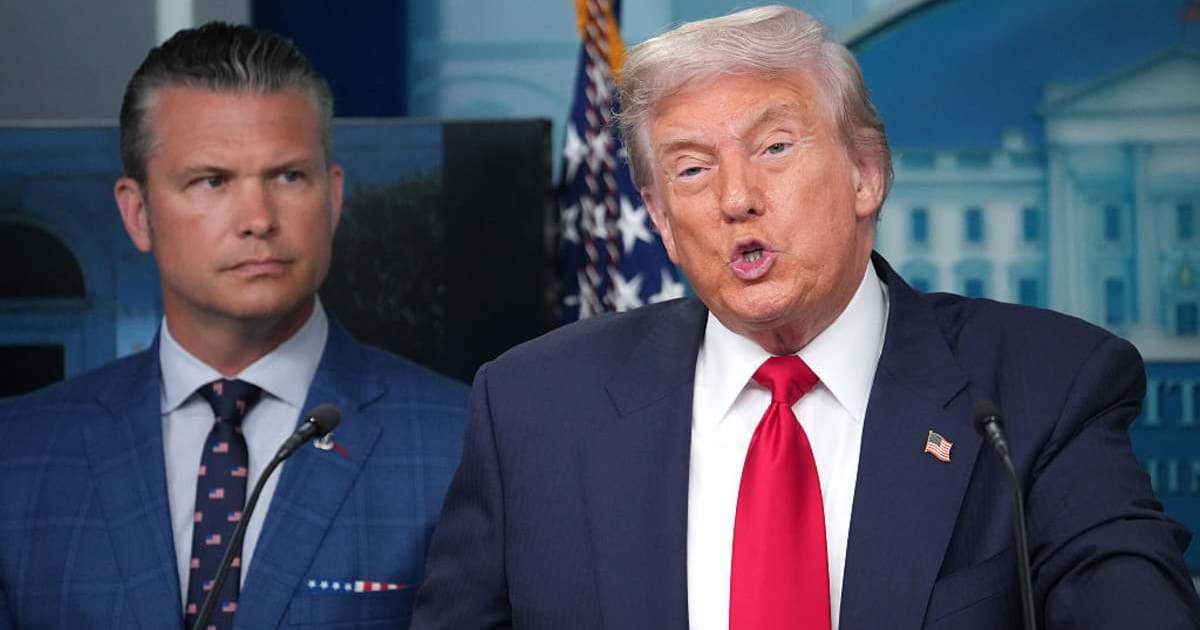
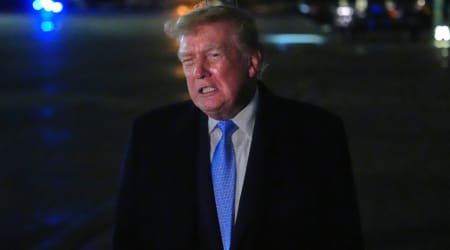
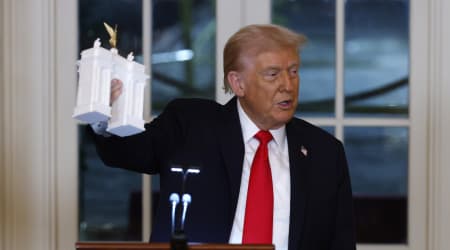
WASHINGTON, DC: President Donald Trump reportedly told Senator Joni Ernst that Defense Secretary Pete Hegseth was responsible for the April firing of Army Chief of Staff Gen. Randy George, according to a report by The New York Times.
Ernst had contacted Trump to object to George’s removal and argue that the Iowa native should have been allowed to complete his term. Trump reportedly told the senator that the decision had been Hegseth’s and conveyed a message to the former Army chief: “Tell the general I’m sorry.”
Trump reportedly blames Hegseth for George’s firing
The call came after Hegseth abruptly removed George in April following months of tension between the Pentagon chief and senior Army leadership. George had been expected to remain in the position until his term ended in mid-2027, according to the report.
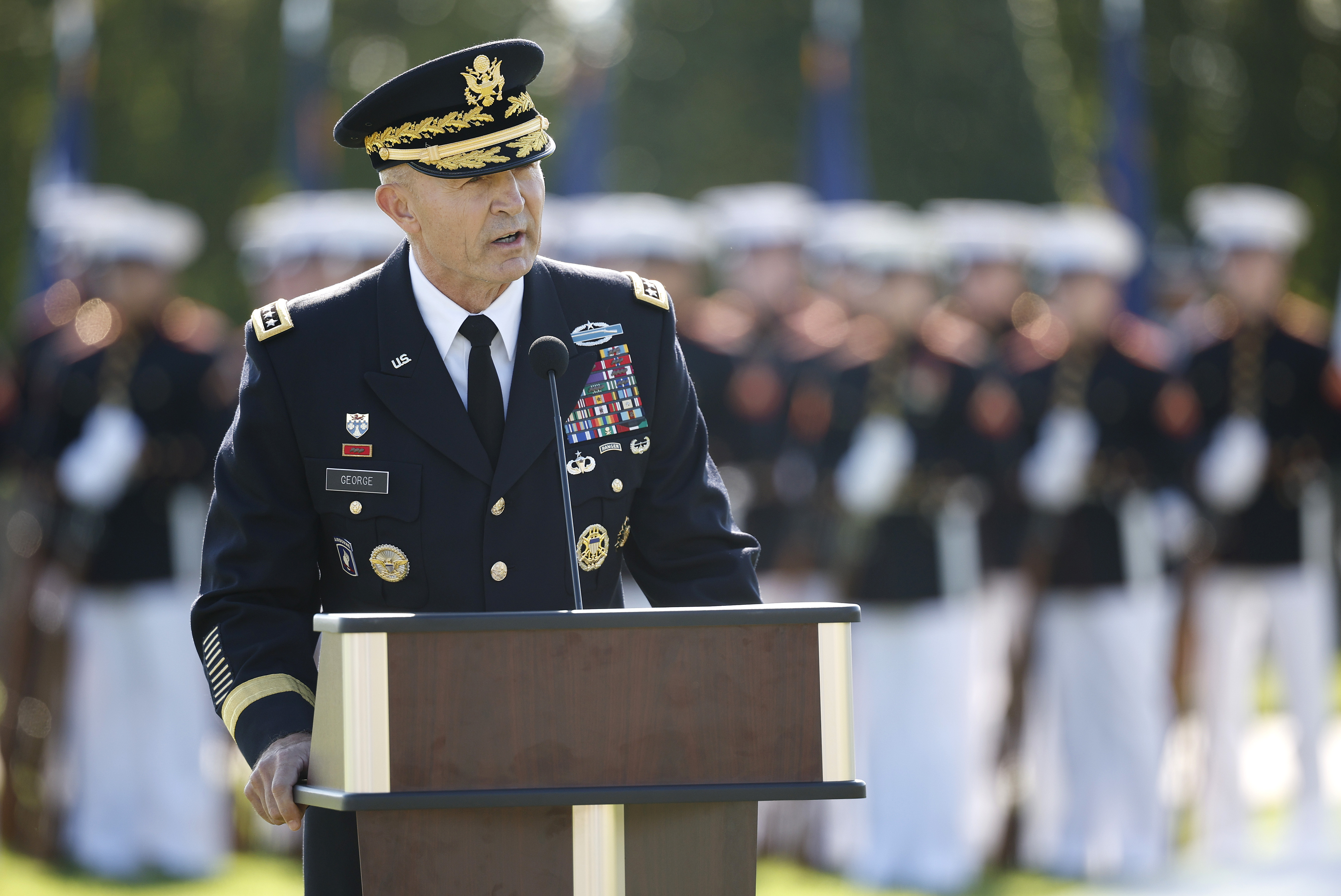
According to the report, Ernst, a Republican from Iowa and former Iowa National Guard officer, said Hegseth had assured her that George, who was also from Iowa, would remain in the position until his term ended.
Ernst reportedly called Trump to object to the firing, describing George as one of the Army’s strongest officers and noting that George’s parents had voted for the president. Trump then told her that the firing had been Hegseth’s decision and conveyed a message to the former Army chief: “Tell the general I’m sorry.”
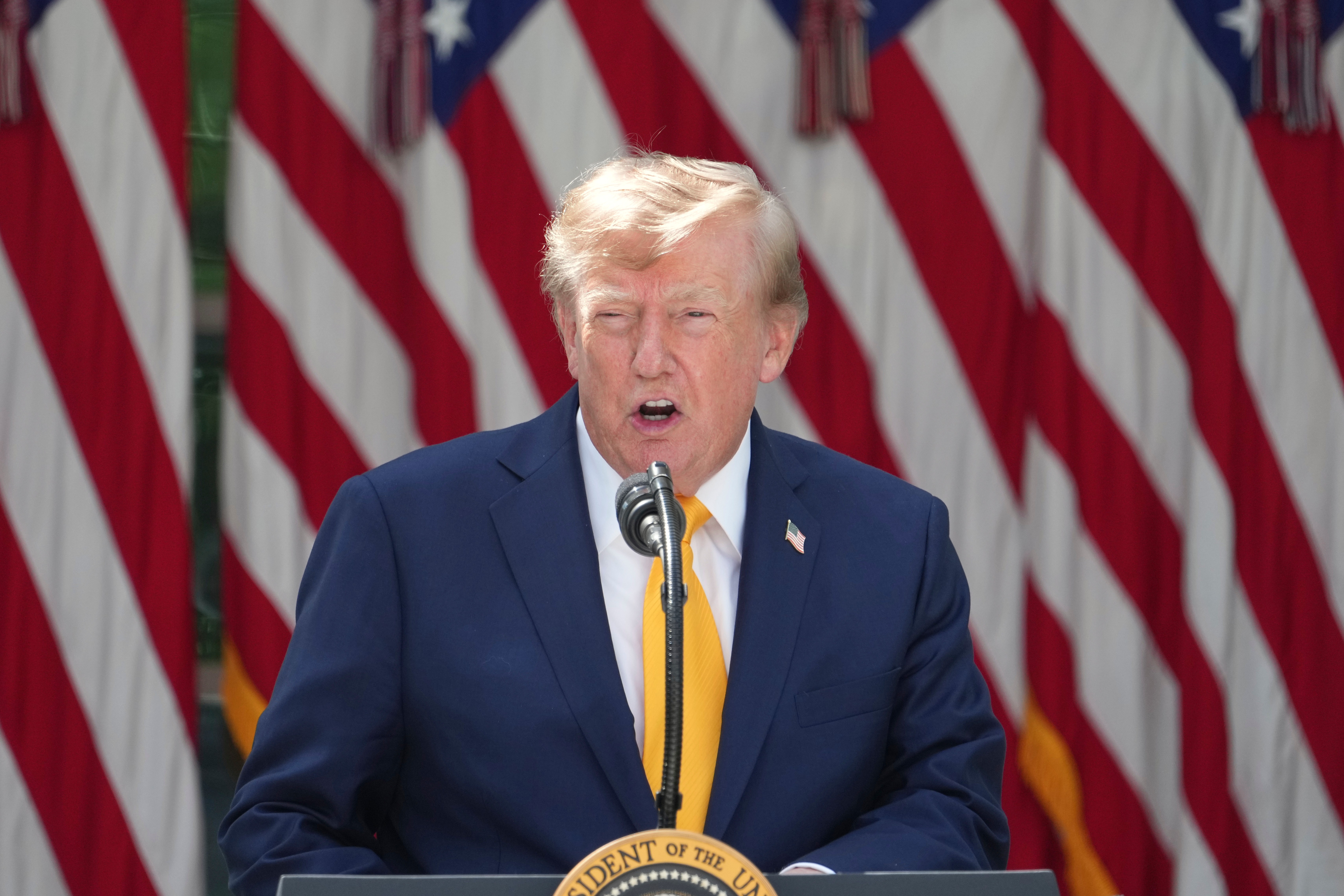
George was removed during a roughly 15-second phone call, according to the report. Hegseth later placed Gen. Christopher LaNeve, his former senior military aide, in the position of acting Army chief. LaNeve currently lacks enough Republican support in the Senate for confirmation as the service’s permanent leader, with Ernst among the senators opposing his appointment.
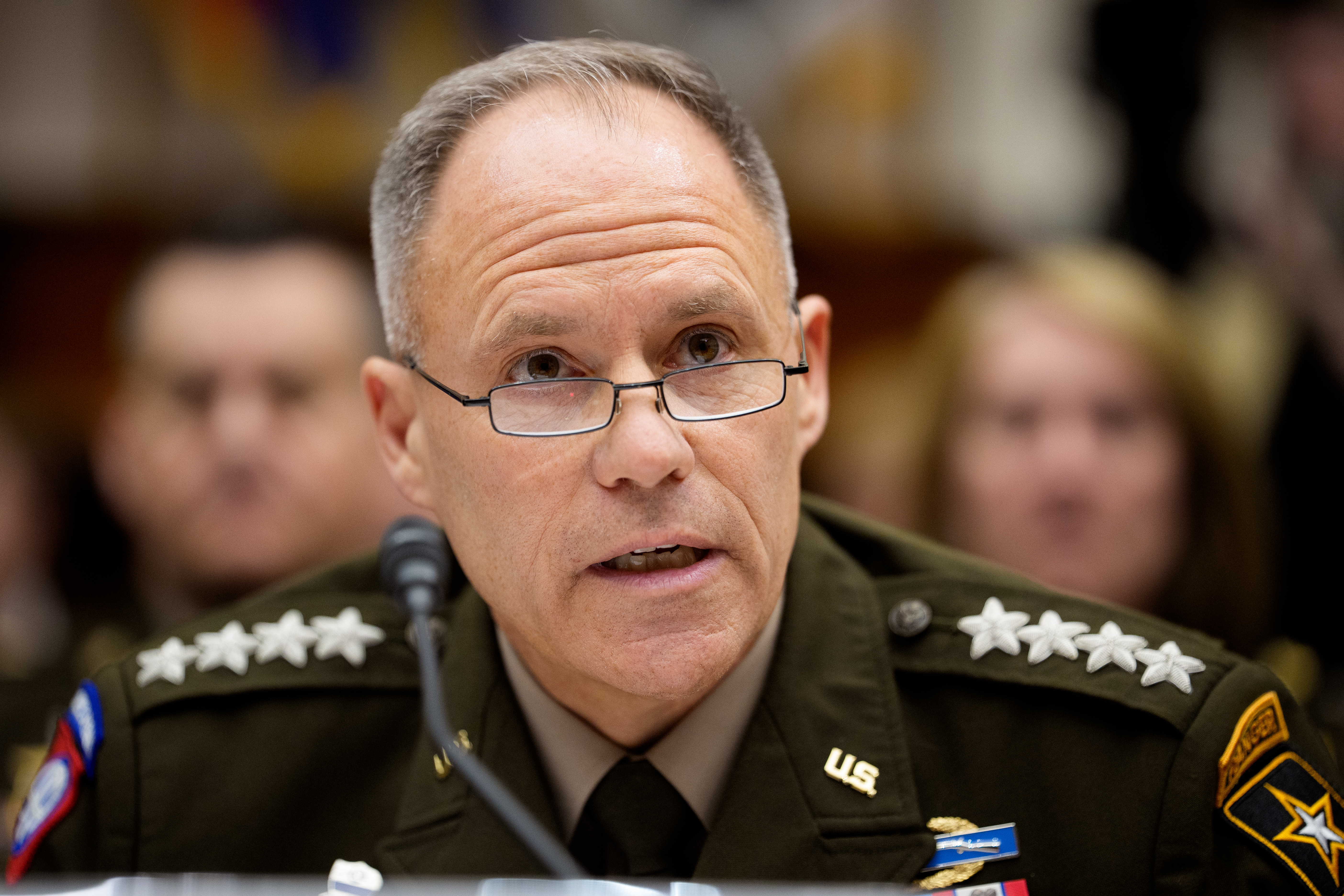
Hegseth faces Senate opposition over Army leadership
The leadership dispute has continued after George’s removal, with LaNeve serving as both vice chief and acting Army chief. His nomination to become the Army’s permanent chief has faced resistance from Republican senators, including Ernst.
The Army has also experienced other senior-level departures under Hegseth. Gen. James Mingus, the Army’s vice chief of staff, was pushed out last year, while Gen. David Hodne and Maj. Gen. William Green were also removed from their positions, according to the report
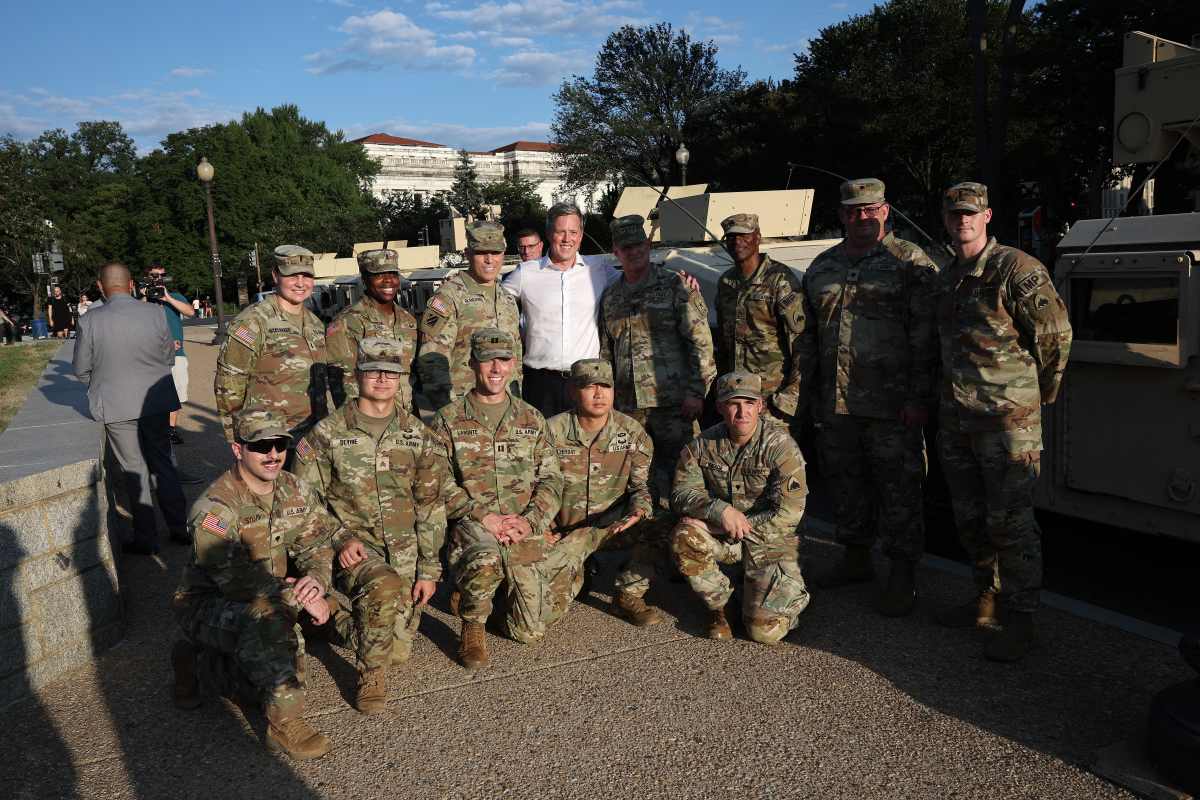
Army Secretary Daniel Driscoll is additionally expected to leave the administration in the coming months following reported tensions with Hegseth. His departure would create another vacancy at the top of the service amid broader changes to its senior leadership.
Army leadership vacancies grow amid military demands
The leadership changes come as the Army faces significant operational demands, particularly in the Middle East. Army air-defense units have been involved in defending US forces from Iranian missile and drone attacks, while the service continues supporting Ukraine.
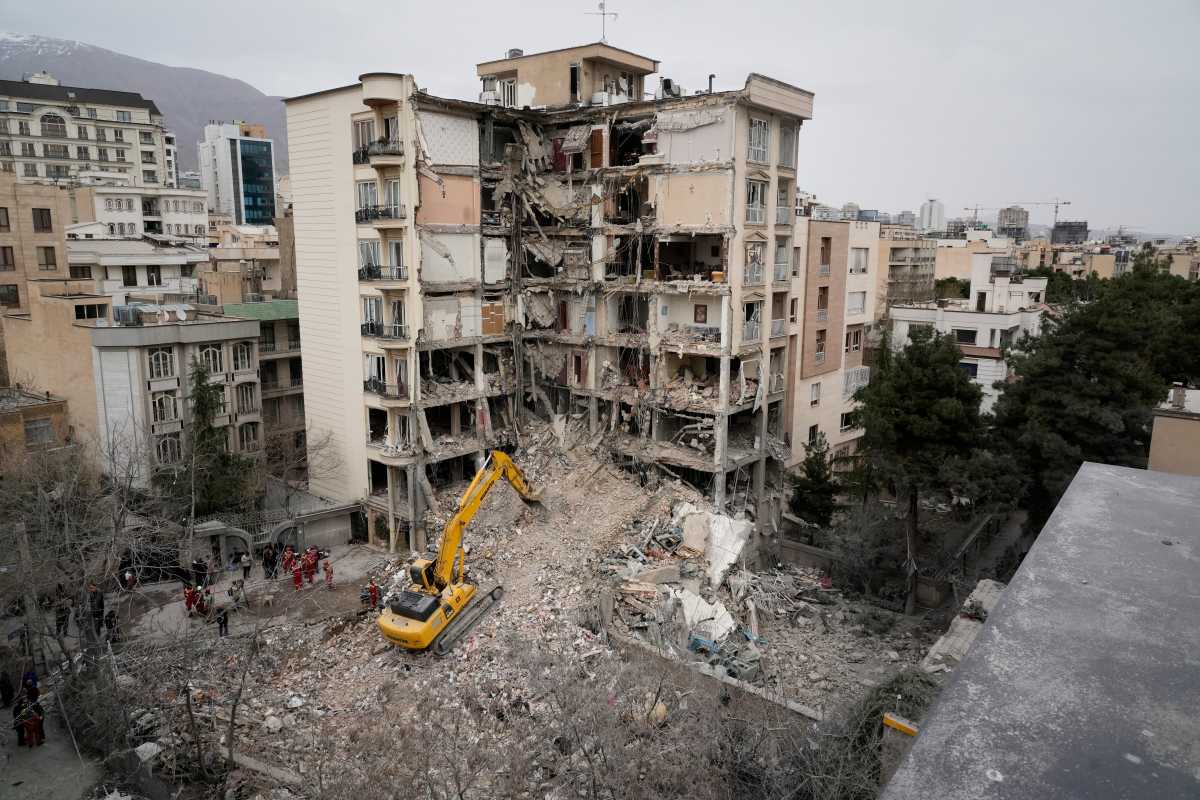
The number of active-duty four-star Army generals has fallen from 10 in January 2025 to five, according to the report, with some senior positions vacant or temporarily filled by officers from other services.
The leadership changes have prompted concern among some lawmakers and former military officials about the impact on the Army’s readiness and institutional continuity.
Democratic Rep. Pat Ryan, a former Army intelligence officer, said the departures could weaken the service during a period of active military operations. “Hollowing out the most battle-tested and most lethal, proven leaders in a time of war means troops are less safe and we’re less likely to win,” Ryan told the outlet.