Trump sends Saudi nuclear deal to Congress, but ties approval to Israel recognition
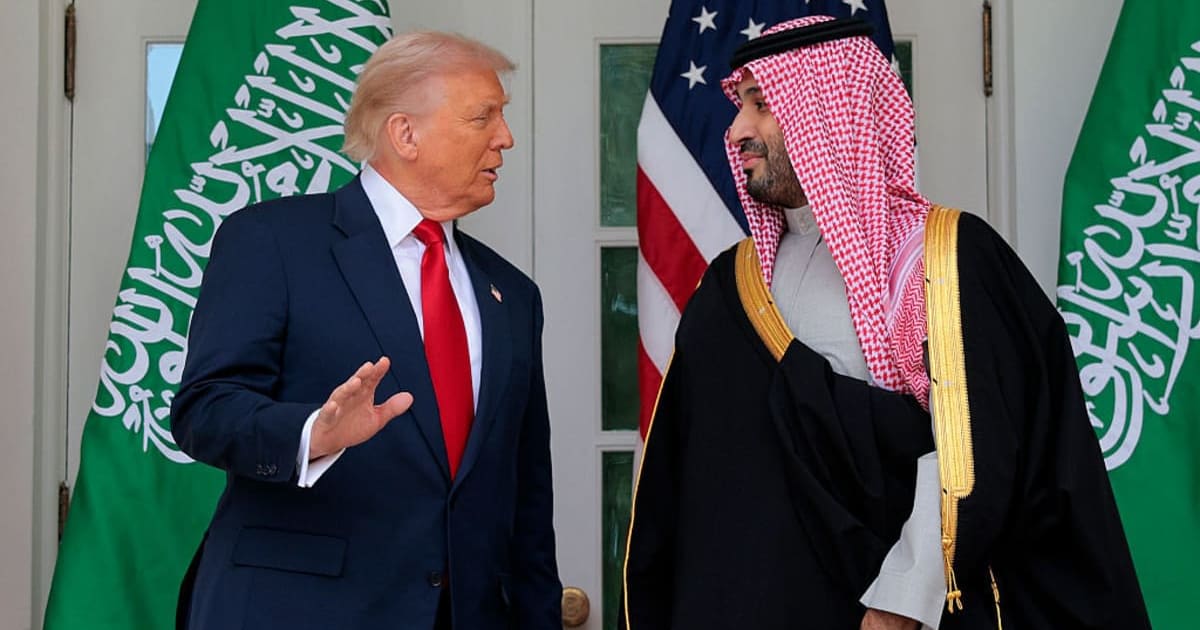
WASHINGTON, DC: President Donald Trump on Monday, August 24, submitted a proposed civil nuclear cooperation agreement with Saudi Arabia to Congress, beginning the formal review process for the deal. The agreement, reached in July, would allow US companies to participate in developing Saudi Arabia’s civilian nuclear program.
Trump has continued to insist that the agreement will only take effect if Saudi Arabia normalizes relations with Israel through the Abraham Accords. The deal is expected to face scrutiny on Capitol Hill over its commercial terms and nuclear nonproliferation safeguards.
Trump sends Saudi nuclear pact to Congress for review
The agreement has been sent to congressional leaders and is expected to be referred to committees for review. Under the congressional review process, lawmakers have 90 session days to object before the agreement can take effect. If Congress rejects the pact, Trump could veto that decision, requiring a two-thirds majority in both chambers to override him.

The 30-year agreement is expected to involve the construction of AP1000 reactors, a multibillion-dollar project that could benefit US nuclear companies. The proposed arrangement would establish a framework for American companies to participate in Saudi Arabia’s civilian nuclear energy program.
However, the agreement has also drawn scrutiny from lawmakers and nuclear nonproliferation advocates over provisions concerning uranium enrichment and nuclear waste reprocessing. Critics have argued that allowing those activities could run the risk of future nuclear proliferation in an already unstable region.
The United Arab Emirates accepted restrictions on enrichment and reprocessing as part of its 2009 civil nuclear agreement with Washington. Nonproliferation advocates have argued that similar restrictions should be applied to Saudi Arabia before the deal is finalized.
Henry Sokolski, head of the Nonproliferation Policy Education Center, said, “this is hardly ideal if you're serious about no enrichment,” Sokolski said.
Trump repeats Israel normalization demand for Saudi nuclear deal
Trump’s condition for the nuclear agreement is not new. In July, shortly after announcing the pact, the president said Saudi Arabia would have to join the Abraham Accords before the nuclear arrangement could proceed.
“The Civil Nuclear Deal (There will be no enrichment of material!)... which pertains only to non-military use... will be approved, but is totally subject to Saudi Arabia joining the very respected and successful Abraham Accords,” Trump wrote on Truth Social.
"The Civil Nuclear Deal (There will be no enrichment of material!) being made between the United States Department of Energy and Saudi Arabia, which pertains only to non-military use such as the ones that Iran and UAE (and others) already have, will be approved, but is totally… pic.twitter.com/C2WaB5nKcP
— The White House (@WhiteHouse) July 23, 2026
The Abraham Accords, brokered by the United States during Trump’s first term, established diplomatic relations between Israel and several Arab and Muslim-majority countries, including the United Arab Emirates, Bahrain and Morocco, while Sudan also joined the framework.
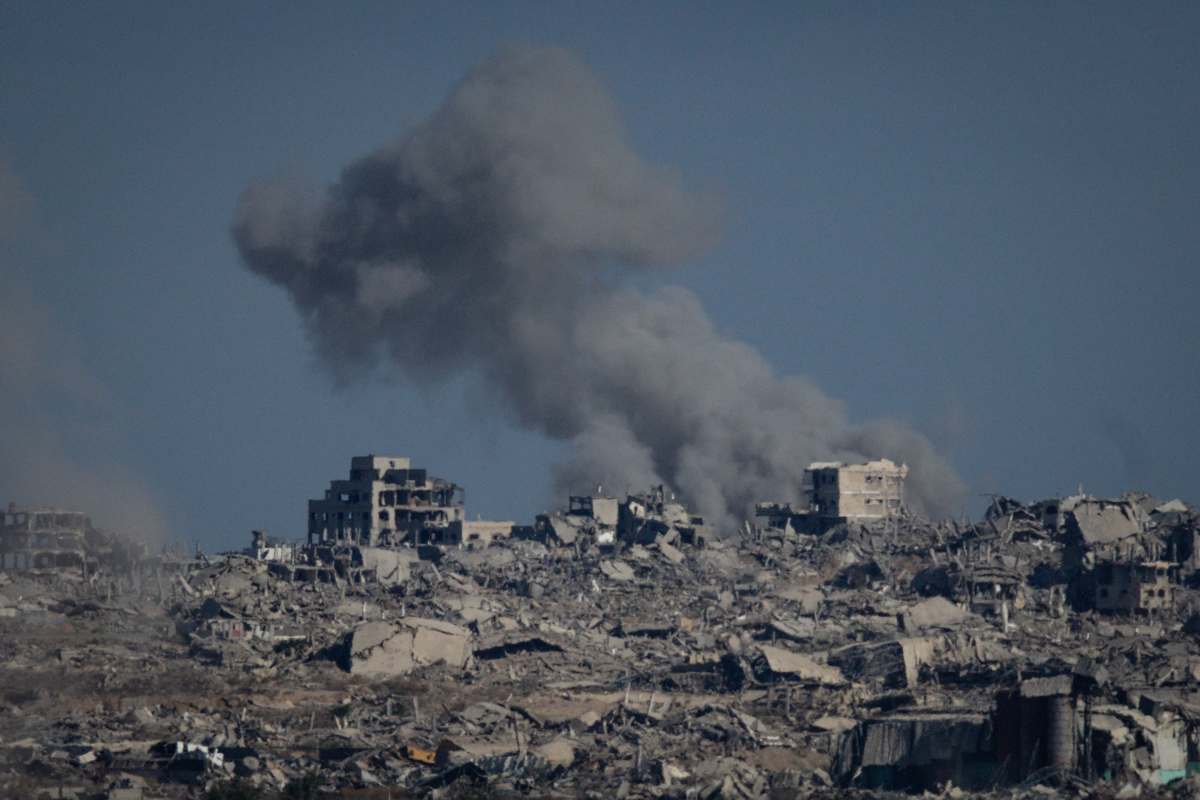
Saudi Arabia has not yet agreed to normalize relations with Israel and has said it wants an irreversible path toward the establishment of a Palestinian state before doing so. Riyadh’s position became more pronounced after the outbreak of the Israel-Gaza war in October 2023, which disrupted earlier diplomatic efforts toward Saudi-Israeli normalization.
BREAKING: Israeli Prime Minister Benjamin Netanyahu says that if Saudi Arabia joins the Abraham Accords, it would be “an historic leap forward for peace in the Middle East”.
— Al Jazeera English (@AJEnglish) July 23, 2026
🔴 Live updates: https://t.co/kGUykdVSBy pic.twitter.com/EfMieAUgyt
Israel, however, welcomed the decision. In a post on X, Israeli Prime Minister Benjamin Netanyahu's office said that Saudi Arabia joining the accords "would be an historic leap forward for peace in the Middle East."