‘There’s no cure’: Bill Ritter steps away from anchor desk after revealing Alzheimer’s diagnosis
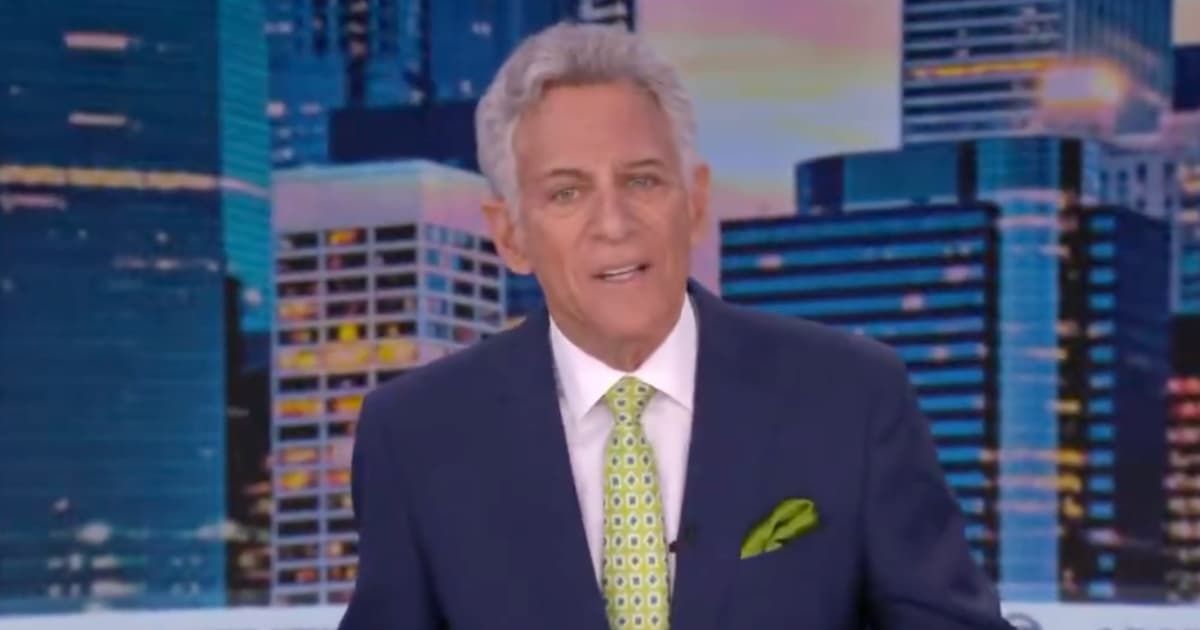
A message from the legendary Bill Ritter.
— Ryan Field (@RyanFieldABC) June 13, 2026
We are praying and pulling for you my friend.
It’s been the greatest honor of my career to share the stage with you. pic.twitter.com/7Jm6VIQBcm
WASHINGTON, DC: Veteran anchor Bill Ritter, 76, used his final newscast to reveal an Alzheimer's diagnosis and announce a new mission to report on the disease’s growing toll on patients and families.
The emotional disclosure immediately shifted attention beyond his retirement from the anchor desk. Ritter said he now wants to spotlight the human and financial burden of Alzheimer’s at a time when he is living through it himself.
Bill Ritter reveals early-stage Alzheimer’s diagnosis
During the Friday, June 12, broadcast of ABC7's ‘Eyewitness News’, Ritter told viewers, “My life has taken a turn,” before revealing that doctors had diagnosed him with Alzheimer’s after a series of tests.
The veteran journalist said he is in the “early stage” of the disease and that treatments are “keeping it at bay, at least for now”.
But Ritter also acknowledged the uncertainty ahead.
“There is no guarantee here, because there’s no cure yet for Alzheimer’s,” he said. “So, unless someone finds an amazing cure and really soon, tonight will be the last newscast I anchor.”
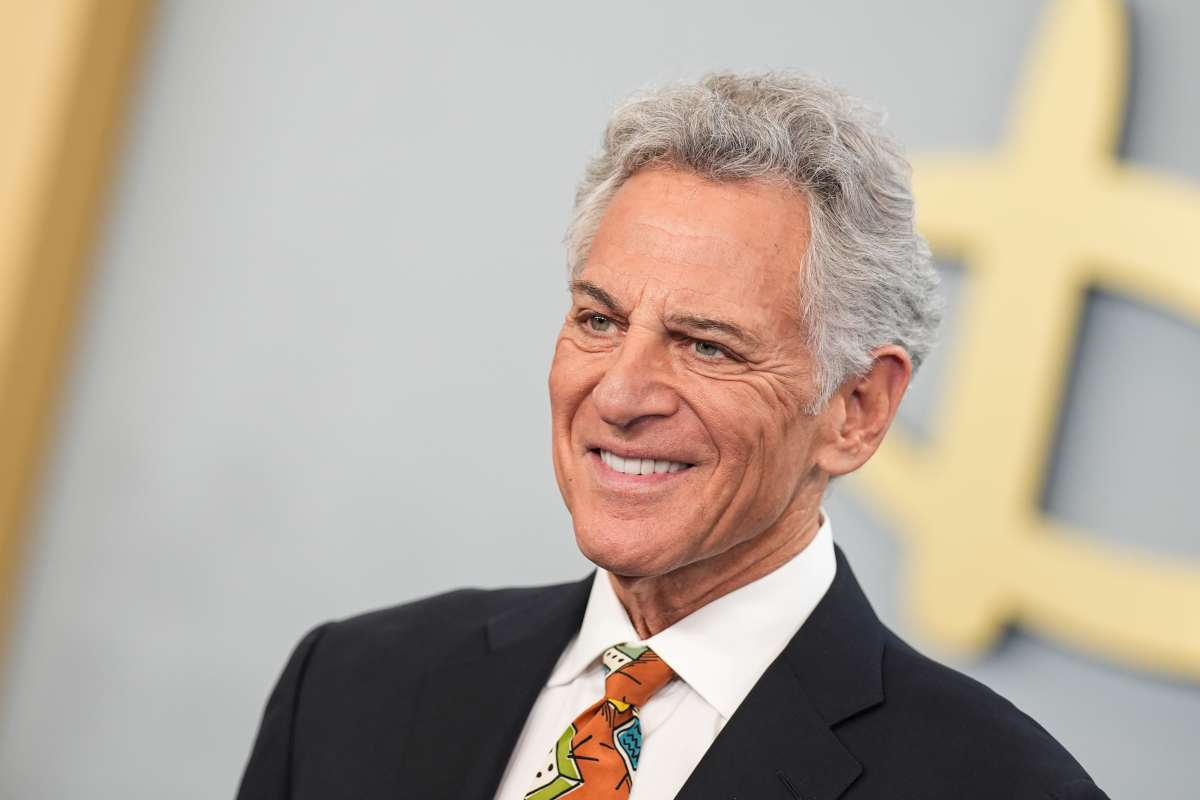
While announcing his decision to step away from the anchor chair after nearly three decades at ABC7, Ritter made clear he is not leaving journalism.
“I’m going to continue working right here at ABC7,” he said. “I will continue helping the younger journalists here at ‘Eyewitness News.’”
He added that viewers would still see him reporting both on television and online.
Bill Ritter plans to report on Alzheimer’s burden
Ritter said his future reporting will focus directly on the disease that has now altered his own life.
“This station wants to dig deeper into the rising tide of Alzheimer’s and other similar diseases,” he said.
He pointed to the challenges facing families dealing with the condition, including affordability concerns.
“How it’s affecting patients and their families. How the price of treatment and the price of caring for patients is simply unaffordable. And how this country might begin to change all that,” Ritter said.
Thank you to all of the viewers for the support and well wishes for Bill Ritter. We are deeply grateful. pic.twitter.com/FiikY92n0E
— Eyewitness News (@ABC7NY) June 16, 2026
The announcement transformed what could have been a retirement message into a public call for greater attention to Alzheimer’s and its economic consequences.
Ritter also noted that his connection to the disease stretches back decades.
“My dad died with it in June 1998,” he said. “I have since been active in the fight to stop Alzheimer’s.”
Bill Ritter highlights early warning signs in 'Good Morning America' interview
Bill Ritter opened up on Good Morning America about stepping away from the anchor desk after going public with his early-stage Alzheimer’s diagnosis and the outpouring of love he’s received: “This disease doesn’t care about your politics — we’re all in this together.”
— Eyewitness News (@ABC7NY) June 15, 2026
More:… pic.twitter.com/95YxAk8d2o
Speaking on ‘Good Morning America' on Monday, Ritter said transparency with viewers was part of his responsibility as a journalist.
“My job as a journalist is to speak honestly to the public,” he said. “Truth and facts is what we deal with.”
He revealed that memory issues began roughly two years before his diagnosis.
“I realize I was forgetting people, names, and places,” Ritter recalled. “Didn’t know why this was happening. My wife also noticed it.”
After initially blaming his demanding schedule, Ritter said the symptoms persisted even after reducing his workload.
“And so, it was at that moment, just like that, we said, ‘I gotta get tested,’” he said, urging others not to ignore warning signs.
Ritter also described the fear that followed the diagnosis.
“My first reaction was, I thought about my dad,” he said. “And then a couple of seconds later, I was scared. I don’t mind saying that. It was scary.”