Top House Democrat slams US action in Venezuela as an ‘imperial adventure’
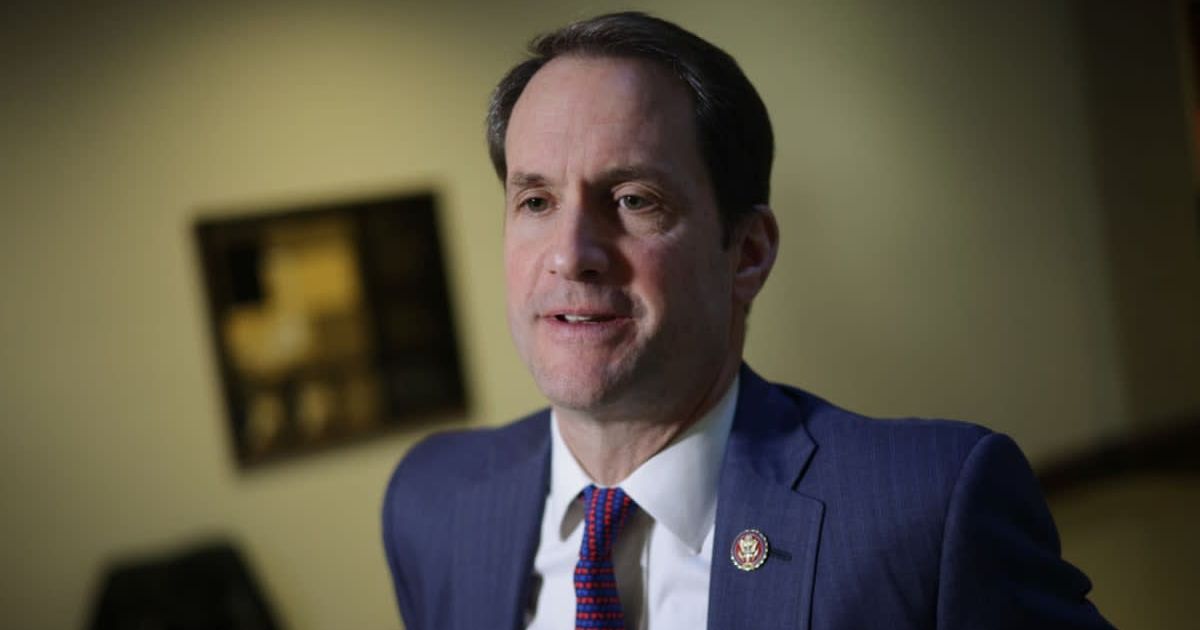
The U.S. invasion of Panama and the capture of Manuel Noriega is “a terrible precedent that the [Trump] administration is using” to justify the legality of its military action in Venezuela, Rep. Jim Himes, the top Democrat on the House Intelligence Committee, says.
— Face The Nation (@FaceTheNation) January 4, 2026
“The Congress… pic.twitter.com/0a5QDeRRrh
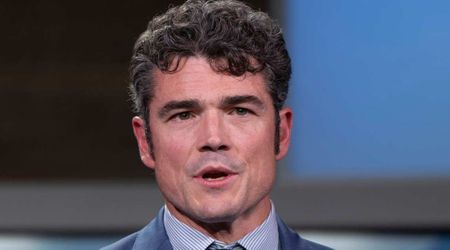
WASHINGTON, DC: The top Democrat on the House Intelligence Committee, Representative Jim Himes, slammed the recent US operation in Venezuela, calling it an “imperial adventure.”
His comments came after President Donald Trump announced that the United States carried out a large-scale strike on Venezuela’s capital, Caracas. US forces also arrested Venezuelan President Nicolas Maduro.
Jim Himes calls out Trump admin after Venezuela strikes
During a recent appearance on CNN’s 'State of the Union' with Dana Bash, Representative Jim Himes intensified his criticism of the Trump administration.
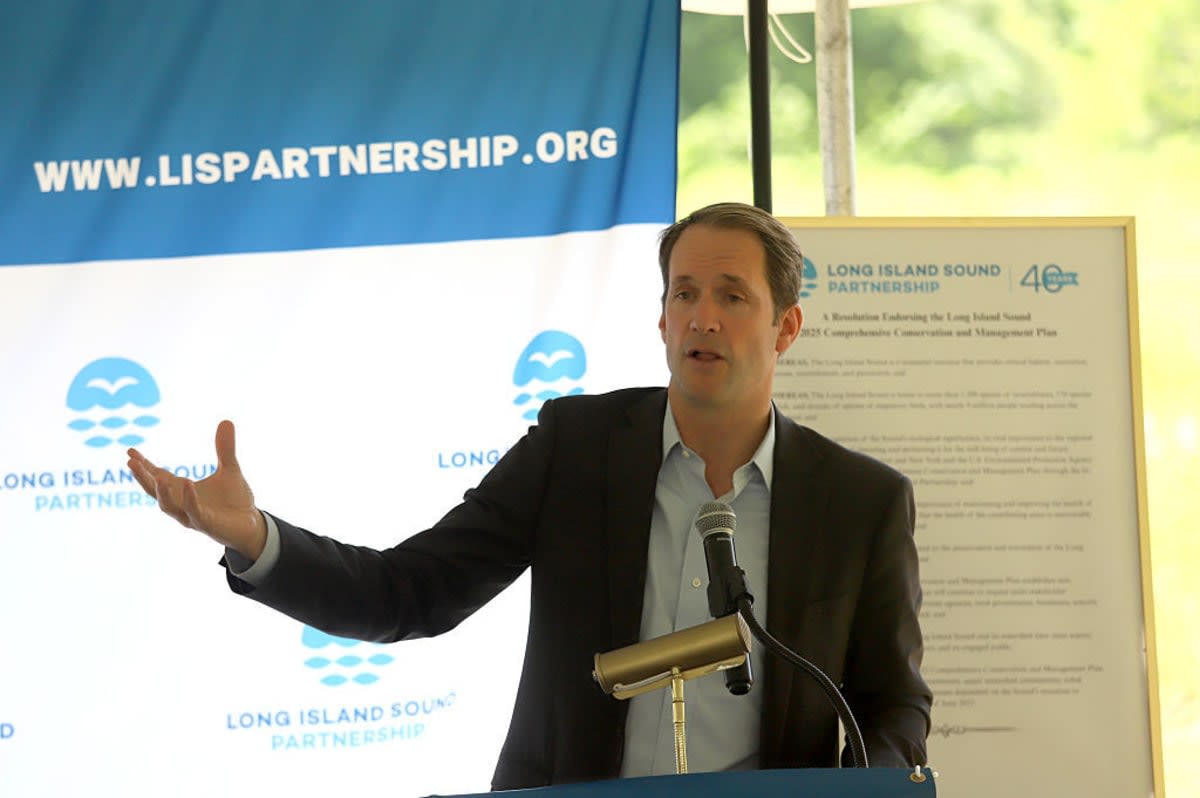
He accused the administration of repeatedly ignoring Congress, calling the Venezuela operation a particularly blatant example.
Himes argued, “Look, this is a long pattern and a particularly egregious example of a pattern of this administration not giving a hoot about the United States Congress, which, by the way, Jim Jordan just sort of gave the game away.”
“I hope you can play that interview over and over and over again, because he gave the game away, right? He said over and over again, ‘I trust the president,’” Himes continued.
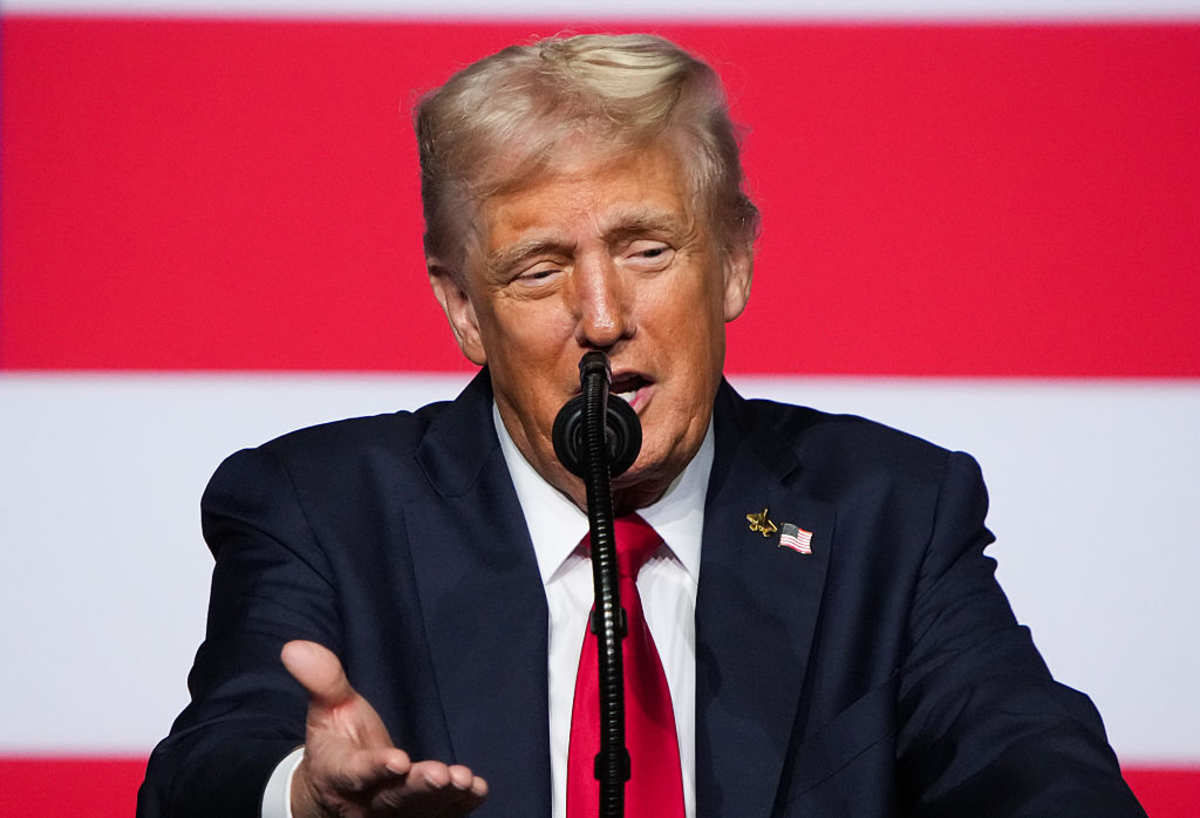
Himes then mocked the administration’s justification for the operation, sarcastically referring to it as an “imperial adventure.” He criticized, “Now, he’s being asked to explain an imperial adventure, I mean, you did a pretty good job, an imperial adventure from the guy who was going to be ‘America First’ and not get into stupid wars.”
Himes warned, “We’re caught up in exactly the euphoria that we got caught up with in 2002 when the Taliban went down, in 2003 when Iraq, when, in Iraq, Saddam Hussein went down, in 2011, when [Libyan dictator Moammar Gadhafi] was killed.”
The recent US operation in Venezuela has prompted comparisons to the Iraq War, which many now view as a costly and unjustified mistake. Himes said Americans often celebrate such moments without fully considering the consequences that follow.
“We’re caught up in this euphoria of how amazing we are at taking down leaders,” Himes said. “But, again, let’s tick through those countries, Afghanistan, Iraq, and Libya. Post our removal of those leaders, I think all of us would look back and say, ‘Oh, my God, we don’t want to do that again. We don’t want to not have a plan for the next day.’”
Marco Rubio calls Trump’s remarks strategic leverage
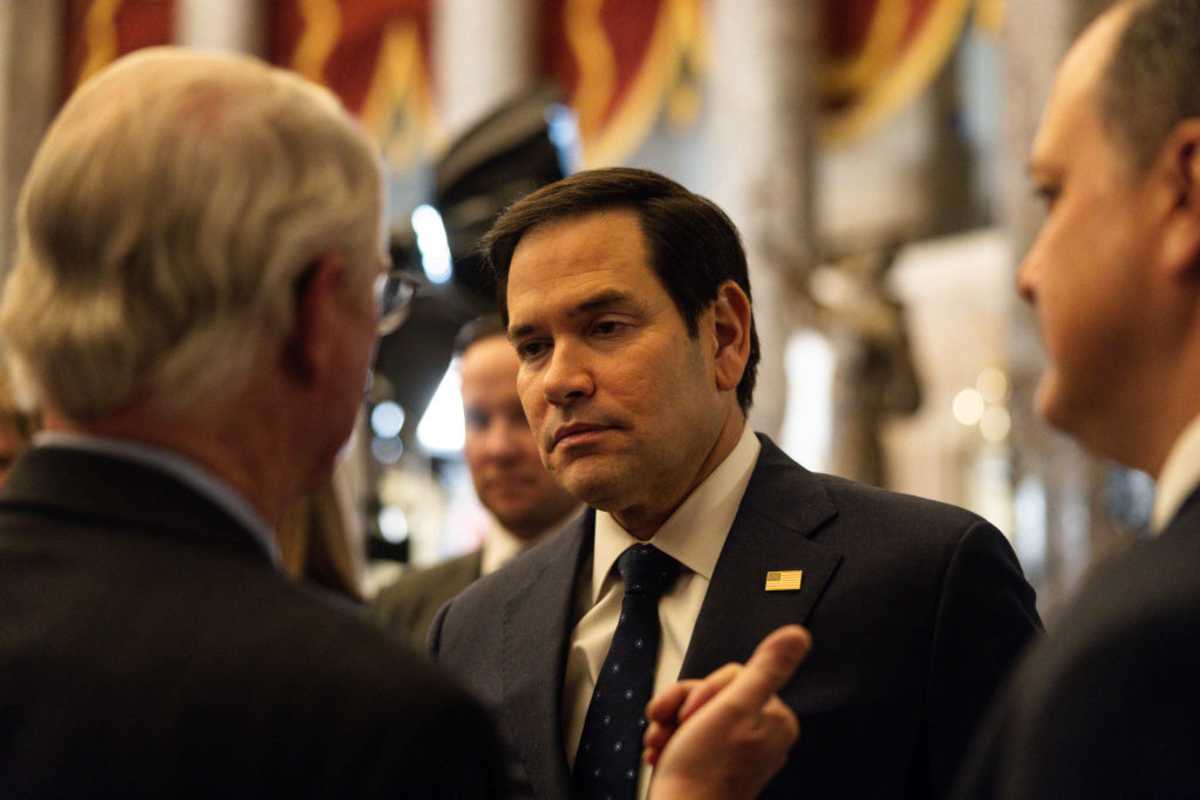
During his appearance on Face the Nation on Sunday, January 4, Marco Rubio framed President Donald Trump’s remarks as strategic leverage rather than literal governance.
When host Margaret Brennan pressed him on what it means for Washington to “run” Venezuela, Rubio pointed directly to US naval power. He described the current deployment as “one of the largest naval deployments in modern history, certainly in the Western Hemisphere,” organized to enforce sanctions at sea.
“This is an oil quarantine,” Rubio said. “There’s a boat, and that boat is under US sanctions. We go get a court order, and we seize it."
Rubio said the operation gives the United States “tremendous leverage” by cutting off the regime’s ability to generate revenue, pay loyalists, or stabilize the country on its own terms. He pushed back against suggestions that Trump’s rhetoric signaled an imminent invasion, dismissing what he called an “obsession” with ground troops.
While acknowledging that the president “always retains optionality” under his constitutional authority, Rubio emphasized that the current plan stops far short of occupying a nation of 30 million people. “What you’re seeing right now is an oil quarantine,” he repeated. “That allows us to exert tremendous leverage over what happens next.”
Rubio stressed that the administration’s focus remains on economic pressure, not a prolonged military engagement.