US hits Iranian missile sites threatening Strait of Hormuz with 5,000-pound bunker busters
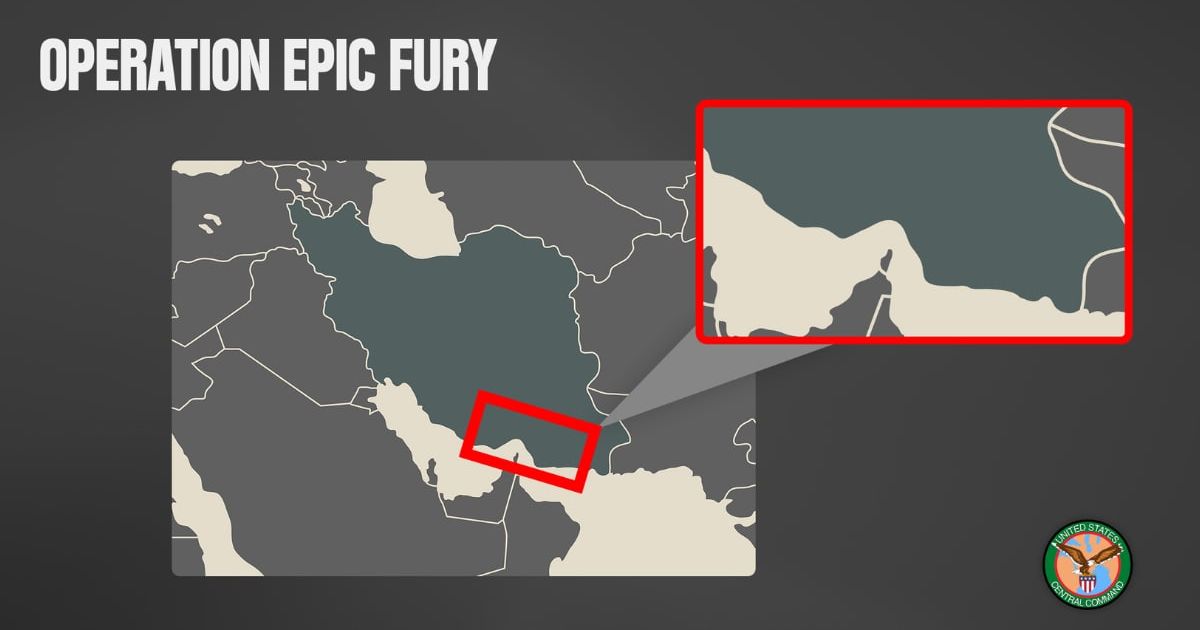
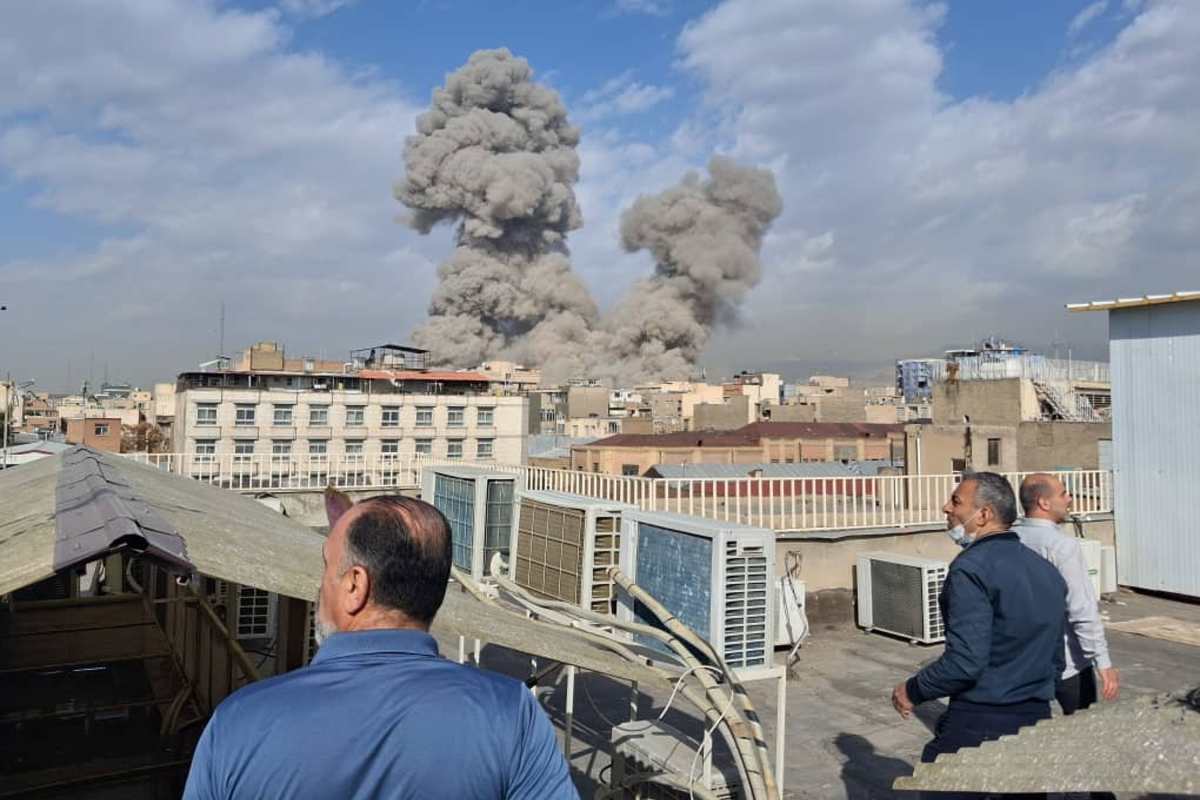
WASHINGTON, DC: The US military has bombed “hardened Iranian missile sites” along the Strait of Hormuz to stop threats against international ships.
US Central Command confirmed using 5,000-pound "bunker-buster" bombs to destroy missile sites that have paralyzed global oil trade.
Hours ago, U.S. forces successfully employed multiple 5,000-pound deep penetrator munitions on hardened Iranian missile sites along Iran’s coastline near the Strait of Hormuz. The Iranian anti-ship cruise missiles in these sites posed a risk to international shipping in the… pic.twitter.com/hgCSFH0cqO
— U.S. Central Command (@CENTCOM) March 17, 2026
US targets Iranian missile sites to protect global shipping
In a statement on Tuesday, March 17, US Central Command (CENTCOM) announced the success of the mission.
“Hours ago, US forces successfully employed multiple 5,000-pound deep penetrator munitions on hardened Iranian missile sites along Iran’s coastline near the Strait of Hormuz,” the command shared on X.
These weapons were used because “the Iranian anti-ship cruise missiles in these sites posed a risk to international shipping in the strait.”
America's military capabilities and advantages are building. pic.twitter.com/TTnXVdmYqD
— U.S. Central Command (@CENTCOM) March 17, 2026
Gas prices surge as Iran vows to keep strait closed
The military action comes as the global economy reels from the fallout of the conflict that began on February 28, following joint US-Israeli strikes.
Iran's new supreme leader, Mojtaba Khamenei, has vowed that the strait will remain closed in retaliation for those earlier attacks.
Because 20 per cent of the world’s crude oil supply typically passes through this waterway, the resulting disruption has caused gas prices in the US and elsewhere to spike significantly.
The current environment has nearly halted shipping entirely, dropping from over 130 ships a day to just a few, as insurance costs for vessels have become too expensive.
US aiming to degrade Iran's strike capabilities
The US military is now focusing on eliminating the specific weapons Iran uses to target tankers.
By using "deep penetrator" bombs, they aim to destroy missiles hidden in reinforced or underground bunkers.
The goal of these strikes is to weaken Iran's ability to attack ships and eventually allow the world’s most important energy route to reopen safely.
US intelligence chiefs clash over Iran's 'imminent threat'
National Intelligence Director Tulsi Gabbard defended the military action today, stating that President Trump made the final call that Iran posed an immediate danger.
Gabbard noted on X that as commander in chief, the President “is responsible for determining what is and is not an imminent threat.”
Donald Trump was overwhelmingly elected by the American people to be our President and Commander in Chief. As our Commander in Chief, he is responsible for determining what is and is not an imminent threat, and whether or not to take action he deems necessary to protect the…
— DNI Tulsi Gabbard (@DNIGabbard) March 17, 2026
She explained that her office provides the intelligence, but “after carefully reviewing all the information before him, President Trump concluded that the Islamist regime in Iran posed an imminent threat and he took action based on that conclusion.”
However, this justification has caused a rift within the administration. Joe Kent, National Counterterrorism Director, resigned today in protest, stating in his letter that “Iran posed no imminent threat to our nation.”