San Diego mosque attackers posted livestream and cited ‘Great Replacement’ theory in manifesto
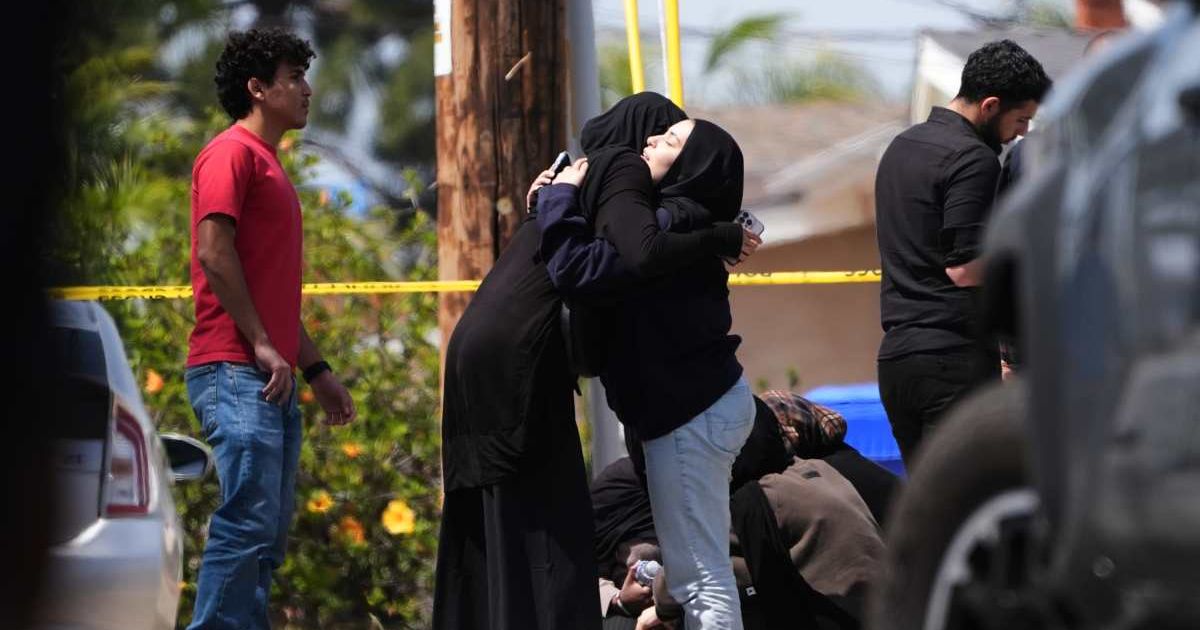
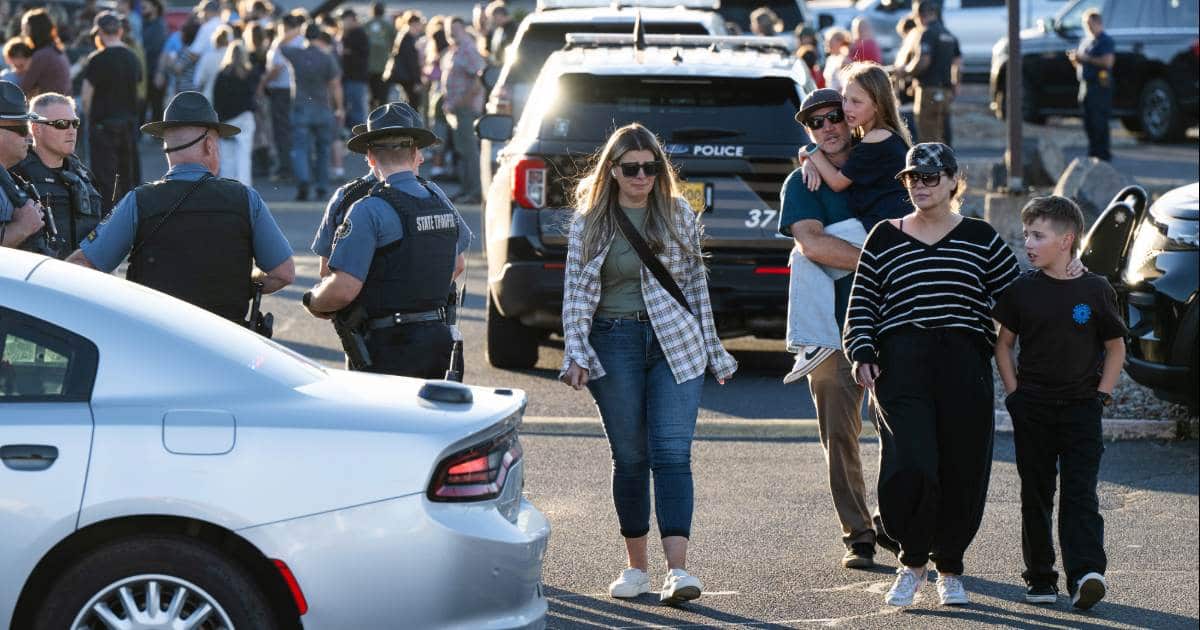
SAN DIEGO, CALIFORNIA: Authorities investigating the deadly shooting at a San Diego mosque said the two attackers behind the assault allegedly shared a livestream video and a 75-page manifesto filled with racist, Islamophobic, and antisemitic ideology, with one expert saying there were “pretty strong indications that these folks were neo-Nazis, specifically militant accelerationists.”
The attackers were identified by authorities as 17-year-old Cain Clark and 18-year-old Caleb Vazquez. Investigators are also reviewing writings that allegedly detailed their beliefs, target research, and references to previous mass shootings.
FBI reviewing manifesto
A law enforcement source familiar with the investigation told CNN that authorities believe the video reviewed by investigators is legitimate and that the writings are being analyzed as part of the ongoing case.
At a news conference, Mark Remily, special agent in charge of the FBI San Diego office, confirmed investigators had recovered a written “manifesto.”
“The document includes two separate statements attributed to each gunman expressing support for White supremacist ideology,” the report stated, including references to the “Great Replacement” conspiracy theory.
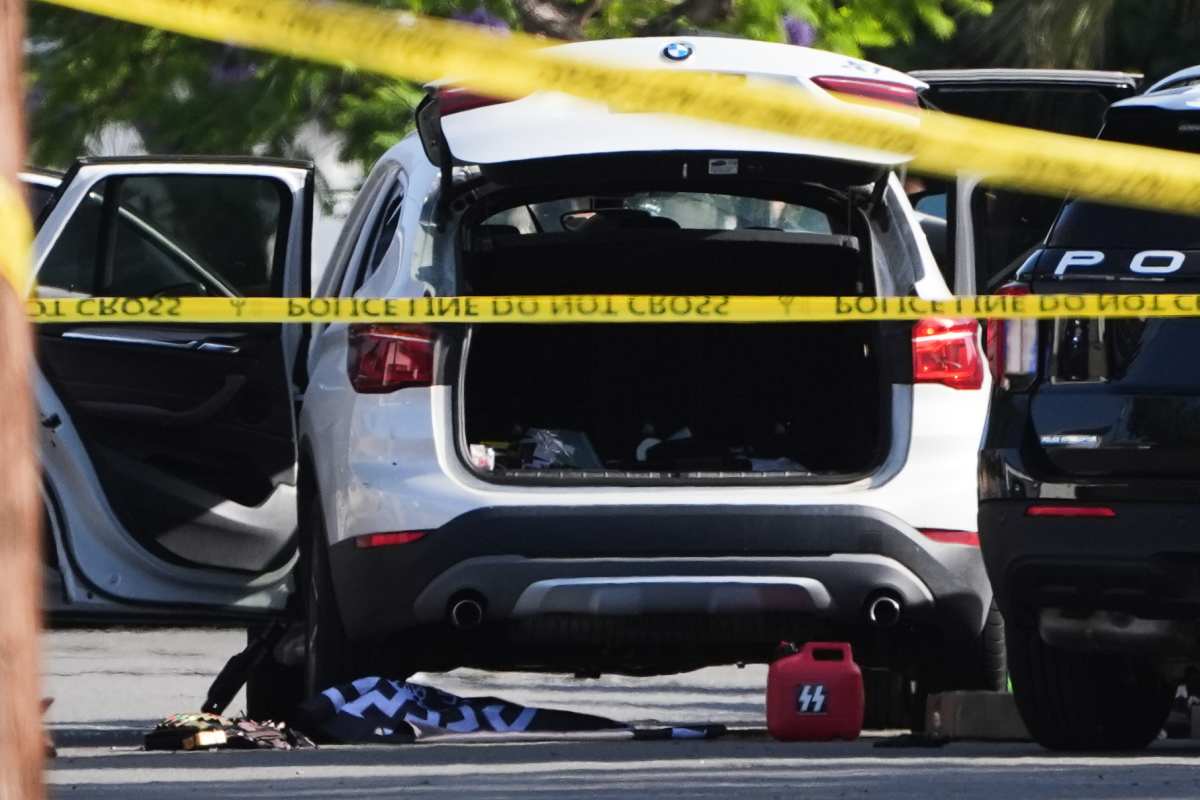
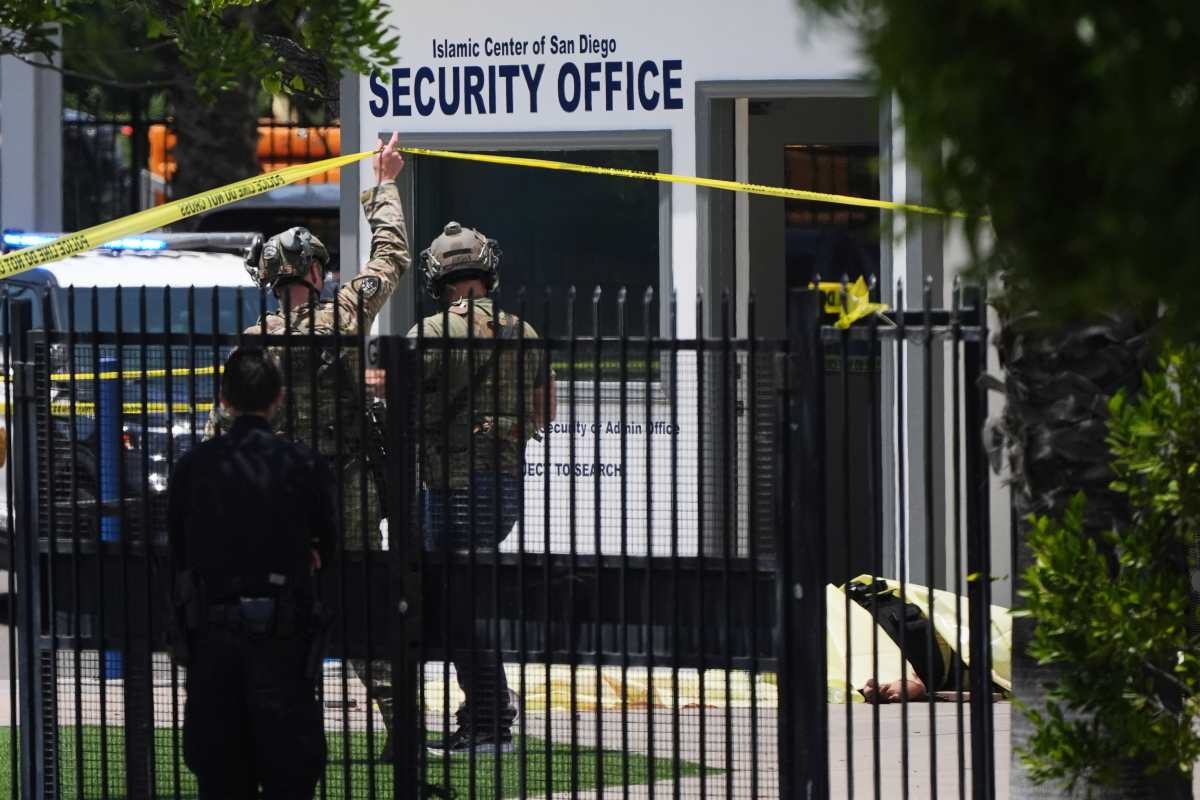
The footage reviewed by investigators allegedly showed the gunmen entering the Islamic Center of San Diego carrying rifles and a pistol before moving through the building. Another segment reportedly showed the pair driving away before one gunman appeared to shoot the other and then himself inside a vehicle.
Investigators said the weapons shown in the video allegedly carried handwritten symbols and numerical references linked to Nazism and previous mass shootings. The writings reviewed by researchers at the Institute for Strategic Dialogue, or ISD, allegedly echoed those same beliefs.
Extremist rhetoric detailed
The writings allegedly included praise for Adolf Hitler, admiration for previous mass shooters, and references to nihilistic online communities.
The statement attributed to Vazquez reportedly “lauds Adolf Hitler as a hero,” while the statement attributed to Clark allegedly described hatred toward non-White and non-Christian cultures.
The document also allegedly described how the pair studied locations using “satellite imagery and Google Street View” before scouting targets in person. Another section attributed to Clark stated he “did not intend to survive the attack” and predicted he would not feel remorse afterward.
Federal authorities have previously warned about the growing risk posed by individuals linked to nihilistic violent extremist movements, particularly those seeking online attention through livestreamed violence. A Department of Homeland Security memo cited in the report warned such individuals “may increasingly seek to livestream acts of violence to gain attention online.”
Experts point to neo Nazi links
Cody Zoschak, a senior analyst at ISD, said the writings appeared more ideologically focused than other recent extremist cases investigators have tracked.
“There’s pretty strong indications that these folks were neo-Nazis, specifically militant accelerationists,” Zoschak said. “They display an ideological knowledge that shows some engagement in these circles for an extended period of time.”
Researchers also said the document’s references allegedly matched social media accounts that had posted similar extremist rhetoric before the shooting, while symbols seen in the video appeared consistent with iconography used by other violent extremists in recent years.