US military campaign against Iran costs $12 billion so far, adviser says

WASHINGTON, DC: The United States has spent roughly $12 billion so far on its military campaign against Iran, according to White House officials, as the conflict continues to unfold across the Middle East.
Kevin Hassett, director of the White House National Economic Council, said the administration currently has sufficient funds to sustain operations without seeking additional emergency funding from Congress.
Speaking on 'Face the Nation with Margaret Brennan', Hassett said the latest briefings he received put the cost of the conflict at about $12 billion.
“I think right now we’ve got what we need,” Hassett said on Sunday, March 15.
“Whether we have to go back to Congress for more is something that I think that Russ Vought and the Office of Management and Budget will look into.”
His comments come as lawmakers in Washington prepare for the possibility that the White House could request a supplemental spending package to support the war effort if the conflict drags on longer than expected.

Administration downplays need for supplemental funding
For now, the administration is signaling that supplemental funding requests may not be necessary.
Hassett said the United States already has the military capabilities and weapons systems required to carry out the campaign.
“This is something that we’ve got the weapons that we’ve already got in place to do this,” he said. “So we’re not necessarily going to need any kind of supplemental.”
However, decisions on any future funding requests would ultimately be made by the Office of Management and Budget, led by Russ Vought, in coordination with Congress.
Pentagon estimates four to six weeks for mission
When asked how long the conflict could last and what its economic consequences might be, Hassett cited Pentagon estimates that the mission could take between four and six weeks.
The campaign is currently only a few weeks old, meaning US officials believe the operation may already be approaching its midpoint.
“And so we’re a couple of weeks in,” Hassett said. “I think that should give you some clarity about when we expect that the president will decide that we’ve achieved his objectives.”
The White House has indicated that President Donald Trump will determine when the mission has reached its goals, which officials say involve weakening Iran’s military capabilities and reducing threats to regional allies.

White House plays down economic risks
Despite global market concerns about the conflict's economic consequences, Hassett sought to reassure investors and policymakers that the US economy remains resilient. “America is not going to have its economy harmed by what the Iranians are doing,” he said.
Hassett argued that the United States currently enjoys strong economic momentum and substantial domestic energy production, which he believes will help insulate the country from potential shocks caused by the conflict.
“Our economy has got all this momentum in the world, and we’ve got lots and lots of oil,” he said.
Global markets watching energy supply
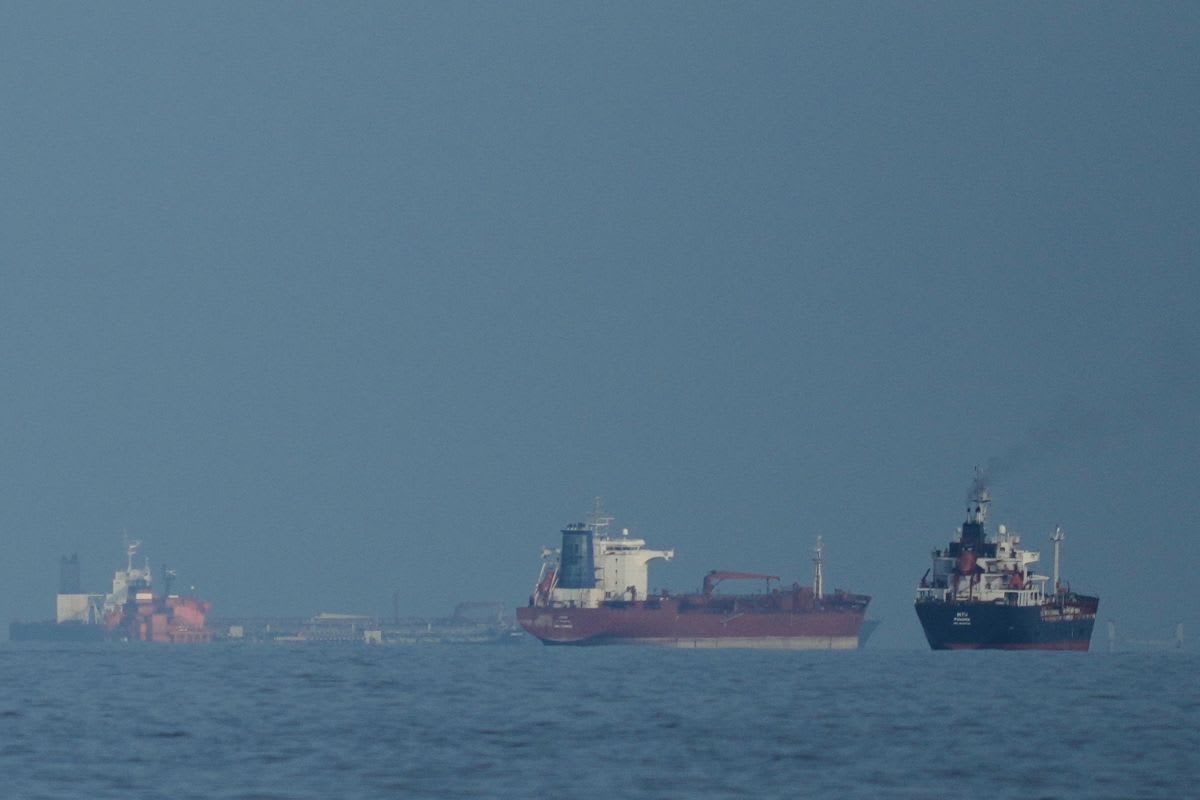
Energy markets have been closely monitoring the war, particularly amid tensions over the Strait of Hormuz, one of the world’s most critical oil shipping lanes.
Any prolonged disruption to regional shipping could affect global energy prices and trade flows.
However, Hassett suggested that once the conflict ends, the global economy could experience a positive rebound. “We expect that the global economy is going to have a big positive shock as soon as this is over,” he said.