Marco Rubio explains Trump's Venezuela remark as oil quarantine, not military occupation
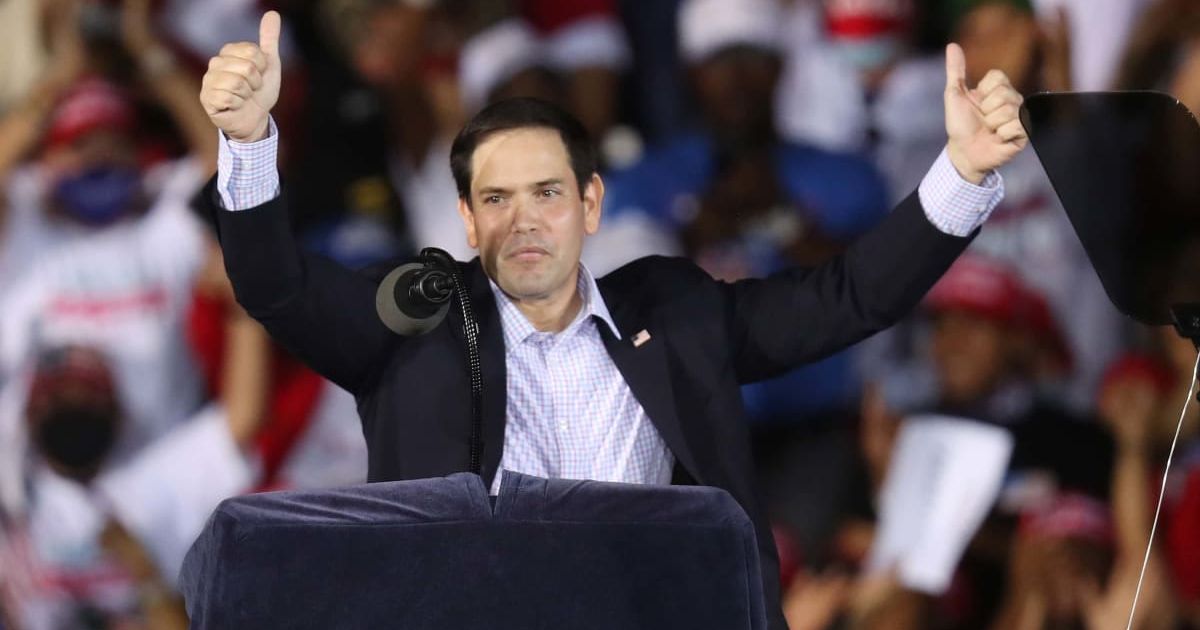
MIAMI, FLORIDA: Secretary of State Marco Rubio moved swiftly to walk back President Donald Trump’s blunt declaration that the United States will “run” Venezuela, insisting that the administration is not pursuing a military occupation but an aggressive campaign of economic pressure centered on what he called an “oil quarantine.”
Appearing on 'Face the Nation' on Sunday, January 4, Rubio framed Trump’s remarks as strategic leverage rather than literal governance.
The goal, he said, was to choke off the regime’s lifeline by weaponizing control of Venezuela’s oil exports, forcing political change in Caracas without deploying American ground forces.
Marco Rubio claims 'oil quarantine'
Secretary of State Marco Rubio responds to an op-ed from Elliott Abrams, President Trump’s last envoy to Venezuela, writing publicly that “Venezuelan plutocrats, or U.S. oil executives seem to be coming to Mar-a-Lago and whispering about how easy life would be if we just made a… pic.twitter.com/Ew8MYdVblR
— Face The Nation (@FaceTheNation) January 4, 2026
Pressed by host Margaret Brennan on what it means for Washington to “run” Venezuela, Rubio pointed squarely to US naval power.
He described the current posture as “one of the largest naval deployments in modern history, certainly in the Western Hemisphere,” assembled to enforce sanctions at sea.
“This is an oil quarantine,” Rubio said. “There’s a boat, and that boat is under US sanctions. We go get a court order, and we seize it.”
According to Rubio, the operation gives the United States “tremendous leverage” by suffocating the regime’s ability to generate revenue, pay loyalists, or stabilize the country on its own terms.
No 'boots on the ground' planned
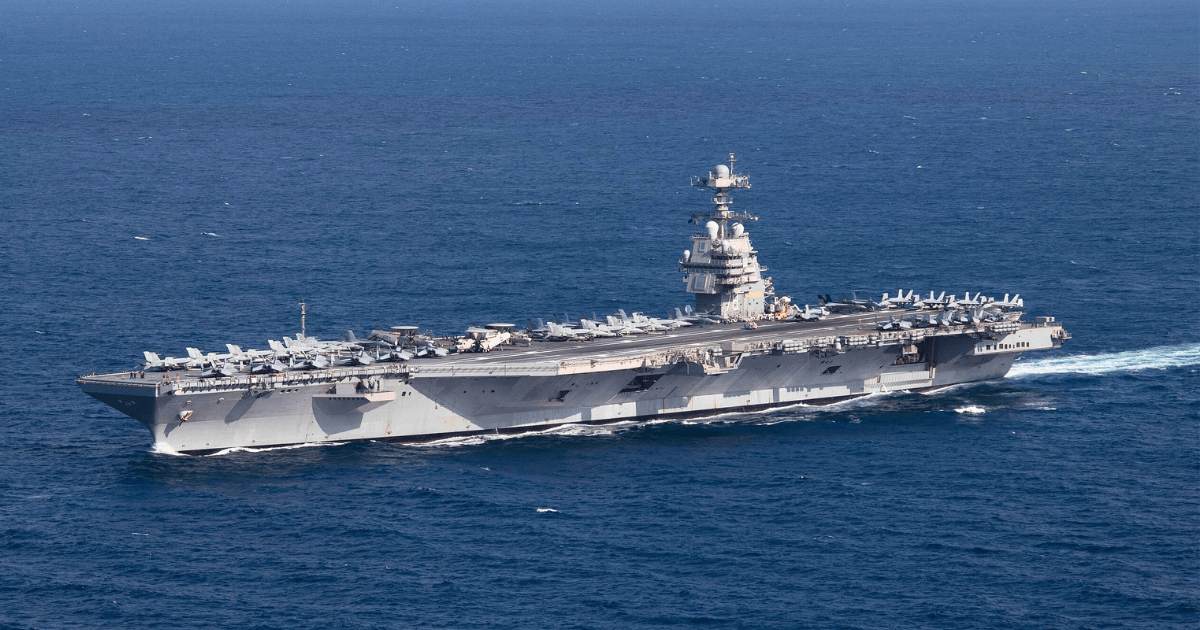
Rubio pushed back hard against suggestions that Trump’s rhetoric signaled an imminent invasion, dismissing what he called an “obsession” with ground troops.
While acknowledging that the president “always retains optionality” under his constitutional authority, Rubio said that the current plan stops well short of occupying a nation of 30 million people.
“What you’re seeing right now is an oil quarantine,” he repeated. “That allows us to exert tremendous leverage over what happens next.”
The emphasis, Rubio stressed, is economic suffocation - not a prolonged military entanglement.
Expelling extremist forces

The pressure campaign comes with explicit demands. Rubio claimed that the quarantine will remain in place until Venezuela cuts ties with foreign adversaries and extremist groups operating in the region.
“They no longer cozy up to H******h and Iran in our own hemisphere,” Rubio said, adding that Caracas must also expel Colombia-based g****illa groups like FARC and ELN and halt routes that impact the US.
Marco Rubio argues oil revival hinges on strict conditions
Rubio also painted a bleak picture of Venezuela’s once-mighty oil sector, describing it as “backwards” and “completely destroyed” after years of corruption, neglect, and theft by elites.
“The wealth was stolen by the people at the top. It never reached the people,” he said.
According to Rubio, reviving the industry will require massive private investment - but that capital will only come, he argued, once strict political and security conditions are imposed.