Cilia Flores captured: The journey of Maduro’s trusted ally and partner in power
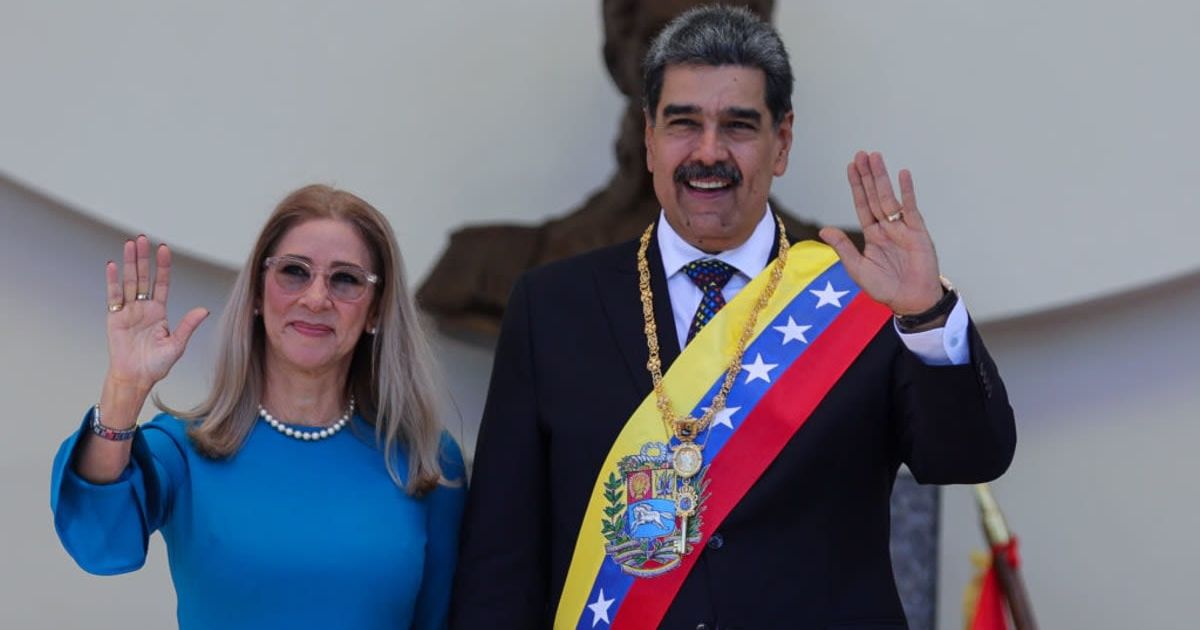
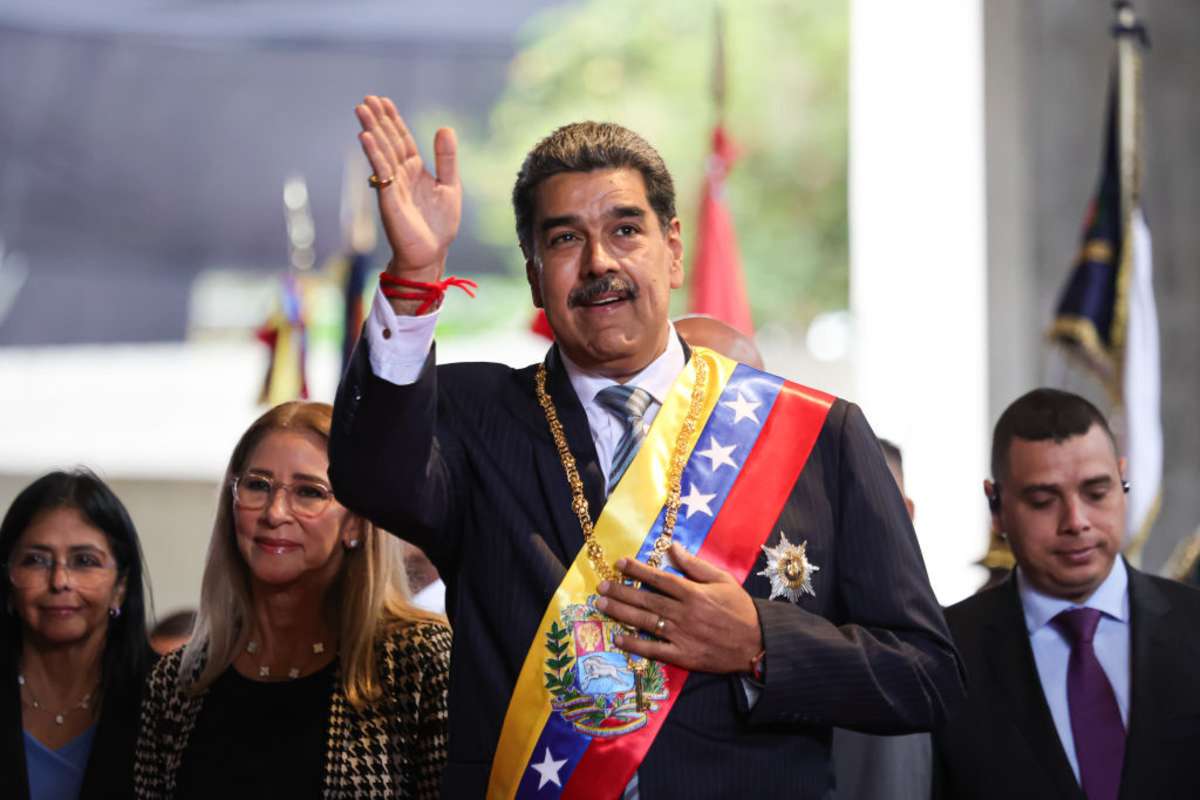
CARACAS, VENEZUELA: Captured alongside Venezuelan President Nicolas Maduro on early Saturday, January 3, was his wife and most trusted adviser, Cilia Flores, who US troops pulled from the couple’s bedroom during the overnight operation in Caracas.
The pair were swiftly flown out of the country and are now headed to the US to face federal charges.
Known affectionately by Maduro as “Cilita,” Flores served as first lady for more than a decade, though within the socialist Chavista movement she carried the title of “first combatant,” a label meant to reject what Maduro once called the “aristocratic” concept of a first lady.
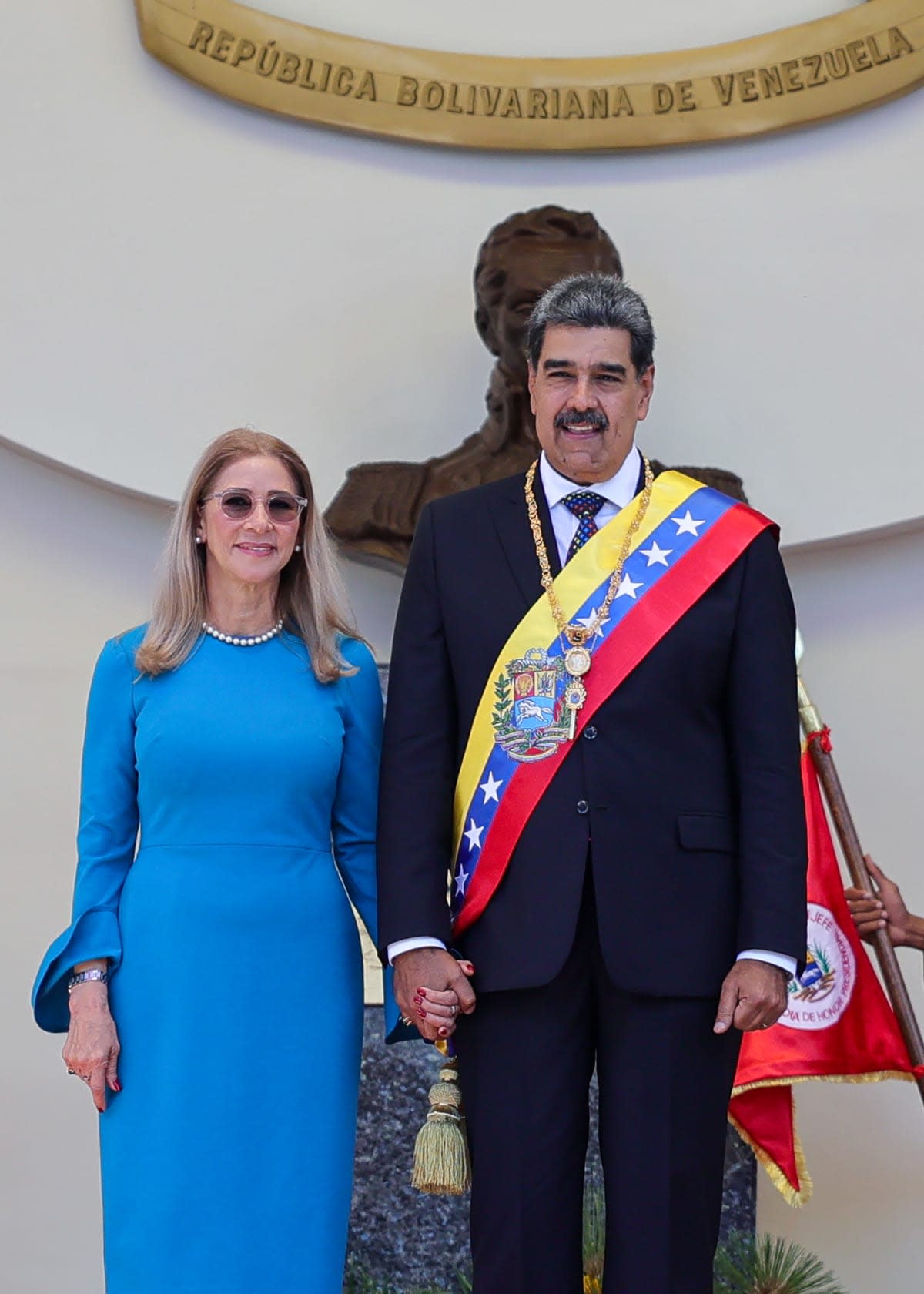
Cilia Flores's career and political activism
Born in 1956 in the central Venezuelan town of Tinaquillo, Flores grew up in working-class neighborhoods of western Caracas, according to a CNN profile about her.
A lawyer specializing in labor and criminal law, she became politically active during the early years of Chavismo and provided legal assistance to Hugo Chavez and other military officers imprisoned after their failed 1992 coup attempt.
It was during that period that she met Maduro, who also campaigned for Chavez’s release and served on the future president’s security team.
Flores later recalled being struck by Maduro’s intelligence during a street meeting in Caracas, an encounter she recounted in 2023 on Maduro’s podcast.
Cilia Flores's rise in the National Assembly
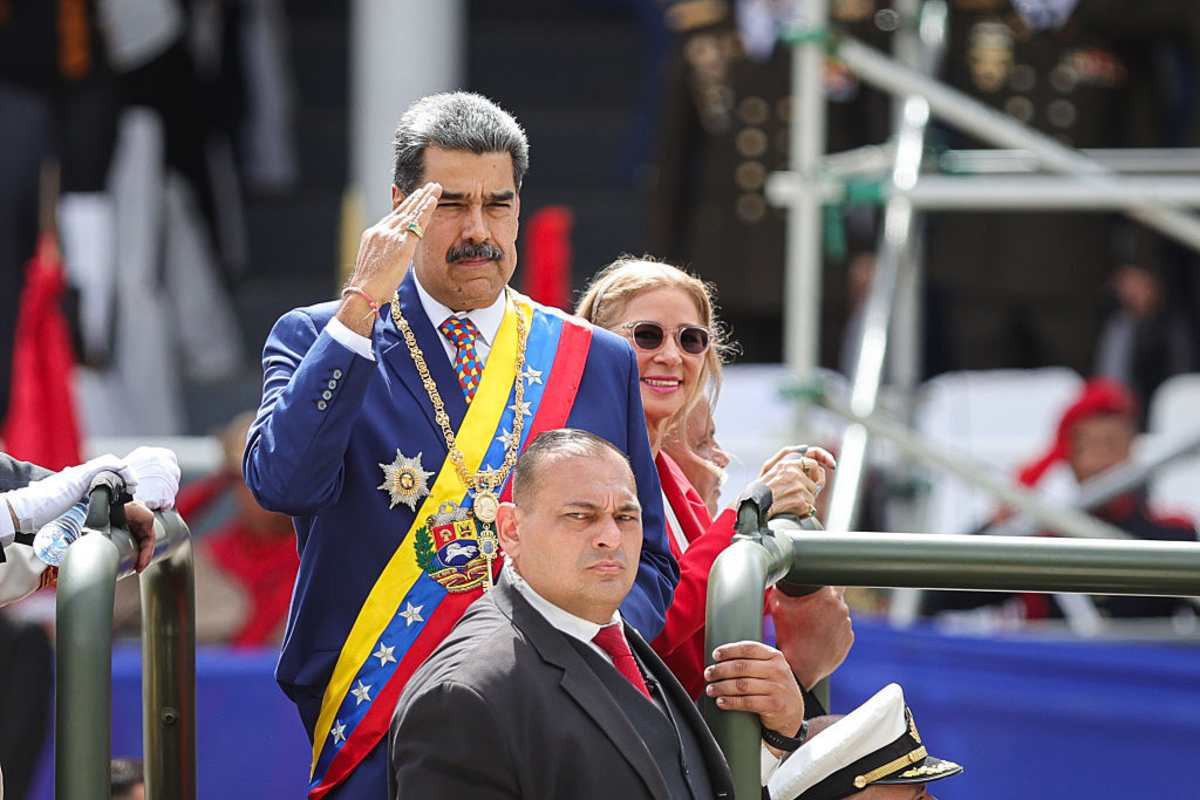
Flores was elected to the National Assembly in 2000 and again in 2005. In 2006, she became the first woman to preside over Venezuela’s parliament, succeeding Maduro when he was appointed foreign minister by Chavez.
Her tenure was controversial. She barred journalists from the legislative chamber and faced criticism for hiring dozens of relatives. Flores acknowledged the hirings but denied wrongdoing, calling the accusations a smear campaign.
Between 2009 and 2011, she served as second vice president of the ruling United Socialist Party of Venezuela. In 2012, Chavez appointed her attorney general, cementing her role as one of his most loyal allies.
A key adviser during succession battles
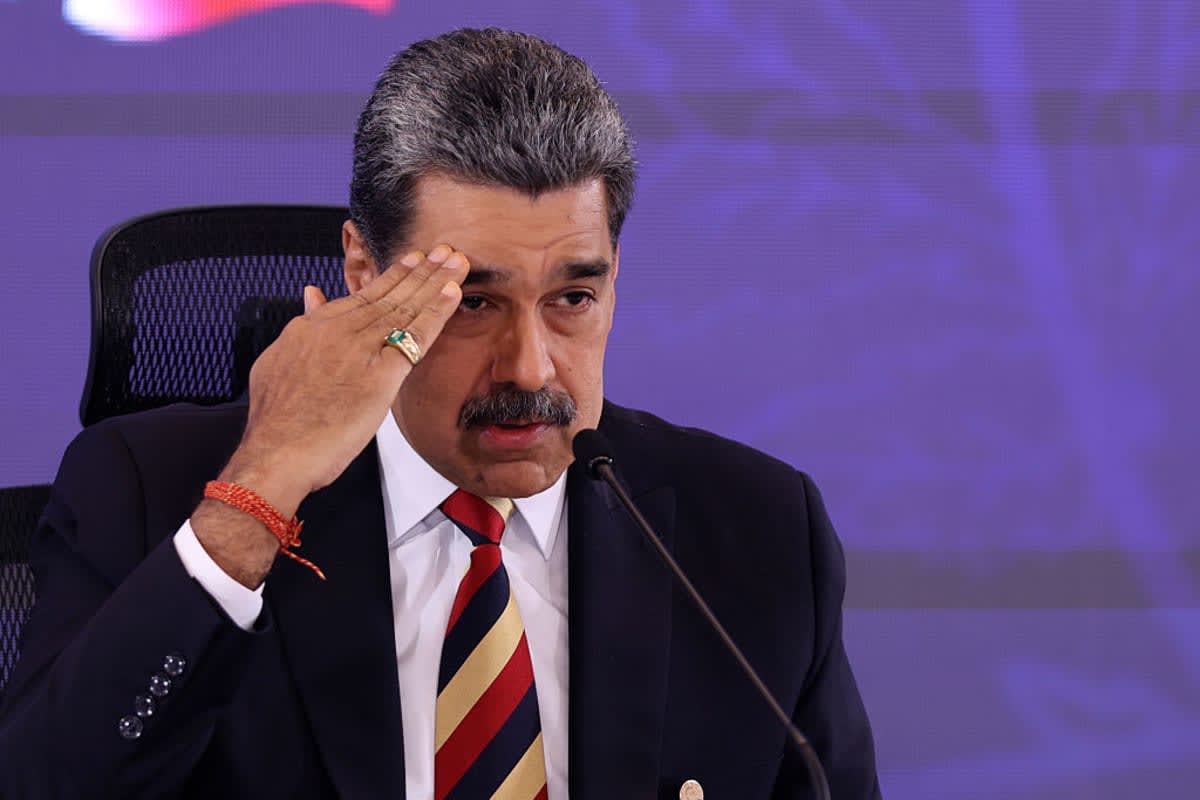
After Chávez’s death, Flores became a central figure as Maduro worked to consolidate power amid internal rivalries. Political analysts said that her influence was largely exercised behind the scenes.
In recent years, Flores largely avoided public statements, adopting a supportive, maternal role rather than positioning herself as a political contender. Analysts said this reflected both strategic restraint and the gendered expectations within Chavismo.
Legal troubles followed her into the spotlight
Flores returned to international headlines in 2015 when two of her nephews were arrested by the US Drug Enforcement Administration and later convicted in New York.
Though she denounced the arrests as a kidnapping, the men were sentenced to 18 years in prison and released in a 2022 prisoner exchange.
She was sanctioned by Canada in 2018 and later by the US Treasury Department, which said Maduro relied on his inner circle to remain in power.
Maduro publicly defended her, declaring that her “only crime” was being his wife. At the time of her capture, Flores was serving as a deputy in the National Assembly, having returned to parliament in 2021.