Top trade envoy says Trump secured China’s pledge against supporting Iran
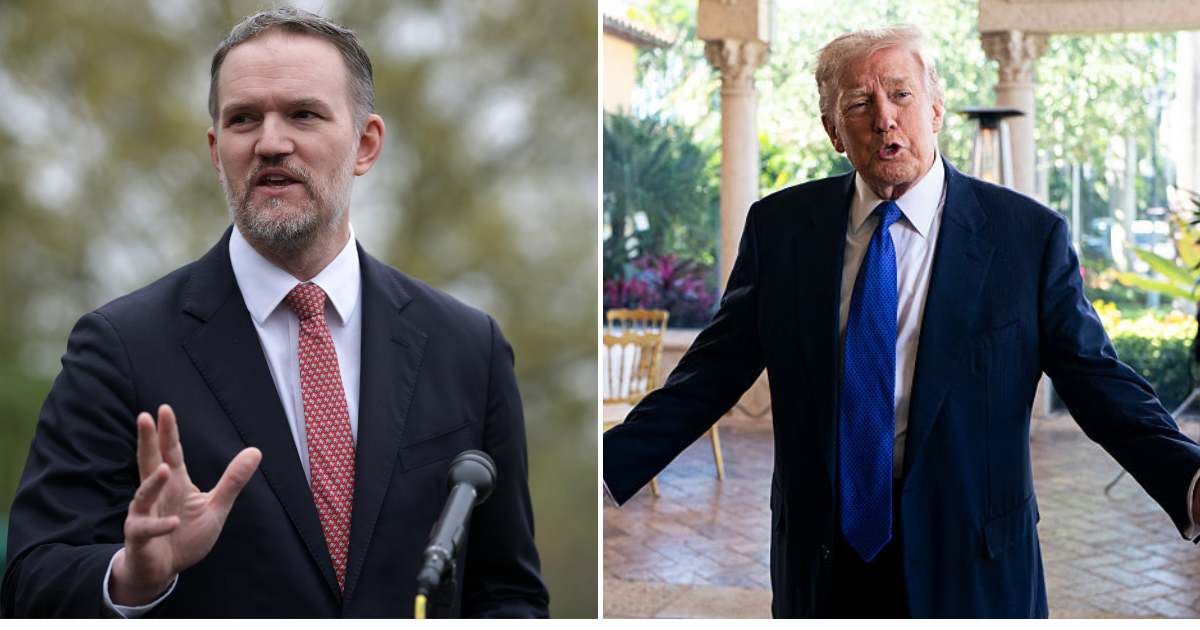
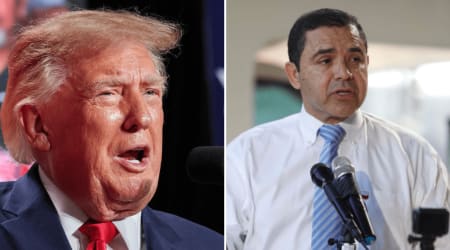
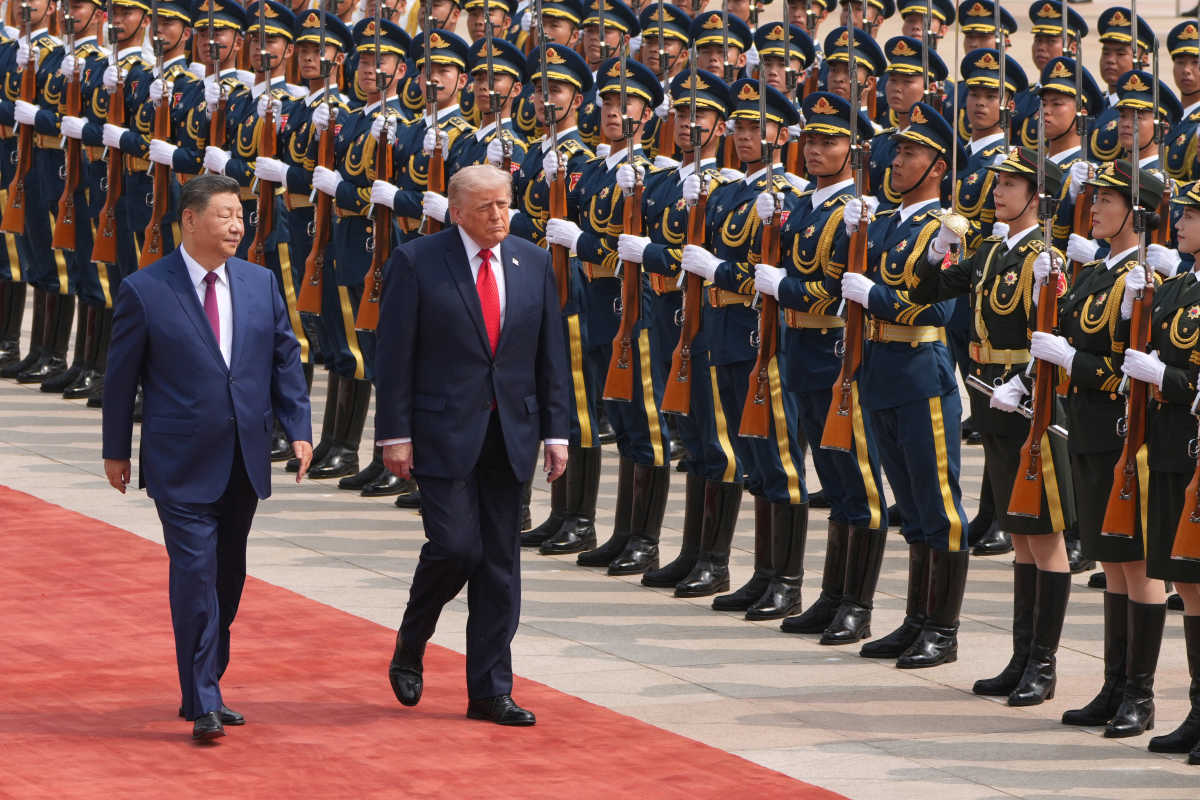
WASHINGTON, DC: President Donald Trump secured a commitment from Chinese officials not to provide “material support” to Iran during recent high-level discussions, according to US Trade Representative Jamieson Greer.
Speaking on ABC News’ This Week on Sunday, Greer said Trump’s primary objective during the talks was to ensure Beijing would avoid actions that could strengthen Iran amid growing instability in the Middle East.
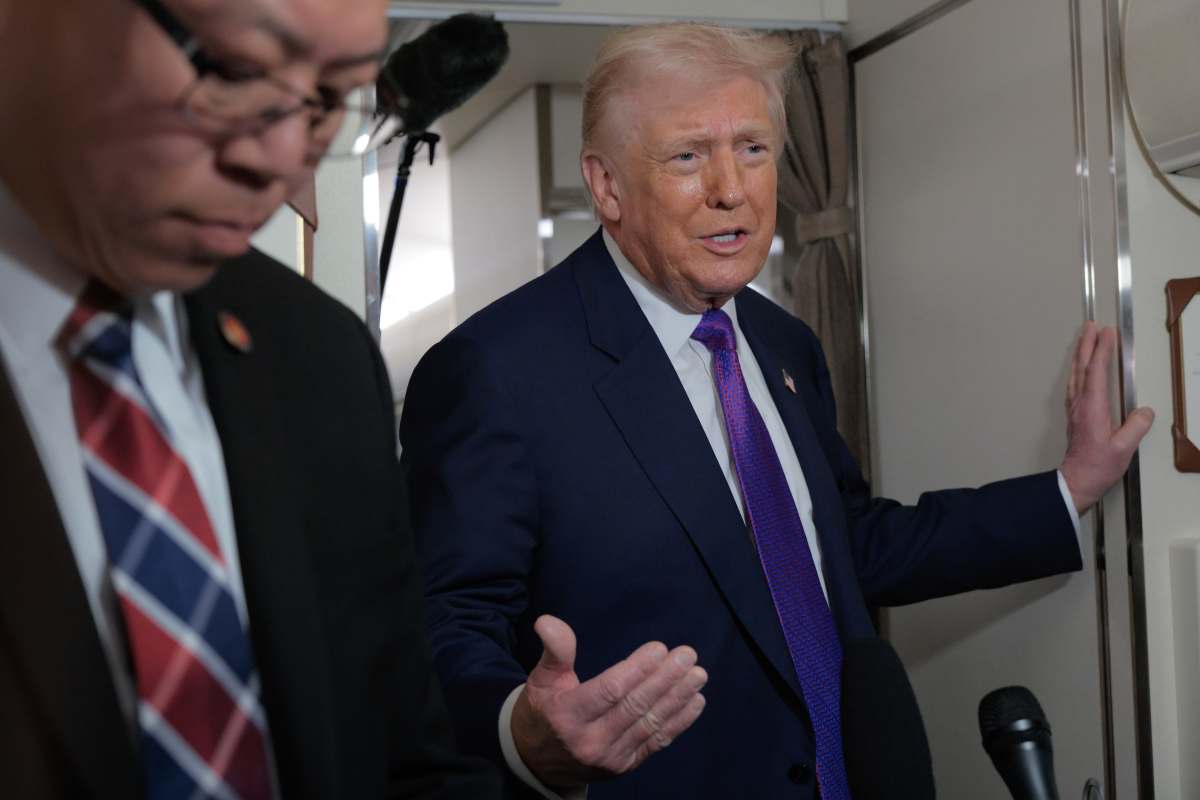
Trump sought limits on Chinese support to Iran
“When the president went in, he did not go in asking them to take action in the Straits of Hormuz,” Greer said during the interview.
“He was very focused on making sure that they didn't provide material support to Iran. That's a commitment he obtained and confirmed.”
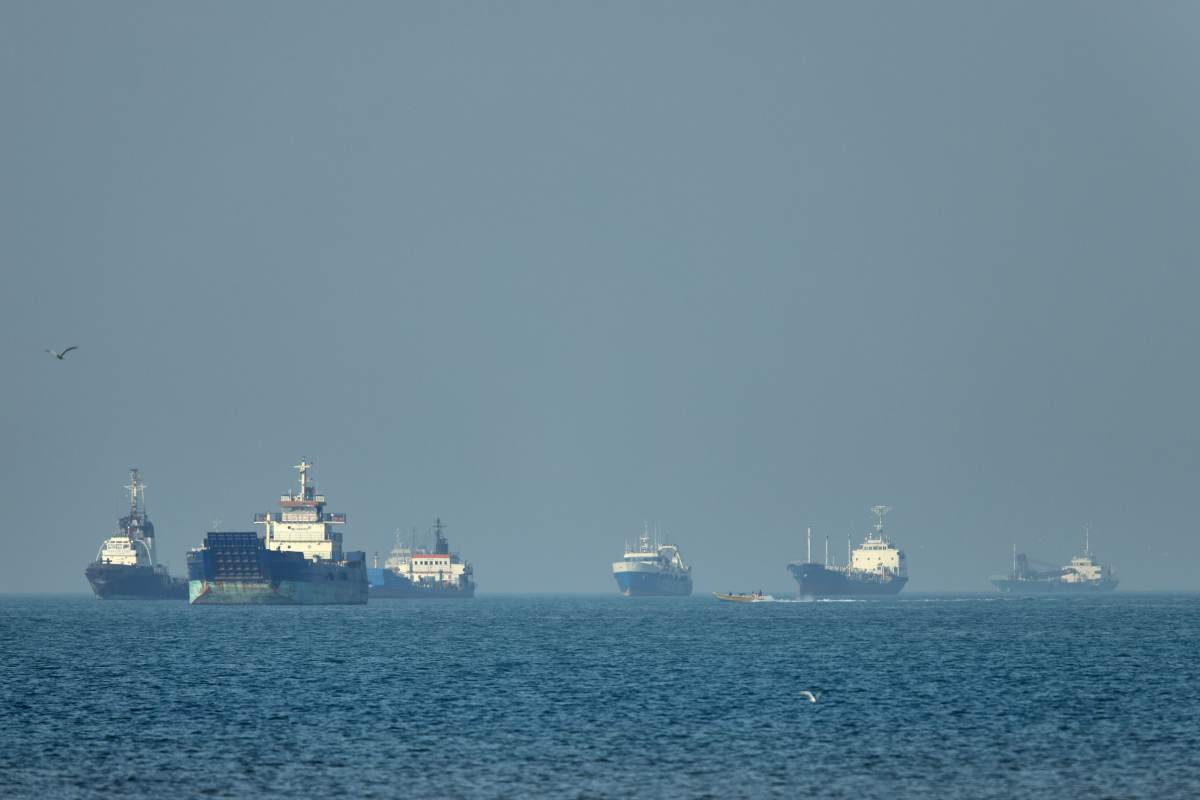
The comments come at a time of heightened concern over regional security and the future of global energy supplies, particularly surrounding the Strait of Hormuz, a strategic maritime chokepoint through which a significant portion of the world’s oil shipments pass.
No request for direct Chinese intervention
Greer emphasized that the United States was not seeking direct Chinese involvement in efforts related to the Strait of Hormuz, despite concerns over shipping disruptions and regional tensions.
According to the trade envoy, Trump did not ask Beijing to participate in any coordinated military or security operations aimed at reopening or protecting the waterway.
“The president isn't seeking to have joint military operations with the Chinese,” Greer said.
“I don't think American presidents have ever done that.”
Instead, the administration’s focus was on ensuring that China would not obstruct US efforts or provide assistance that could embolden Iran during the crisis.
Greer said Washington’s broader objective remains preventing escalation while maintaining stability in global trade routes and energy markets.
“But obviously we want to make sure that they're not getting in the way of anything we're doing to try to clarify that situation,” he added.
China has an economic stake in Hormuz stability
Greer noted that Chinese officials acknowledged having a “clear interest” in restoring stability in the Strait of Hormuz because of its importance to international trade and energy supplies.
“I was in these meetings, and that’s what the Chinese said,” he stated.
China is one of the world’s largest importers of crude oil and relies heavily on energy shipments passing through the Gulf region.
Any prolonged disruption in the Strait of Hormuz could significantly impact global oil prices and supply chains, affecting major economies worldwide.
However, Greer suggested that China’s position may not necessarily translate into meaningful pressure on Iran.
While Beijing’s economic interests align with reopening and stabilizing the Strait, he acknowledged uncertainty over whether China would actively use its diplomatic influence to shape Iranian behavior.
Tensions continue to shape global diplomacy
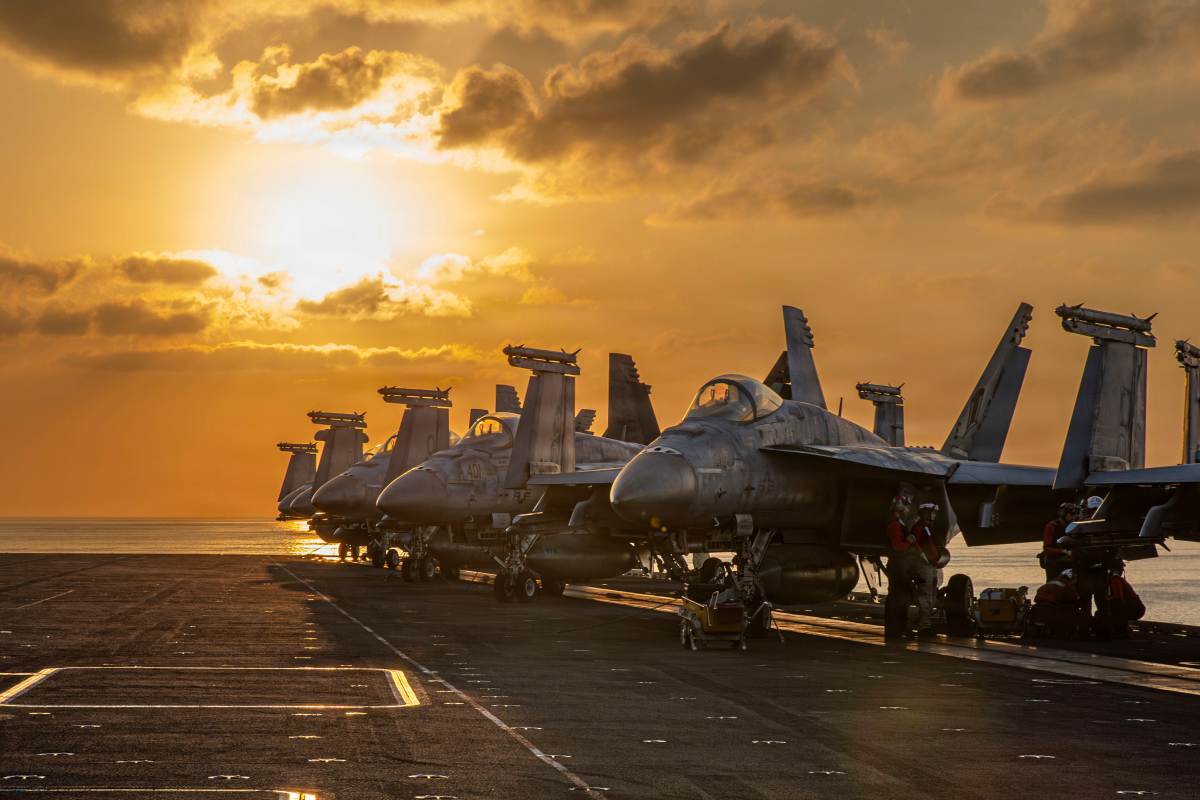
The remarks point to the increasingly complex diplomatic balancing act facing the Trump administration as it navigates tensions involving Iran, China and global trade security.
Washington has sought to isolate Iran economically and diplomatically while simultaneously managing its broader strategic competition with China.
Even so, Greer’s comments indicate that the administration sees value in securing at least limited cooperation from Beijing on issues tied to Middle East stability, particularly where global economic interests overlap.
The Strait of Hormuz remains one of the most sensitive flashpoints in international geopolitics, with developments in the region continuing to draw close attention from governments and financial markets around the world.