Trump administration agrees to review stalled and cut NIH grants tied to DEI
As part of the deal, the NIH agreed to stop using special directives that had singled out certain proposals based on their subject matter
PUBLISHED DEC 31, 2025
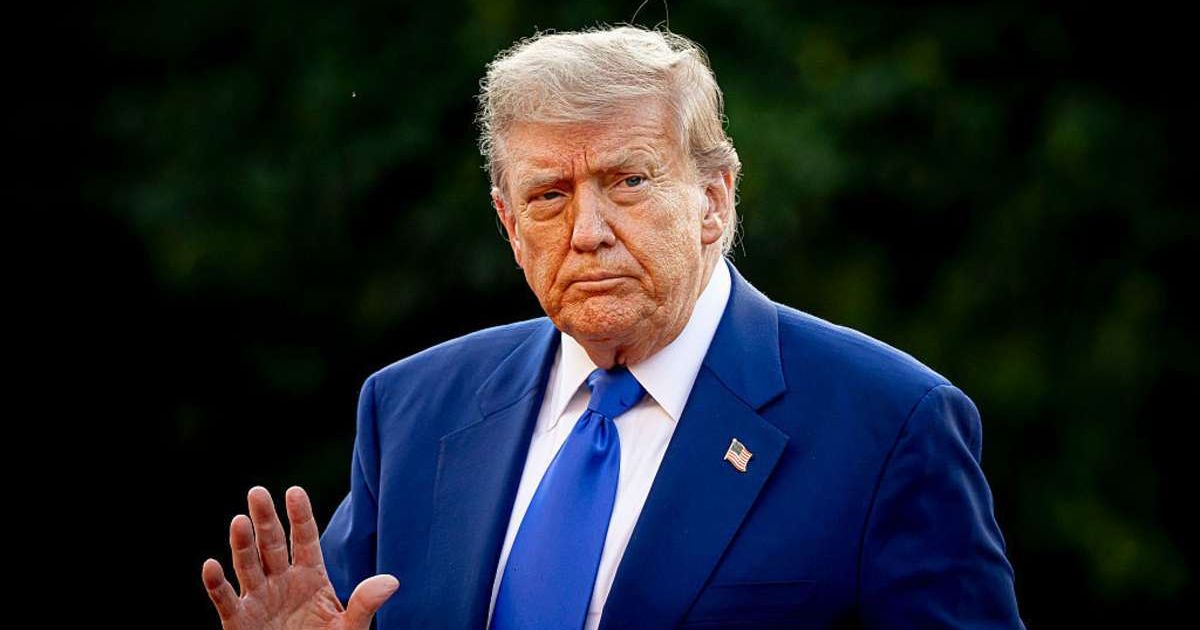
Trump administration agreed to review thousands of NIH grants stalled or cut over ties to diversity, equity, and inclusion initiatives (Patrick van Katwijk/Getty Images)

WASHINGTON, DC: The Trump administration on Monday, December 29, finalized a settlement requiring the National Institutes of Health (NIH) to reevaluate thousands of grant applications that had been frozen or reduced amid a broader review of Diversity, Equity, and Inclusion (DEI) related funding.

The agreement resolves part of a lawsuit brought by labor unions and Democratic state attorneys general, who challenged the administration’s earlier decision to halt or rescind hundreds of millions of dollars in research funding they said was unlawfully targeted.

The settlement marks a procedural reset in the administration’s effort to scrutinize federal grants linked to DEI, LGBTQ+ issues, and gender identity research.

Standard process restored
(x/@NIH)
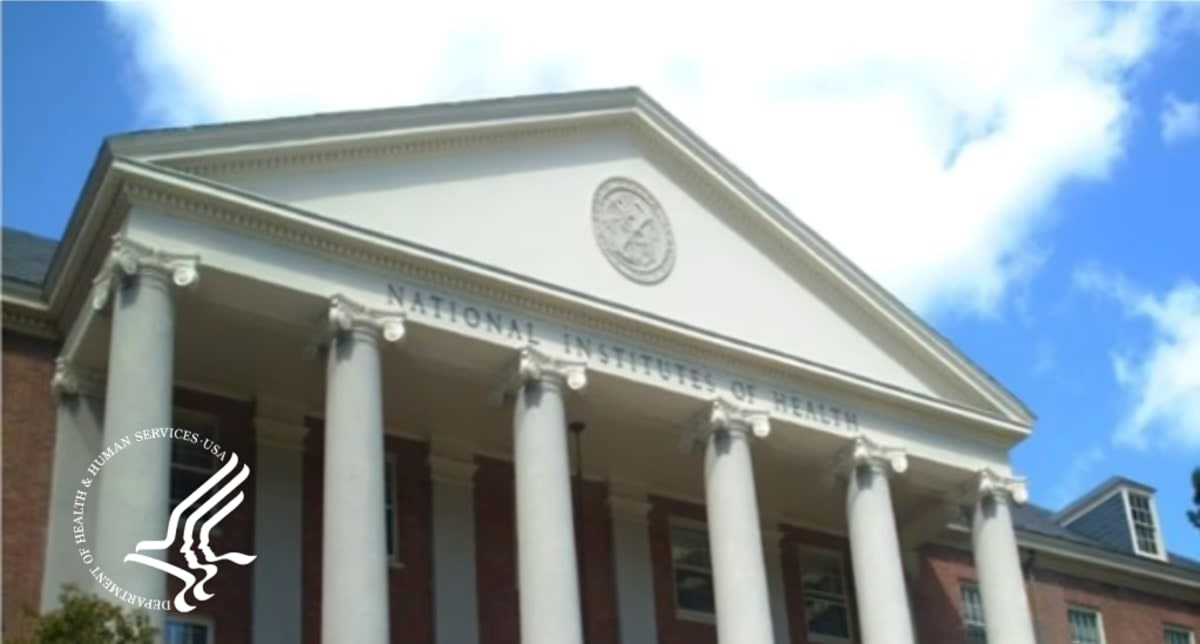
The NIH will revert to its standard review process, abandoning directives that targeted research based on gender identity and DEI (x/@NIH)

Under the agreement, the NIH will no longer operate under the specific directives that flagged certain grants based on subject matter tied to DEI or identity-based research.

Instead, the agency has agreed to review stalled, denied, or frozen applications using its standard evaluation process. The settlement sets firm deadlines for completing those reviews, requiring decisions to be made under existing scientific and administrative criteria.

The agreement does not require the NIH to approve or fund any specific proposal. It only mandates that applications be considered through regular procedural channels rather than categorical exclusions.

Arbitrary and destructive freeze
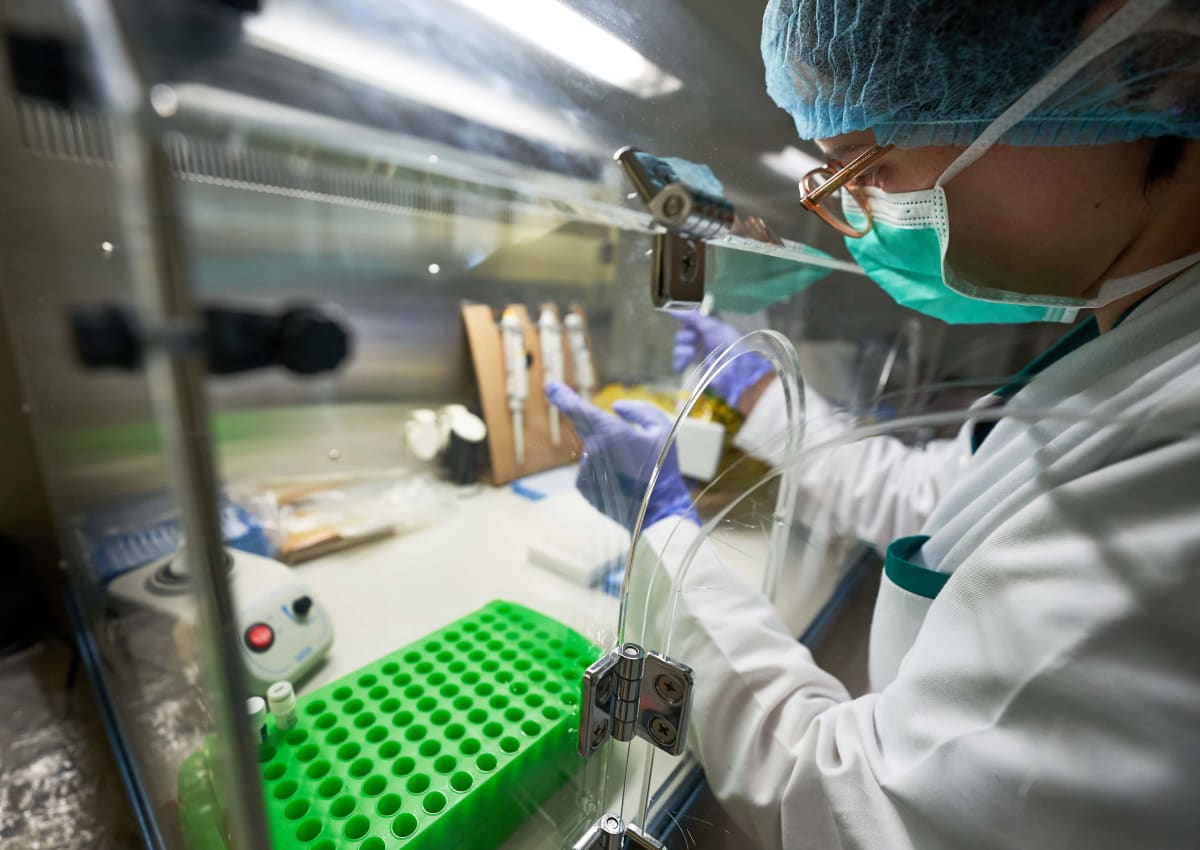
Researcher performing microbiology separator for PCR diagnosis test in pathology laboratory.
Researchers like Nikki Maphis, who studies the aging brain, say the freeze was 'destructive' to urgent public health needs (Getty Images)

Several researchers named in the lawsuit said the settlement restores a pathway that had been abruptly closed.

Nikki Maphis, a postdoctoral researcher at the University of New Mexico who studies neurodegenerative aging, said the deal allows her application to move forward after what she described as an unjustified delay.

"This agreement allows my grant application, and many others, to move forward for review after an arbitrary and destructive freeze," Maphis said in a statement.

"I look forward to having my funding proposal evaluated fairly so that I can continue contributing to urgent and unmet public health needs," she added.

Legal battles continue

WASHINGTON, DC - OCTOBER 05: The U.S. Supreme Court is seen on October 05, 2021 in Washington, DC. T
While the settlement resolves the immediate status of the grants, the legal battle over whether the initial directives violated the APA heads to an appeals court in January (Getty Images)

The settlement follows a complicated series of court rulings. A federal judge in Boston previously ruled that the NIH grant terminations violated federal law, a decision later partially narrowed by the US Supreme Court.

The high court directed monetary claims to be handled by the US Court of Federal Claims but declined to suspend the lower court’s determination that the administration’s anti-DEI directives violated the Administrative Procedure Act.

The Trump administration is appealing that ruling, with oral arguments scheduled before the First Circuit Court of Appeals on January 6.
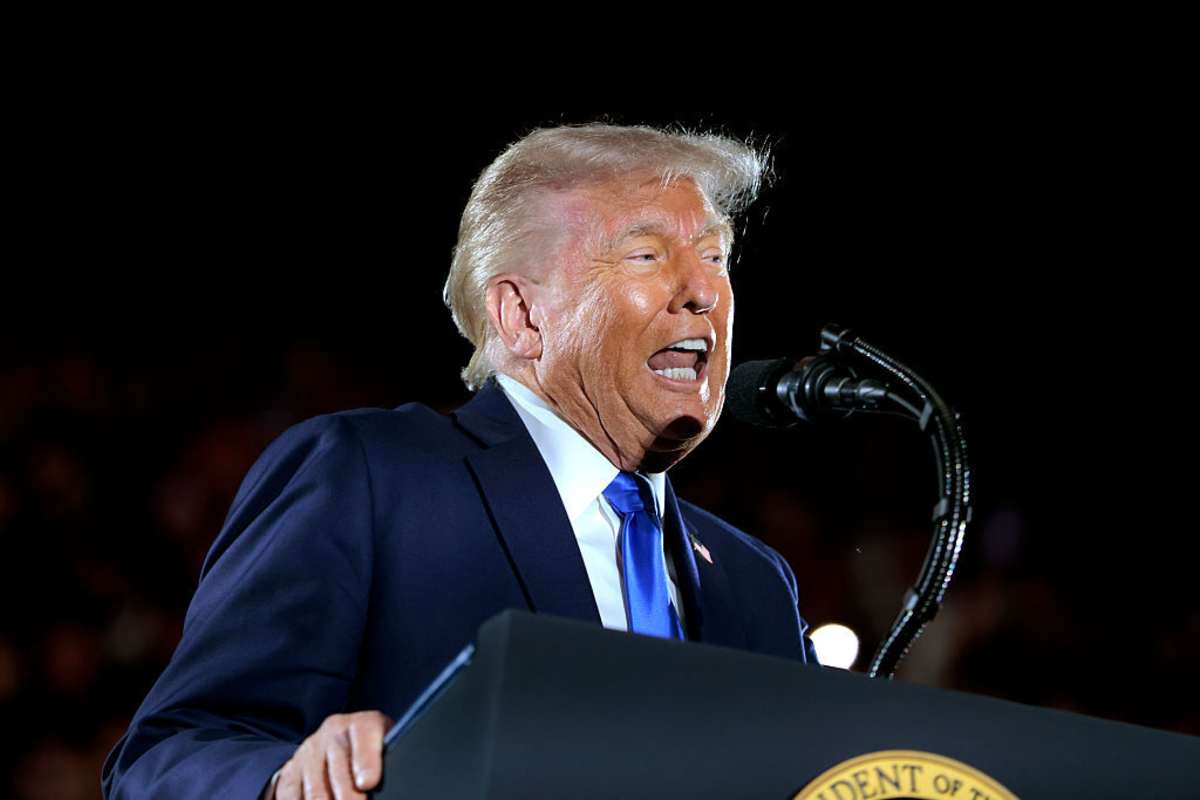
TUSCALOOSA, ALABAMA - MAY 01: U.S. President Donald Trump delivers remarks to graduating students at the Coleman Coliseum at the University of Alabama on May 01, 2025 in Tuscaloosa, Alabama. Trump's remarks come the day before commencement ceremonies. (Photo by Anna Moneymaker/Getty Images)
The Trump administration agreed that the end of the fiscal year will not be used as an excuse to deny the stalled funding (Getty Images)

The agreement also addresses timing concerns tied to the federal budget cycle. It explicitly states that the end of fiscal year 2025 will not prevent the NIH from reviewing or awarding funds tied to the affected applications.

GET BREAKING U.S. NEWS & POLITICAL UPDATES
STRAIGHT TO YOUR INBOX.

MORE STORIES

Investigative journalist Dan Boguslaw snagged the ultra-confidential roster by reportedly hounding a San Francisco insider
8 hours ago
Larry Ellison began investing in the Florida island in 2022 and poured $450 million into two landmark properties since
9 hours ago
Stewart tied a culture‑shaping immigrant presence in LA to growing outrage over ICE enforcement tactics in the US and urged symbolic protest action
9 hours ago
Surveillance from a Tucson neighborhood captures 12 cars on a back road hours before Nancy Guthrie’s disappearance
9 hours ago
The protester described the hearing as a 'Republican circus' and said he was there to defend democracy and free speech
10 hours ago
Authorities say George poured gasoline inside the stolen ambulance in an alleged attempt to ignite a fire at the federal building
11 hours ago
The newspaper published an opinion piece describing the team’s appearance at the State of the Union address as a 'zoo'
11 hours ago
While one insider said she would remain with NBC, Savannah Guthrie's exact role upon returning was still unclear, given the situation
14 hours ago
Bill O’Reilly cited US Code 871, saying Robert De Niro’s remarks about President Donald Trump should have triggered Secret Service scrutiny
17 hours ago
Heather Barnhart pointed to abrupt device shutdowns and airplane mode use as behaviors that often drew scrutiny during high-profile investigations
1 day ago