Trump AI executive order exposes growing Republican rift over state regulation
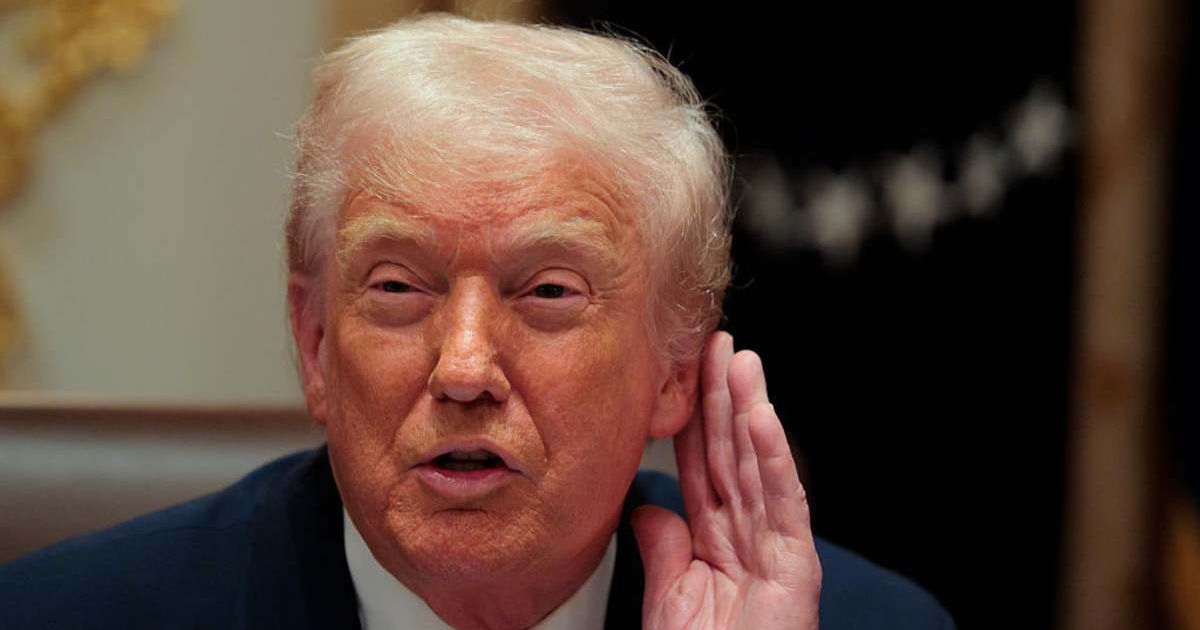
WASHINGTON, DC: President Donald Trump signed an executive order on Thursday, December 11, aimed at limiting state-level artificial intelligence regulations in favor of a centralized federal approach, triggering renewed divisions within the Republican Party.
The move, framed by the administration as necessary to maintain US competitiveness with China, has drawn both strong support as well as sharp criticism from prominent Republicans.
While business-aligned conservatives have backed the effort, others argue that it undermines states' rights and prioritizes corporate interests over consumer protections.
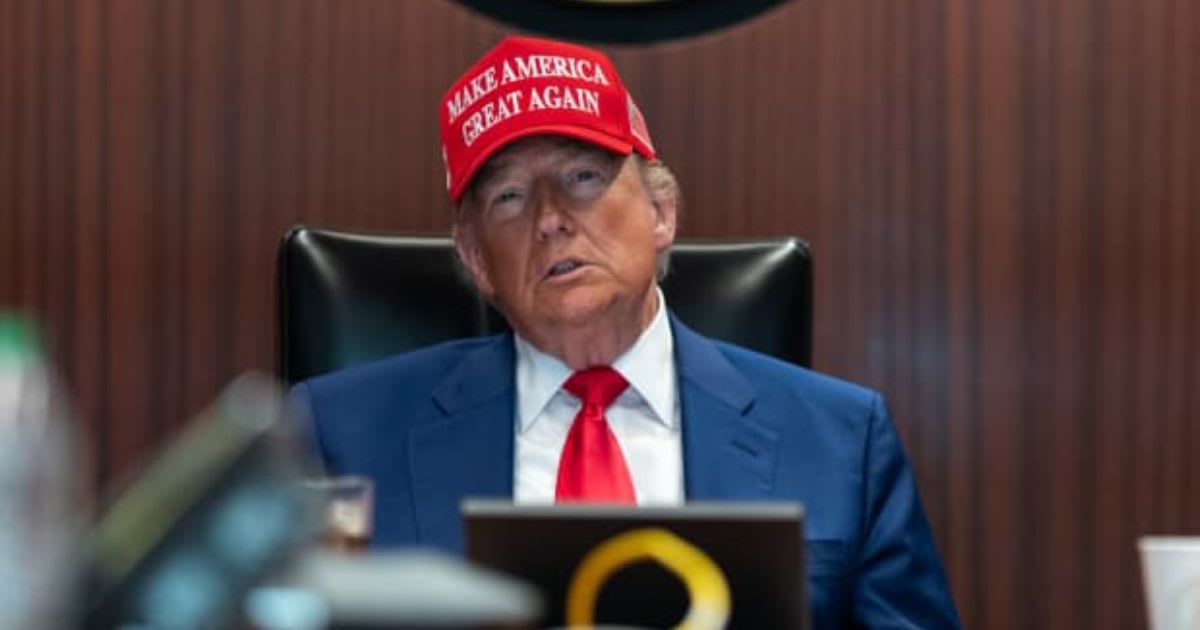
Trump's Federal AI push draws resistance within the GOP
Trump's executive order seeks to establish a national AI standard by pushing back against what the administration describes as "onerous" state laws that could hinder innovation.
The order directs administration officials to form a task force to challenge state AI regulations and develop policies that could restrict broadband funding to states with laws deemed overly burdensome.
“You have to have a central source of approval,” Trump said. “When [companies] need approvals for things, they have to come to one source. They can’t go to California, New York and various other places, like Illinois.”
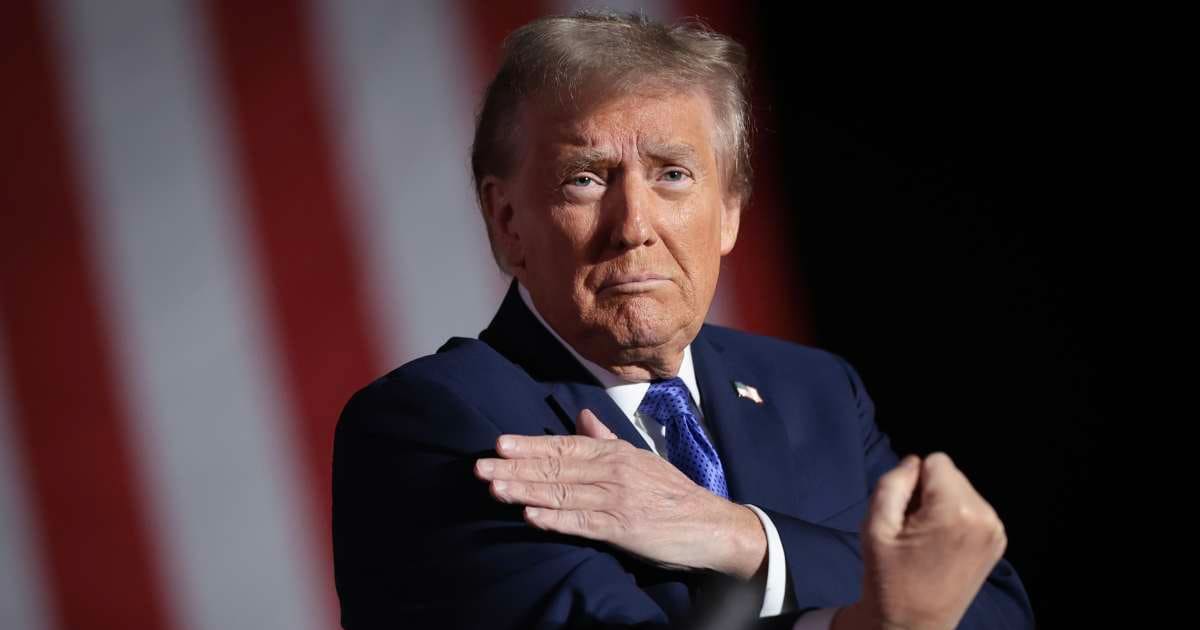
"There’s only going to be one winner here, and that’s probably going to be the US or China," he continued.
Former Trump adviser Steven Bannon publicly criticized the executive order, warning it could alienate Trump's political base.
“After two humiliating face plants on must-pass legislation, now we attempt an entirely unenforceable EO- tech bros doing their utmost to turn POTUS MAGA base away from him while they line their pockets,” Bannon said.

Major AI companies have argued that complying with a patchwork of state laws would be difficult for an emerging industry, particularly as states like California advance aggressive regulatory frameworks.
A Republican lobbyist described the divide as increasingly visible.
“You’ve got a whole cadre of senators and MAGA influencers that have staked out a position on AI that is not consistent with what the president signed yesterday," they said.
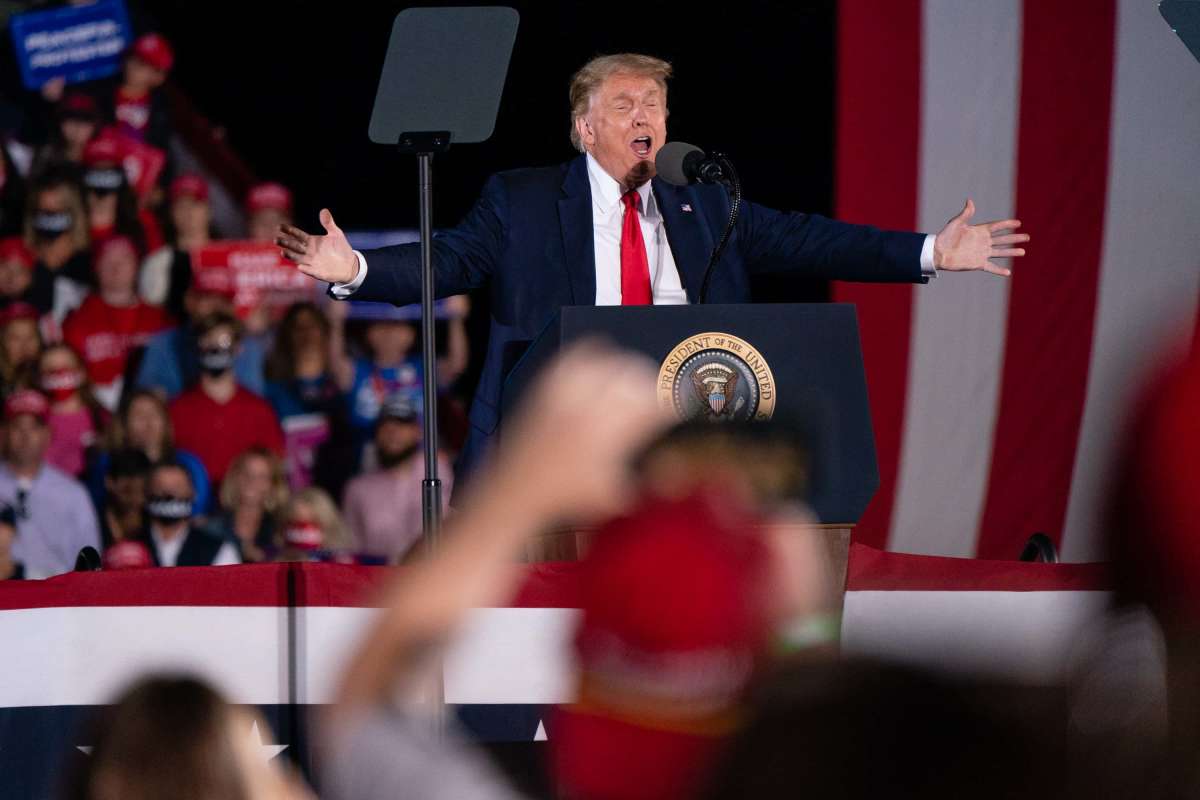
Ron DeSantis and State leaders push back on pre-emption
Florida Gov Ron DeSantis has emerged as one of the most vocal Republican critics of federal preemption on AI regulation.
He argued that limiting states' authority would amount to federal overreach and benefit technology companies at the expense of voters.
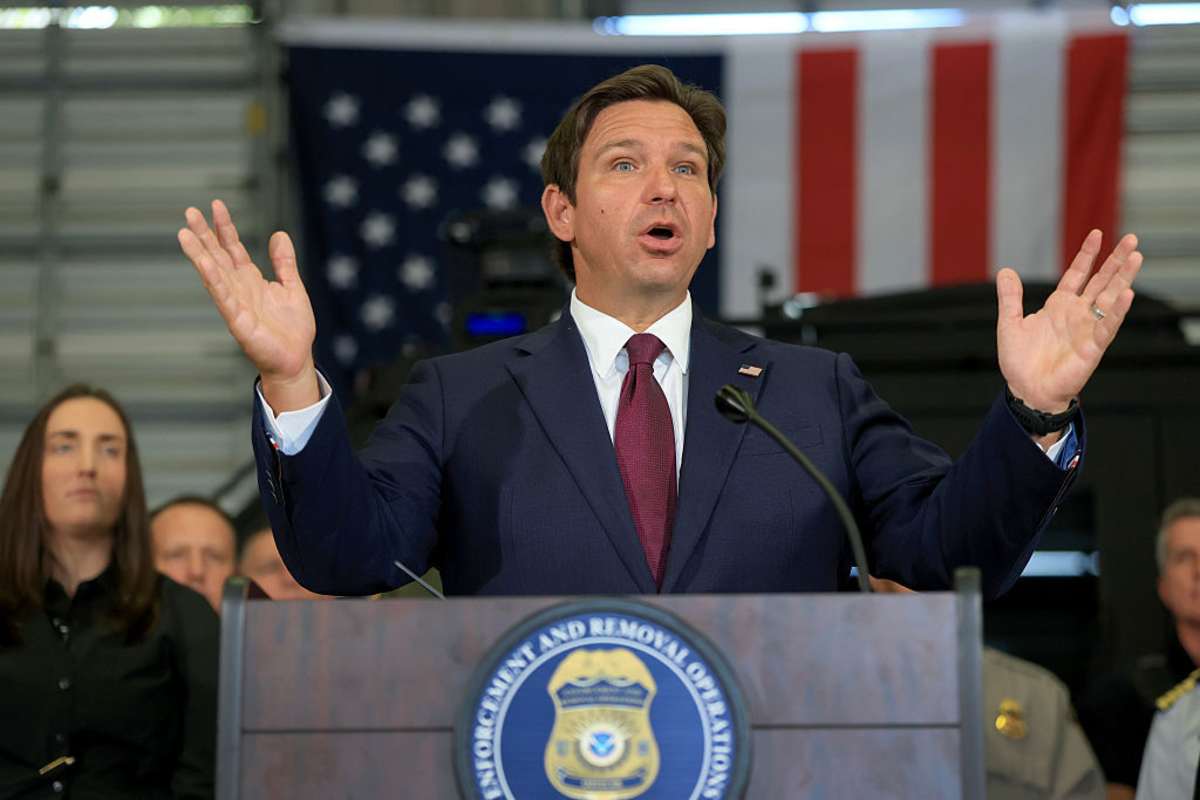
“The rise of AI is the most significant economic and cultural shift occurring at the moment," DeSantis wrote on X.
"Denying the people the ability to channel these technologies in a productive way via self-government constitutes federal government overreach and lets technology companies run wild,” he added.
DeSantis also suggested that such federal efforts could violate states' powers under the 10th Amendment.
Last week, he introduced a proposal for a "citizen bill of rights for artificial intelligence," focused on consumer protections, including safeguards against deepfakes and misuse of affecting children.