Florida emerges as Trump’s last chance to expand GOP seats via redistricting

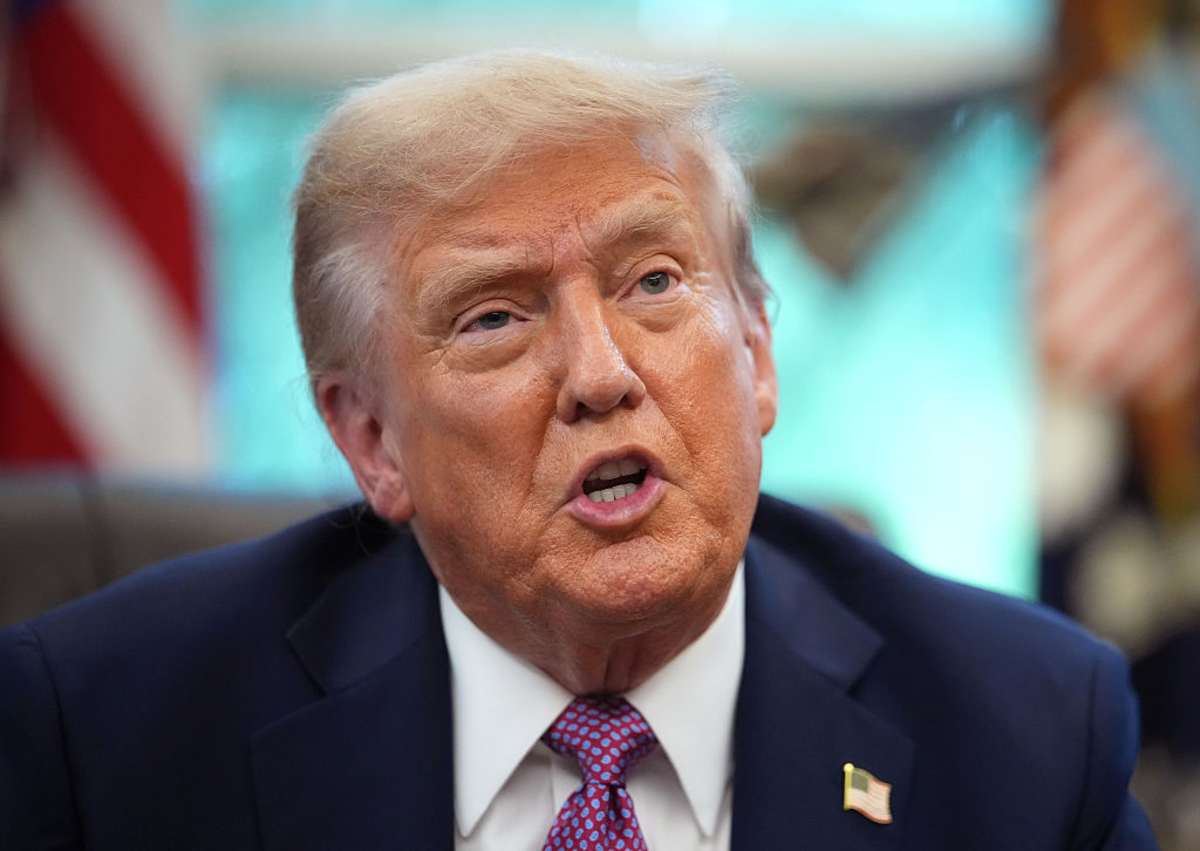
WASHINGTON, DC: Florida may be President Donald Trump’s final opportunity to add Republican seats through the rare, mid-decade redistricting drive he has encouraged across GOP-led states ahead of the midterms.
With the White House under pressure to bolster the party’s narrow House majority, Florida’s entry into the redistricting arena this past week signals the start of a potentially pivotal and politically volatile process.
The Republican-controlled state legislature held its first hearing on Thursday, December 4, formally opening a months-long effort to redraw congressional boundaries.
Florida GOP faces hurdles in redistricting despite unified control
Florida now follows states like Texas, Missouri and North Carolina, which have already pushed through new maps in line with Donald Trump’s calls to lock in Republican advantages.
But the national effort has fallen short of early expectations. California and other blue states are adopting new maps to protect Democrats, while GOP-controlled states such as Indiana have struggled to deliver large partisan swings. That makes Florida, where Republicans dominate state government, even more crucial.
According to NBC News' analysis by Matt Dixon, despite unified GOP control, Florida faces unique hurdles. Long-running tensions between Gov Ron DeSantis and some Republican lawmakers have complicated cooperation on the map-drawing effort.
Also, the state constitution contains anti-gerrymandering provisions that prohibit maps intentionally designed to favor a political party. The language has weakened in recent years, but it is still legally relevant.
These constraints are part of the reason the White House has exerted less pressure on Florida than on other states.
DeSantis has argued that Florida should wait for the US Supreme Court to rule in a Louisiana case that could further weaken the Voting Rights Act. A ruling against the Act, he said, would “necessitate new congressional redistricting.”

Ron DeSantis and state Senate leaders want a special redistricting session in April, just weeks before the April 20 candidate-qualifying deadline. House leaders, however, say any new map should be handled during the regular session starting in January.
“It would be irresponsible to delay the creation and passage of a new map,” said state Rep Mike Redondo, the House redistricting chair.

Chaotic first hearing leaves protesters silenced
Redondo’s committee met Thursday in a short session that allowed no public comment, despite dozens of protesters who traveled to Tallahassee to voice concerns over the rushed process.
Activists in the packed room allegedly laughed openly when Republicans insisted that the redistricting push was not driven by partisan motives.
“It seems reasonable the committee would take testimony, especially since people traveled a long way,” said Jessica Lowe-Minor, president of the League of Women Voters of Florida.
The meeting focused solely on procedural outlines; no proposed maps were discussed or released.

Republicans hope for 3 to 5 new seats but legal risks loom
Florida Republicans believe a new map could net them between three and five additional House seats, according to three veteran GOP insiders. But pushing for the full five could trigger legal challenges given the state’s constitutional limits.
“That number [five] could get us into some trouble,” said one Republican operative following the process, noting Florida’s legal and political constraints.
Districts most likely to be targeted for reshaping include the Orlando-area seat held by Democratic Rep Darren Soto and two South Florida seats held by Reps Jared Moskowitz and Debbie Wasserman Schultz. Republicans currently hold 20 of Florida’s 28 congressional seats

National redistricting push faces mixed results
Florida’s potential gains come as Trump’s national redistricting push yields uneven outcomes.
On Friday, the US Supreme Court allowed Texas to use a new GOP-friendly map designed to add as many as five Republican seats. Indiana’s House passed a map that could net two seats, though uncertainty remains in the Senate.
Elsewhere, the picture is mixed, Ohio Republicans settled on a modest advantage; Utah’s court-mandated map may produce a Democratic pickup; and GOP leaders in Kansas, Nebraska and New Hampshire declined to join the mid-cycle remapping effort.
Meanwhile, Democrats in California and Virginia have advanced new maps aimed at strengthening their side, and Democratic-led Illinois and Maryland are still weighing potential redistricting.