Florida enters high-stakes national redistricting fight amid legal and political obstacles
WASHINGTON, DC: Florida is stepping into the escalating national redistricting battle, with a legislative hearing on Thursday, December 4, set to launch another partisan showdown over congressional maps.
Republicans, who already control 20 of the state’s 28 House seats, view Florida as prime terrain for expanding their narrow House majority ahead of next year’s midterms.
But the path is fraught. Florida voters approved a 2010 constitutional amendment banning partisan gerrymandering, a restriction that still stands even after the state Supreme Court narrowed the amendment’s racial-gerrymandering provisions.
The state constitution explicitly forbids drawing maps “with the intent to favor or disfavor a political party or an incumbent.”
“This kind of partisan redistricting battle is not illegal in other states, but it is illegal in Florida,” said Amy Keith, executive director of Common Cause Florida.

Florida House schedules hearings
Despite unified party control in Tallahassee, Florida Republicans are divided over how quickly to act. The Florida House has already scheduled two hearings this month to begin the process.
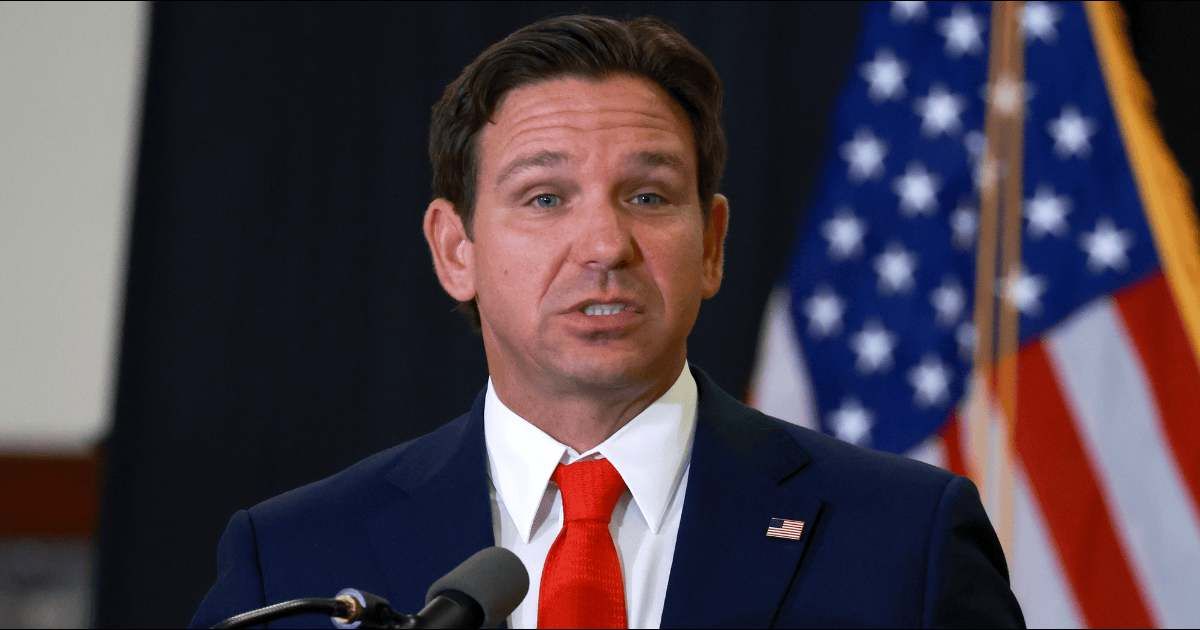
But Gov Ron DeSantis wants to delay action until the spring, just days before candidates must file, to incorporate a potential Supreme Court ruling in a Louisiana case that could weaken the Voting Rights Act.
On Wednesday, Senate President Ben Albritton sided with DeSantis, telling colleagues that there is “no ongoing work” in the Senate on mid-decade redistricting.
Still, he warned lawmakers to brace for litigation, avoid partisan operatives, and preserve all communications for the likely court challenges ahead.

Florida GOP eyes 3 to 5 seat gain in redistricting push
No draft maps have been introduced, but strategists believe Republicans could net between three and five seats, with three viewed as most achievable.
Potential targets include districts held by Democratic Reps Darren Soto in Orlando, Jared Moskowitz and Debbie Wasserman Schultz in South Florida.
However, an overly aggressive GOP map risks producing a “dummymander,” inadvertently making competitive districts where Democrats could gain ground.
Any special session would need to occur before early April to meet the federal candidate qualifying deadline of April 20.
Democrats hold little procedural power to stop the process, but more than 30 pro-democracy and progressive groups plan to bus over 300 protesters to the Capitol on Thursday to oppose the GOP’s push.

Democrats counter with California lines
Florida’s move comes as Republicans and Democrats nationwide scramble to shape the House battlefield for 2026. The cycle began with Texas Republicans approving a map that could add as many as five GOP seats.
But Democrats countered with new California lines approved by voters last month, potentially neutralizing those gains.
GOP advances in Missouri and North Carolina have helped the party, but other efforts have stalled, and Republicans are still awaiting a Supreme Court decision on whether Texas can use its new map in 2026.

Elsewhere, an Indiana proposal that could give Republicans two additional seats is advancing, though its fate in the state Senate is uncertain.
In Virginia, Democrats have launched a new multi-phase remapping effort that could yield up to four additional Democratic seats.
Pressure also continues in Maryland, Illinois and Kansas, where both parties are watching closely for further redistricting moves.