Trump boasts over 270,000 federal job cuts as workforce hits decade low
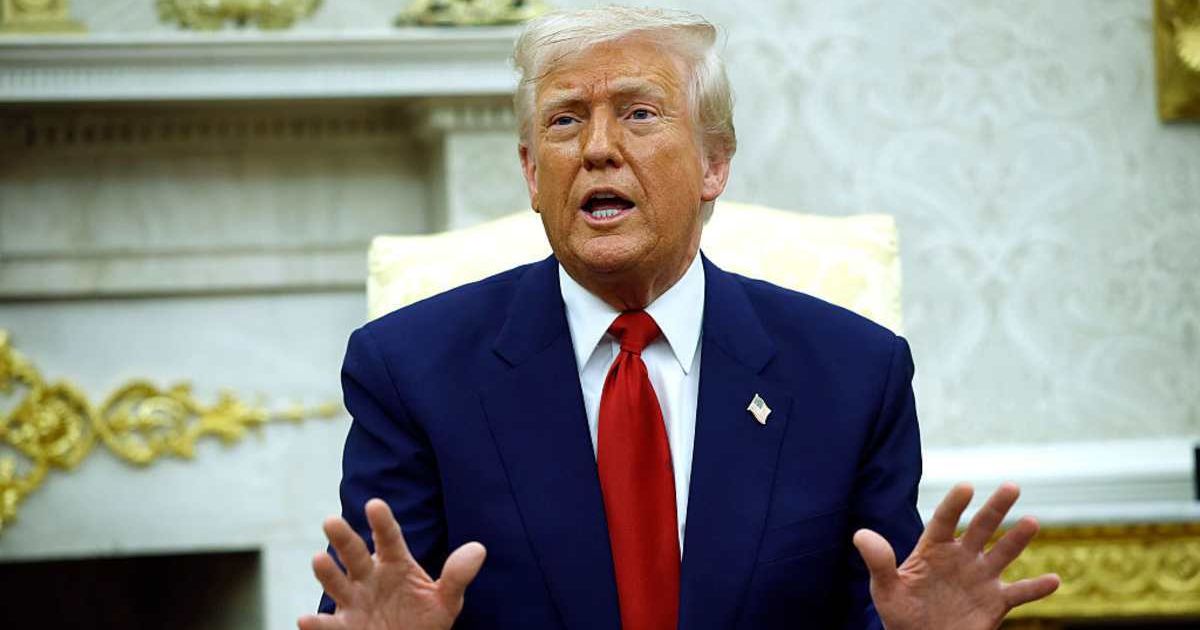
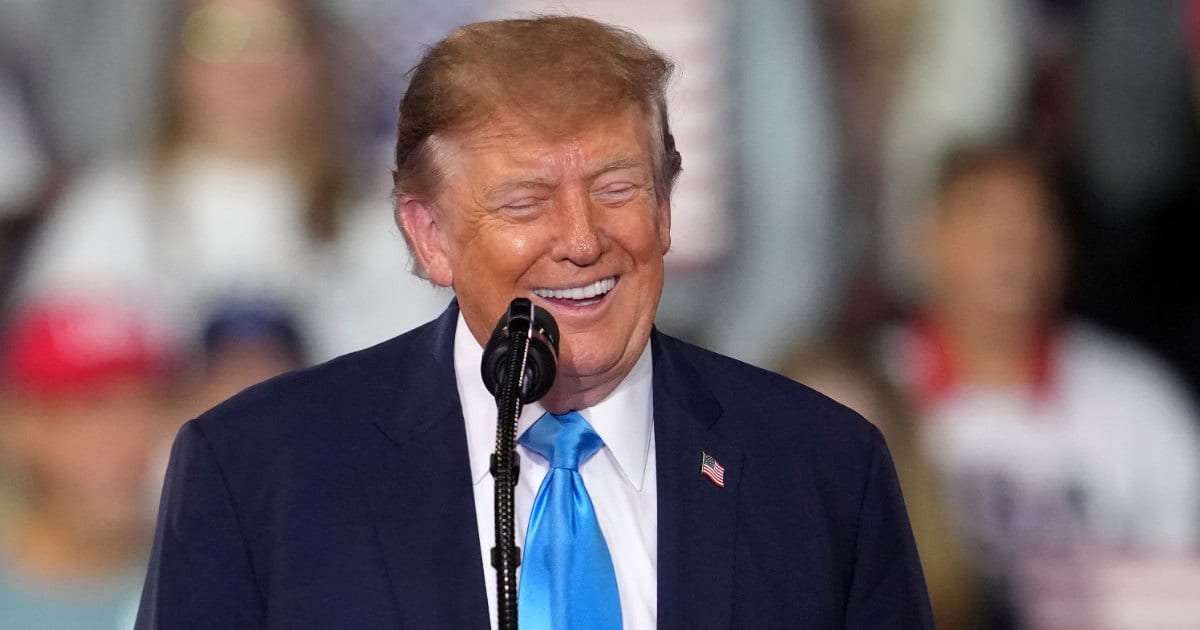
WASHINGTON, DC: President Donald Trump is drawing renewed scrutiny after publicly celebrating the elimination of more than 270,000 federal jobs during the early months of his second term, a move that clashes sharply with his repeated claims of being a “president for the workers” who “protects the middle class.”
Trump, 79, marked the milestone in a Truth Social post on December 26, amplifying a message from the White House’s Rapid Response account that highlighted a sharp decline in federal employment levels.
Big news for the USA! President DJT
— Commentary: Trump Truth Social Posts On X (@TrumpTruthOnX) December 26, 2025
(TS: 26 Dec 07:46 ET) pic.twitter.com/XvpxHqEWxV
Donald Trump amplifies White House claim on federal job cuts
In his post, Trump shared a screenshot from the White House Rapid Response account on X, which stated that federal government employment has fallen to its lowest level since 2014, with 271,000 positions eliminated.
Federal employment is now at the lowest level since 2014 — down by 271,000 jobs since President Trump took office.
— Rapid Response 47 (@RapidResponse47) December 16, 2025
Promises made, promises kept. pic.twitter.com/vKNy0MHGoP
“Promises made, promises kept,” the account declared while promoting Trump’s 'America First agenda and holding the Fake News accountable.'
Trump echoed the sentiment in his own words, writing simply, 'Big news for the USA!' - a celebratory tone that quickly sparked debate online, particularly given the scale of the job losses.
Second term agenda prioritizes leaner government
Trump returned to the White House after defeating Vice President Kamala Harris in the November 2024 election. His second-term agenda has leaned heavily into reducing what his administration views as 'excessive government bureaucracy.'
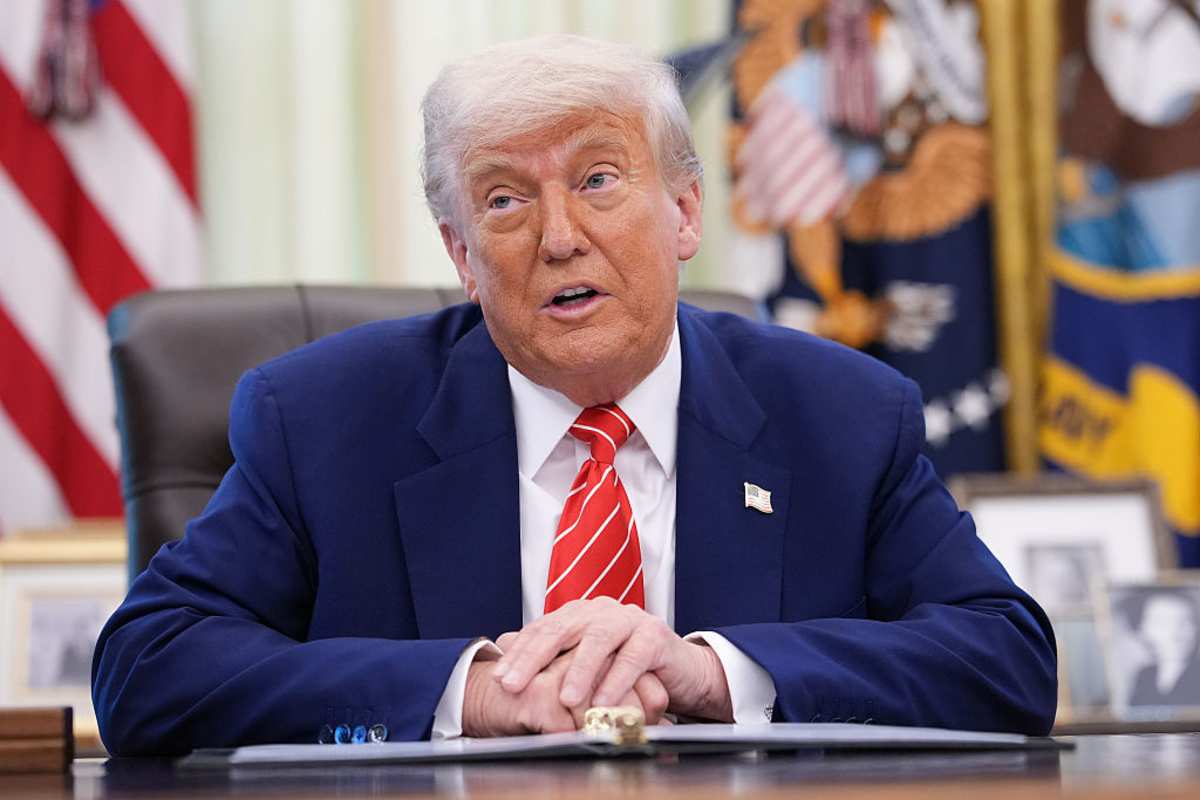
To spearhead that effort, Trump brought billionaire tech executive Elon Musk into the Oval Office as co-lead of the Department of Government Efficiency (DOGE), an initiative designed to slash government spending and eliminate roles deemed unnecessary.

Trump previously said the goal was to build 'a smaller government, with more efficiency and less bureaucracy.' He later signed an executive order extending the DOGE’s work through July 2026.
However, the initiative’s future quickly became murky. In November, Office of Personnel Management Director Scott Kupor said the DOGE 'doesn’t exist' as a centralized entity anymore, according to Reuters. Musk had already announced his departure from the role in May, shortly after publicly criticizing Trump’s budget legislation.
Federal job losses continue amid mixed employment picture
The job cuts come at a time when broader employment data paints a complicated picture for American workers. According to the Bureau of Labor Statistics, the US unemployment rate stood at 4.6% in November, with 7.8 million Americans unemployed. One year earlier, unemployment was lower at 4.2%, with 7.1 million people out of work.
While employment gains were reported in healthcare and construction sectors, federal government jobs continued to decline, underscoring that the workforce reduction has been concentrated within public service roles.
Critics argue that celebrating such cuts undercuts Trump’s messaging around working-class protection, particularly as government jobs often provide stable wages and benefits.
Public opinion remains divided on Trump’s leadership
The president’s job-cutting push has also unfolded against a backdrop of shaky public approval. A recent YouGov/Economist poll found that just 39% of Americans approve of Trump’s handling of the presidency, while 57% disapprove. An additional 4% said they were unsure.
The poll surveyed 1,592 US citizens across a wide range of ages, races, income levels, and political affiliations between December 20 and December 22.
Trump previously served as president from 2017 to 2021, winning the 2016 election against Hillary Clinton before losing his 2020 reelection bid to Joe Biden. His return to office has been marked by aggressive restructuring, high-profile personnel changes, and renewed culture-war messaging.