Trump commission calls for 'bridges' over church-state separation in draft report
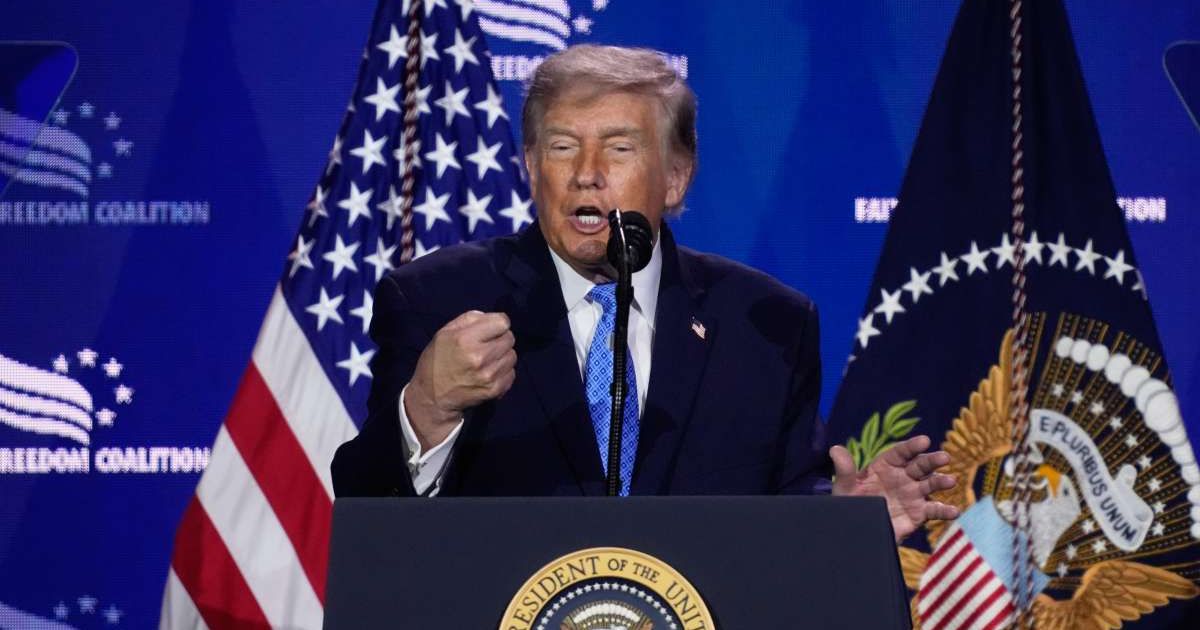
TRUMP: "I established the Presidential Commission on Religious Liberty to outline threats to the free exercise of religion in our country, and to provide recommendations for action. America was founded by people of faith." pic.twitter.com/KQOb3zSkrg
— The Post Millennial (@TPostMillennial) June 26, 2026
WASHINGTON, DC: Trump administration advisers have proposed replacing the traditional idea of separating church and state with "bridges" between them in a sweeping draft report that could reshape how the federal government approaches religion.
The recommendation immediately revived a long-running constitutional debate over religion's role in public life. It also underscored the commission's broader push for expanded religious expression across government, schools and other public institutions.
Trump commission challenges church-state separation
The 224-page draft report, released Friday, May 26, by the Religious Liberty Commission, argues that the widely cited concept of separating church and state has been misunderstood and should give way to a more cooperative relationship.
"To be clear, this does not involve or require advocating 'theocracy' or even the total elimination of any separation between church and state," the report states.
Instead, it says the country should honor the "tension between the relevant clauses of the First Amendment" protecting religious liberty while prohibiting the establishment of a national church.
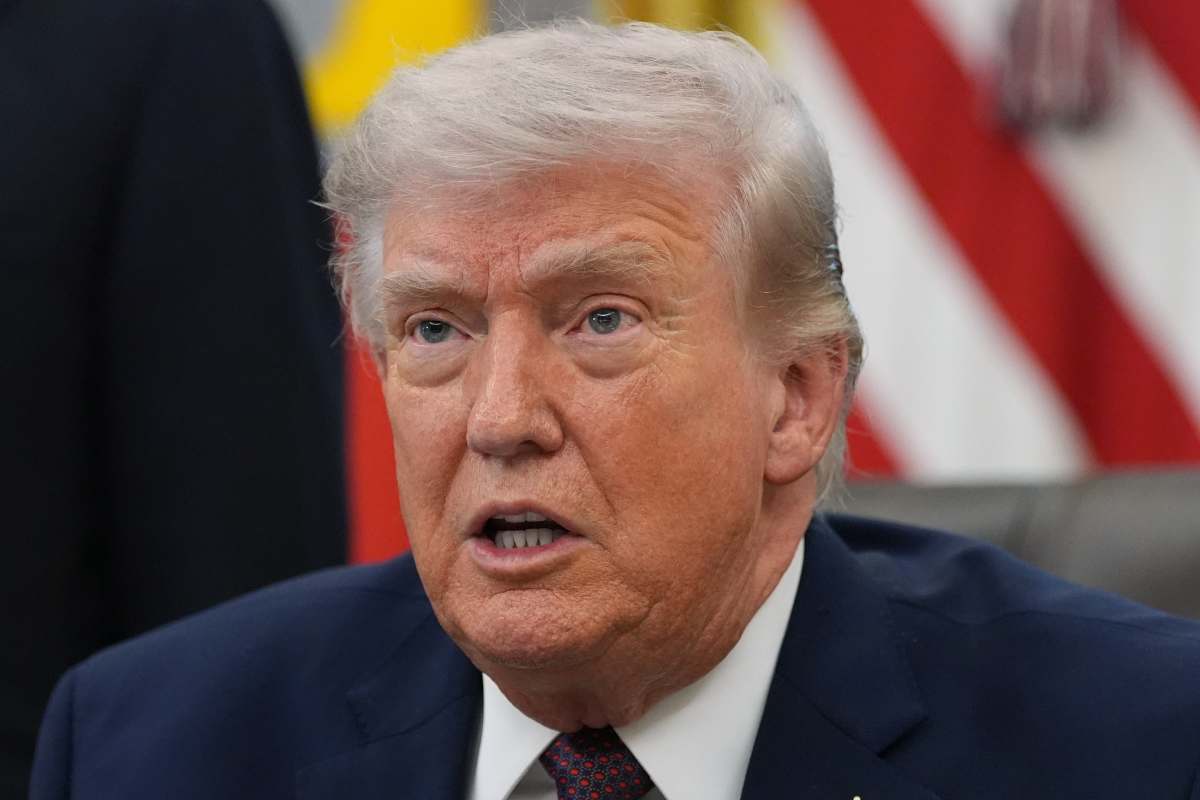
The report adds that, "In reality, the church and state strengthen and support one another," describing religion as a force that provides humanitarian work, strengthens families and serves as a "conscience" that monitors government.
NBC News reported that the advisory body, created by President Donald Trump last year and composed almost entirely of conservative Christians, also recommends repealing the Johnson Amendment, which bars tax-exempt religious organizations from engaging in political activity.
It further calls for broader religious exemptions involving vaccine mandates, pronoun usage and classroom lessons, while urging greater access to public funding for faith-based organizations.
Other recommendations include religious liberty complaint hotlines, "Know Your Rights" posters, a Presidential Medal of Religious Liberty and First Freedom Hero Awards, along with historical exhibits recognizing religion's role in American history.
Trump backs report as critics push back
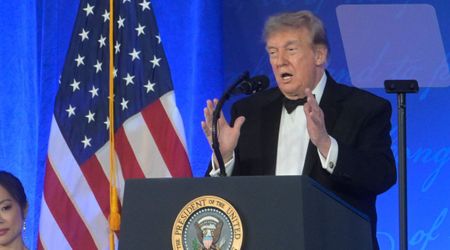
Speaking at a ‘Faith & Freedom Coalition’ gathering in Washington, Trump praised the commission's work while defending his administration's record.
"We saved religion, it was going down," Trump said.
He also argued that former President Joe Biden's administration carried out a "reign of persecution" against Christians.
Texas Lt Governor Dan Patrick, who chairs the commission, renewed his criticism of the church-state separation concept during an Oval Office news conference.
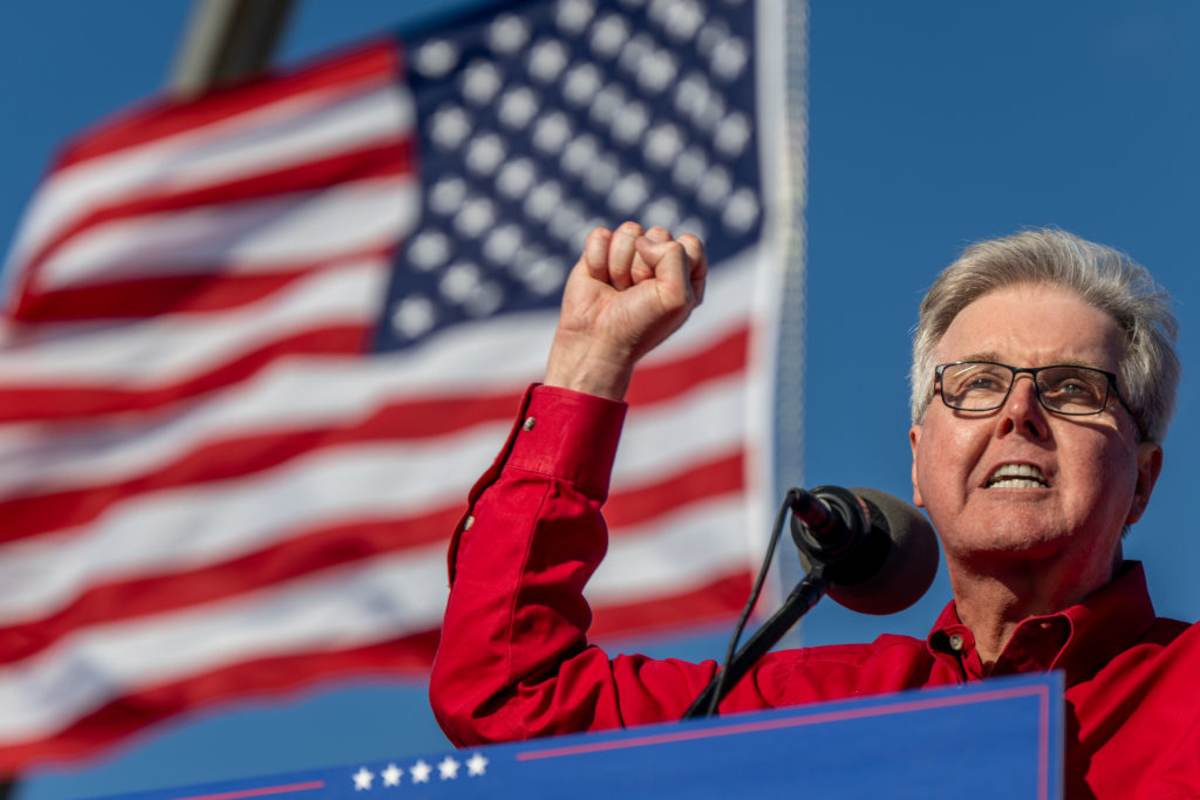 Lieutenant Governor of Texas Dan Patrick speaks at a 'Save America' rally on October 22, 2022 in Robstown, Texas (Brandon Bell/Getty Images)
"The phrase separation of church and state was used to batter and hammer people of faith" for decades, Patrick said, adding that Americans "cannot be attacked by that phrase any longer."
The report stops short of calling the phrase a "lie," as Patrick did earlier this year, but argues that strict interpretations stem from ideas that "made its way … into the American culture and courtroom."
Interfaith Alliance lawsuit targets commission
The report is now open for public comment for 15 days and is expected to draw significant opposition.
The Rev Paul Raushenbush, president of Interfaith Alliance, called it "a wishlist of divisive, unpopular ideas far-right religious groups have pushed for years."
He also said the commission "couldn't bring itself to acknowledge the growing threat of Islamophobia" or Trump's criticism of Pope Leo XIV, Episcopal Bishop Mariann Budde and other religious leaders who opposed what he described as the administration's "inhumane policies."
Interfaith Alliance is among the groups suing the commission, arguing that it lacks the ideological diversity required of federal advisory panels.
The Republican administration has asked a federal court to dismiss that lawsuit