Trump defends Chinese students in US, warns driving them away could damage university system
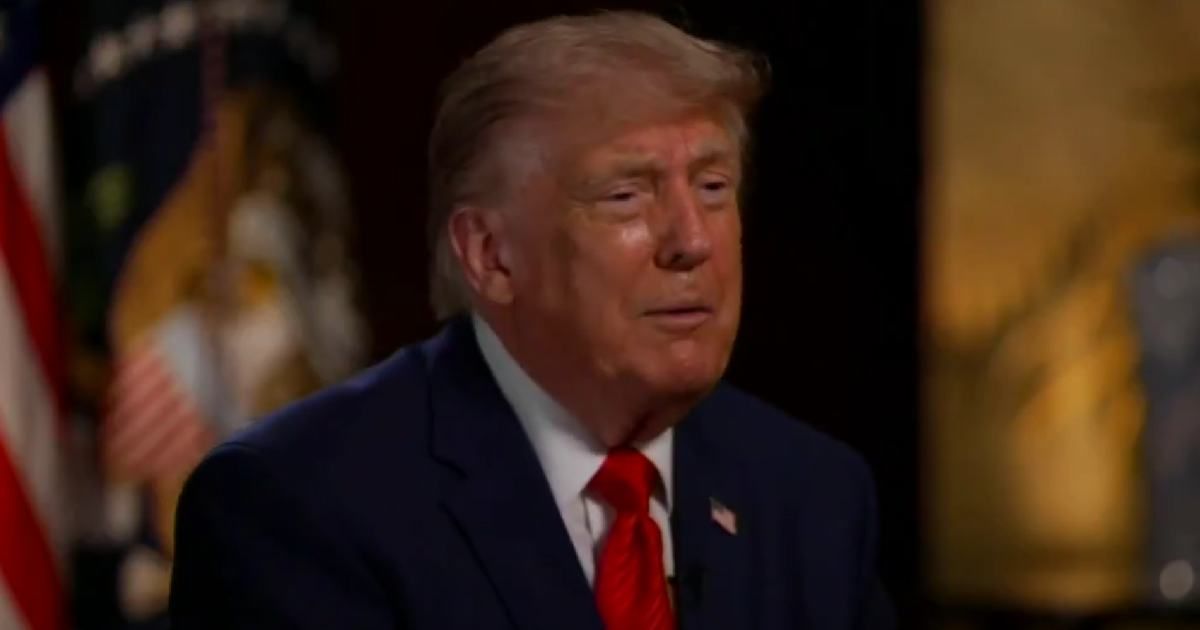
Trump on Chinese Students at US Universities:
— Acyn (@Acyn) May 15, 2026
500,000 students—good students. I could tell them I don't want any students. It's a very insulting thing to say to a country. They would then immediately go out and start building universities all over China. If you want to see a… pic.twitter.com/CuPSHrV164
BEIJING, CHINA: During his trip to China, President Donald Trump is not just repairing the current economic landscape; he is also shaping the balance of power for the future.
The 79-year-old president recently defended the presence of Chinese students in US universities, acknowledging that driving them away could damage the system.
Chinese student numbers in the US have continued to decline over the past year, but they remain the second-largest student group after Indians and the biggest contributors to the US economy, according to the latest annual survey of higher education institutions by the Institute of International Education (IIE), a report sponsored by the State Department.
The figures have dropped dramatically due to several factors, including tighter travel and immigration restrictions, as well as a presidential order limiting the entry of Chinese graduate students and researchers into the US.
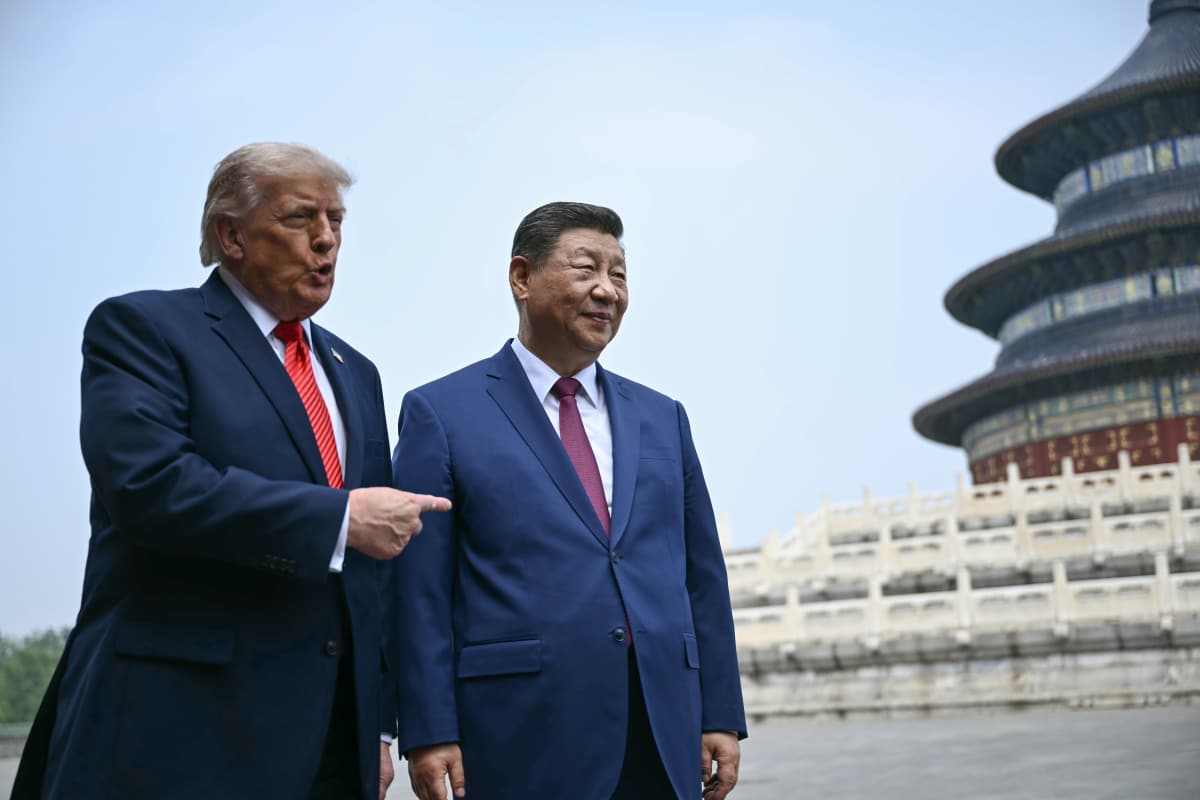
Trump says telling Chinese students to leave is ‘insulting’
Amid his trip to Beijing, the commander-in-chief sat down for an interview with Fox News’ Sean Hannity, where he admitted that forcing Chinese students to leave is an "insulting thing."
“I could tell them I don’t want any students. It’s a very insulting thing to say to a country,” he said, adding, “If you want to see a university system die, take half a million people out of it.”
However, Trump suggested that he might not allow Chinese students to remain in the US after completing their studies.
“If they’re good, they want to stay in America, we won’t give them a green card and things like that … not only them but other countries,” he remarked.
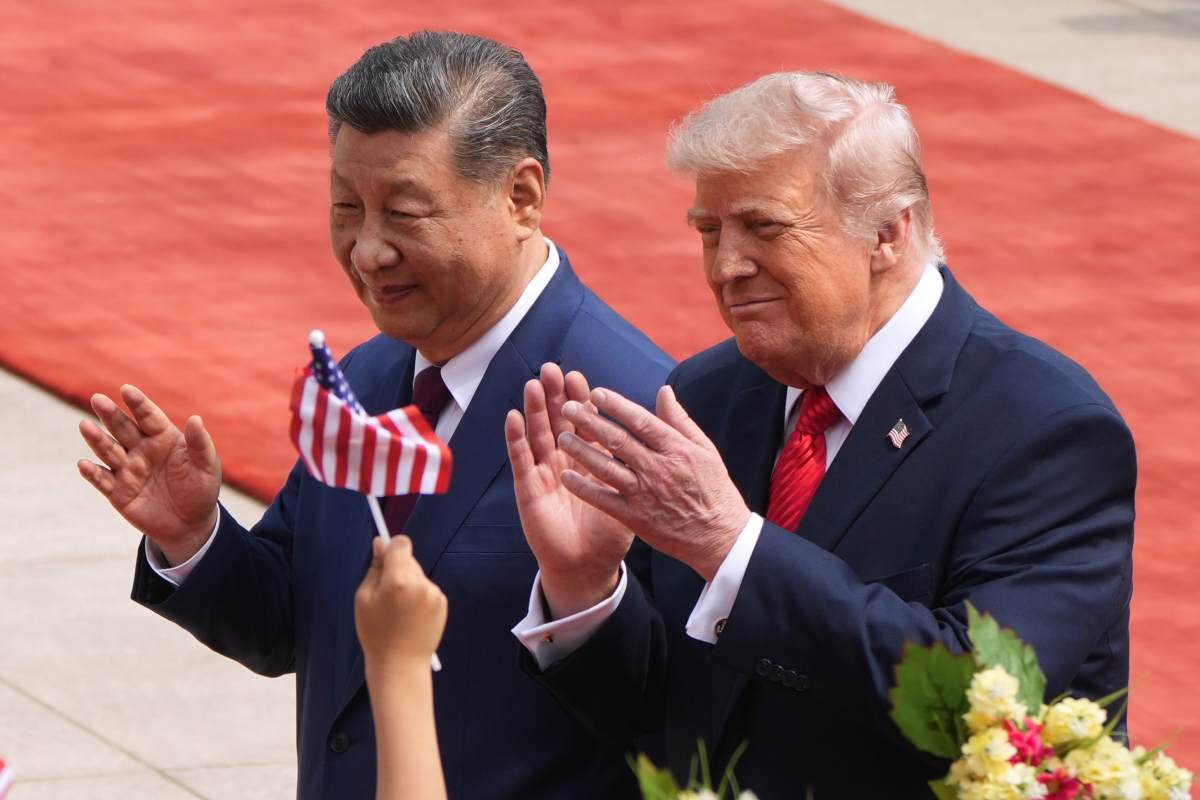
“I could tell them I don’t want any students … they would then immediately go out and start building universities all over China. It’s a very insulting thing to tell a country we don’t want you people in our schools,” Trump said.
He also brushed aside concerns surrounding potential security threats linked to Chinese students. “Honestly, they do things to us, and we do things to them. It’s a very, very fine line,” the POTUS maintained.
Trump’s U-turn on Chinese students
Trump’s political rise has long been marked by hardline rhetoric against immigrants and repeated attacks on Chinese students, whom he has accused for years of unfairly gaming the global economy to become a superpower.
In May, Secretary of State Marco Rubio announced that Washington would “aggressively” revoke visas for Chinese nationals, particularly those allegedly linked to the Chinese Communist Party or studying in strategically sensitive fields.
The move came amid rapidly worsening relations between the US and China, fueled by an escalating tit-for-tat trade war triggered by Trump’s tariffs. Although both sides are currently observing a temporary tariff truce, tensions between Washington and Beijing remain deeply strained.
However, the idea of revoking visas was soon shot down by Trump, who announced giving visas to over 600,000 Chinese students over the next two years, in line with numbers issued in previous years.
Trump told the Daily Caller he did not expect anything in return for allowing students into the country.
"No, I just think it's, I think it's, I think what we're doing is the right thing to do," he said. "It's good to get along with countries, not bad, especially, you know, nuclear-powered countries."