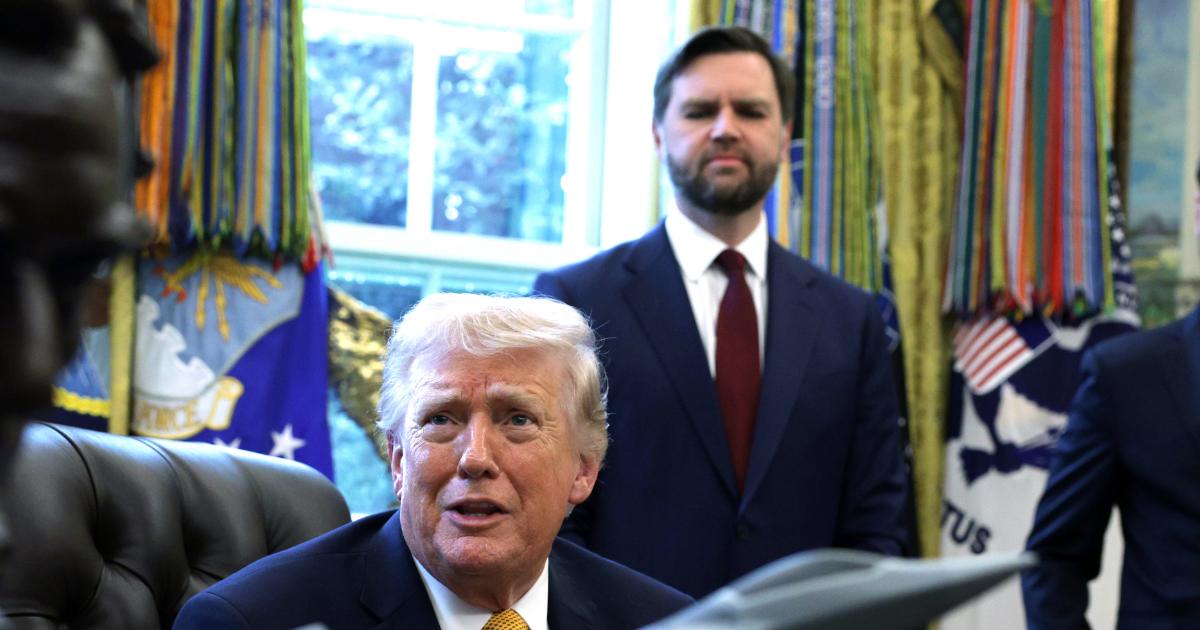
Trump explains why he won't launch full-scale war on Iran: 'We can do it very easily if we want to'

Trump: "If we go and bomb, which we can do very easily if we want, and we spend another two or three weeks bombing, they'll have nothing left whatsoever. But you won't have the Strait open for months. If we do the bombing, a lot of people are going to be killed." pic.twitter.com/qgabA2S8zH
— The Bulwark (@BulwarkOnline) June 9, 2026
WASHINGTON, DC: Donald Trump has repeatedly shown an appetite for launching a full-scale war with Iran, even arguing that the US military can "knock everything out in two days."
However, despite Iran downing a US helicopter, the president is resisting calls for a broader conflict with the Middle Eastern nation, insisting that escalating retaliation into an all-out war would only prolong the crisis and leave a costly aftermath.
Trump says US can easily strike Iran
Speaking to reporters while boarding Air Force One after Knicks game, Trump warned that the crisis surrounding the strategic oil chokepoint could drag on indefinitely if the US goes to war with Iran.

“If we go and bomb, which we can do very easily if we want to, and we spend another two or three weeks bombing, they’ll have nothing left whatsoever,” he said, just several hours after Iran downed a US military helicopter in the Strait of Hormuz.
“But you won’t have the Strait open for months. If we do the bombing, a lot of people are going to be killed,” he said before adding, “Who wants to do that? I don’t.”
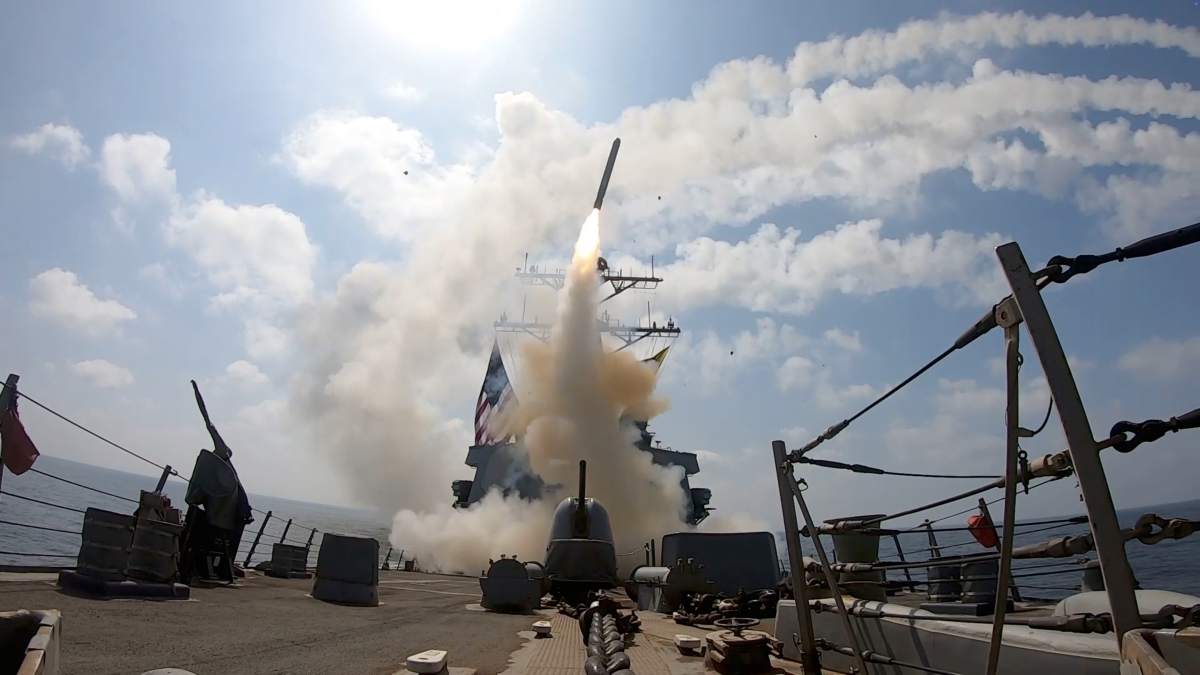
Even so, Trump authorized a limited military response to Iran's downing of the Apache helicopter, with US Central Command emphasizing that the strikes would remain "proportional" to the attack.
“There were two pilots involved, both are safe and uninjured,” he wrote. “Nevertheless, the United States must, of necessity, respond to this attack.”
Trump’s latest remarks contrast with his earlier comments, in which he suggested that Washington would help Iran rebuild its infrastructure after destroying “an entire infrastructure of a nation,” while receiving half of the country’s oil in exchange.
“Somebody’s going to have to build all that infrastructure, new bridges, new this, new that, new power plants,” he said. “They’re talking about a trillion dollars, probably more. That’s why we’ll probably get involved in rebuilding.”
US attacks Iranian defense systems after helicopter downing
Following the president’s comments, the US carried out what it described as retaliatory strikes on Iranian defense systems after an American helicopter was downed over the Strait of Hormuz.
Firas Maksad, managing director for the Middle East and North Africa at Eurasia Group, told the BBC that the latest exchanges appear to be a calculated tit-for-tat between Washington and Tehran rather than the opening phase of a broader war.
US launches 'proportional' attacks against Iran in payback for 'unjustified' downing of Army helicopter https://t.co/ADMVtfN21y pic.twitter.com/TqXVomZMjU
— New York Post (@nypost) June 9, 2026
"I don't think that there is an immediate risk of this war really starting up again," he said, describing US actions today as "carefully choreographed."
"[The US] struck radar targets, military facilities along the Iranian coastline around the Strait of Hormuz, nothing beyond that," Maksad said. "This is a managed conflict. Both sides don't want to see a return to all-out hostilities as we had last month."