Trump fights to save Kennedy Center as DOJ warns court of ‘existential’ stakes
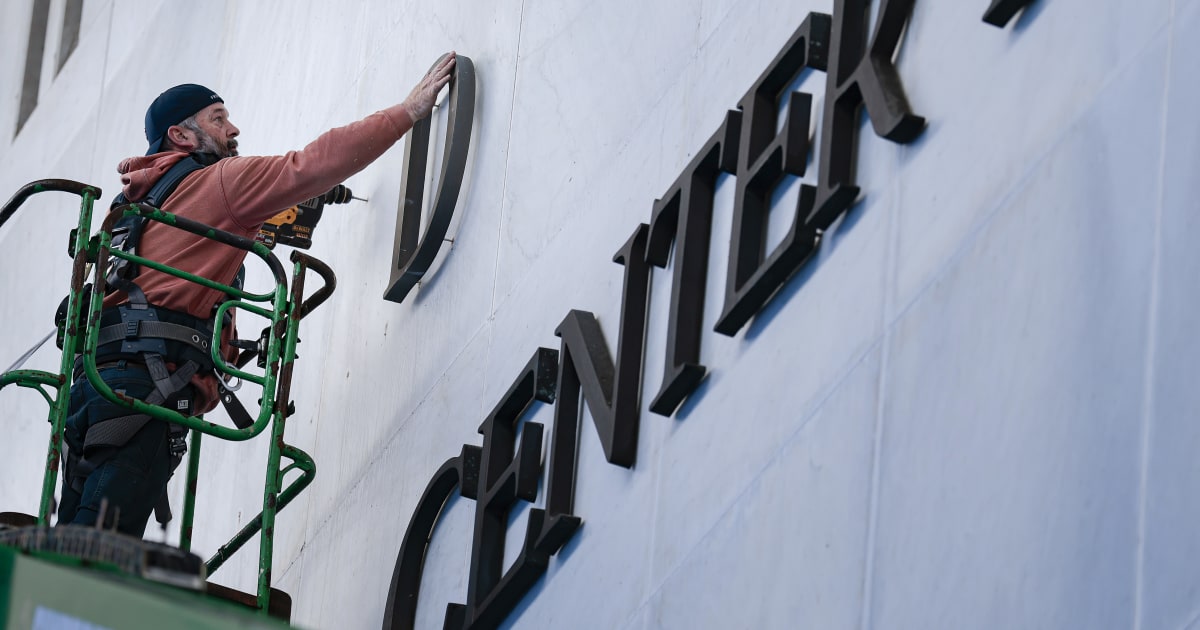
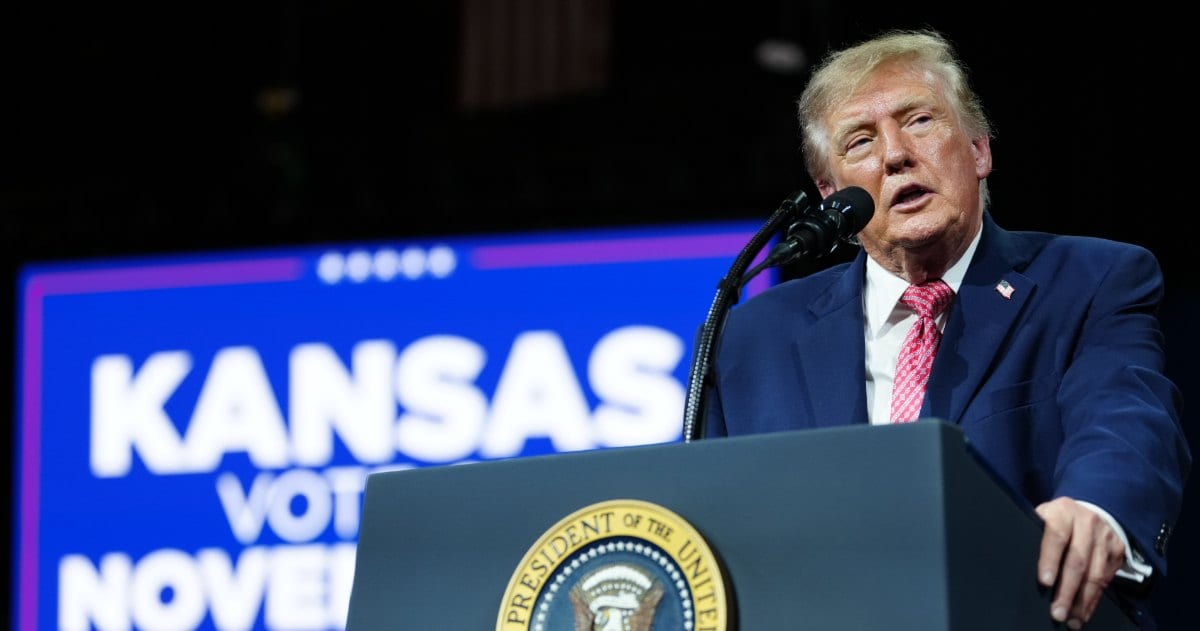
WASHINGTON, DC: President Donald Trump’s Kennedy Center fight escalated Tuesday, September 29, as the Justice Department urged the DC Circuit Court of Appeals to overturn restrictions blocking the center from recognizing Trump, arguing that the consequences for the financially troubled venue could be “existential.”
The filing comes after US District Judge Christopher Cooper ruled on May 29 that the Kennedy Center could not be renamed for Trump, and again on September 15 that the board’s later attempt to add Trump’s name and create “President Donald J. Trump Plaza” violated his order.
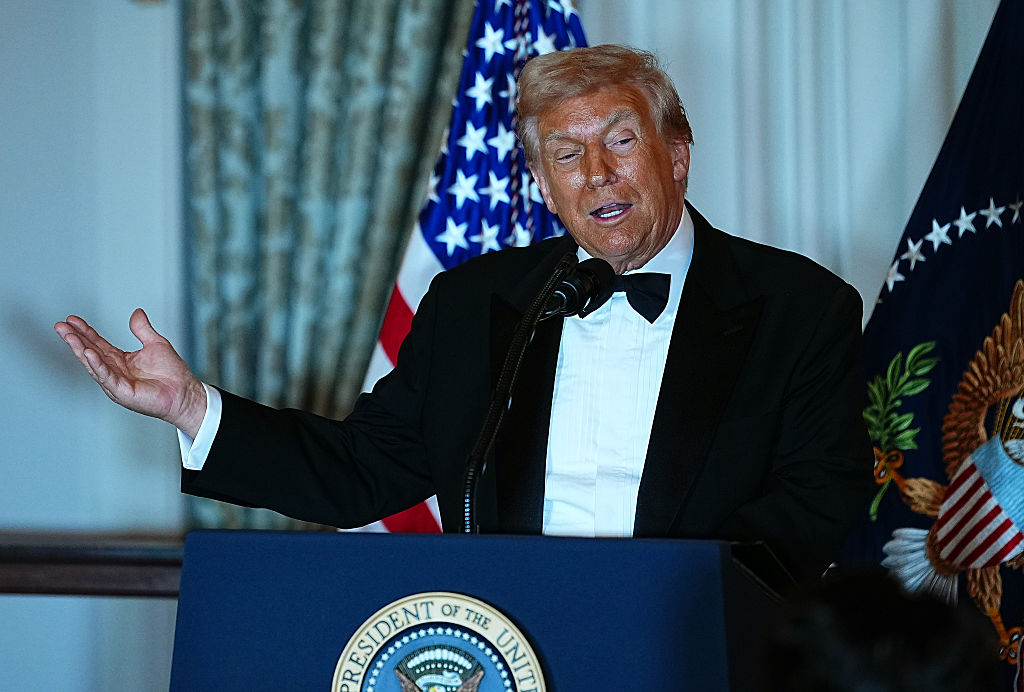
The administration is now arguing before the appeals court that Trump’s fundraising reach, public profile and construction experience are central to the center’s financial and physical recovery.
DOJ lawyers warned that without the renovation effort, the building could continue deteriorating toward a point where it might have to be taken down.
The appeals court has not ruled on that argument
DOJ links Trump recognition to rescue
The legal fight began after Trump’s administration took control of the Kennedy Center board and moved to add his name to the building.
On May 29, US District Judge Christopher Cooper ruled that federal law requires the institution to remain named for John F. Kennedy and ordered Trump’s name removed.
The administration appealed, but the DC Circuit declined to pause that ruling while the case continued.
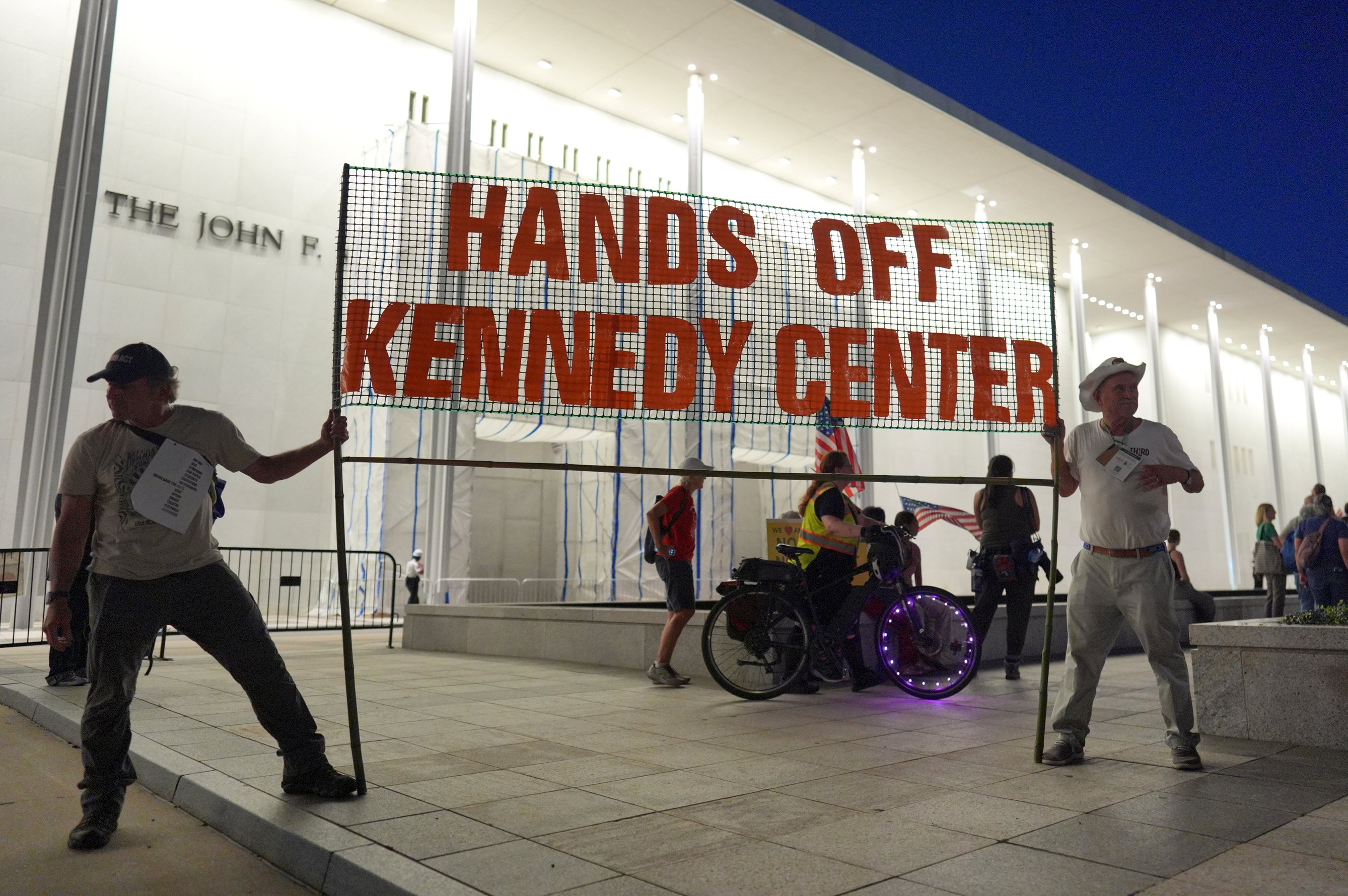
On August 13, the board nevertheless voted to add a Trump recognition to the facade and name the grounds “President Donald J. Trump Plaza.”
Cooper intervened again on September 15, ruling that the board could not carry out those portions of its resolution and requiring 60 days’ notice before any future Trump inscription or acknowledgment.
The DOJ’s separate argument about the building’s survival dates to an August 25 court filing, when government lawyers warned that without major rehabilitation the center could deteriorate to the point where it would have to be taken down.
They argued that Trump’s fundraising and construction experience were central to the rescue effort.
Kennedy Center closure adds urgency
The legal dispute is now unfolding alongside a physical crisis.
A section of ceiling collapsed during a September 4 storm, and the center subsequently closed as officials assessed safety concerns.
The closure became another point of litigation because Cooper had previously restricted the board’s ability to shut the facility for an extended renovation.
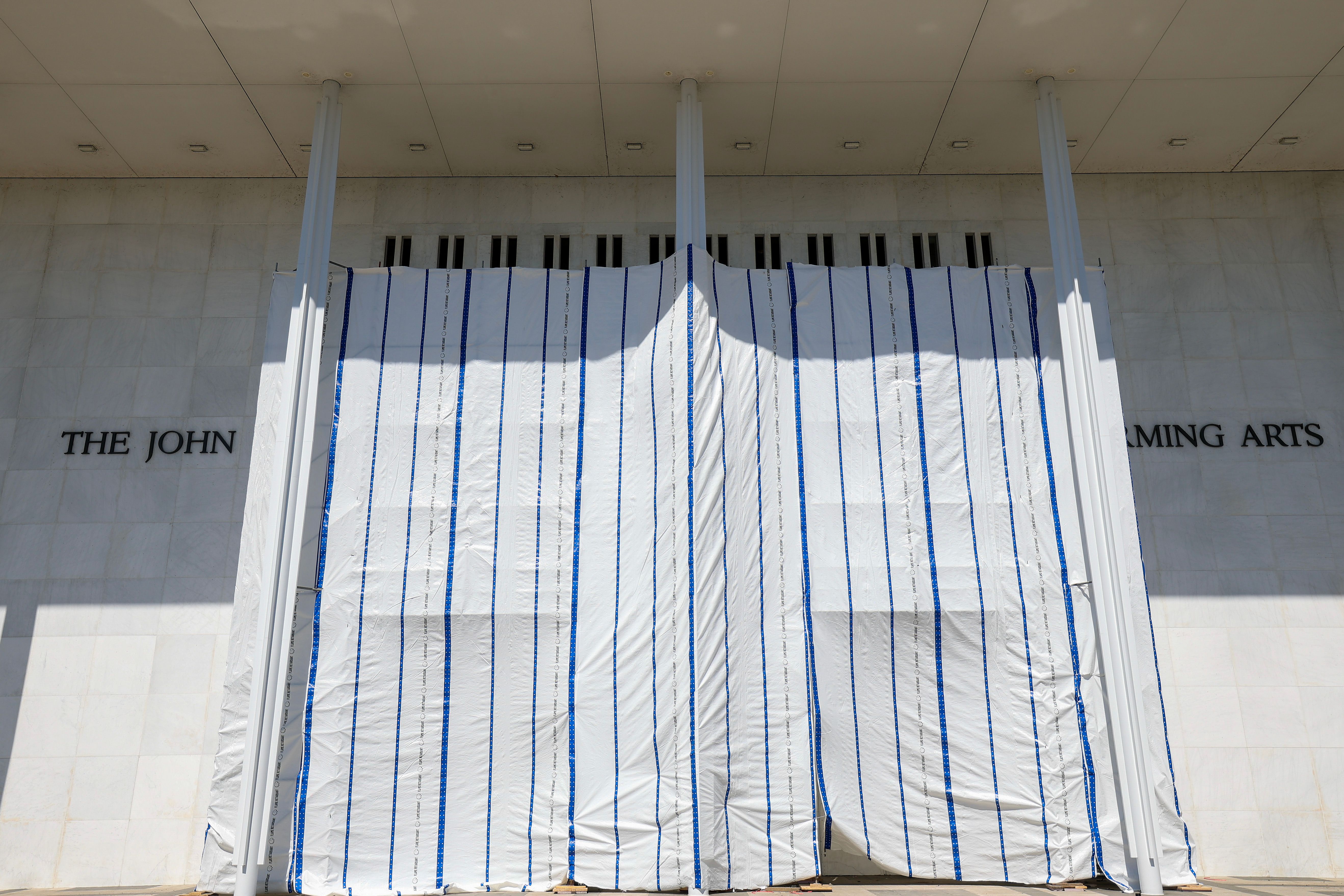
Former Kennedy Center employees have since alleged that leadership knew about serious structural problems and halted a funded roof-repair plan.
Executive Director Matt Floca disputes that account, saying newly identified hazards prompted the emergency response.
Congress has already approved about $257 million for Kennedy Center renovation work.
Trump has also said the renovation could ultimately be abandoned if courts prevent the center from recognizing him.
The administration has maintained that continued deterioration could make demolition necessary, although the Kennedy Center’s leadership has said there are no plans to demolish the building.
Senate showdown puts demolition in focus
On Monday, September 28, Sens Jeff Merkley, D-Ore, and Lisa Murkowski, R-Alaska, sought unanimous Senate approval for the Protecting Presidential Memorials Act.
The bill would prohibit demolition of federally authorized presidential memorials, including the Kennedy Center, without an act of Congress.
I’m forcing a vote on the bill I’m leading with @lisamurkowski to stop demolition of any national memorial to honor a U.S. president (like the Kennedy Center, the Lincoln Memorial, and the Jefferson Memorial) without an act of Congress.
— Senator Jeff Merkley (@SenJeffMerkley) September 29, 2026
Every Senator should be a YES on this.
Lee objected, preventing the measure from advancing through the expedited procedure.
The courts are deciding the limits of the Kennedy Center board’s authority, while Congress weighs its role in protecting a federally designated memorial and overseeing the hundreds of millions of dollars committed to its rehabilitation.