Trump’s biggest AI bet isn’t Silicon Valley, it’s beating China
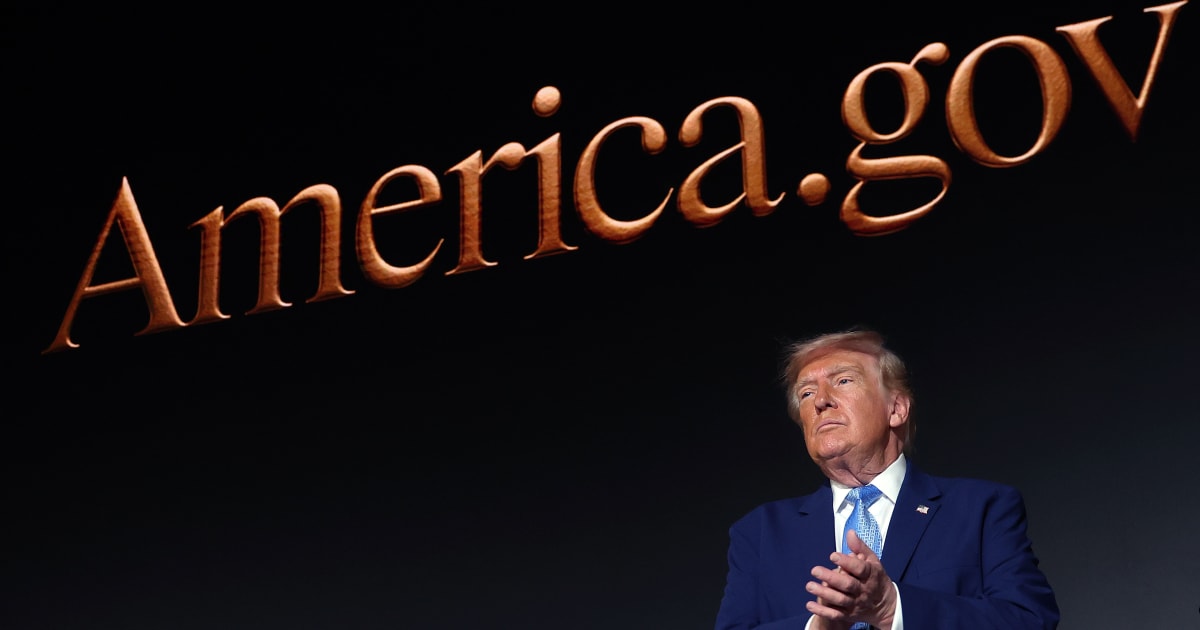
WASHINGTON, DC: President Donald Trump is bringing artificial intelligence from Silicon Valley into the federal government, unveiling America.gov as an AI-powered gateway for Americans while doubling down on his push to keep the technology largely free from heavier regulation.
The launch came alongside Trump’s announcement of a new executive order and a renewed warning that Washington cannot afford to slow American AI development while China competes for technological dominance.
🚨 JUST IN: President Trump signs an executive order directing EVERY federal agency to immediately start folding into https://t.co/BK01VTa2mb, creating one AI-powered front door for the entire U.S. government.
— Nick Sortor (@nicksortor) September 29, 2026
ONE website to search for EVERYTHING from the federal government. No… pic.twitter.com/X21WKkJuDF
'America.gov' brings AI to Washington
The new platform is intended to simplify how Americans find federal information by allowing users to navigate government services through a single entry point rather than searching across individual agency websites.
The administration has presented the project as part of a broader effort to modernize government and make public services easier to access.
SECRETARY RUBIO on https://t.co/pt9rQXC44r: Starting next year, Americans will be able to apply for their first passport entirely online. pic.twitter.com/IZ5Raefncu
— Department of State (@StateDept) September 29, 2026
The launch builds on an August White House initiative requiring most public-facing federal services to move toward Login.gov, creating a universal sign-on so users do not repeatedly manage separate accounts and passwords.
Trump said the AI system could eventually help Americans access services including passport renewals and Social Security-related assistance.
For now, however, some requests still direct users to the relevant federal agency, where existing forms and account requirements remain.
The administration is developing the platform with commercial AI technology, including Google Gemini and xAI’s Grok, according to the launch materials.
Trump ties AI race directly to China
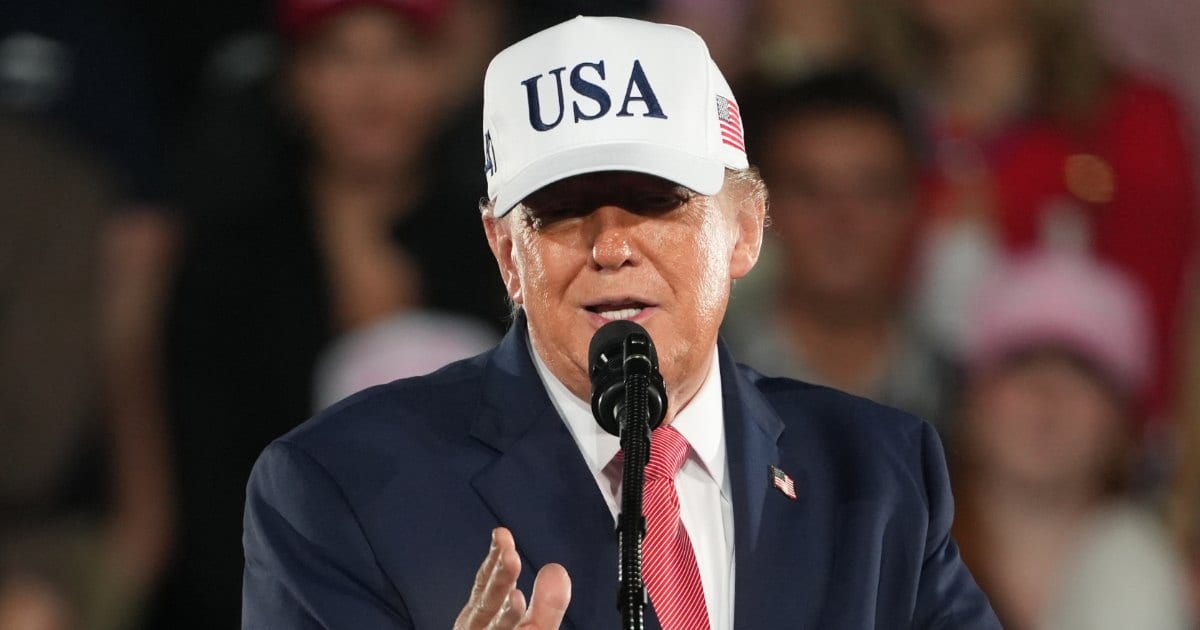
Trump used the launch to make the geopolitical stakes explicit, saying the United States is already ahead of China and that he wants to keep that lead.
He rejected the idea of working with Chinese President Xi Jinping on AI regulation, arguing that cooperation could make it harder for American companies to outperform Chinese competitors.
The position follows a broader administration strategy.
A June executive order directed agencies to accelerate AI adoption, strengthen cybersecurity and work with private companies while explicitly rejecting mandatory federal licensing or pre-clearance requirements for AI models.
Trump: Super intelligence or SI, and that's the official name in the United States. I'll be signing a very powerful executive order. I spoke to President Xi. He loves it. When you say artificial intelligence, it's artificial. This is extreme intelligence. It's superior… pic.twitter.com/UxKwjSj8Be
— Acyn (@Acyn) September 29, 2026
Trump also signed a new AI order Tuesday, September 29, and promoted his preferred term, “super intelligence,” saying the technology should be developed rapidly while its harmful uses are addressed.
The White House has increasingly linked AI development to national power, including defense.
A June directive ordered faster deployment of advanced AI systems across the national security establishment.
What AI means for Americans
The White House has separately ordered new AI tools to streamline veterans’ applications for benefits and employment opportunities through a single source.
The larger test will be whether the technology can reduce the time Americans spend navigating federal bureaucracy while maintaining accurate information and secure handling of government data.
The launch therefore puts AI in a new place: not just a private-sector product, but an increasingly direct interface between Americans and their government.