Trump and Xi just changed the tariff game with a $30B trade breakthrough
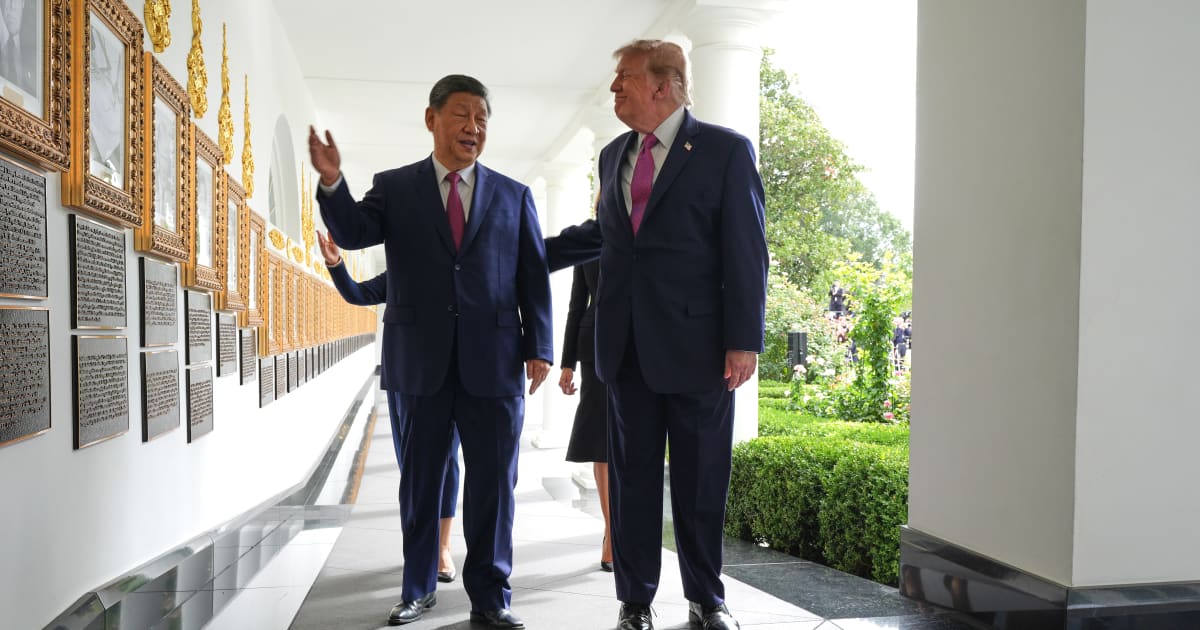
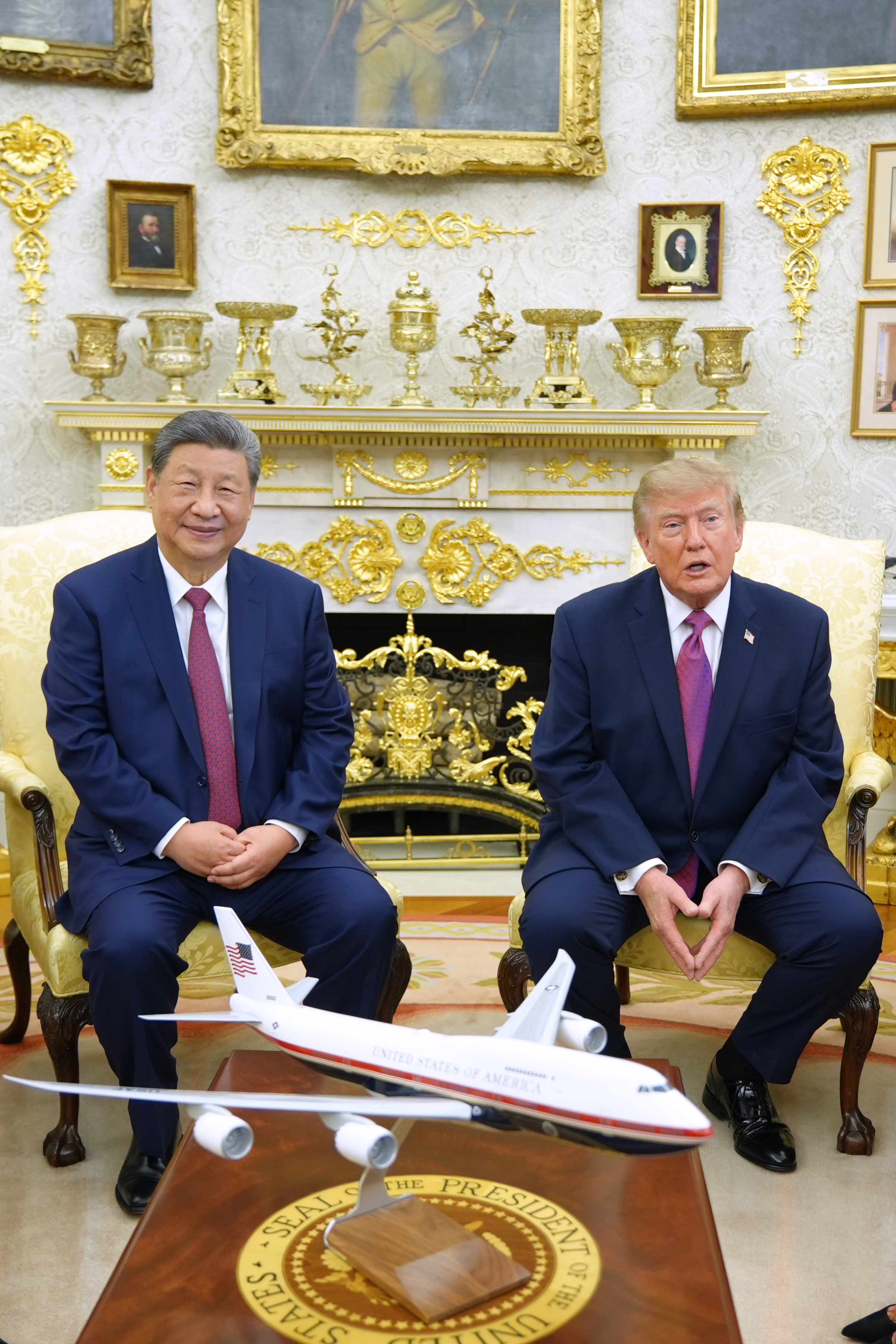
WASHINGTON, DC: President Donald Trump and Chinese President Xi Jinping reached an agreement covering favorable tariff treatment for $30 billion of non-sensitive goods in each direction during Xi’s three-day state visit to Washington, giving the summit a concrete trade outcome after years of tariff escalation between the world’s two largest economies.
The White House said the agreement was reached through the US-China Board of Trade, while China described the tariff arrangement as part of an eight-point consensus reached during Xi’s visit.
Tariff relief targets key US exports
The agreement covers products considered non-sensitive and creates a framework for more favorable tariff treatment rather than announcing a single across-the-board tariff rate.
The White House said US exports covered by the arrangement include agricultural goods, fish and seafood, logs and wood products, cosmetics and medical devices.
The two countries also launched a working group focused on agricultural market-access barriers, putting US farm exports directly into the new trade mechanism.
American farmers have pressed the administration for stronger Chinese purchases of US crops and other agricultural products, making farm access one of the closely watched issues surrounding the summit.
US Trade Representative Jamieson Greer said on Friday that additional details from the negotiations would be released Monday.
Specific tariff rates and the complete list of covered products had not yet been publicly disclosed.
China goods also receive concessions
The arrangement works in both directions.
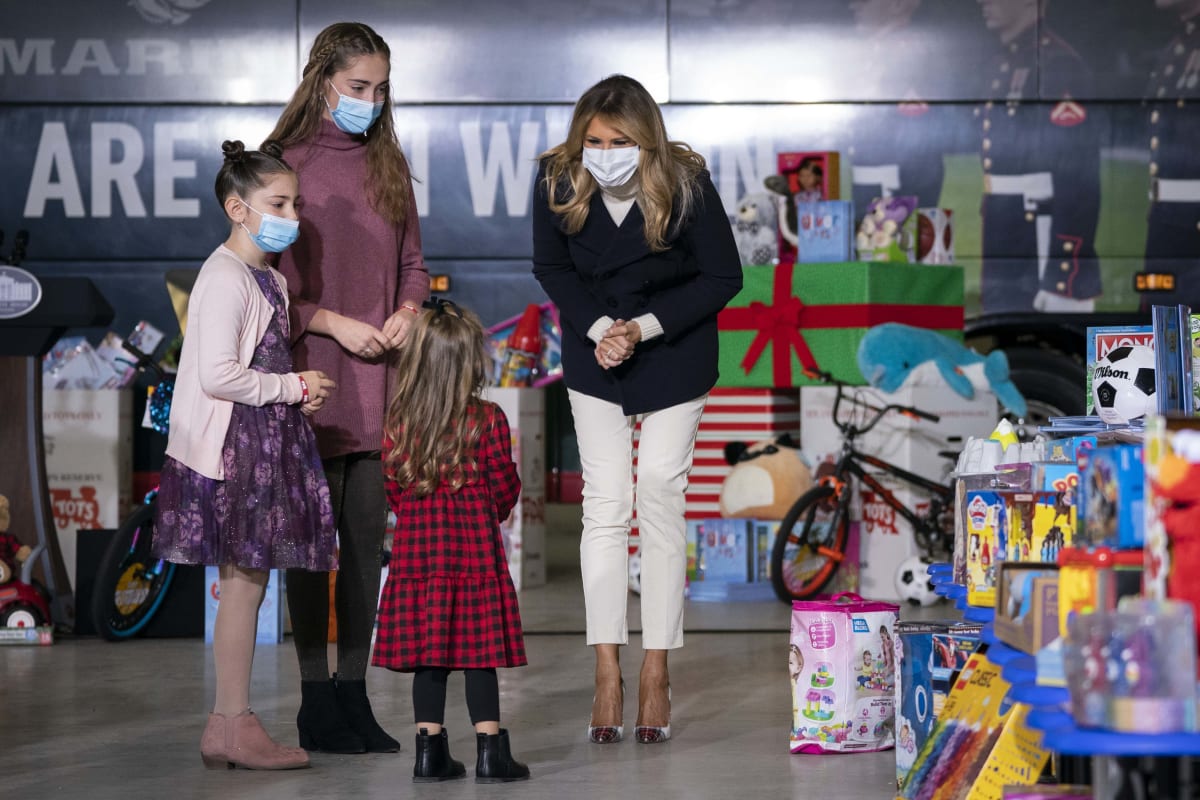
The White House said Chinese goods receiving favorable treatment in the US include small appliances, toys, holiday decorations and children’s car seats.
The reciprocal structure means the agreement does not amount to a unilateral US tariff reduction on Chinese imports.
The arrangement builds on the US-China Board of Trade, which Trump and Xi established during their May 2026 summit in Beijing.
The mechanism is intended to provide a government-to-government channel for handling trade issues involving non-sensitive products.
The agreement follows a prolonged tariff confrontation that intensified in 2025.
US duties on Chinese imports and Beijing’s retaliatory measures were repeatedly raised and reduced through negotiations and temporary truces.

Reports state that Washington and Beijing had extended their existing trade truce shortly before Xi arrived in the United States, with the latest extension running into January.
American businesses await tariff details
The new arrangement does not end the wider US-China trade dispute. Sensitive sectors and other unresolved economic issues remain outside the announced $30 billion framework, while the exact tariff rates still have to be released.
For American businesses, the practical effect will depend on which products receive reduced treatment and how quickly the changes are implemented.
Farmers, exporters, manufacturers and companies selling medical and consumer products into China could see changes in their market access or tariff costs once the detailed terms are published.
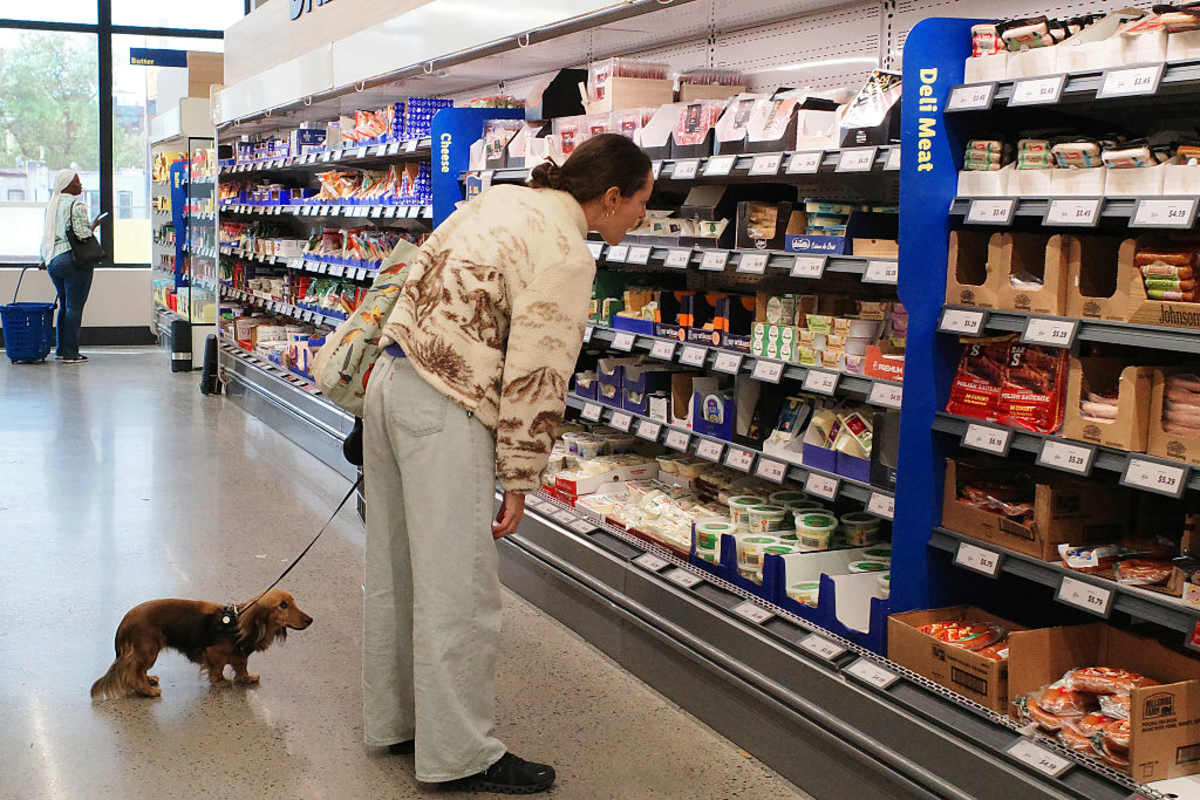
For US consumers, the inclusion of Chinese-made appliances, toys and other household products means future tariff changes could also affect imported goods and the prices American retailers pay.
The next major details are expected from the US trade representative Monday, when Washington is scheduled to provide further information on the agreement.