US military prepares for potential action around Cuba within next four months: Report
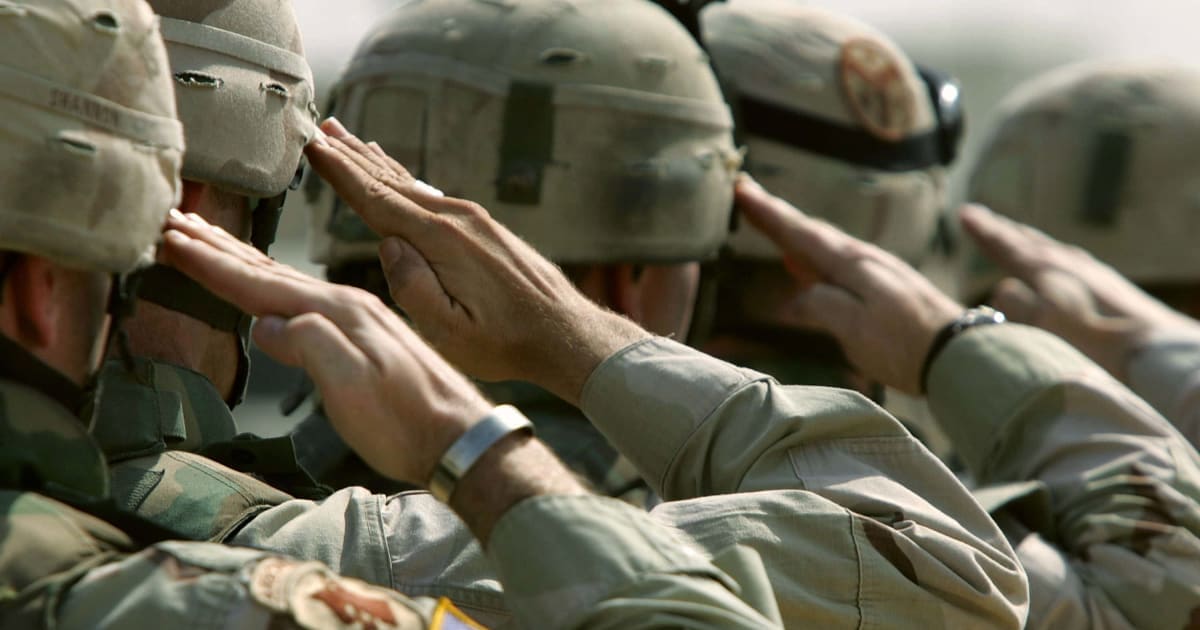
WASHINGTON, DC: The US Army Reserve is looking into whether it can send police, medical staff, and other support units to assist the military's Southern Command sometime in the next four months. That’s what an internal Army message, seen by CBS News, shows.
Even though the message doesn’t name Cuba, several US officials said this request connects to ongoing military planning involving the island.
Right now, no deployment orders have gone out. This planning comes as the Trump administration ramps up economic pressure on Cuba and pushes for political change there. The message leaves out key details; it doesn’t say how many troops are needed, where they might go, or what operation they’d join.
What units are being assessed
The document reviewed by CBS News says Army Reserve headquarters is seeking feedback from subordinate commands on the possible availability of six types of formations that would fall under the authority of US Southern Command.
The units would "possibly [be] needed in 90-120 days," according to the message, which directs commands to provide feedback to Army Reserve headquarters by September 25.
Among the units is a combat sustainment support battalion that specializes in coordinating logistics such as transportation, maintenance, fuel, and supply needs, along with an engineer battalion.
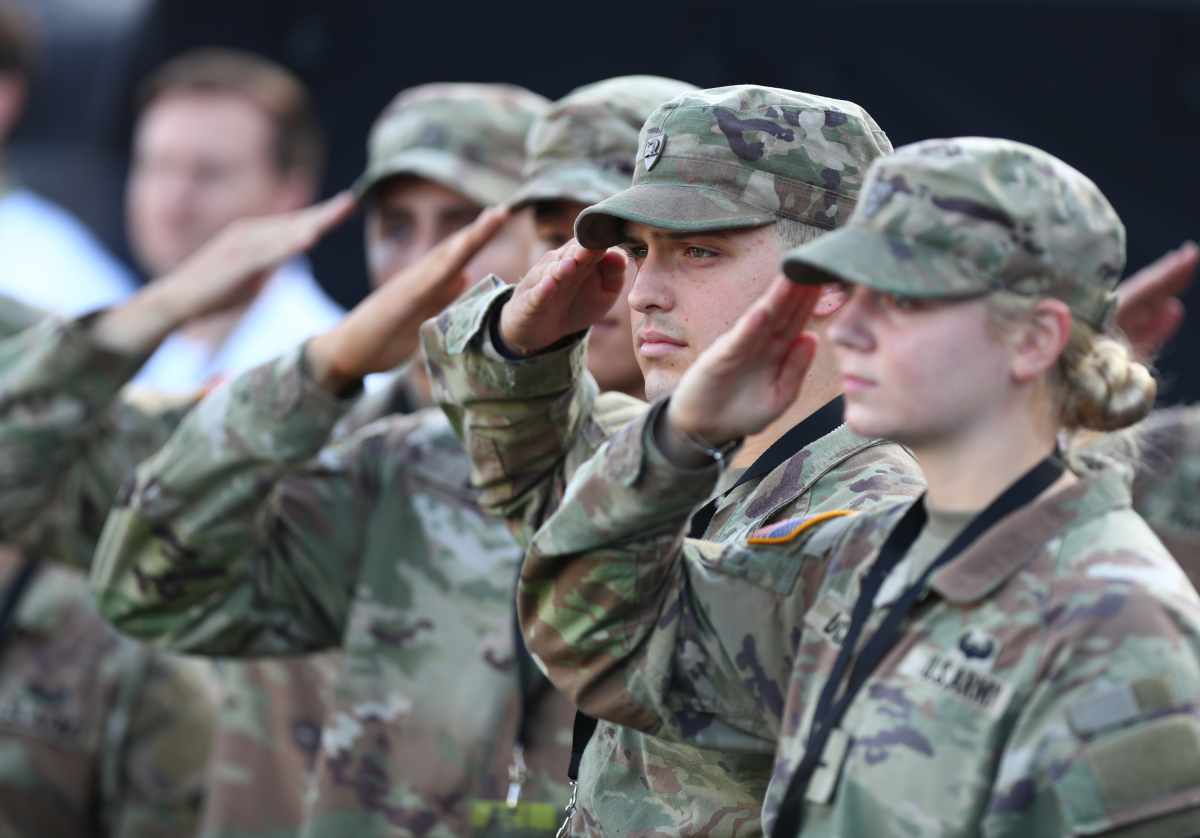
The document also seeks an expeditionary sustainment command that would oversee logistics across a theater of operations.
The document generated last week also calls for a medical brigade to command and coordinate medical units, as well as a forward resuscitative and surgical detachment to provide emergency surgery and trauma care closer to US forces.
A spokesperson for US Southern Command said the command does not disclose details about potential operations or deployment timelines for operational security reasons but continuously coordinates with the Joint Force to assess requirements across its region.
Broader pattern of military planning
Earlier this year, American forces conducted reconnaissance operations on the seafloor and maritime approaches surrounding the Cuban island, multiple US military personnel told CBS News.
Separately, US airpower components were placed on heightened readiness and directed to pre-stage personnel for potential deployment. Those plans, however, did not come to fruition.
Back in July, CBS News reported that military planners looked at a range of possible actions against Cuba. They even considered a major air assault using the Army’s 101st Airborne Division.
But officials made it clear these briefings didn’t mean any final decision had been made.
Then, starting in September, the US military shifted gears. They launched over 70 strikes in the Caribbean Sea and the eastern Pacific, resulting in the deaths of more than 230 people.
This marks a sharp departure from the military’s usual focus on maritime drug interdiction. Some legal experts now question whether these strikes break the law by targeting people who don’t actually meet the legal standards for military force.
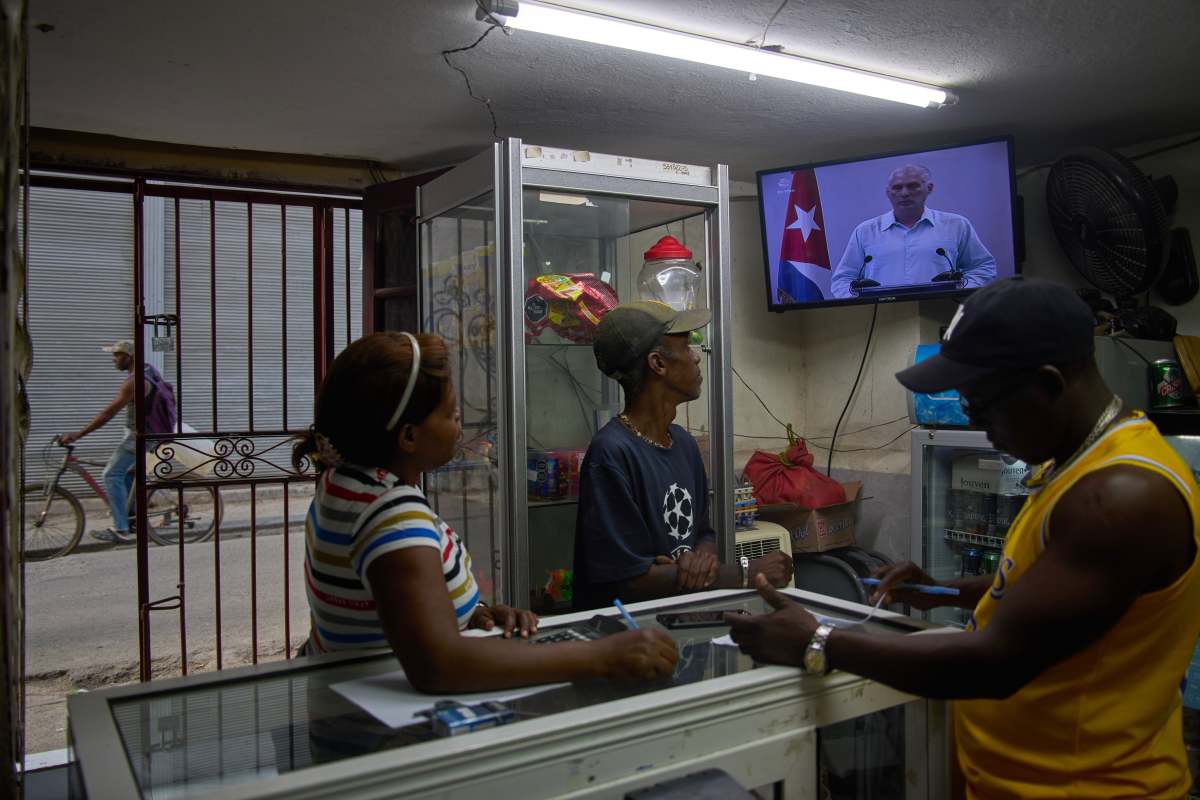
Trump's recent position on Cuba
Since returning to office, President Donald Trump has asserted a more muscular US role in the Western Hemisphere under what officials have dubbed the "Donroe Doctrine," a Trump-era corollary to the Monroe Doctrine focused on limiting foreign adversaries and other perceived threats in the region.
For Cuba, the Trump administration imposed sanctions on Cuban entities and officials, including military research and development enterprises tied to the country's nickel industry ahead of the UN General Assembly this week.
In New York, Trump told the UN General Assembly that his administration was seeking a "fundamental change" on the island and predicted Cuba's communist government "will fall" and declared that "freedom will be coming to Cuba." The Cuban delegation walked out during his remarks.
🚨 WOW! President Trump just started RIPPING Cuba at the UN, and the Cuban delegation got up and WALKED OUT 😆
— Nick Sortor (@nicksortor) September 22, 2026
"We'll NOT allow a haven for foreign adversaries to threaten America on our own doorsteps."
"The Cuban regime has also spent DECADES coordinating with the left-wing… pic.twitter.com/f3KZDRegHy
The 80-year-old also said Secretary of State Marco Rubio was "deep into negotiations" with Havana and vowed that the United States would not allow foreign adversaries to establish a strengthening foothold "on our own doorstep."
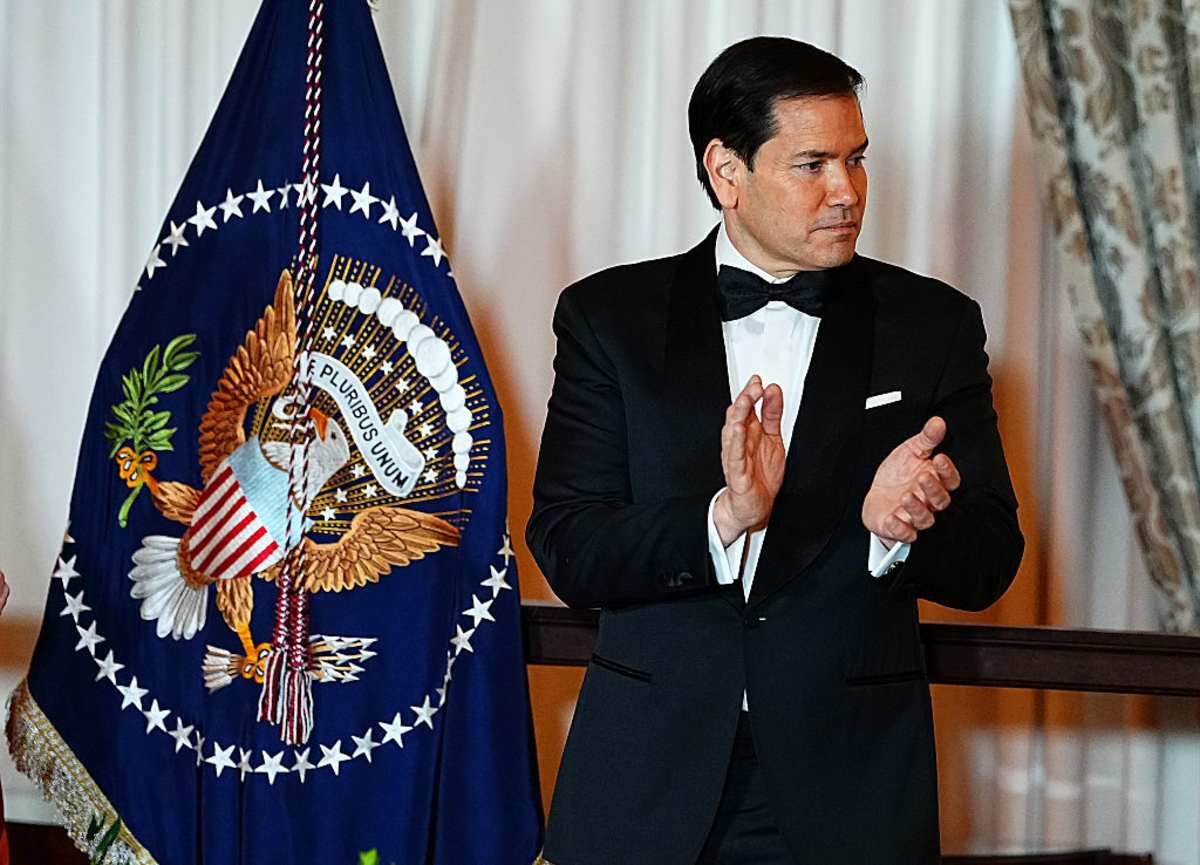
Earlier this year, Trump told reporters in the Oval Office that he believed he would have "the honor of taking Cuba."
Later that month, the president said bluntly, "Cuba's going to be next."