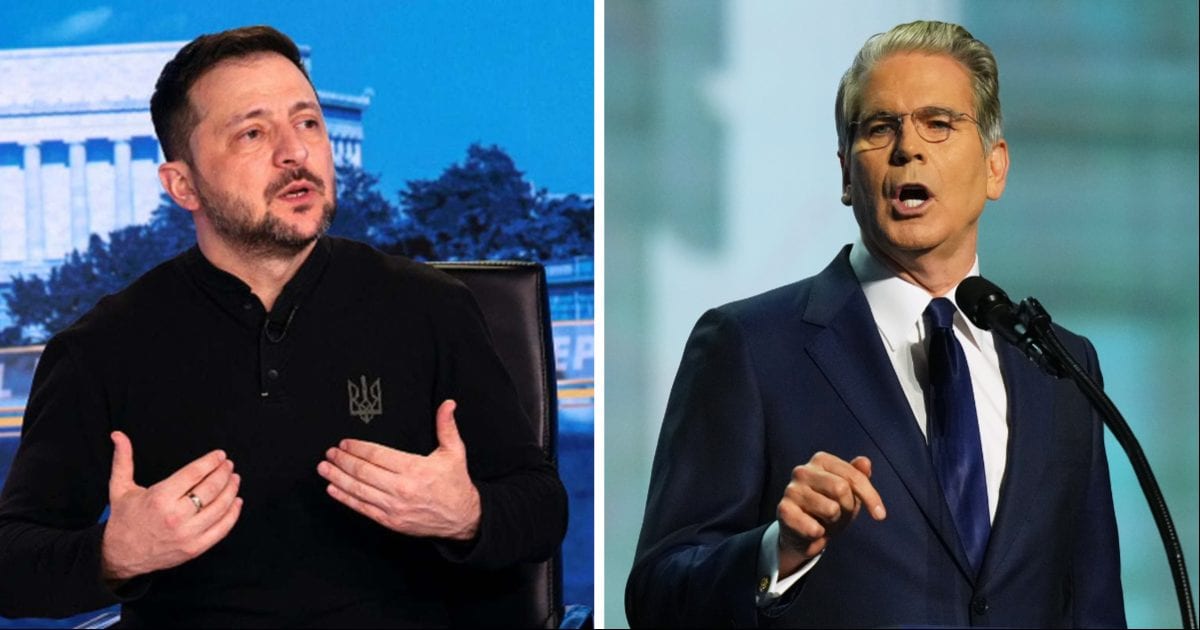
Trade Rep Jamieson Greer reworks tariff playbook, pivots to 'durable tools' after SCOTUS defeat
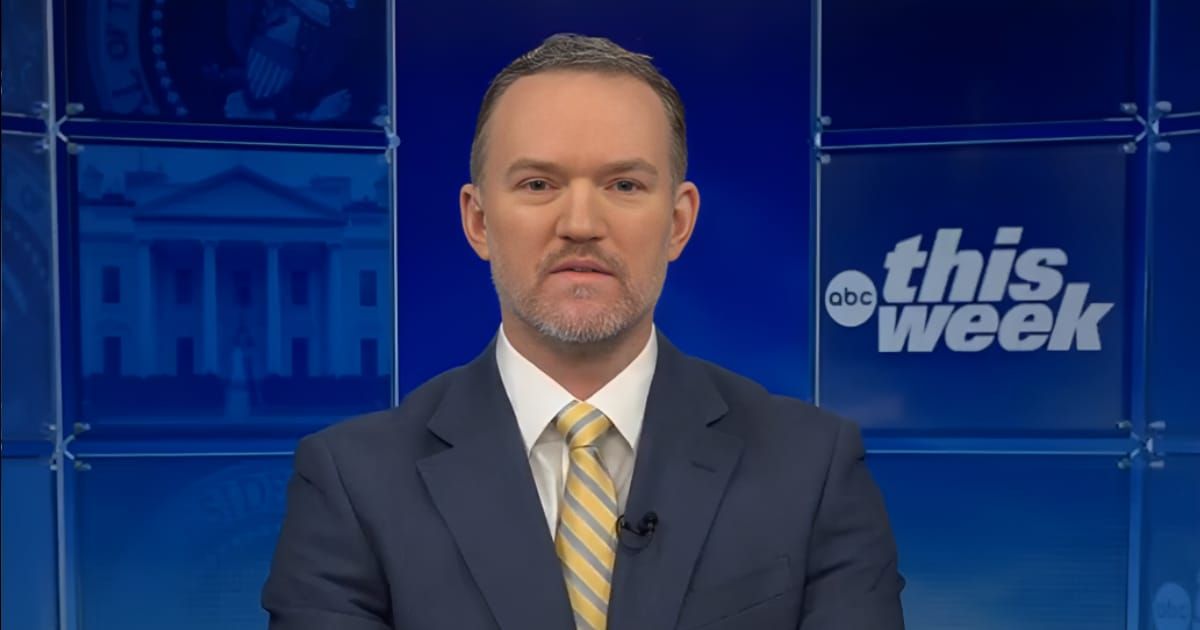
U.S. Trade Rep. Jamieson Greer said the Trump administration “found ways to really reconstruct” its approach to tariffs after the landmark SCOTUS ruling.
— This Week (@ThisWeekABC) February 22, 2026
“Now it doesn't have the same flexibility that the president had under the previous authority that he was using, but it… pic.twitter.com/2jQ0Hs81lB
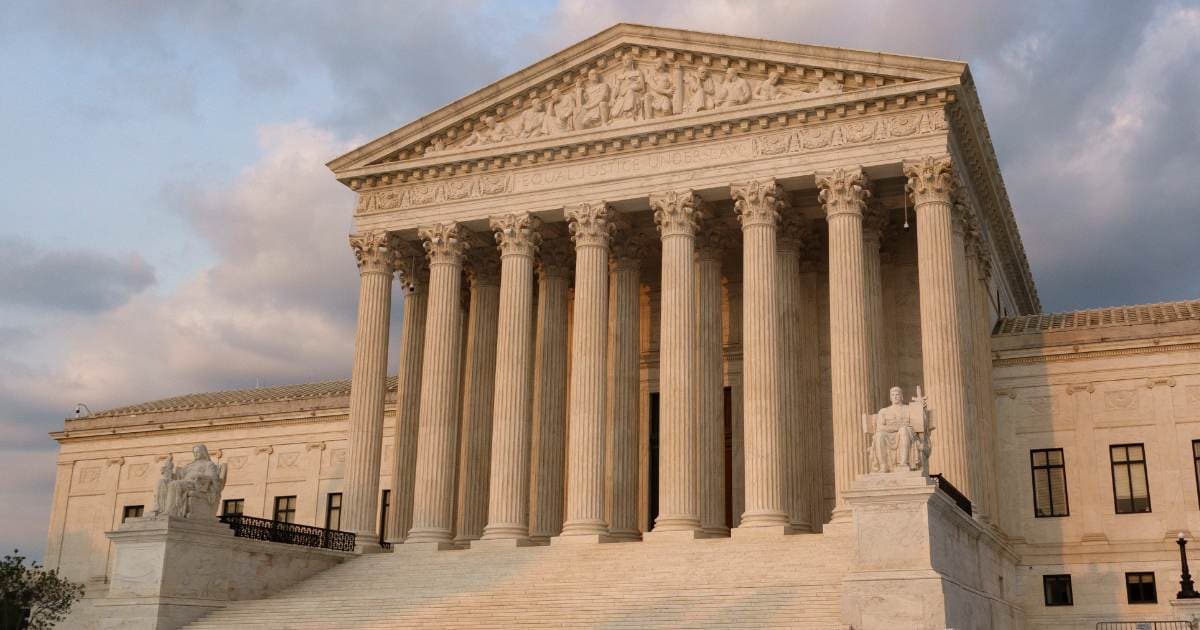
WASHINGTON, DC: US Trade Representative Jamieson Greer defended the administration’s trade strategy on Sunday, February 22, arguing that the Supreme Court's ruling against the use of emergency powers "crystallized" the president's ability to regulate international commerce.
Appearing on ABC’s 'This Week', Greer explained that while the administration originally relied on the International Emergency Economic Powers Act (IEEPA) for its speed in addressing a "40% expansion" of the trade deficit, it was now transitioning to more "durable tools" under Section 301 and Section 232.
Despite the legal setback, Greer maintained that the ruling clarified the president's authority to impose full embargoes, which he characterized as "much more powerful than a tariff."
The administration is now focused on "reconstructing" its trade walls using alternative statutes that provide clear designations of authority from Congress.
Rebranding legal loss as strategic clarity
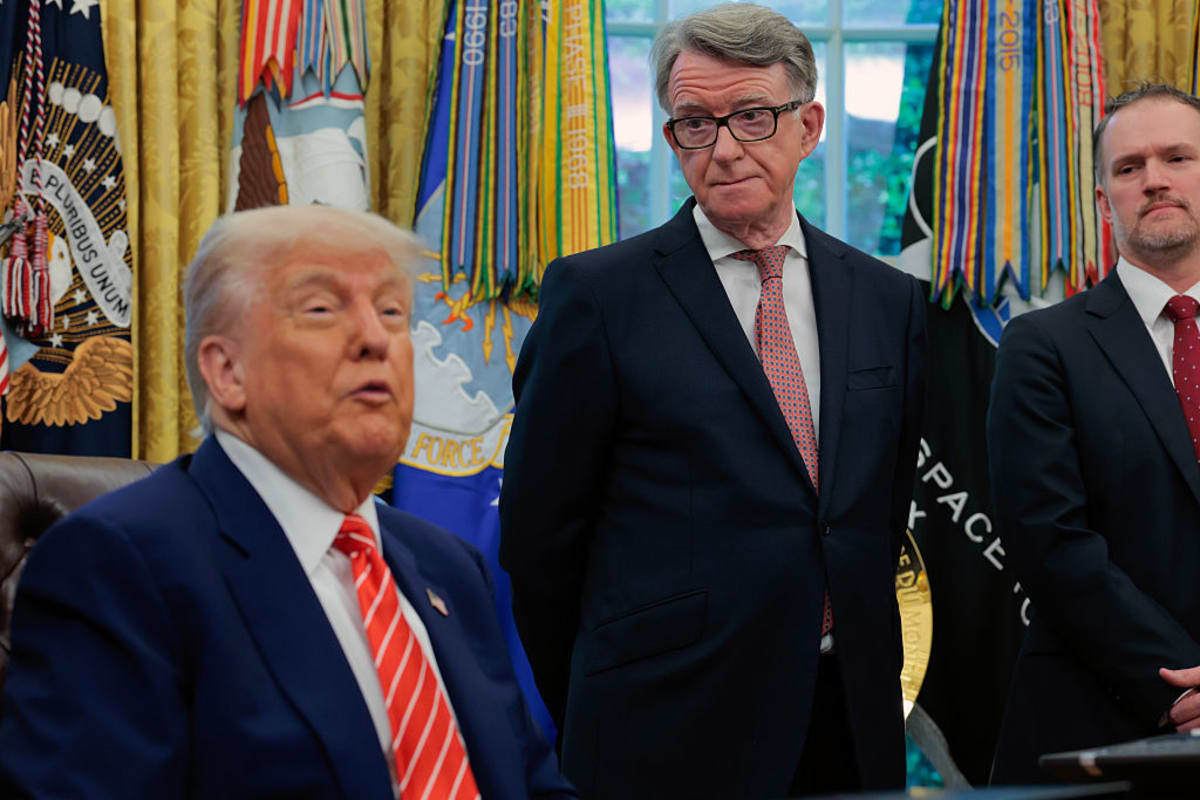
Greer dismissed suggestions that the administration is "financially defenseless" following the court's decision.
Instead, he asserted that the ruling provided essential clarity on what a president can and cannot do under emergency statutes.
According to Greer, everyone involved in the case recognized that while IEEPA might not allow for specific fees, it explicitly permitted the president to ban financial and commercial contact with certain individuals or entire countries.
"It really clarified what you can and can’t do under IEEPA and crystallized that and made it clear that he can take those actions," Greer told Martha Raddatz.
This legal clarification, he argued, provided the administration with a more robust, if less flexible, framework for long-term protection of American industry.
Transitioning to sections 301 and 232
"The policy hasn't changed. The legal tool to implement it — that might change, but the policy hasn't changed," says @USTradeRep Ambassador Greer on tariffs.
— Rapid Response 47 (@RapidResponse47) February 22, 2026
"We're aiming for continuity. There's a 15% tariff now. It's roughly equivalent to the types of tariffs that we had in… pic.twitter.com/UEEpK6EOlV
The administration is now moving toward Section 301 and Section 232 to replace the emergency-based levies.
Greer described these as "durable tools" that allow the government to conduct thorough investigations and implement tariffs that can remain in place indefinitely to resolve trade problems.
He noted that the Department of Commerce already has existing protective tariffs on materials like steel and aluminum under Section 232.
This shift is intended to provide "continuity" for American businesses while the 15% global tariffs are transitioned to new legal authorities.
Greer emphasized that the underlying policy of protecting US industry has not changed, only the "legal tool" used to implement it.
Wide net for national security interests

When questioned about the broad application of tariffs on items like lumber and furniture, Greer argued that almost any part of the manufacturing "ecosystem" can feed into national security.
He cited the pandemic as a turning point, noting that even textiles became strategic when the nation required personal protective equipment and military uniforms.
"Things that people might think are ho-hum commodities, they actually become quite strategic when it comes to national security," Greer explained.
This "wide net" approach is currently being applied in open Section 301 investigations of Brazil and China, as well as upcoming probes into industrial excess capacity in Asia.
Navigating the 142 billion dollar refund mess
U.S. Trade Rep. Jamieson Greer on potential tariff refunds: "We need the court to tell us what to do. [SCOTUS has] created a situation where they struck down the tariffs and gave zero guidance on this.” https://t.co/C36nuAoaNQ pic.twitter.com/pho513xOzn
— This Week (@ThisWeekABC) February 22, 2026
The administration is currently providing no immediate guidance on the $142 billion in revenue collected before the tariffs were struck down.
Greer stated that the White House is waiting for the Court of International Trade to provide direction on how - or if - that money should be returned. He noted that the Supreme Court's majority opinion gave "zero guidance" on the practicalities of a refund process.
"We just need to have guidance from the court," Greer said, adding that as a trade attorney, his expectation is that a district-level court will eventually have to step in.
Until then, the administration remains focused on its meeting with Chinese President Xi next month, aiming to maintain stability and ensure thhe "Chinese are holding up their end of our deal."