Schumer celebrates 'win for the wallets' after Supreme Court torpedoes Trump tariff strategy
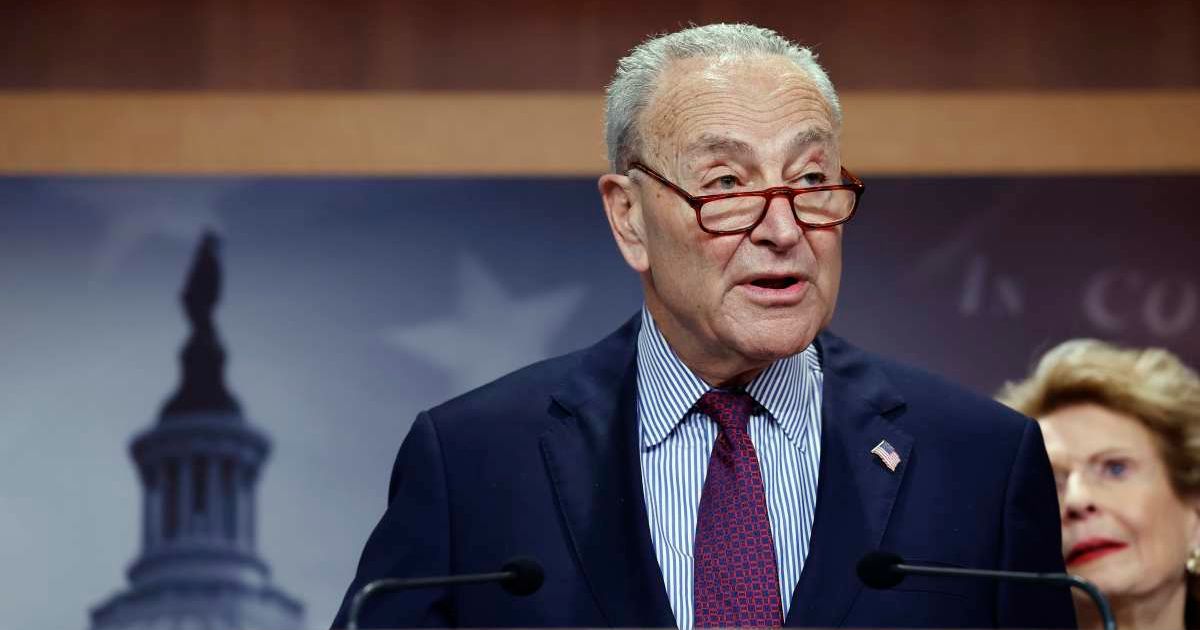
WASHINGTON, DC: The Supreme Court on Friday, February 20, invalidated a significant portion of President Donald Trump’s tariff policy, ruling that his use of emergency powers to impose sweeping import taxes was unlawful.
The decision marked a major legal setback for one of the central pillars of Trump’s second-term economic agenda.
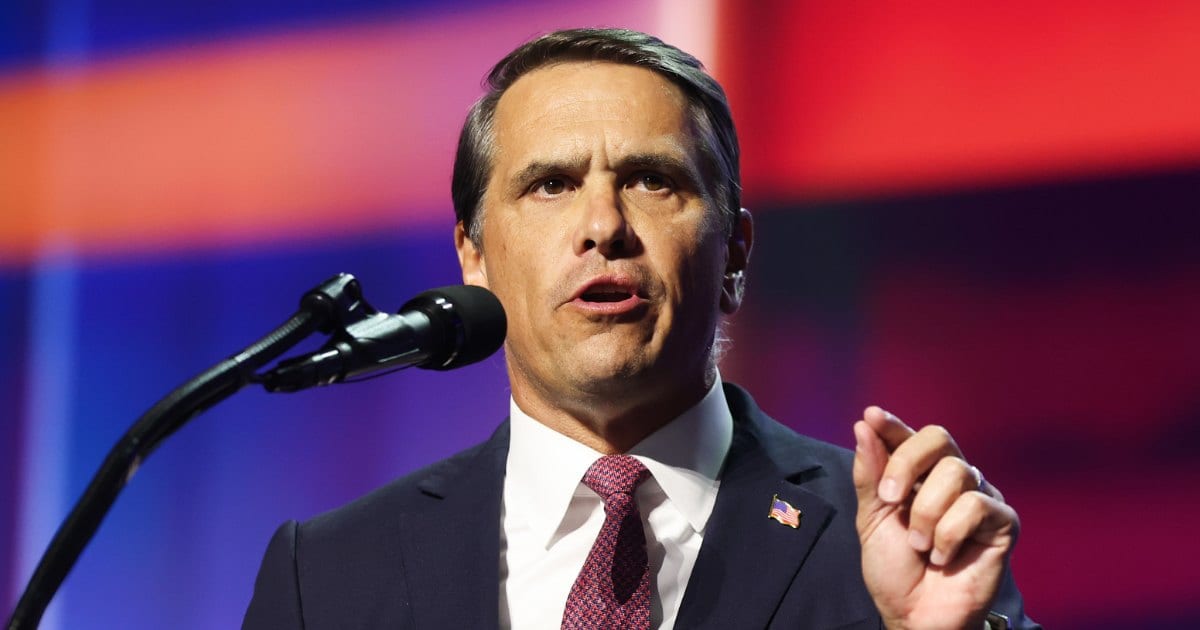
Senate Minority Leader Chuck Schumer welcomed the ruling, describing it as financial relief for American consumers and businesses. The White House had previously defended the tariffs as necessary to protect US economic interests.
Following the ruling, California Governor Gavin Newsom called on President Donald Trump to issue immediate refunds “with interest,” saying, “Every dollar unlawfully taken must be refunded immediately with interest. Cough up!”

Chuck Schumer says ruling brings relief
Schumer characterized the outcome as financial relief for American households and businesses. “This is a win for the wallets of every American consumer,” he said in a statement.
“Trump’s chaotic and illegal tariff tax made life more expensive and our economy more unstable. Families paid more. Small businesses and farmers got squeezed. Markets swung wildly,” he explained.
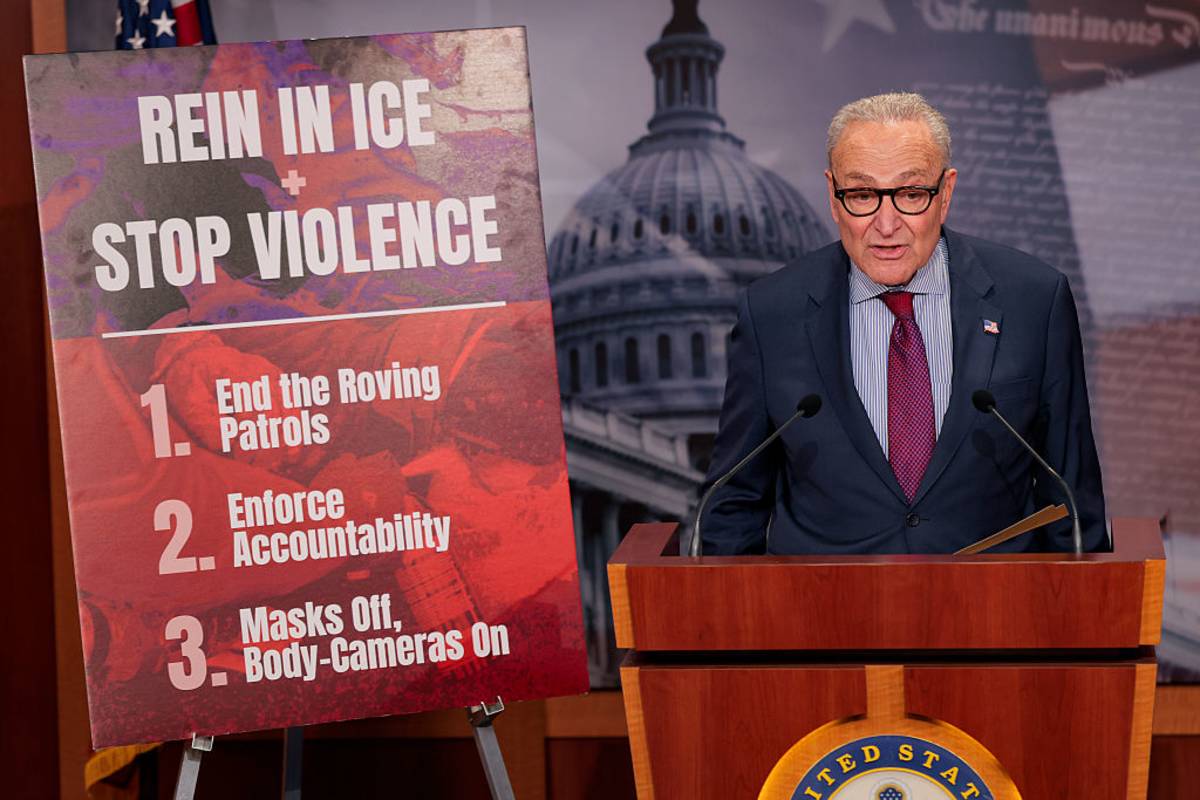
Schumer said, “We’ve said from day one: A president cannot ignore Congress and unilaterally slap tariffs on Americans. That overreach failed.”
He continued, “Now Trump should end this reckless trade war for good and finally give families and small businesses the relief they deserve.”
Schumer’s remarks followed the high court’s decision to strike down tariffs imposed under the International Emergency Economic Powers Act (IEEPA), a law dating to the 1970s.

The administration had relied on the statute to justify tariffs on numerous countries, citing national emergencies tied to trade imbalances.
Court rejects Trump's use of emergency powers under IEEPA
In its ruling, the Supreme Court determined that the International Emergency Economic Powers Act (IEEPA) did not authorize a president to impose broad-based tariffs.
Chief Justice John Roberts wrote for the majority: “We claim no special competence in matters of economics or foreign affairs. We claim only, as we must, the limited role assigned to us by Article III of the Constitution. Fulfilling that role, we hold that IEEPA does not authorize the president to impose tariffs.”
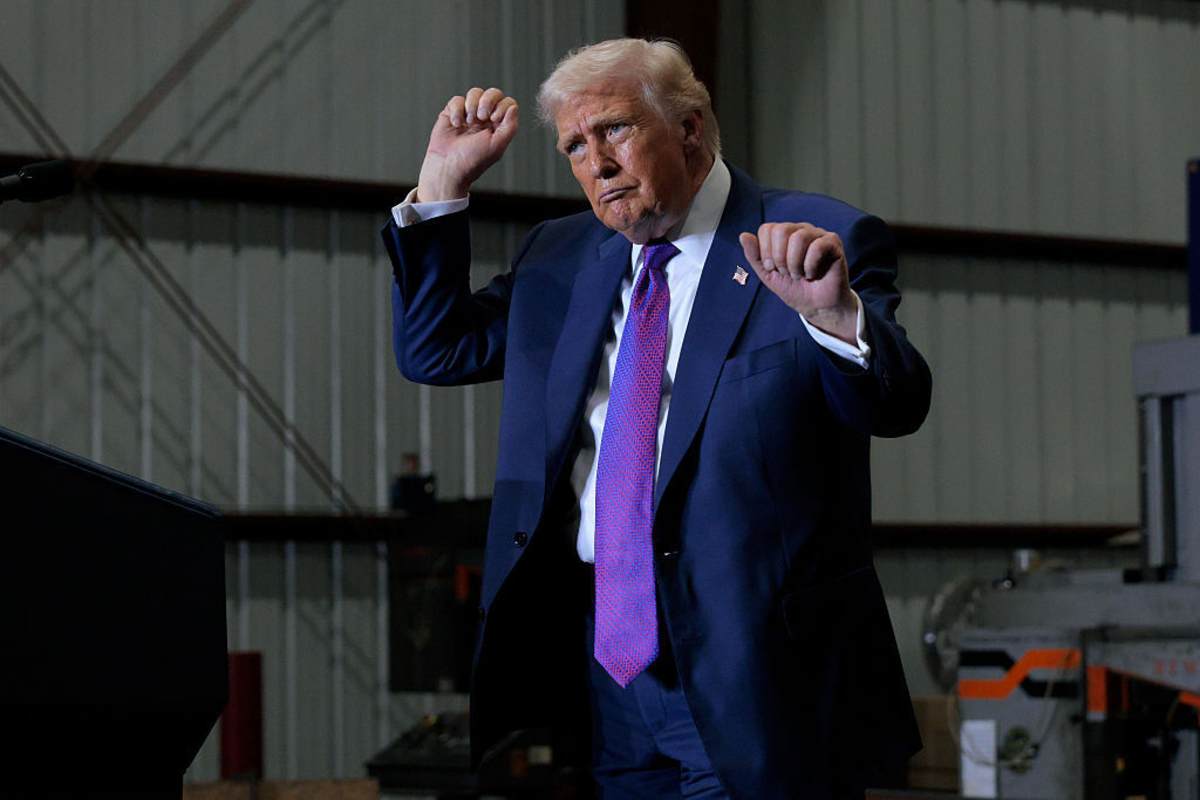
The decision invalidated much of the tariff framework enacted under IEEPA but left in place sector-specific tariffs imposed under separate statutes, including those on steel and aluminum.
The Court did not outline how refunds of previously collected tariffs would be handled, leaving that issue to lower courts.
Three conservative justices dissented, arguing that tariffs qualify as a means to “regulate … importation” under the statute.

The ruling is expected to prompt further legal and policy debate over the scope of presidential trade authority and the next steps for the administration’s tariff strategy.