Supreme Court hands Trump big win and allows use of voter database ahead of midterms
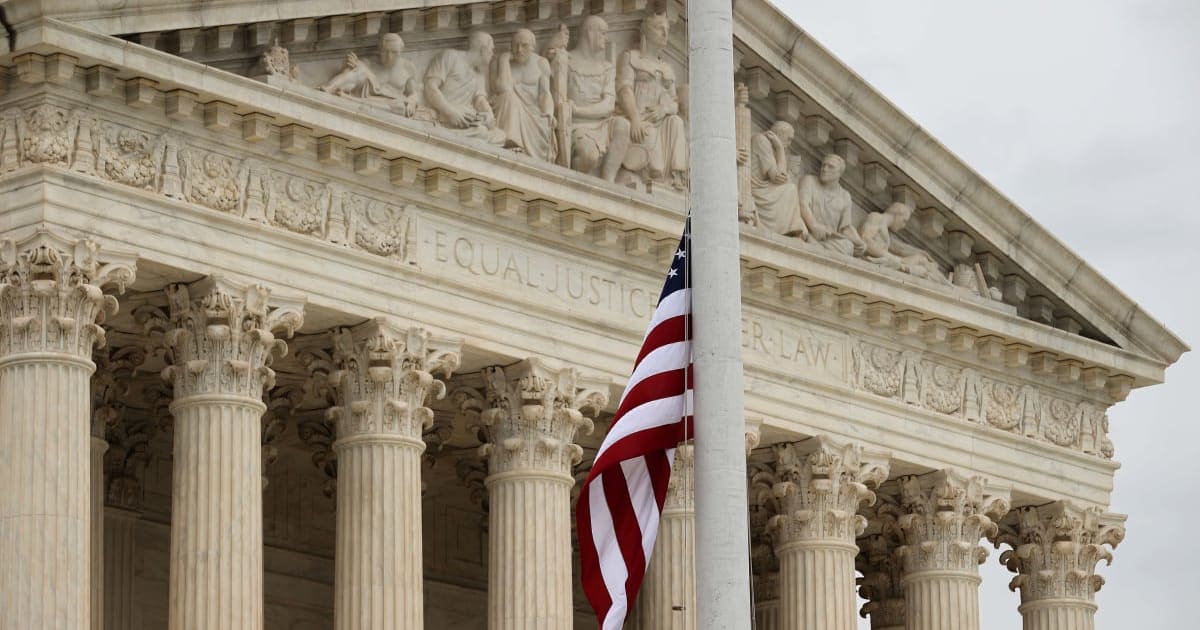
WASHINGTON, DC: The Supreme Court on Friday, September 25, allowed the Trump administration to resume using its expanded federal voter-verification database while litigation continues, temporarily restoring the modified Systematic Alien Verification for Entitlements, or SAVE, system after a lower court blocked it.
The order comes weeks before the November midterm elections and changes the system’s legal status while the government’s appeal proceeds.

Supreme Court allows expanded SAVE database pending appeal
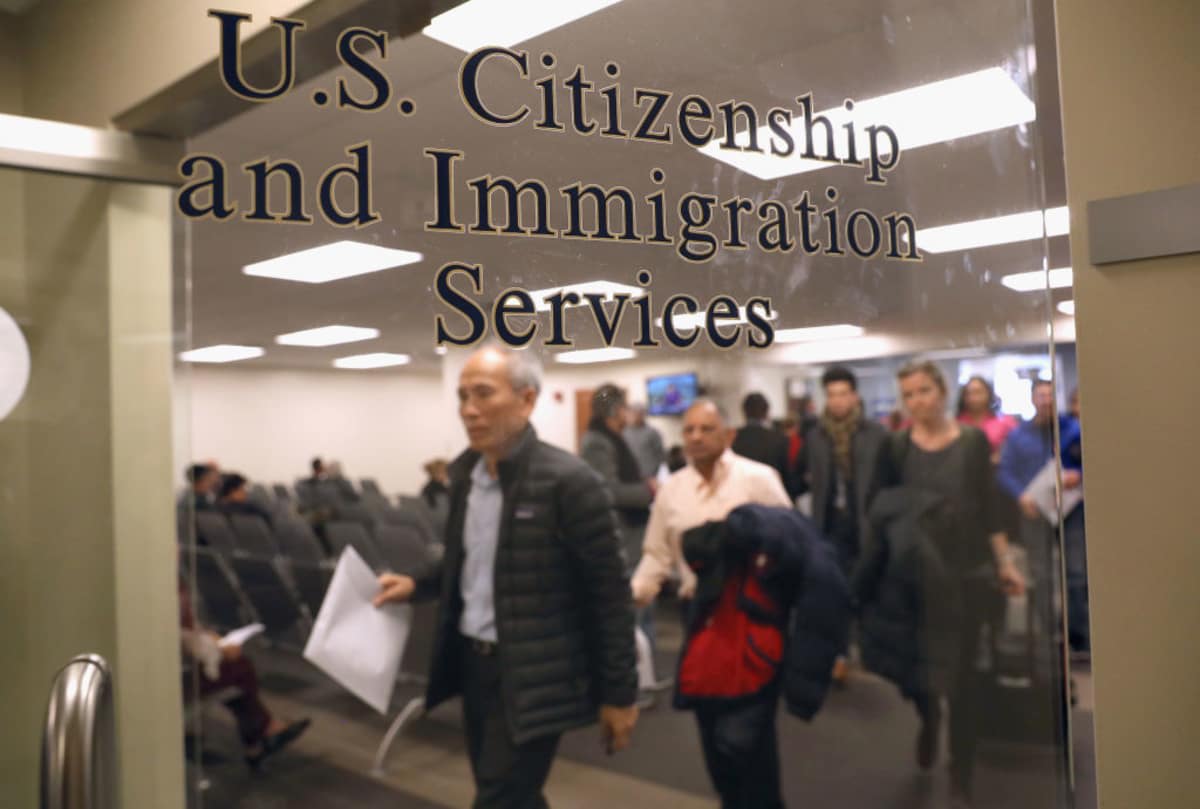
The case involves changes to SAVE, a Department of Homeland Security system traditionally used to verify immigration and citizenship information for government programs.
The administration expanded its use so states could compare voter-registration records against federal information.
In June, US District Judge Sparkle Sooknanan set aside the modified SAVE system and related records notices, finding that the government had violated the Social Security Act, Privacy Act and Administrative Procedure Act. The administration appealed that decision.
The Supreme Court’s Friday action stays the district court’s order while the appeal is pending.
In practical terms, that means the government can operate the modified system during the litigation.
It does not constitute a final judgment resolving the underlying case.
The Supreme Court docket identifies the matter as Department of Homeland Security v League of Women Voters.
Texas review produced separate findings
Texas provides a state-level example of what happened after officials used SAVE to review voter registrations.
In October 2025, the Texas secretary of state said the state had compared more than 18 million registered voters against SAVE and identified 2,724 potential noncitizens.
Those cases were sent to county officials for additional investigation.
The state later reported that 578 people from that group demonstrated US citizenship.
Of those, Texas said 506 were confirmed after passport information was added to SAVE following the original review.
The state advised counties to reinstate registrations if they had been removed.
Those figures describe Texas’ review, not a nationwide error rate for SAVE.
They also do not establish that every person initially identified by the database was incorrectly flagged.
Administration cites broader verification figures
The federal government has presented a different set of figures to the Supreme Court.
In its filing, the administration said the modified system had verified more than 65 million voters as US citizens across participating states and identified 28,635 potential noncitizens.
Those numbers are the government’s submissions in the litigation, rather than an independent nationwide accuracy assessment.
The distinction matters for voters because a SAVE match does not itself constitute a final decision that someone is ineligible to vote.
States remain responsible for determining voter eligibility under their own election laws and procedures.
The Supreme Court’s action therefore restores federal access to the modified database during the ongoing court fight, while the legality of the system remains under review.