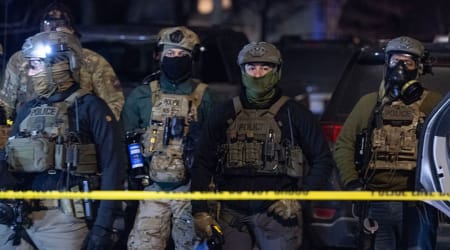
Jackson blasts Supreme Court’s ‘shadow docket’: ‘We cannot expect public trust'
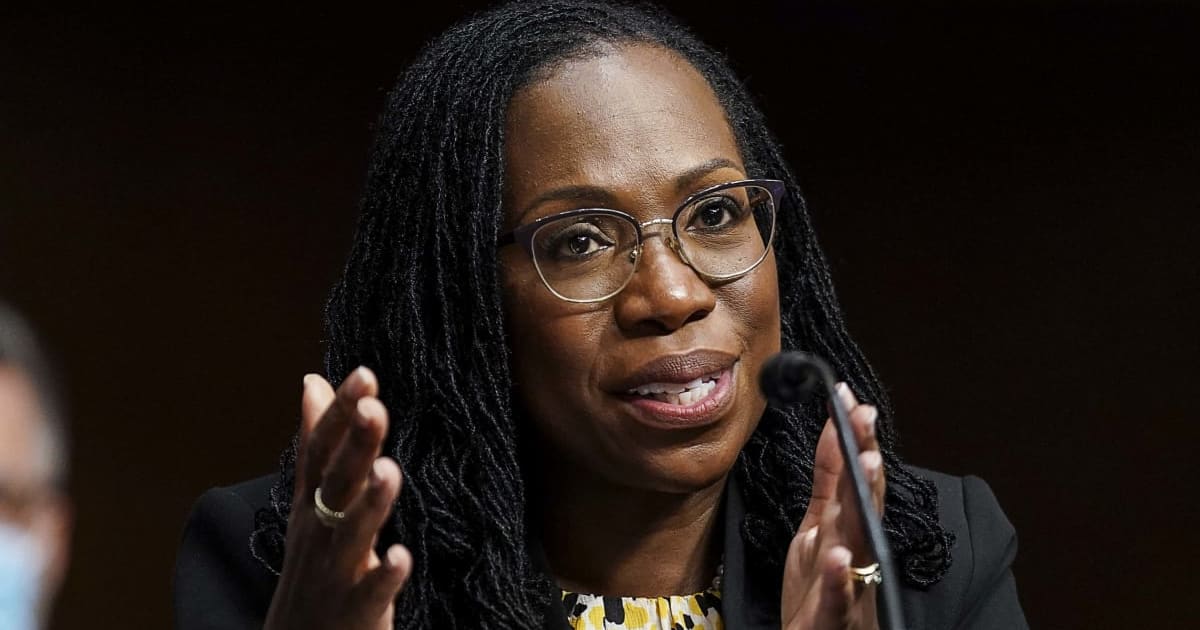
WASHINGTON, DC: Supreme Court Justice Ketanji Brown Jackson publicly criticized her colleagues on Thursday, September 24, over the court’s use of its emergency docket, saying the justices have become “noticeably less restrained” when intervening in controversial cases.
Speaking at the University of the District of Columbia law school, Jackson warned that repeated emergency decisions without clear explanations could damage public confidence in the judiciary.

The remarks came as the court continues handling emergency applications involving President Donald Trump’s policies.
Ketanji Brown Jackson calls for greater judicial restraint
Jackson said the court should return to “first principles” and avoid routinely stepping into politically contentious disputes before normal litigation has run its course.
She described the emergency docket as “problematic” and questioned whether it was becoming a faster route for some litigants to obtain Supreme Court intervention.
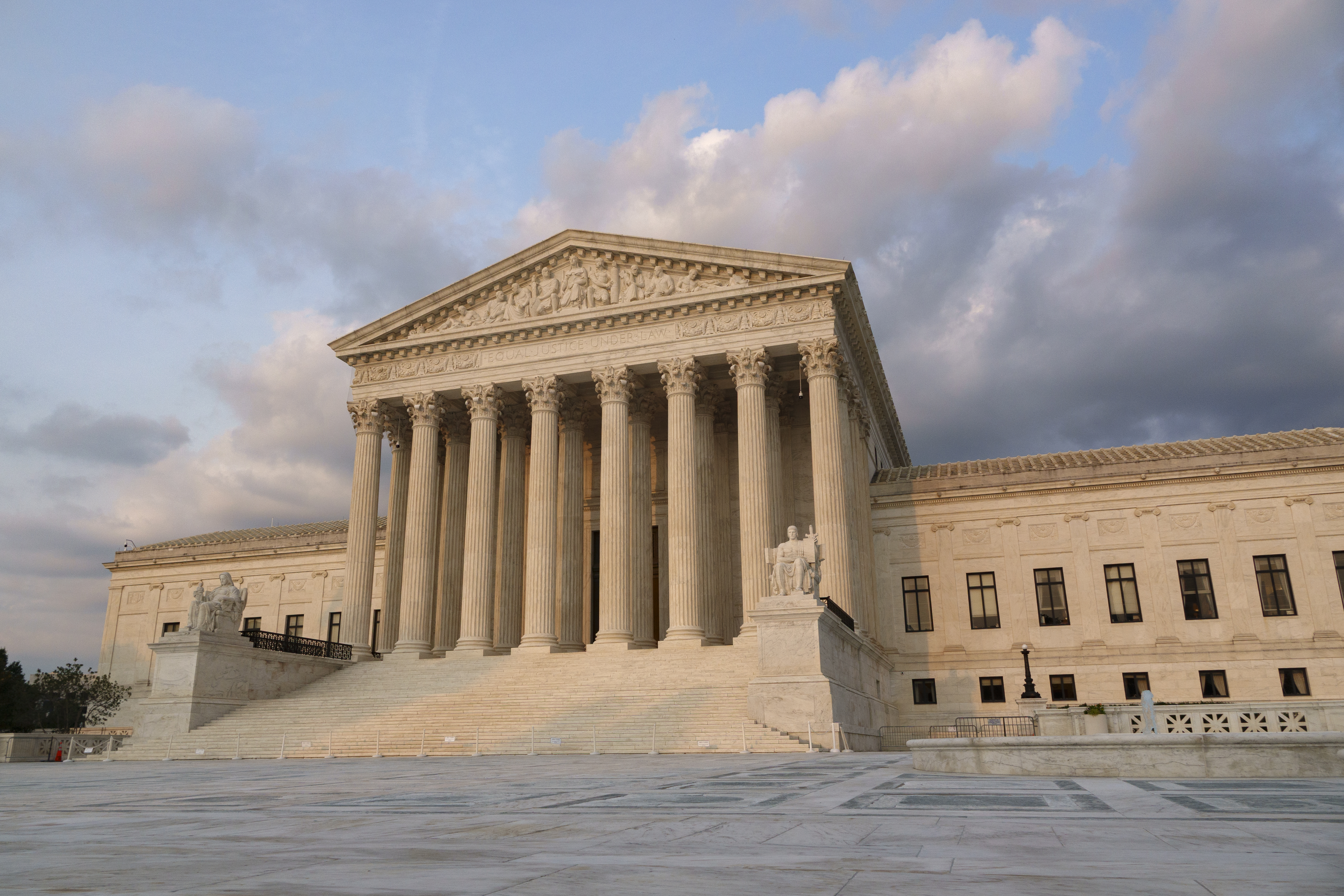
“If we’re not careful, the emergency docket can and will become an end run around the standard review process,” Jackson said, warning against creating a “special avenue” for selected parties.
She also said the current court has been less restrained than earlier versions of the institution, particularly in cases involving controversial matters.
Trump cases fuel emergency docket fight
Jackson did not name Trump in the speech, but her comments came as his administration has repeatedly asked the Supreme Court to intervene while lower-court cases remain pending.
The administration has used emergency applications to seek permission to proceed with policies after lower courts blocked or limited them.
Jackson has previously criticized that practice in written dissents, including a 2025 opinion in which she described the emergency docket as “Calvinball jurisprudence.”

The Supreme Court has also rejected some emergency requests from the Trump administration.
On September 14, the justices declined to let the Postal Service enforce a rule that would have imposed new requirements on mail-in ballots before the November midterm elections.
Jackson warns about public trust
Jackson said the court’s handling of emergency cases carries consequences beyond individual disputes.
She argued that the public may lose confidence if justices repeatedly allow contested government actions to proceed without explaining their reasoning.
“We cannot expect the public to have faith in our judicial system if, without clear explanation, we are consistently green-lighting harmful acts that do real damage to litigating plaintiffs,” Jackson said.

Her remarks follow earlier written dissents in which she criticized the court’s emergency procedures and its relationship with lower courts.
Emergency orders can temporarily change whether government actions proceed before judges issue final rulings. Those orders can affect daily life.
The Supreme Court is scheduled to begin its 2026-27 term on October 5, when it will return to its regular docket alongside continuing emergency applications.