Trump's courtroom strategy is facing an unexpected new challenge
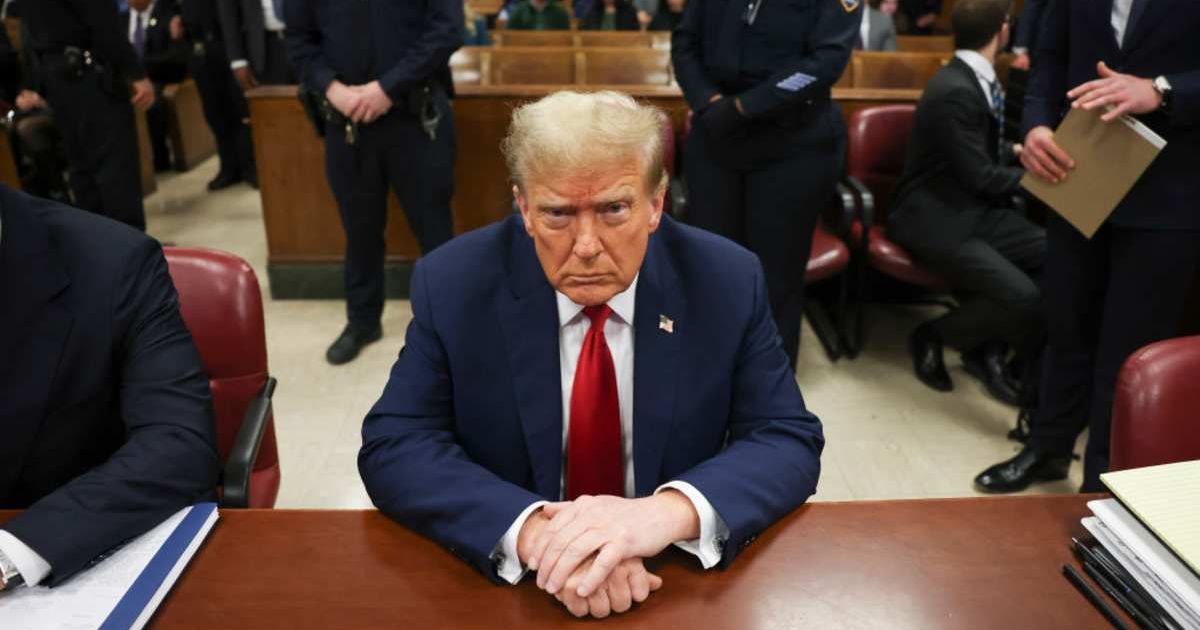
Legal observers said recent cases reinforced First Amendment protections, while media outlets called many lawsuits attempts to silence journalists
Major news organizations are increasingly fighting President Donald Trump's lawsuits in court instead of settling, signaling a shift in legal strategy (Screengrab/WhiteHouse)

WASHINGTON, DC: President Donald Trump's aggressive legal campaign against major news organizations appears to be entering a new phase as several of America's biggest media companies are increasingly choosing to fight his lawsuits instead of settling them.

During the first year of Trump's second term, high-profile settlements by ABC and CBS fueled criticism that media companies were yielding to legal and political pressure.
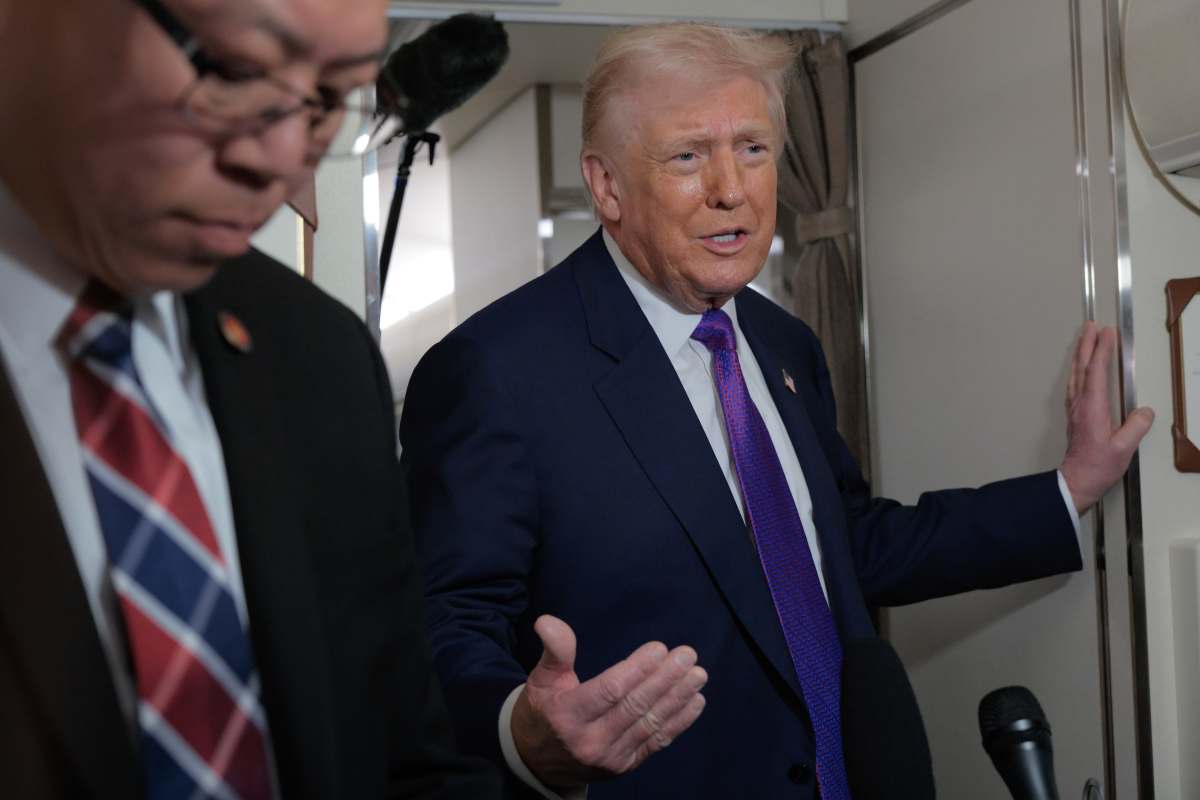
JOINT BASE ANDREWS, MARYLAND - FEBRUARY 19: U.S. President Donald Trump talks to reporters on board Air Force One on February 19, 2026 at Joint Base Andrews, Maryland. Trump is flying to Georgia to visit a steel company and speak on the economy. (Photo by Chip Somodevilla/Getty Images)
After months of headline-making settlements, several major news organizations are now choosing to fight Trump's lawsuits in court instead of negotiating (Chip Somodevilla/Getty Images)

But recent courtroom battles involving The New York Times, The Wall Street Journal, and the BBC suggest the strategy may be losing some of its deterrent effect.

Rather than negotiating payouts, these organizations are mounting legal challenges that could test both Trump's litigation strategy and longstanding press protections in American courts.

From settlements to court fights
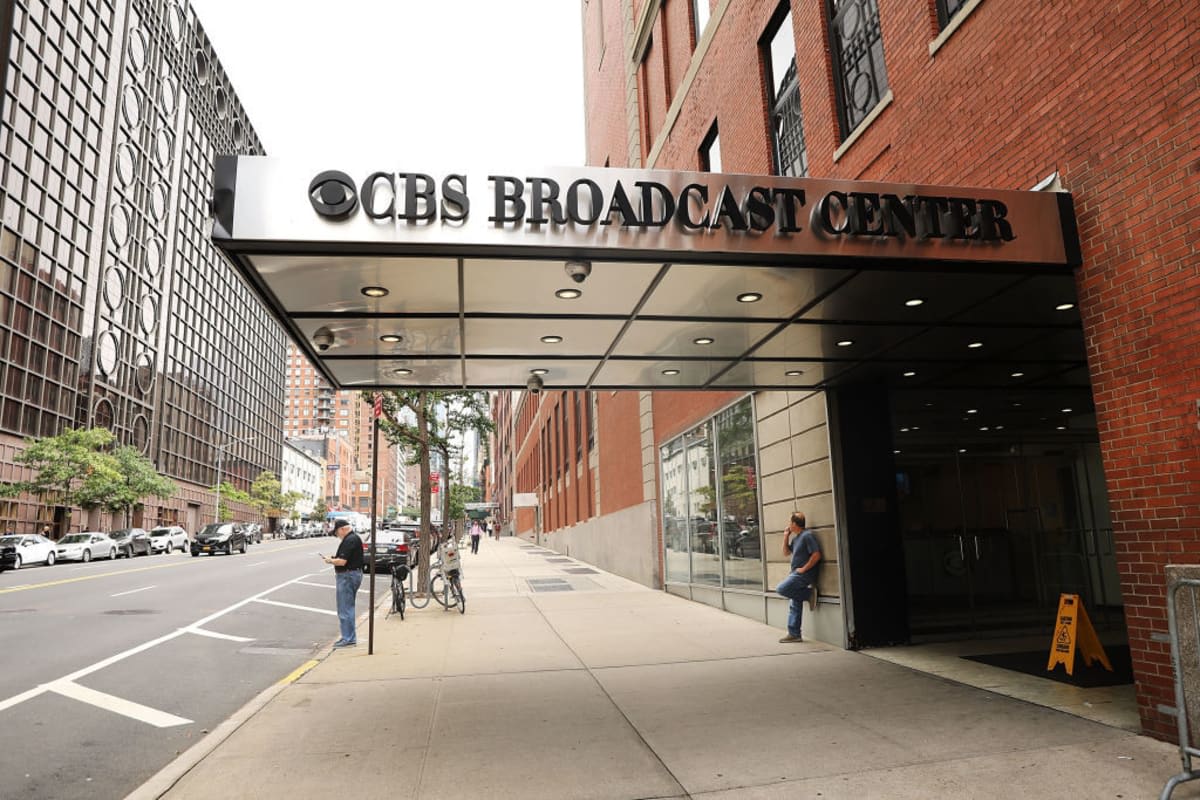
NEW YORK, NY - SEPTEMBER 13: The CBS Broadcast Center stands in Manhattan on September 13, 2018 in New York City. The popular television network has been under scrutiny since allegations of sexual misconduct forced out Jeff Fager, the longtime executive producer of
While ABC and CBS previously settled lawsuits with Trump, other major news organizations are increasingly opting to challenge his claims in court (Spencer Platt/Getty Images)

ABC agreed to pay more than $15 million to resolve a defamation lawsuit brought by Trump, while CBS later reached a $16 million settlement over litigation involving a '60 Minutes' interview.

The shift marks a notable contrast with earlier cases that ended in multimillion-dollar settlements. 

Those agreements prompted concerns among press freedom advocates that media companies were becoming increasingly reluctant to challenge Trump's legal claims.

Now, however, several prominent news organizations are taking a different approach.
NEW YORK - APRIL 21: The New York Times logo is seen on the headquarters building on April 21, 2011
The New York Times logo is seen on the headquarters building on April 21, 2011, in New York City (Ramin Talaie/Getty Images)

The Wall Street Journal has asked a federal judge to dismiss Trump's lawsuit over its reporting on Jeffrey Epstein, while The New York Times continues fighting a separate defamation case tied to its election coverage.

The BBC has also secured a procedural victory after a judge required Trump to produce financial records as part of its ongoing legal dispute.

Courts are the next battleground
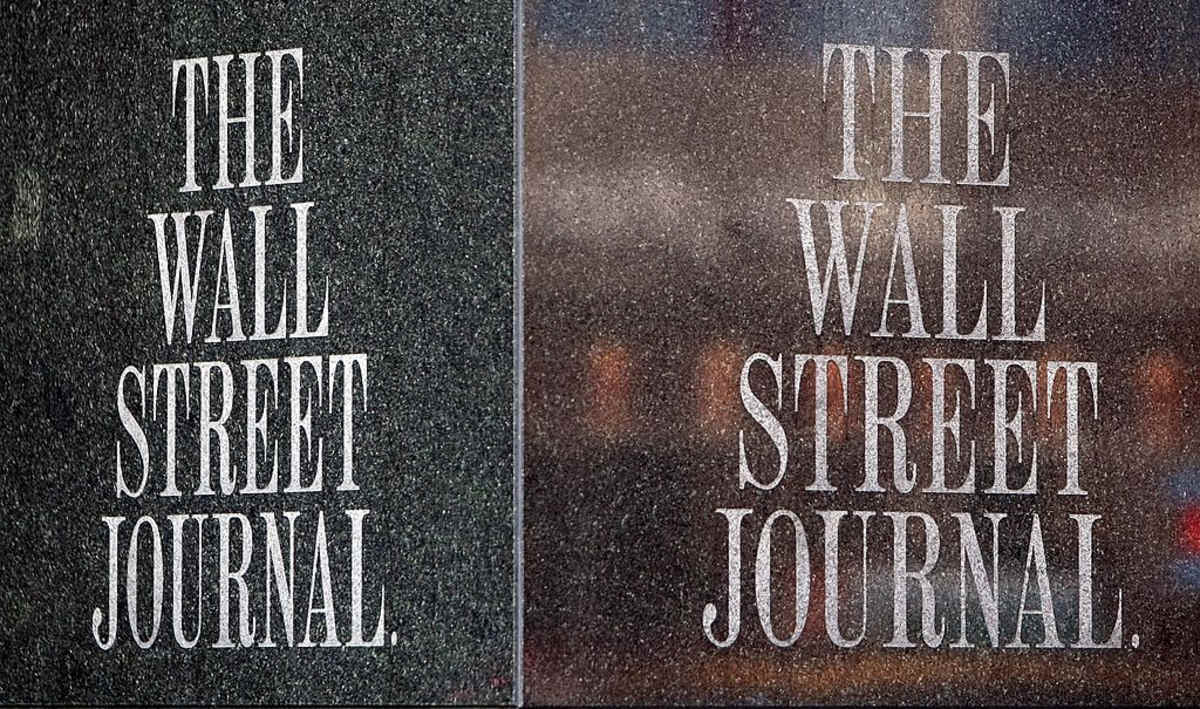
A sign is seen outside a Wall Street Journal office on Avenue of the Americas July 31, 2007 in New York City. Rupert Murdoch's News Corp. has reportedly secured sufficient votes from the Bancroft family to take over Dow Jones Co. (Mario Tama/Getty Images)
News organizations argue the lawsuits should be tested under longstanding First Amendment protections rather than resolved through settlements (Mario Tama/Getty Images)

Legal observers say the recent cases reflect growing confidence that existing First Amendment protections remain a strong defense against defamation claims.

Media organizations have argued that many of the lawsuits are attempts to intimidate journalists, and discourage aggressive reporting rather than legitimate legal grievances.

Experts also note that proving "actual malice" against news organizations remains a high legal bar under longstanding Supreme Court precedent.

The courtroom strategy represents a departure from the caution displayed by some broadcasters earlier in Trump's presidency, with newspapers and digital outlets appearing more willing to contest the lawsuits on constitutional grounds.

New phase in media conflict
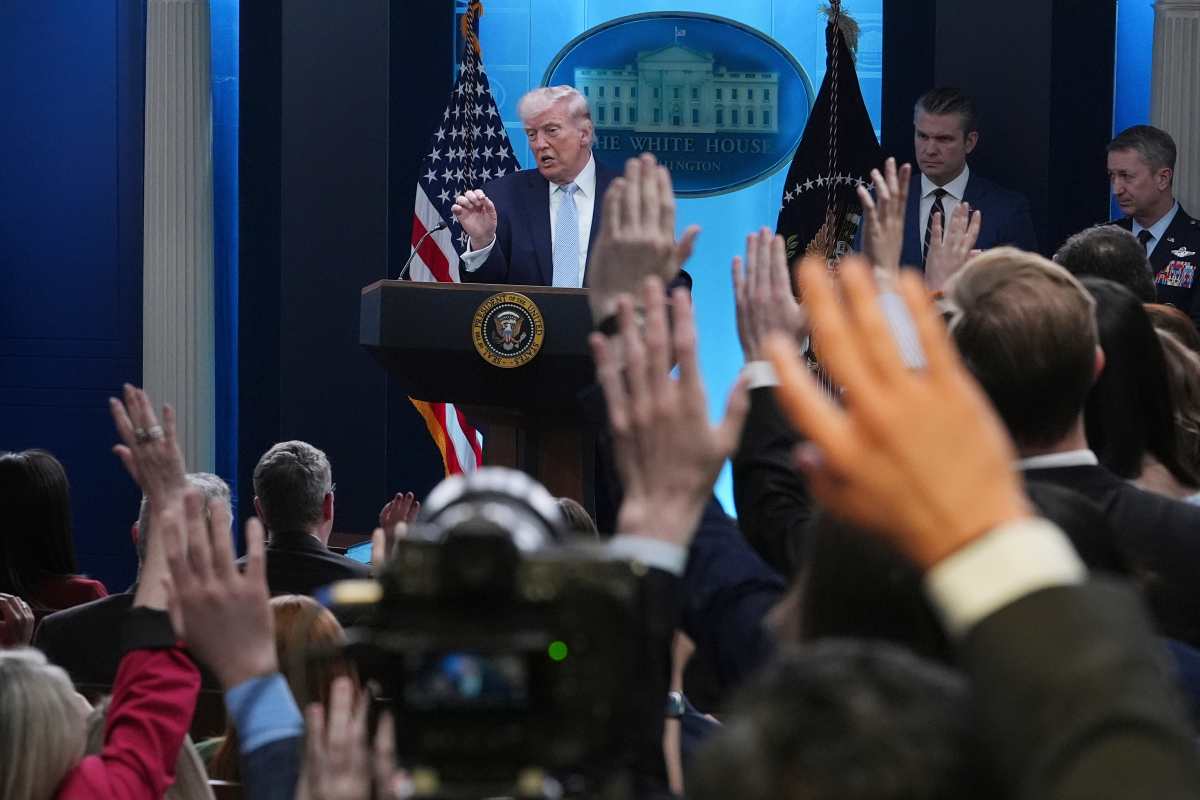
President Donald Trump gestures while speaking with reporters in the James Brady Press Briefing Room at the White House, Monday, April 6, 2026, in Washington. (AP Photo/Julia Demaree Nikhinson)
The growing willingness of major publishers to litigate instead of settle signals a new chapter in the long-running legal confrontation between Trump and the American press (AP Photo/Julia Demaree Nikhinson)

The broader trend suggests Trump's legal pressure campaign is entering a more contested stage. 

While the president and members of his administration continue pursuing lawsuits and leak investigations involving major news organizations, the willingness of several publishers to litigate rather than settle could reshape future confrontations between the White House and the press.

GET BREAKING U.S. NEWS & POLITICAL UPDATES
STRAIGHT TO YOUR INBOX.

MORE STORIES

Bernie Sanders said Democrats should represent working people, young people and communities of color while taking on oligarchs and economic inequality
21 minutes ago
'The rush to complete the project led to hasty and botched work that was not remediated before the project was finished', prosecutors wrote
1 hour ago
Ted Lieu's remarks came after Jeanine Pirro sought to dismiss charges against David Hearn, citing evidence that poor installation caused the damage
1 hour ago
The dispute stemmed from Emily Miller's allegations that Max Miller committed multiple acts of domestic violence against her and their daughter
2 hours ago
Markwayne Mullin defended legal employment visa programs, saying the US should modernize permanent and seasonal work visas to address labor shortages
2 hours ago
Democrats chanted 'Where's Mitch?' over Mitch McConnell's absence, a year after he used the same event to attack Gov Andy Beshear
2 hours ago
Sen John Kennedy says he's open to Trump's DOJ fund, but only with strict limits, drawing the first major GOP red line
3 hours ago
'The Democratic Party needs reform. Look, this is a party that hasn't delivered enough for working-class Americans', Ro Khanna said
3 hours ago
Lawmakers in competitive races weighed returning home to boost reelection bids or staying in Washington to pursue legislation despite slim Senate odds
4 hours ago
Mark Kelly said the administration entered the conflict without a strategic goal, timeline or plan
4 hours ago