Trump is taking extreme stance on White House secrecy, legal experts warn
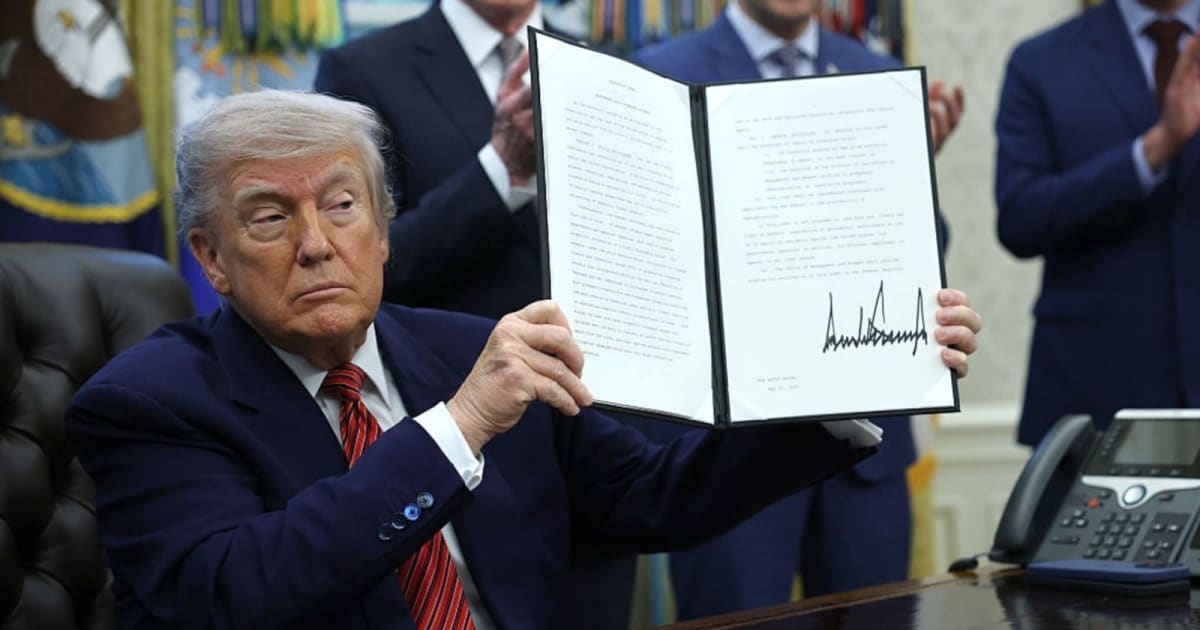
WASHINGTON, DC: President Donald Trump isn’t waiting for the midterms; he’s already building a strong legal defense to block congressional oversight of his administration.
With Democrats still uncertain whether they’ll win back Congress and the power to issue subpoenas, Trump’s team is making its move. Through Justice Department memos and court filings, the administration argues that presidential secrecy goes beyond just internal White House talks. They say it also protects Trump’s interactions with people completely outside the government.
Legal experts flag unusually broad claims
The White House is saying in court that even disclosing the identities of the people who worked on significant policy efforts would infringe upon the presidential confidentiality to which Trump is entitled.
And the administration has taken the stance that it can ignore a Watergate-era law prohibiting the destruction of White House documents.
The posturing comes as Trump, in his second term, has been notably reliant on a constellation of business moguls, non-government attorneys and old friends to help shape his agenda.
“There has been an unprecedented amount of interaction between the Executive Branch, particularly the White House, and the private sector that Congress has made clear is going to be the subject of oversight,” said Jamie Bair, a partner and head of congressional investigations at the law firm Crowell & Moring, to CNN.
Congressional Democrats are already probing the administration’s interactions with FIFA, how Trump’s ties to the crypto-industry are affecting federal policy, and other examples of Trump family business maneuverings that Democrats say can be tied to government policies.
Legal experts, including former top government lawyers from both parties, say the Justice Department’s Office of Legal Counsel is stretching the legal precedent behind its broad privilege claims.
Those claims will face a serious test in a lawsuit from the American Bar Association, which is challenging how the administration pressured law firms. The dispute could drag on in the courts for months or even years before there’s an outcome.
Records law and executive privilege disputes
In a letter to the White House this week, Senate Democrats led by California Sen. Adam Schiff demanded the White House inform them which other non-government advisers it believes the presidential privilege covers.
Executive privilege, they wrote, “is not an unlimited shield designed to insulate private citizens, informal advisers, and non-governmental actors from congressional oversight and public accountability.”
The White House, in a statement to CNN, defended its legal positions on the records law and on executive privilege.
“Throughout history, Presidents have relied on advisers outside of the executive branch. Restricting executive privilege to only communications with executive branch officials would make it impossible for the President to rely on important outside sources,” said White House spokeswoman Lauren Bis.
If the White House no longer had to preserve records of its activities, the administration could “straight up lie about” what was happening behind the scenes, Bair said, and “there would be no contemporaneous records that would disprove it.”
The administration is framing its objections to the law around the idea that the statute amounts to an unconstitutional effort by Congress to dig into White House operations, an argument that, if adopted by courts, could have knock-on effects on other oversight battles.
Democrats say that even if courts ultimately reject the administration's broadest claims, the litigation process is likely to stretch well beyond the current term, complicating oversight efforts regardless of the outcome.